

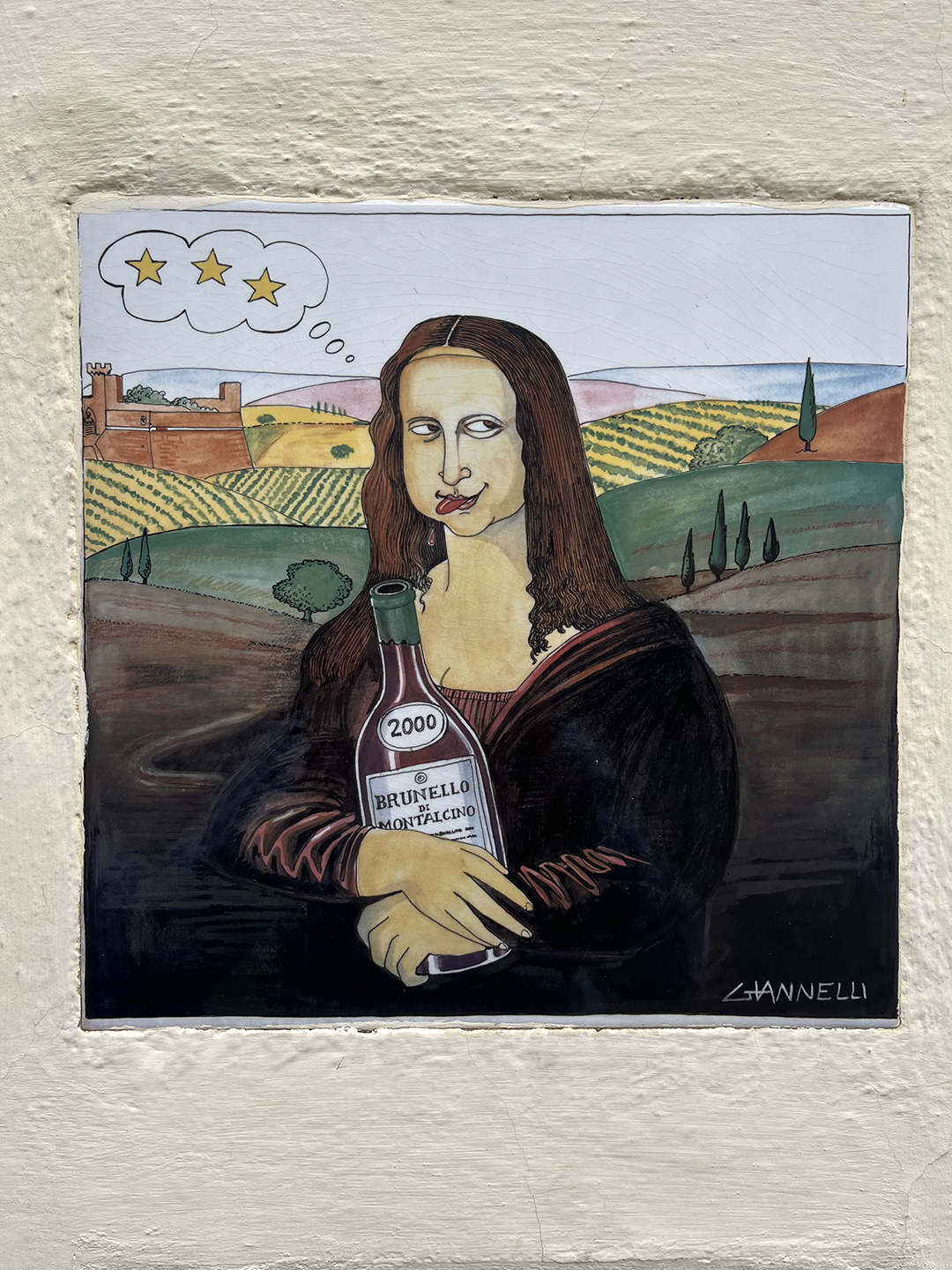
Monday, May 4th: This is the 20th year of the Pauwels-Aspler food & wine tour in Europe.
Deborah and I flew to Florence airport to rendezvous with our group for the bus transfer to Siena. Our initial base was the 5-star Grand Hotel Continental Siena, located only steps from the Piazza del Campo, which, twice a year, hosts the Palio, the world-famous bareback horse race. The group took a 90-minute, guided walking tour of the city centre ending with an aperitif overlooking the Piazza del Campo.
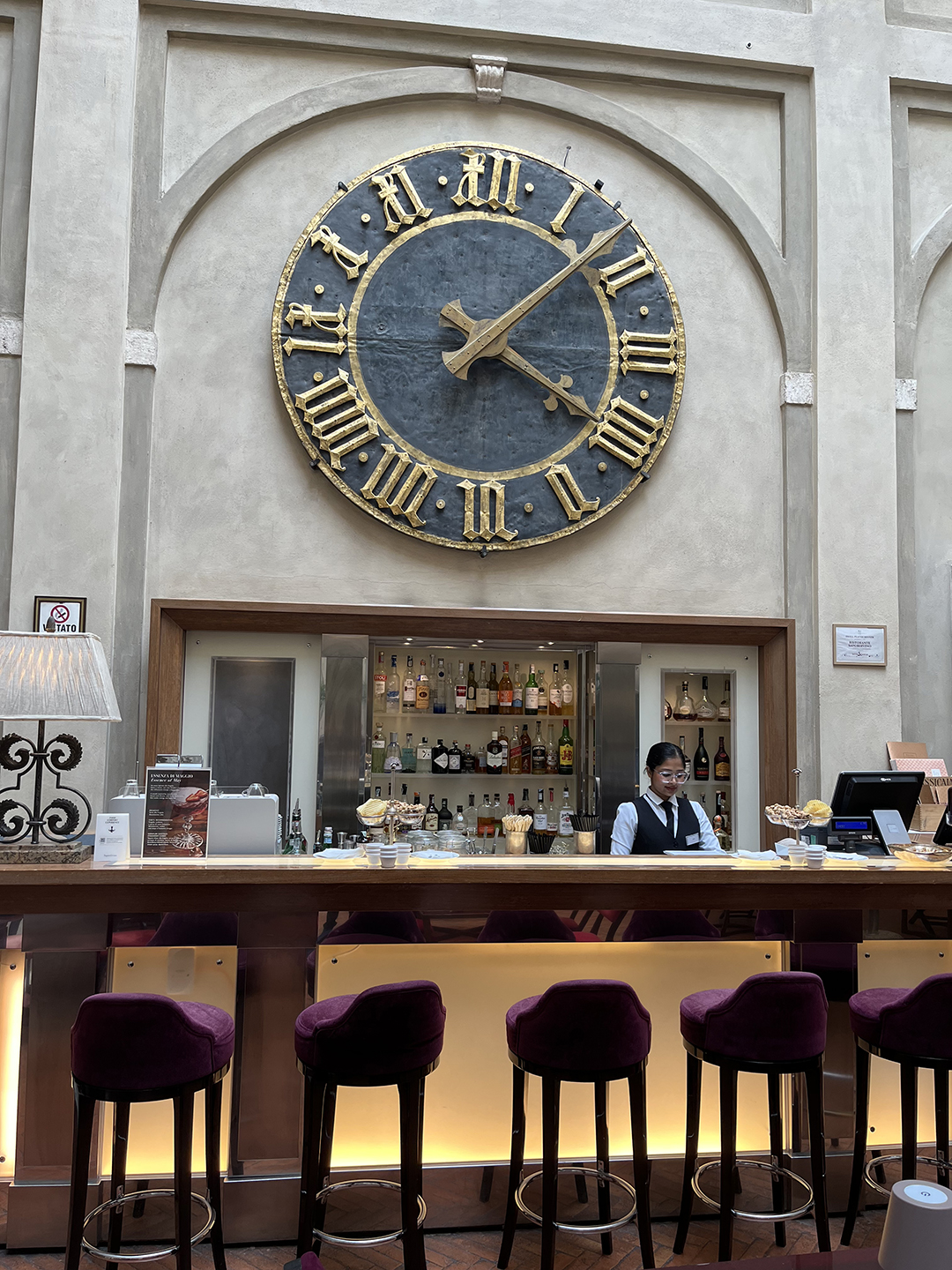
The bar in our hotel
We dined at La Taverna di San Giuseppe, featuring classic Tuscan cuisine.
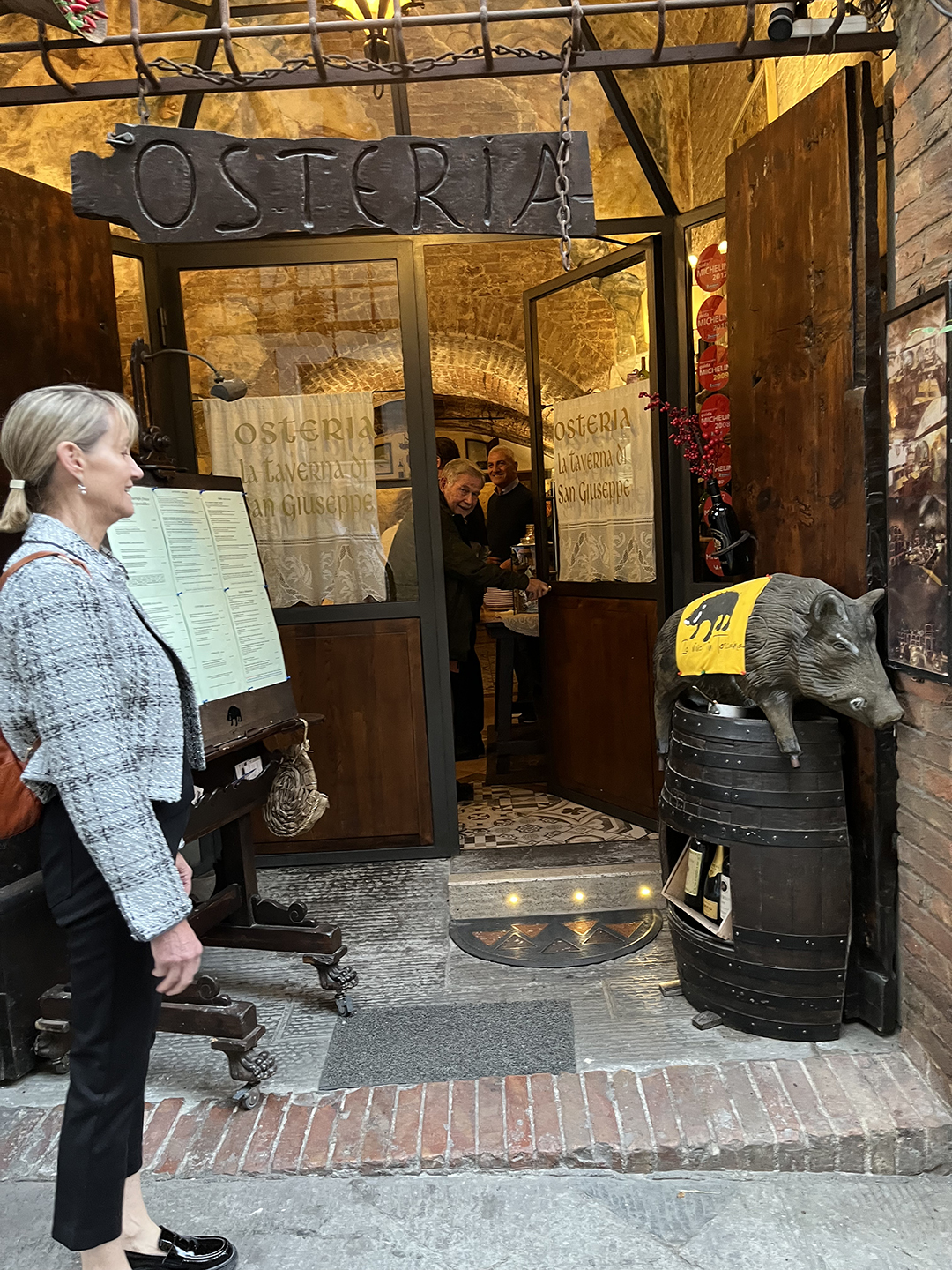
La Taverna di San Giuseppe
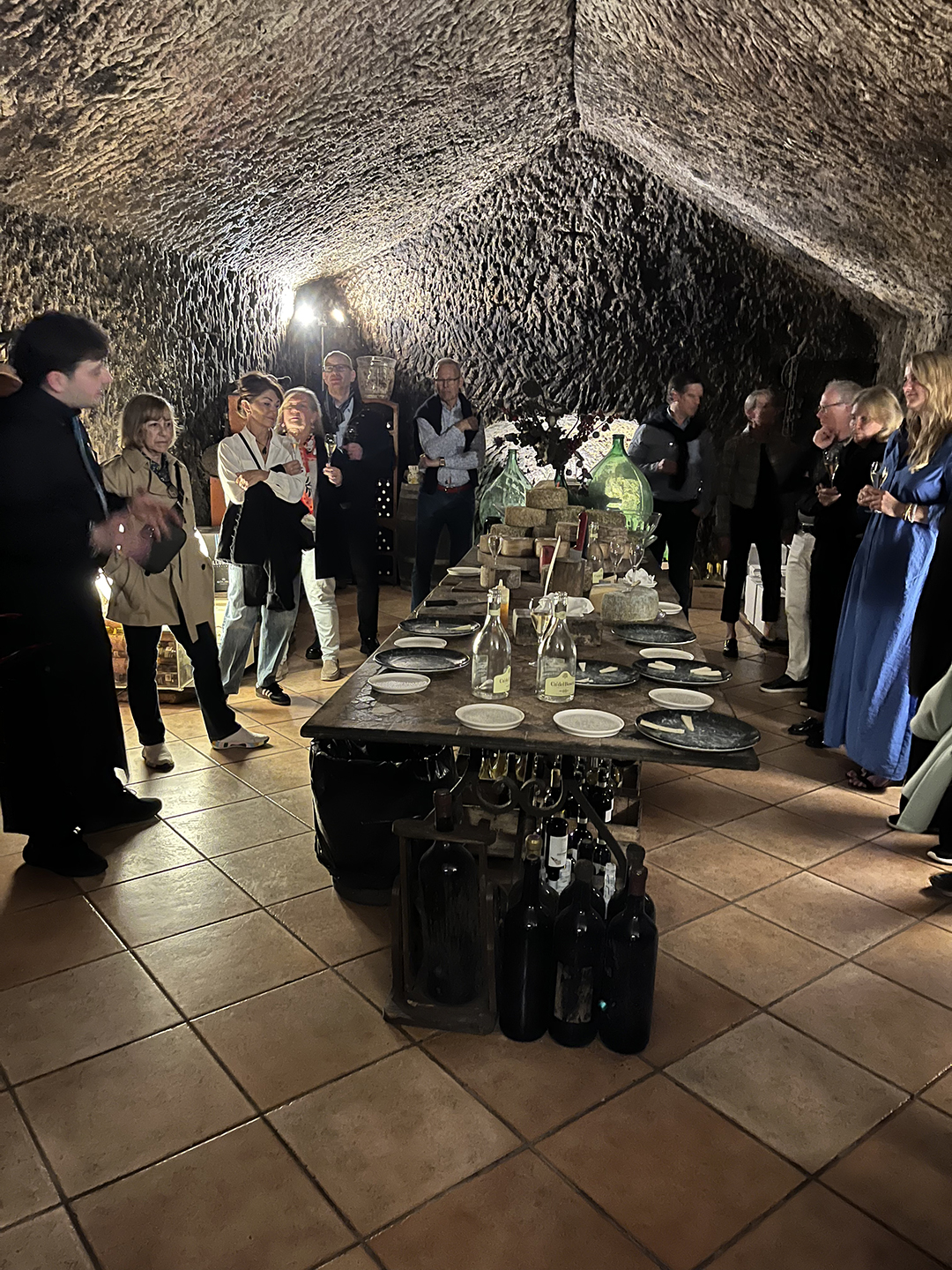
In the hand-carved cellar below the medieval streets of Siena we sipped on Ca’ del Bosco Cuvée Prestige and sampled two types of aged pecorino cheese – three months and six months.




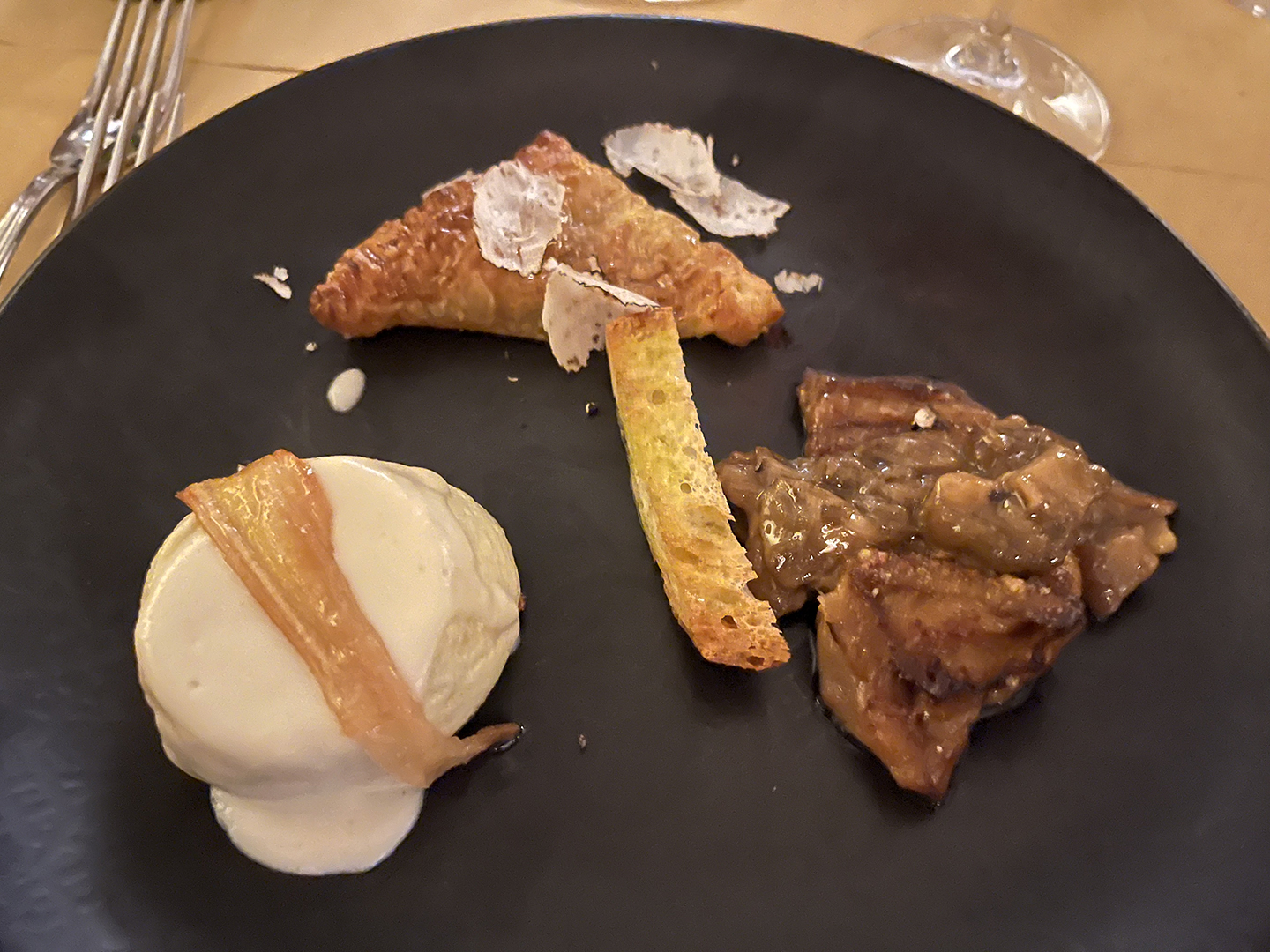

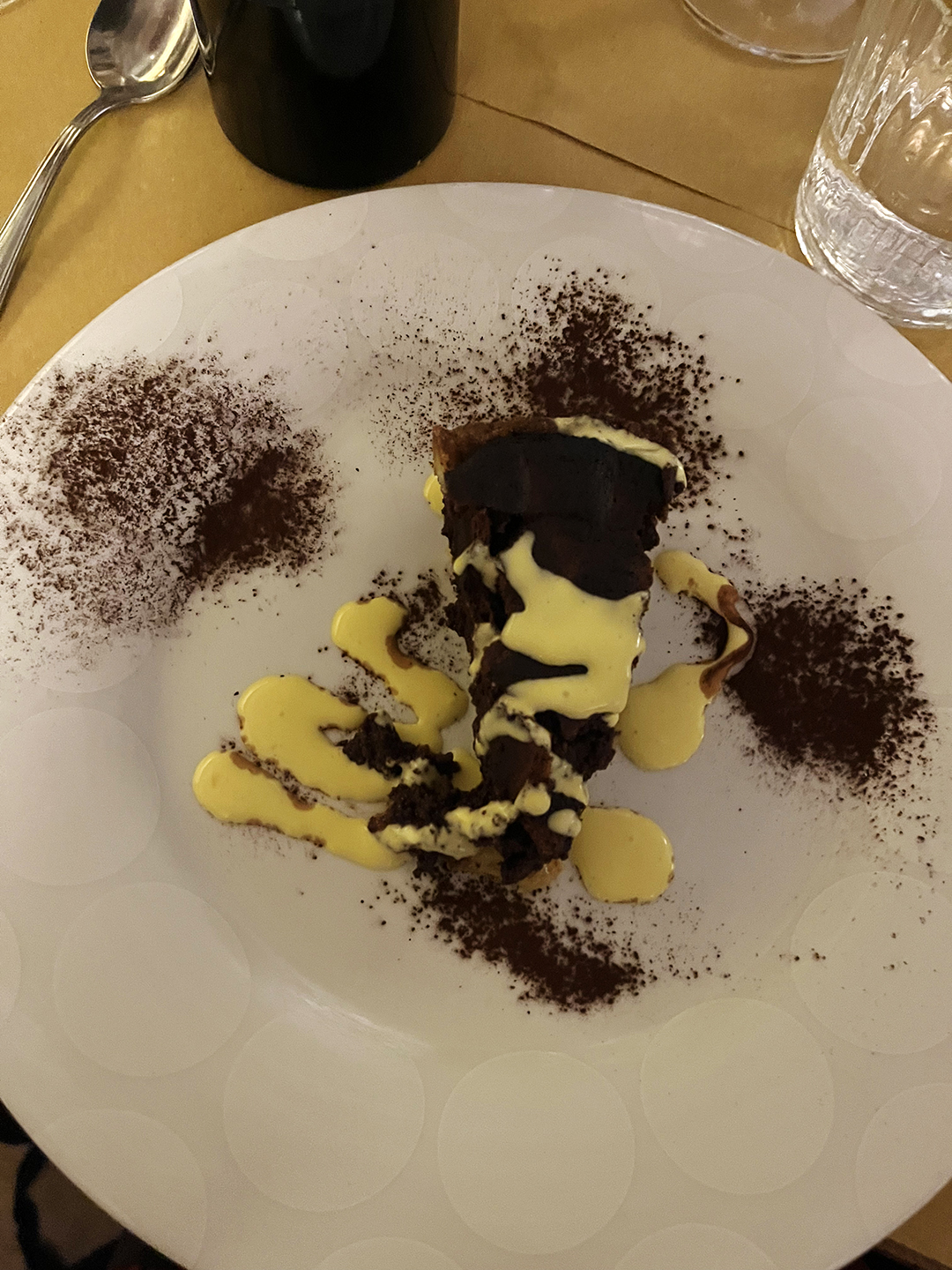
Tuesday, May 5th: In the morning we traveled south of Siena to the sub-region of Montalcino to sample Brunello di Montalcino, a wine made exclusively from 100% Sangiovese grapes, which must be aged at least five years (six for Riservas) before it can be sold. Montalcino lies within the Val d’Orcia, a UNESCO World Heritage region known for its iconic, postcard-perfect landscapes of rolling hills and cypress-lined roads. By special invitation of owner Count Francesco Cinzano, this morning we visited Col d’Orcia.


Col d’Orcia wines

Count Francesco Cinzano
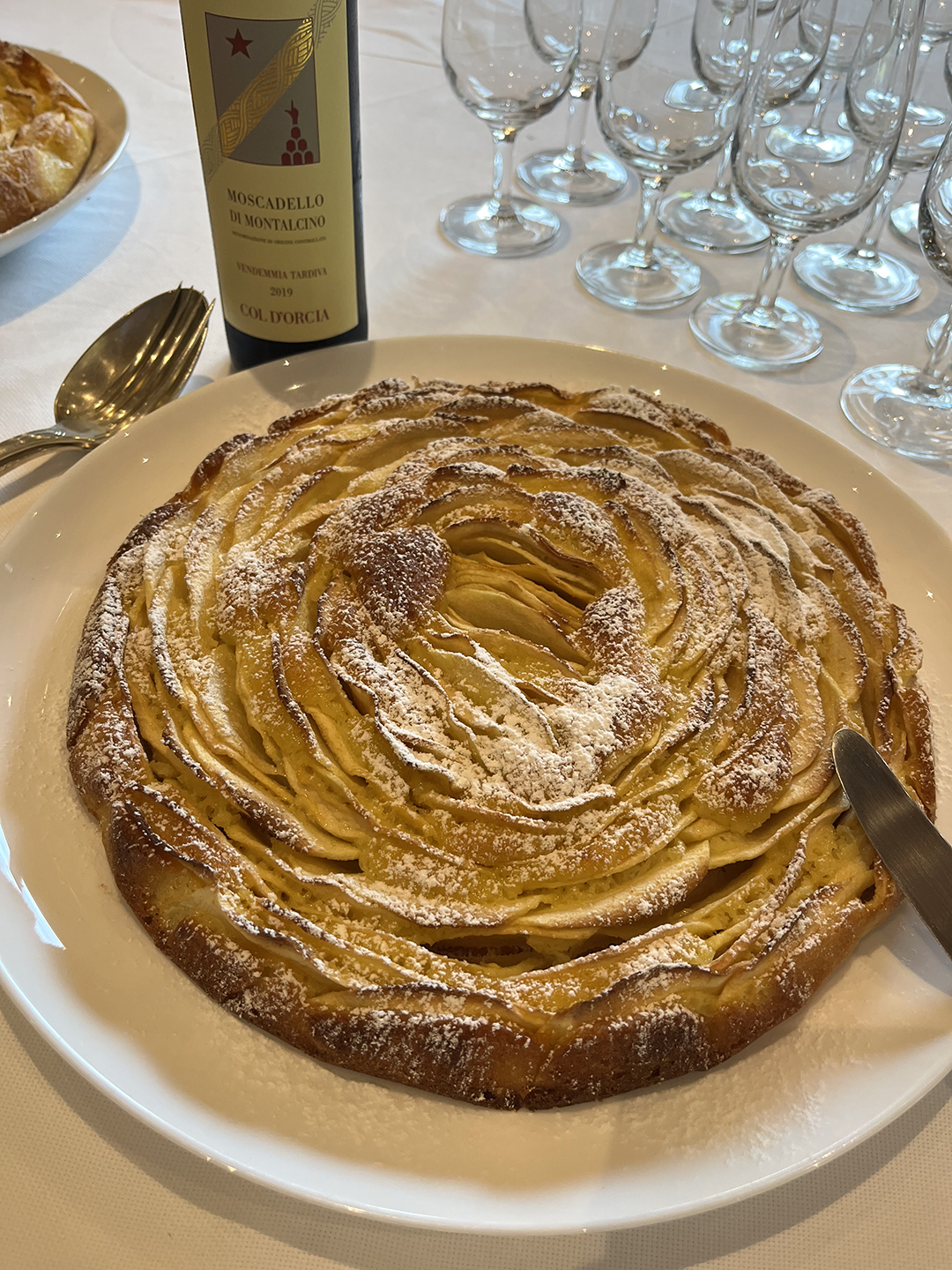

Montalcino
Later in the afternoon we had some free time to explore Montalcino itself before our early evening return to Siena. Dinner at Osteria le Logge.
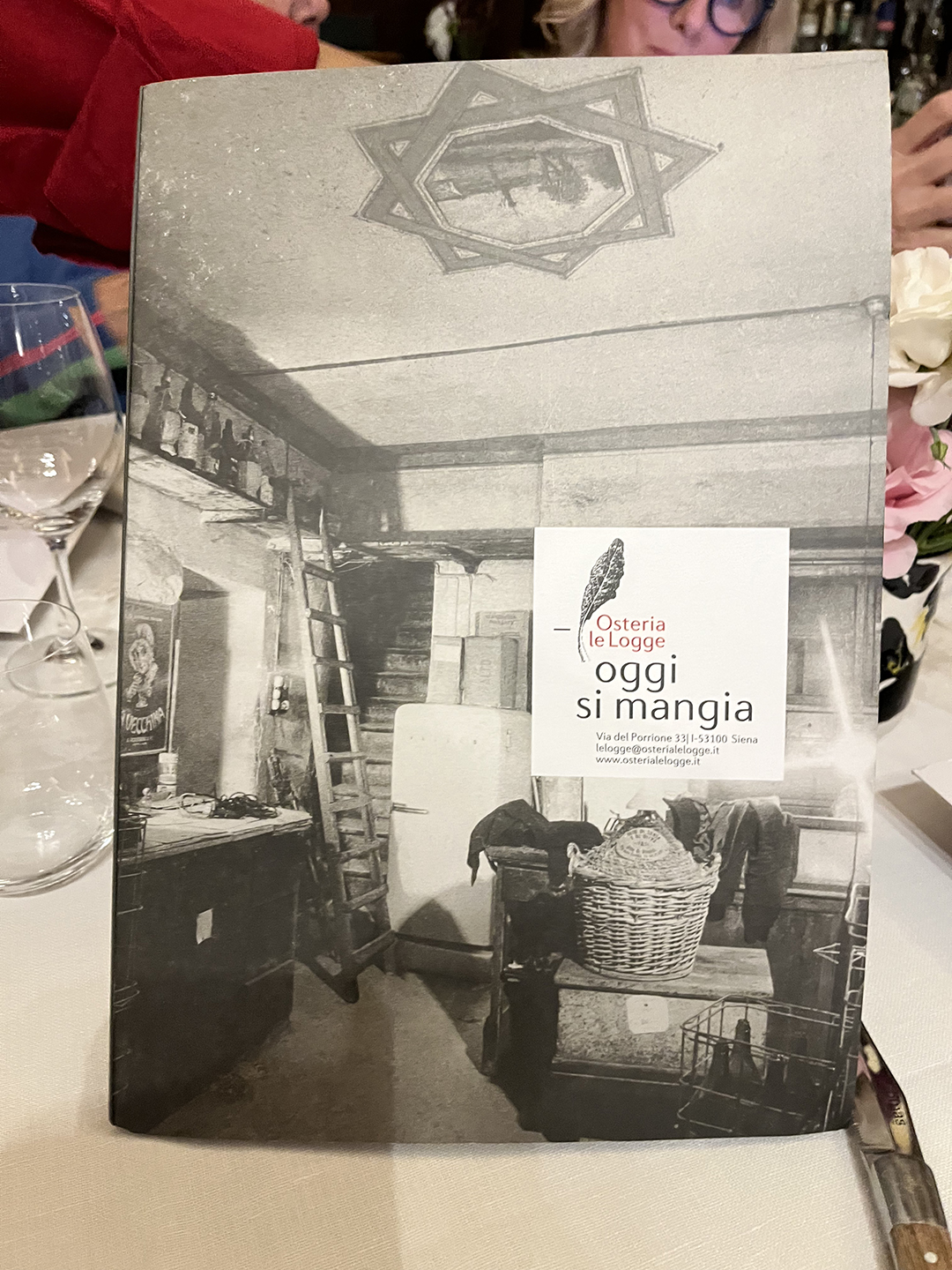

Wednesday, May 6th: Today we returned to the Montalcino region, this time at the invitation of Marchese Lamberto Frescobaldi. Our visit started at Frescobaldi’s Tenuta Luce estate, whose renowned flagship “Super Tuscan” wine Luce is a blend of Sangiovese and Merlot.

Luce cellar
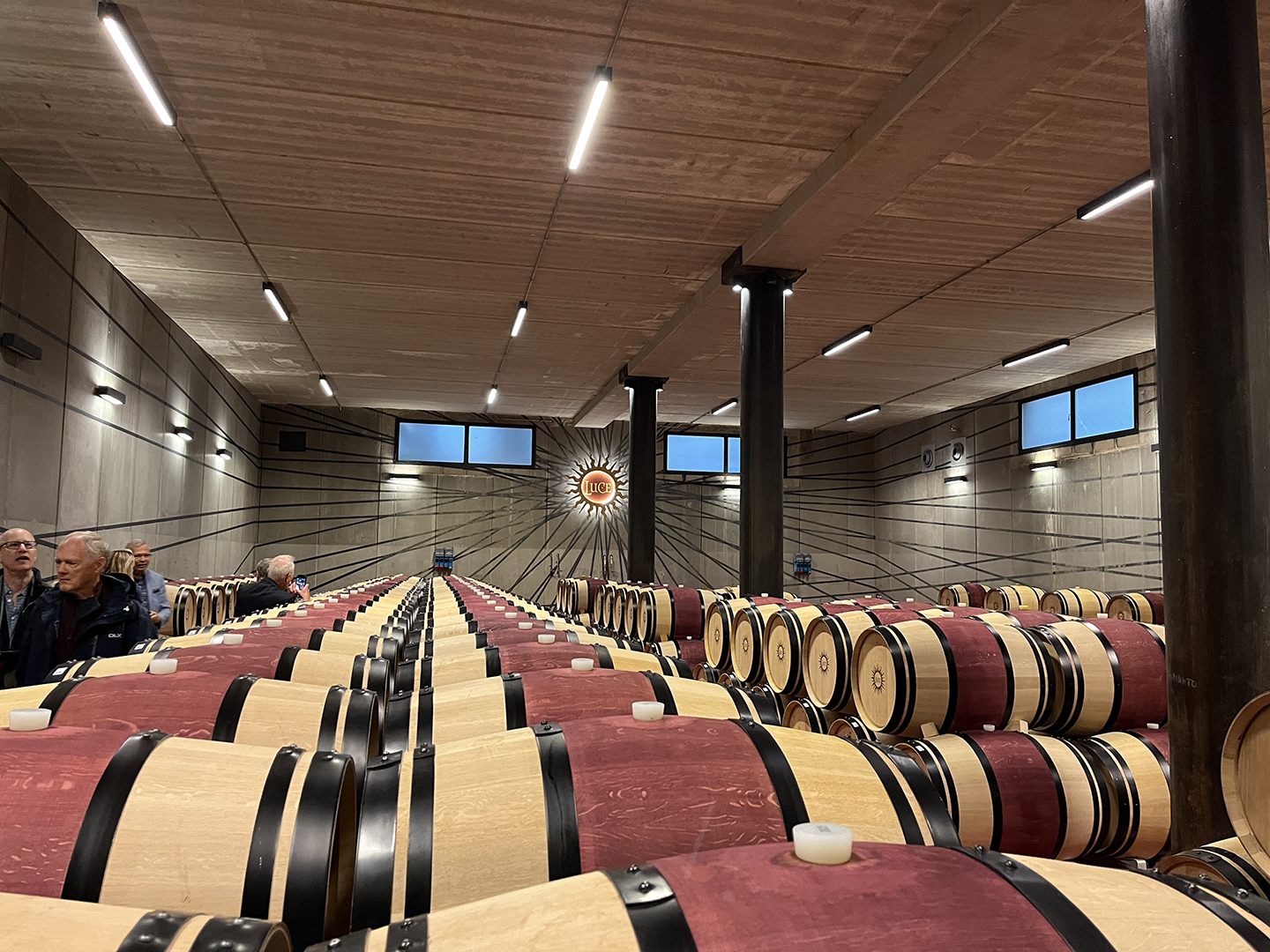
Luce barrel cellar

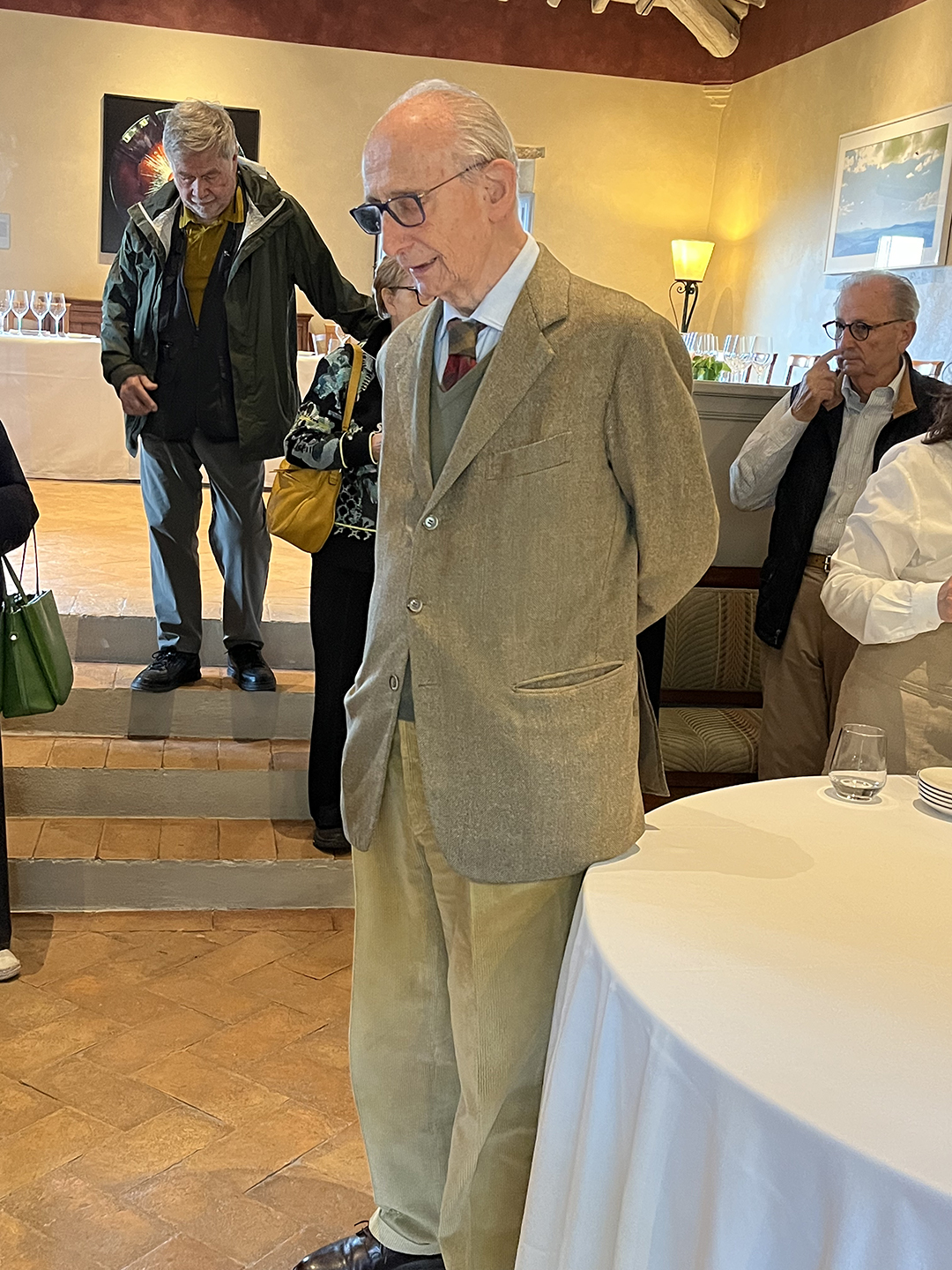
Marchese Leonardo Frescobaldi
Just a few km away is Tenuta CastelGiocondo, the Frescobaldi’s flagship Montalcino estate and one of the first four properties in the region to begin producing “Brunello di Montalcino” in the 1800s. The Marchese was our host at a private lunch at the estate today featuring a special selection of the family’s wines.


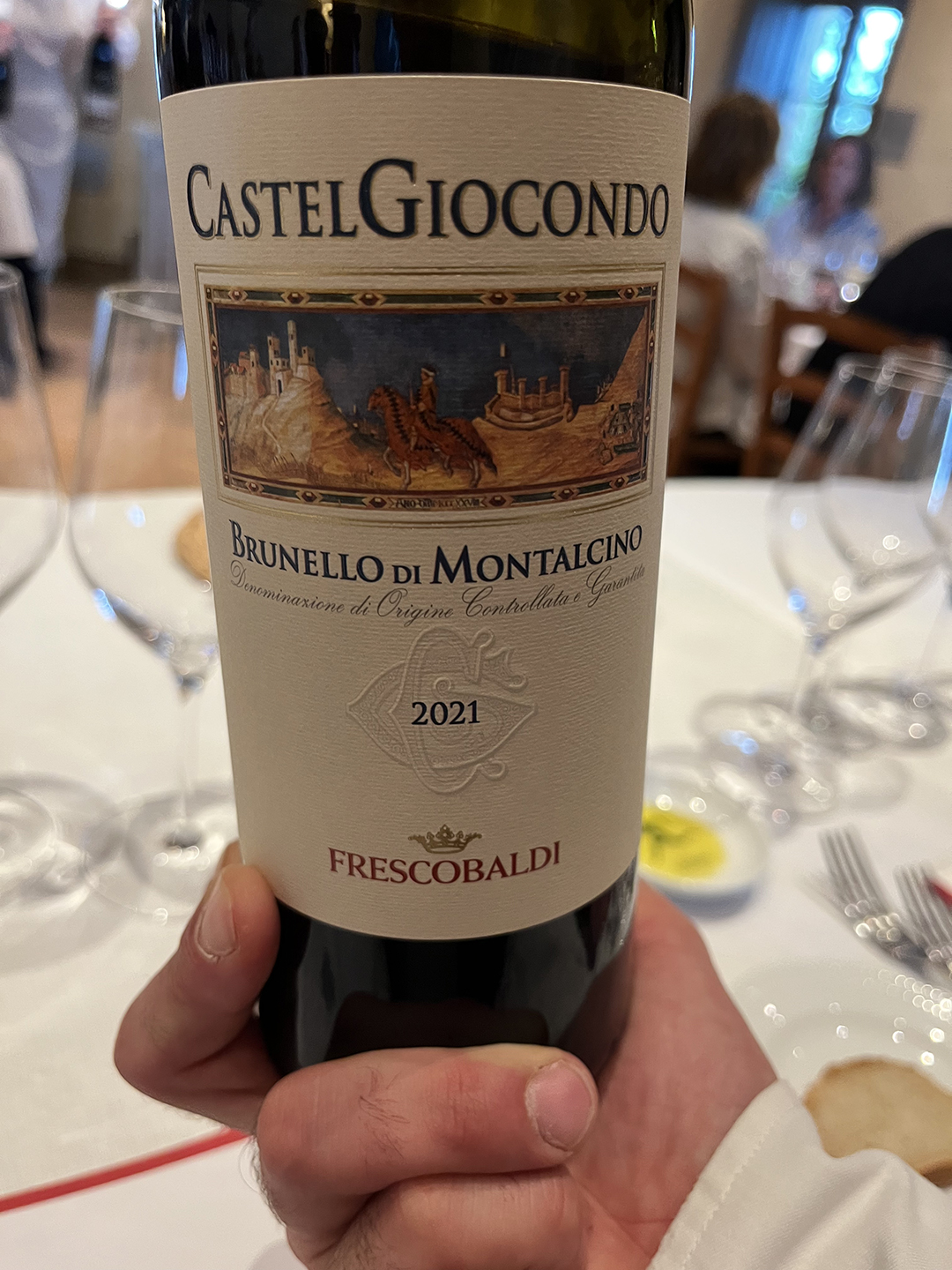


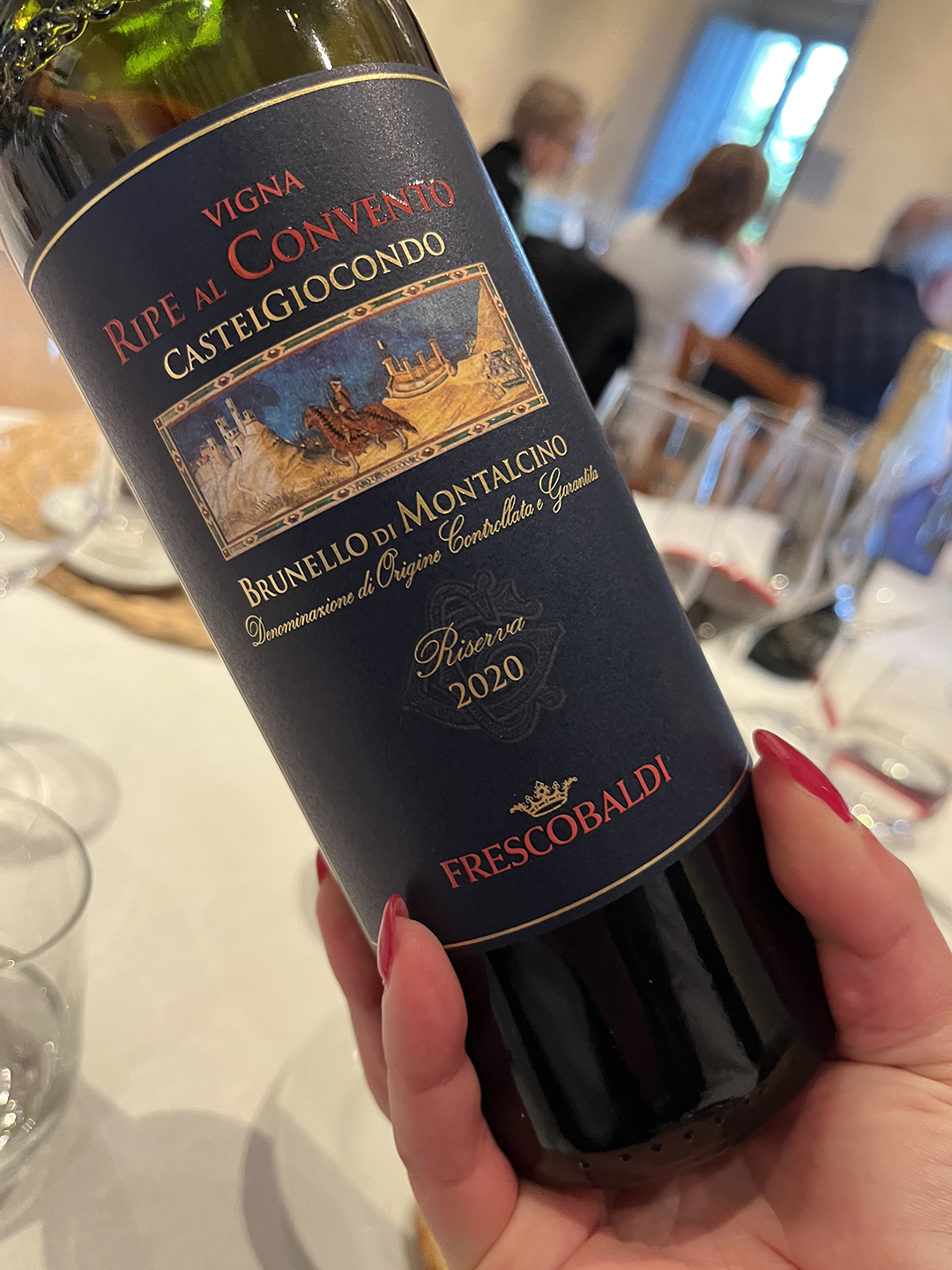


Stephen Pauwels presents Marchese Leonardo Frescobaldi with a Blue Jays hoodie
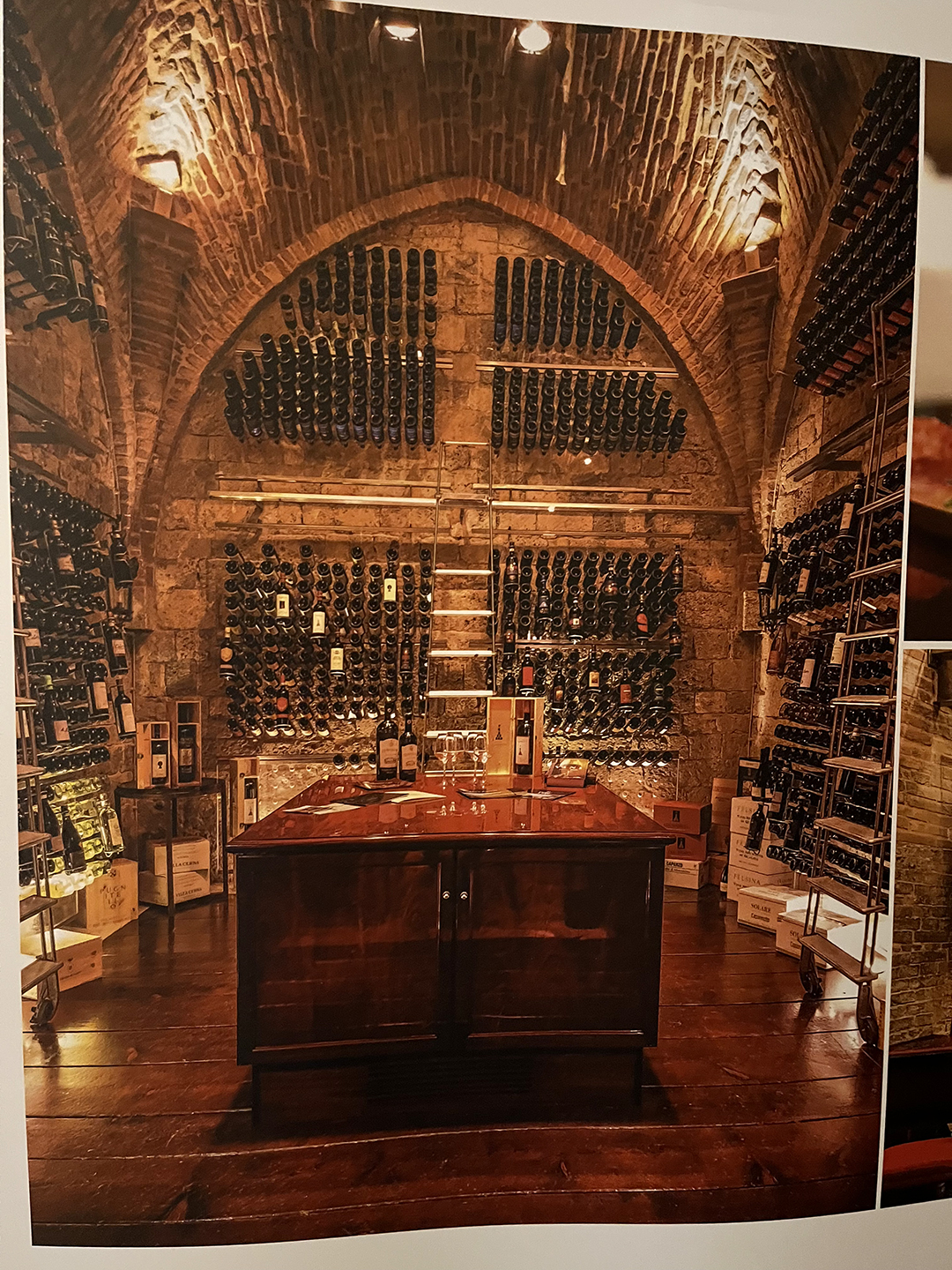
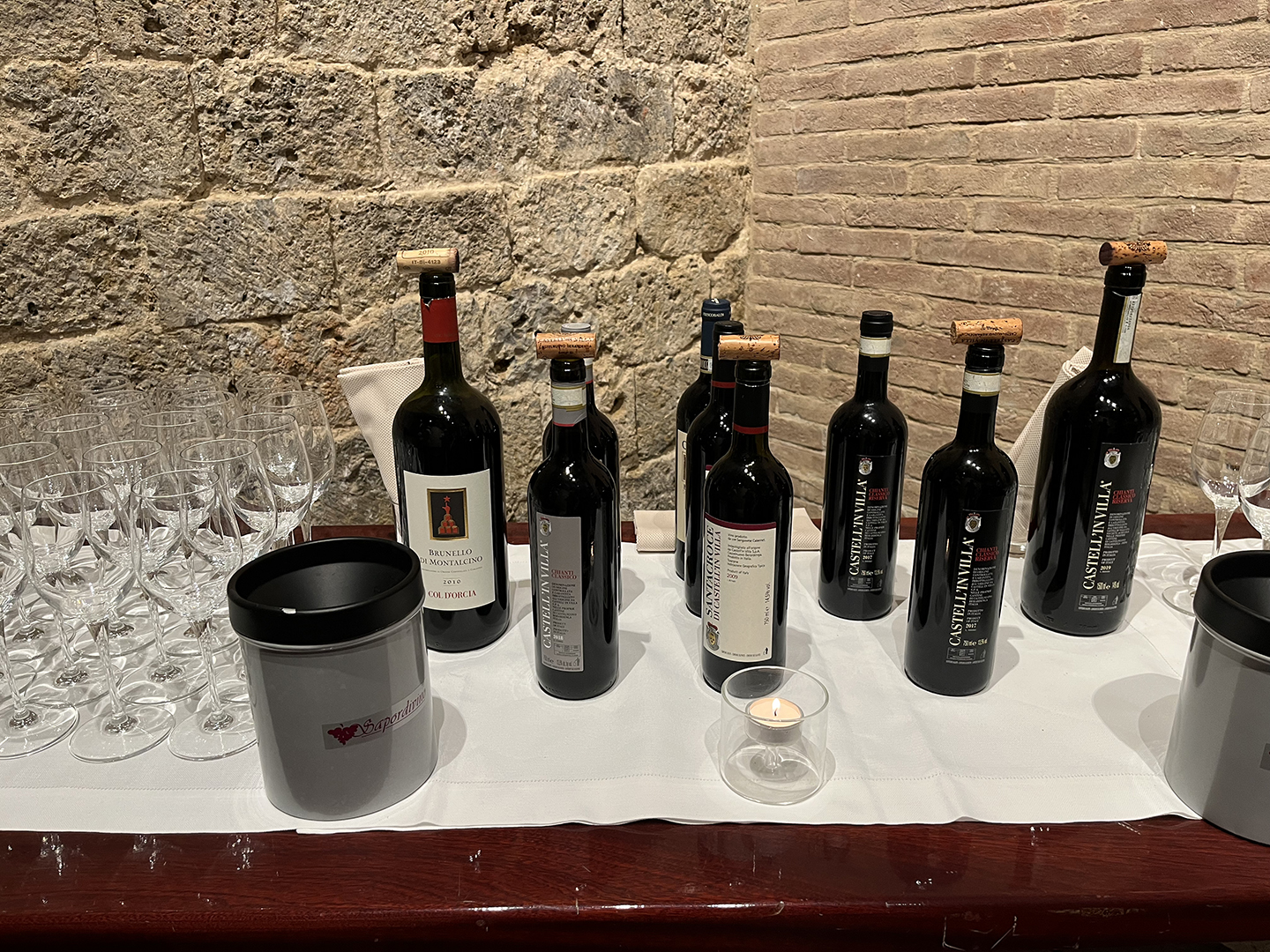
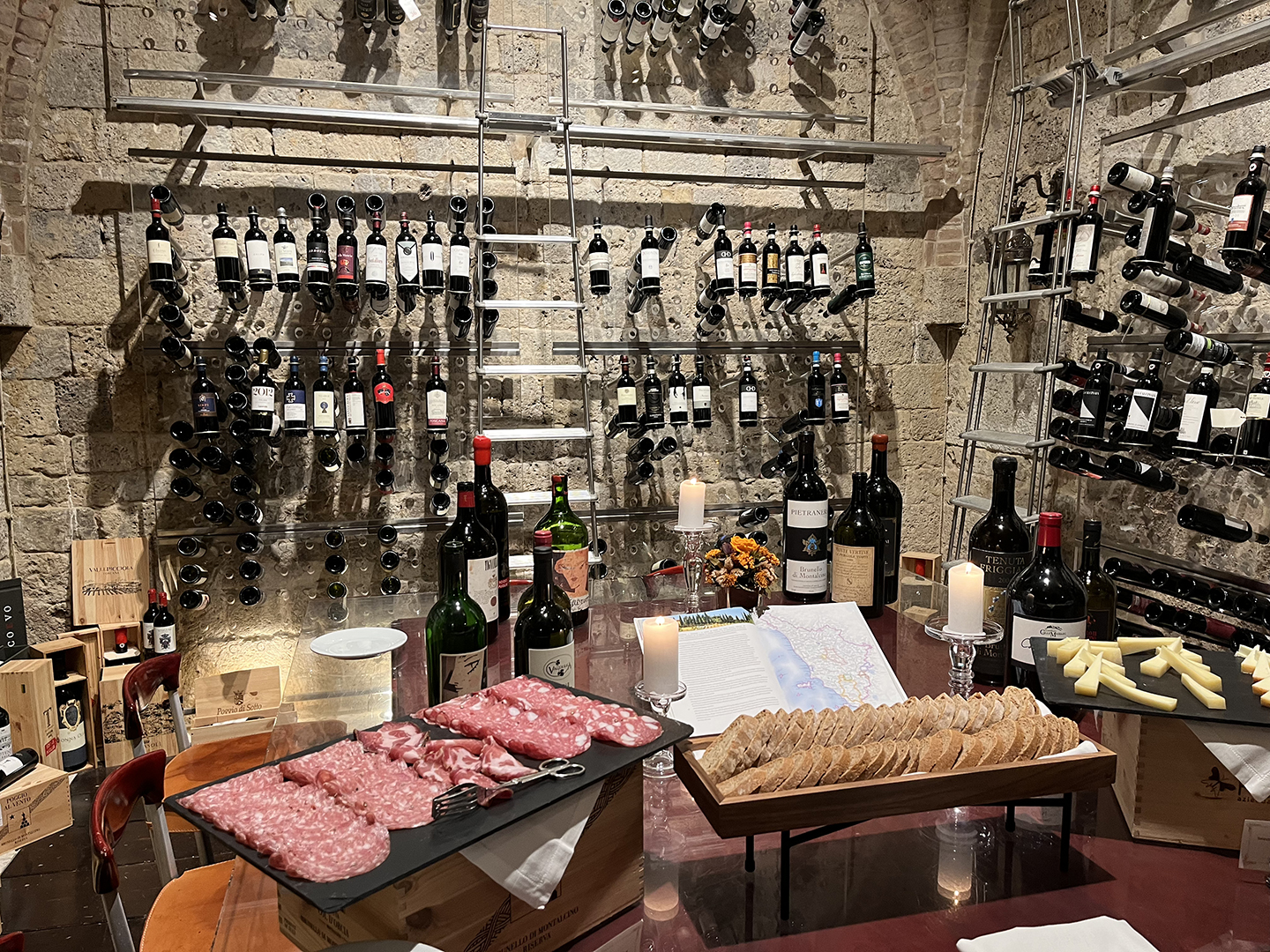
Late afternoon return to Siena. Back at the hotel we participated in a tasting of wine from Castell’in Villa Chianti Classico in a medieval wine cellar in the basement that was only discovered after WWII when the hotel was renovated and a wall was knocked down.
Grave in Chianti
Thursday, May 7th: Today the group split into two parts. One part headed to the beautiful town of San Gimignano (50 km), the “Town of Fine Towers,” also a UNESCO World Heritage site and famous for its remarkably preserved medieval skyline. While San Gimignano once boasted 72 towers built by feuding noble families as status symbols, 14 remain today, earning it the nickname “Medieval Manhattan.”
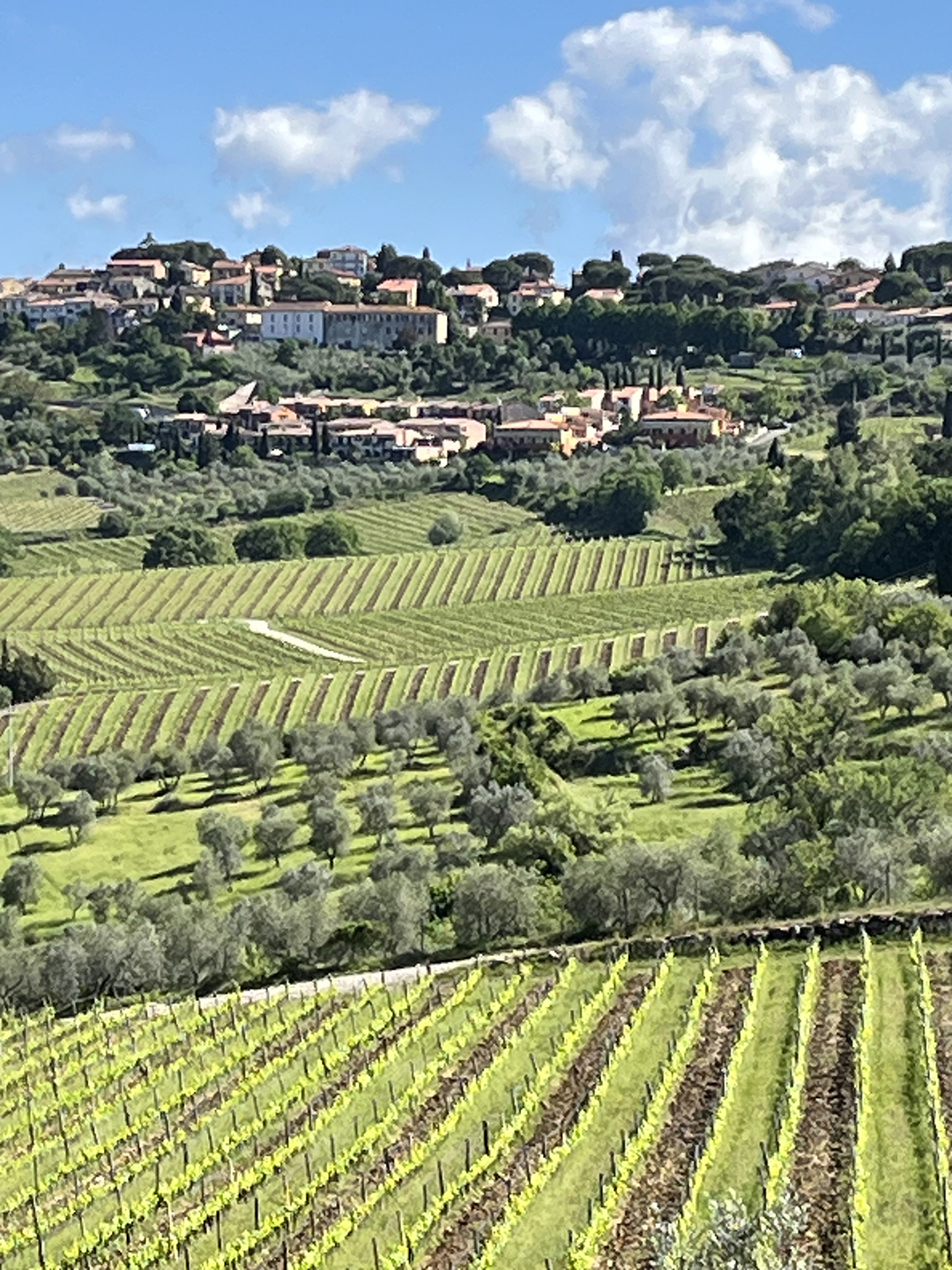
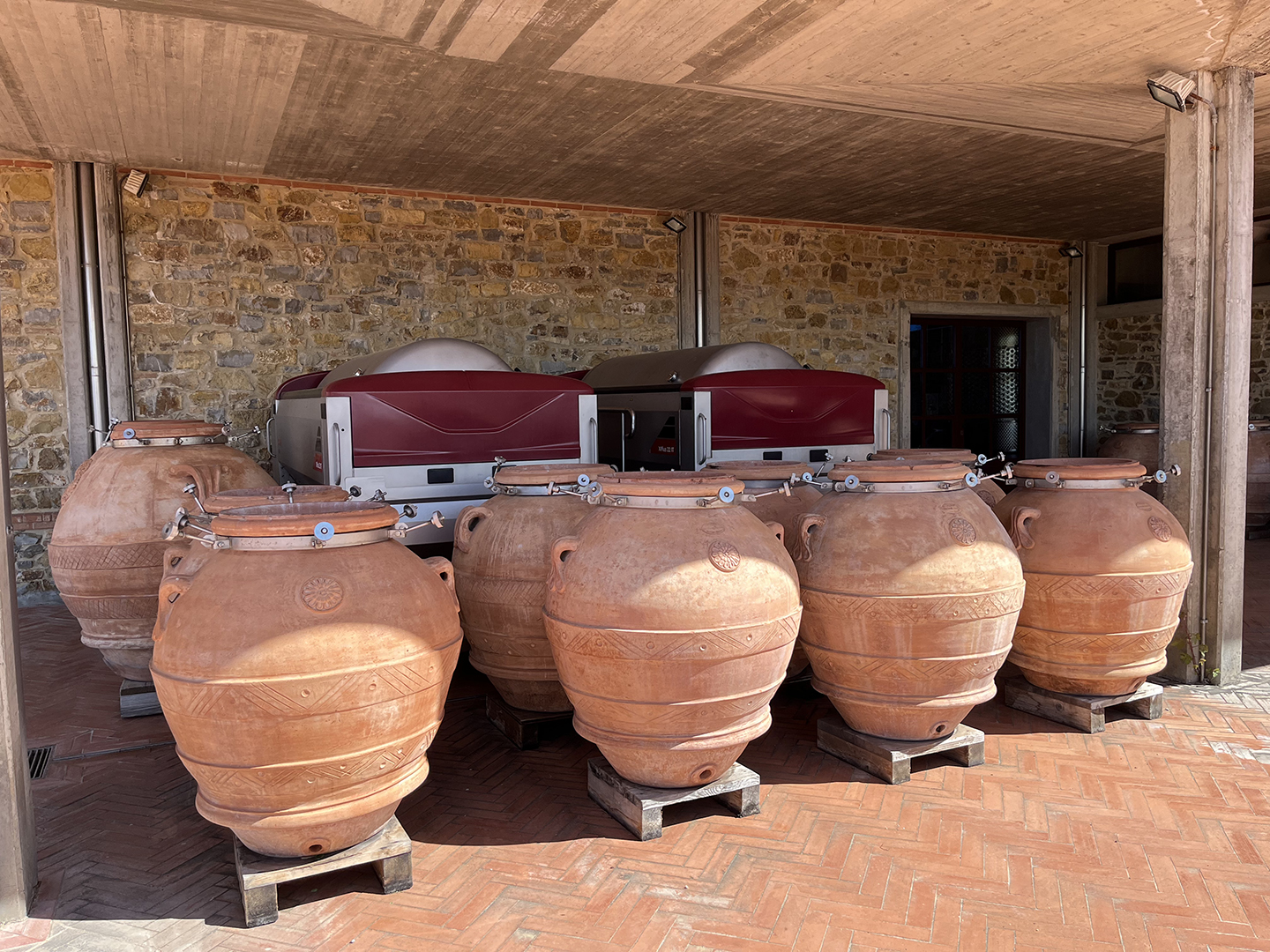
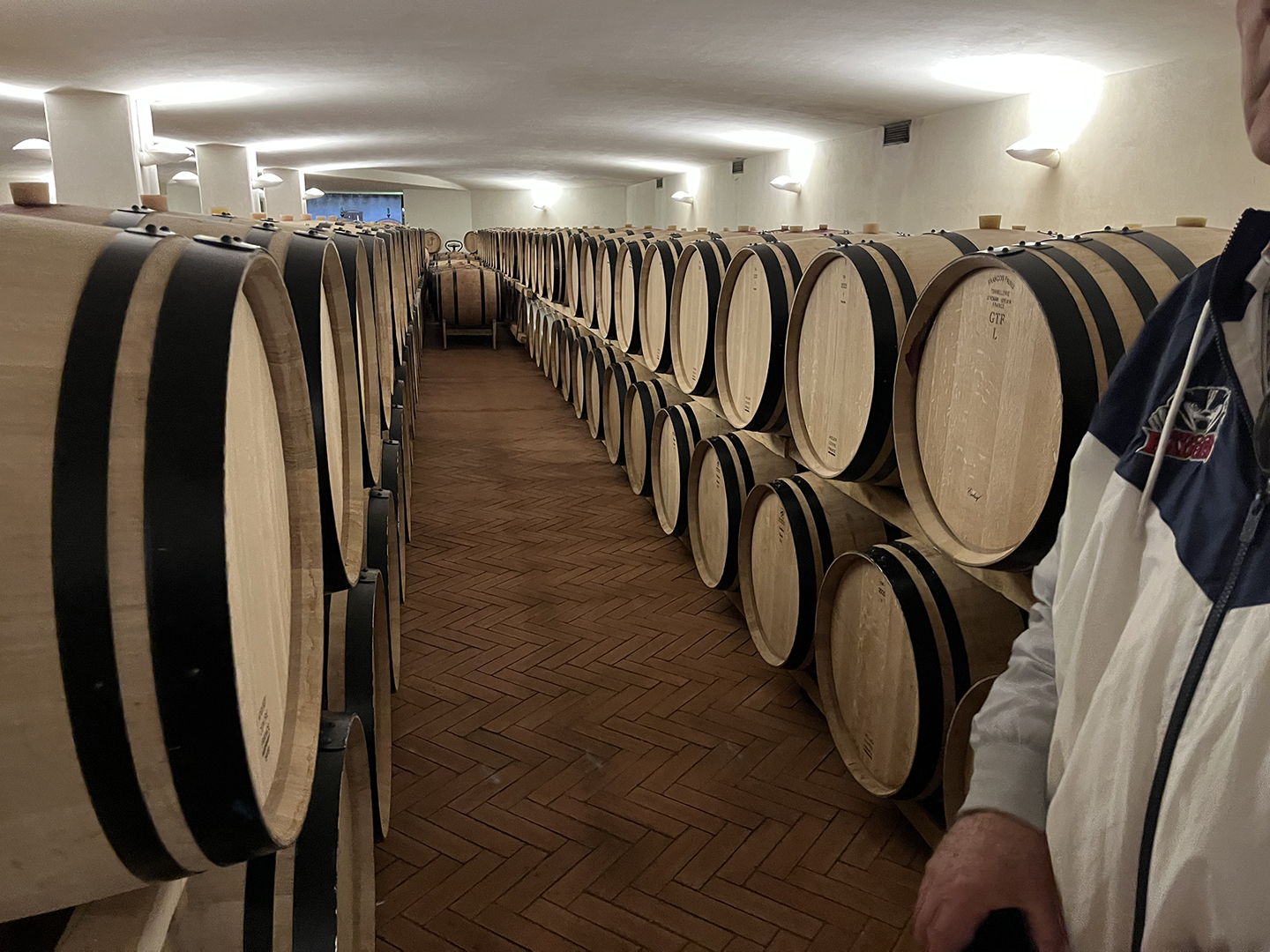
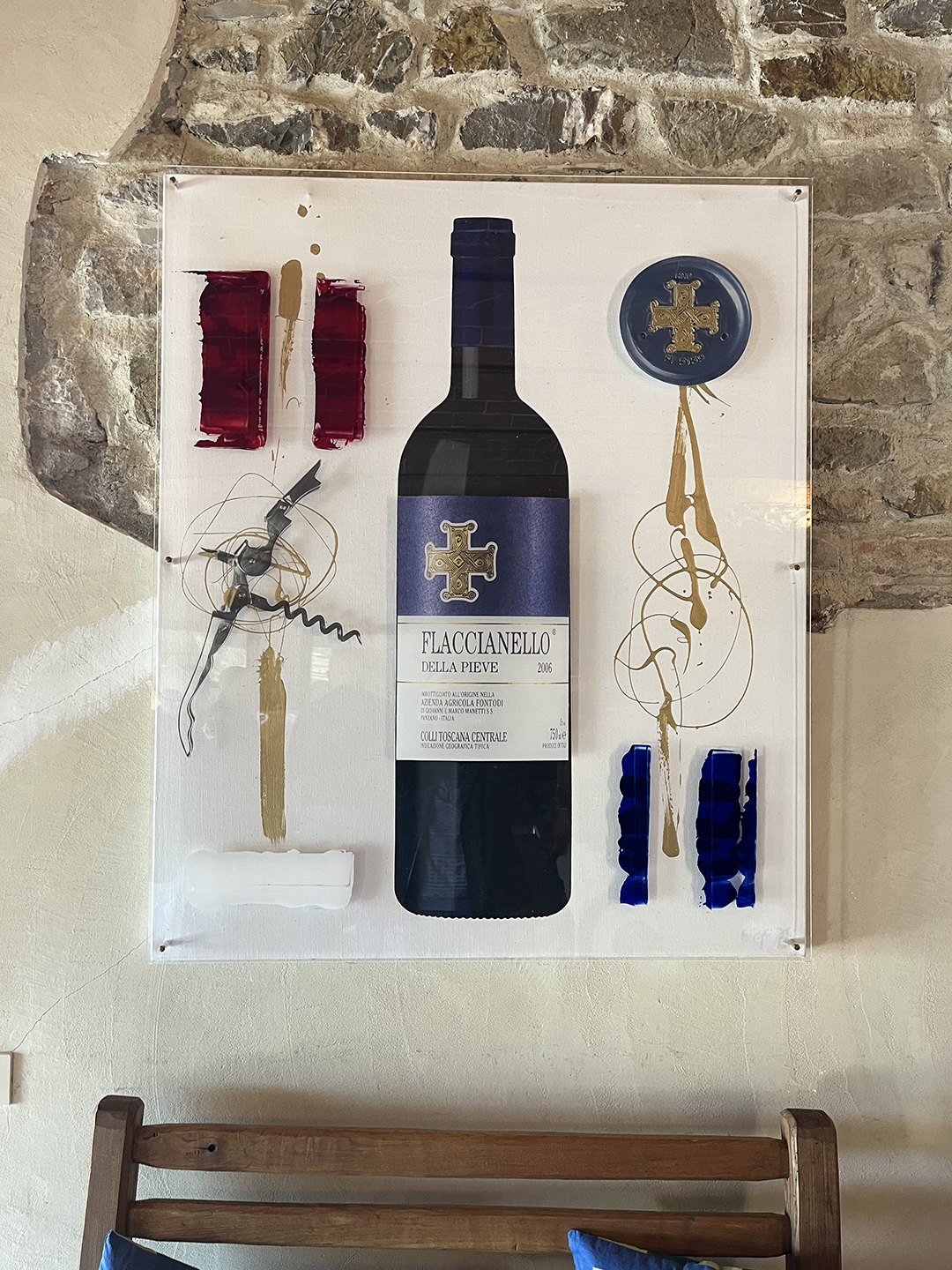
Group 2 headed (40 km) to Fontodi Winery, located in the heart of the Chianti Classico region near the town of Panzano. Owned by the Manetti family since 1968, Fontodi is famous for its “Conca d’Oro” (golden shell) location – a natural amphitheatre that provides optimal sunlight and high-altitude conditions for Sangiovese grapes. Amongst their impressive portfolio of wines is Flaccianello della Pieve, an iconic “Super Tuscan” that is a 100% Sangiovese selection from the estate’s best vineyard plots. Our host for the tour and tasting was owner Margherita Manetti.



After lunch, we bussed to COMO Castello del Nero. This luxurious 5-star, 50-room property is set on a picturesque 12th-century estate of rolling olive groves and vineyards near the town of Tavarnelle Val di Pesa. Our group dined at nearby Osteria di Passignano, a Michelin 1* restaurant owned by the Antinori family.
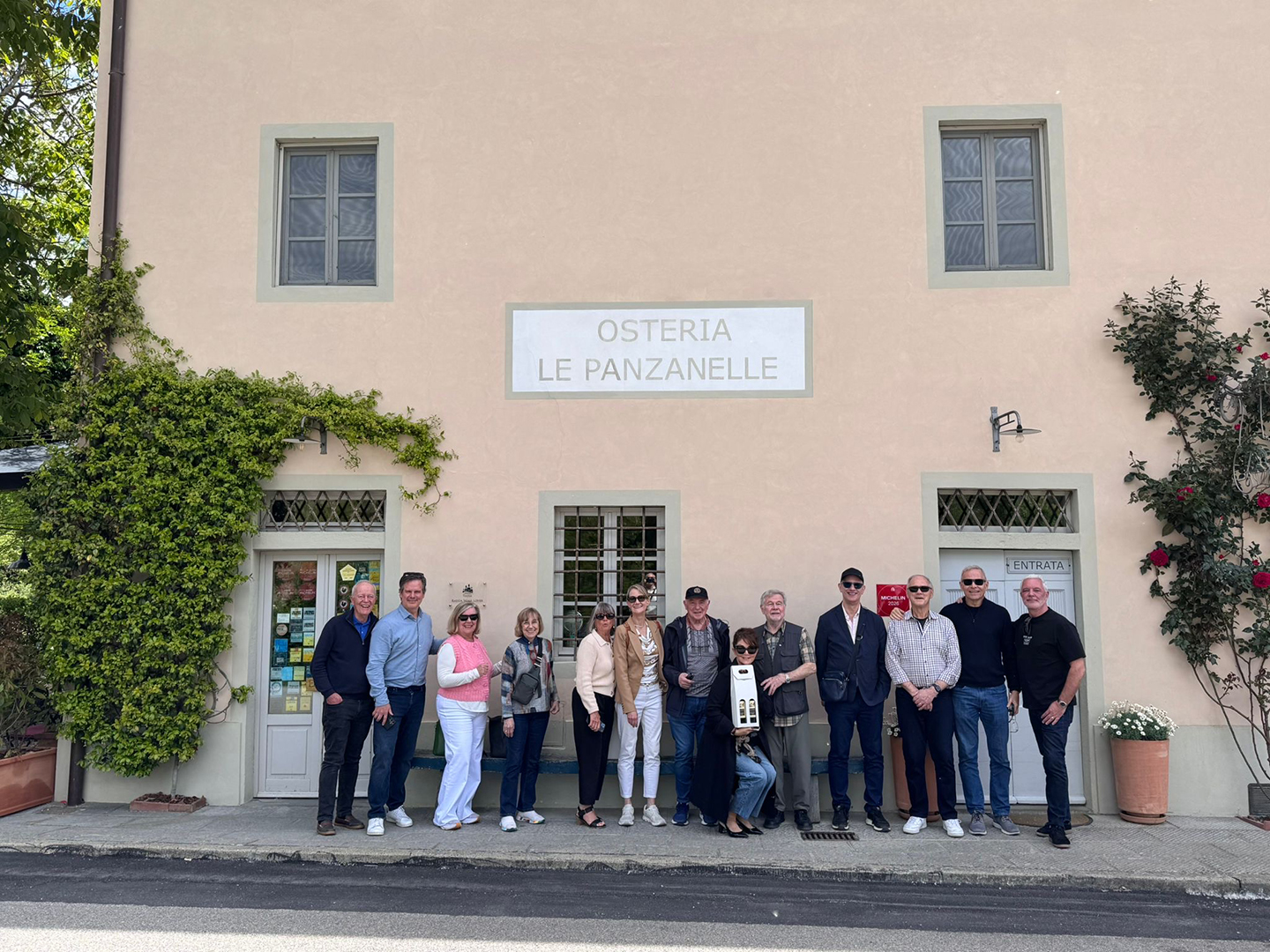
The group!
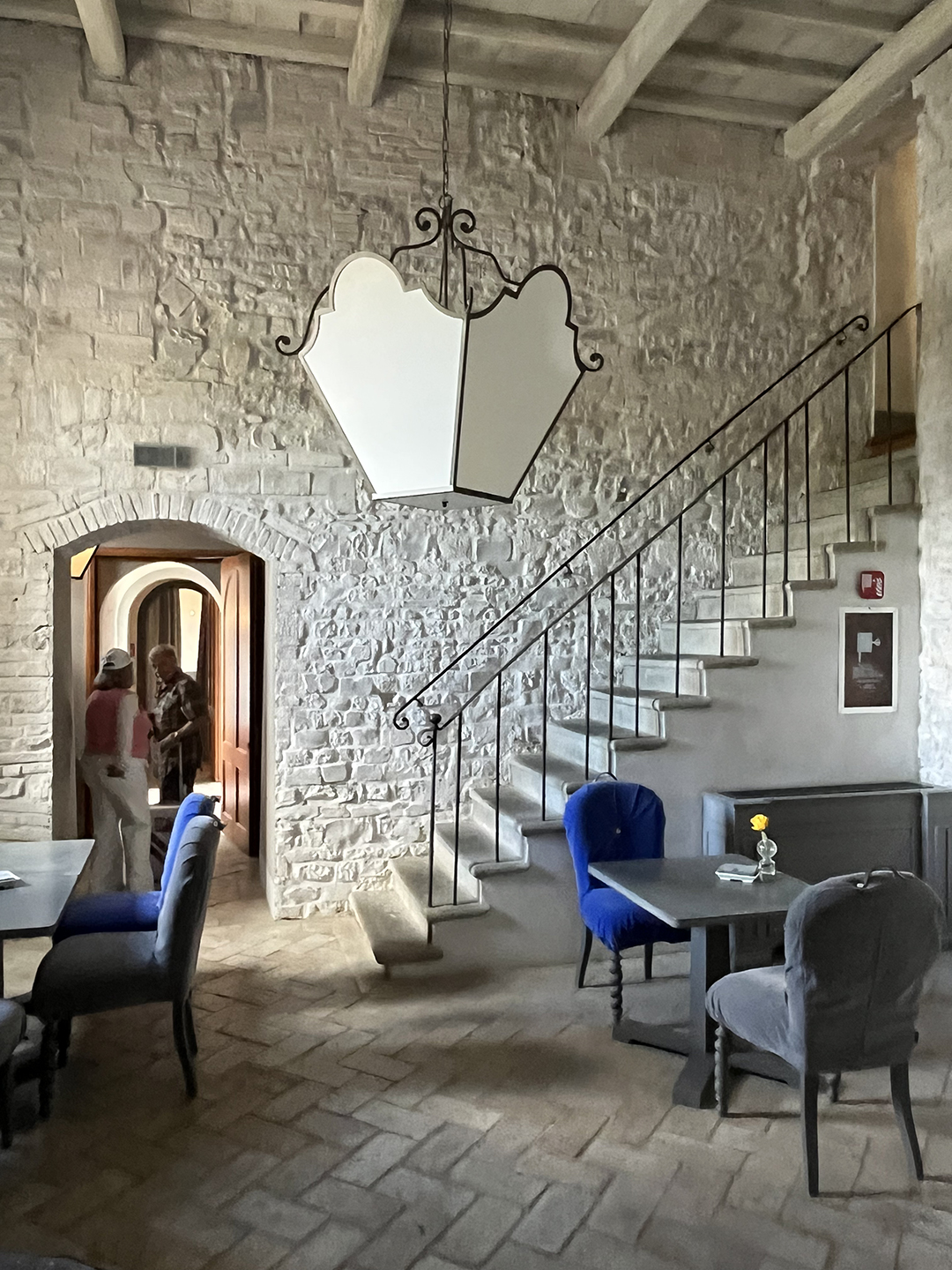
Castello del Nero
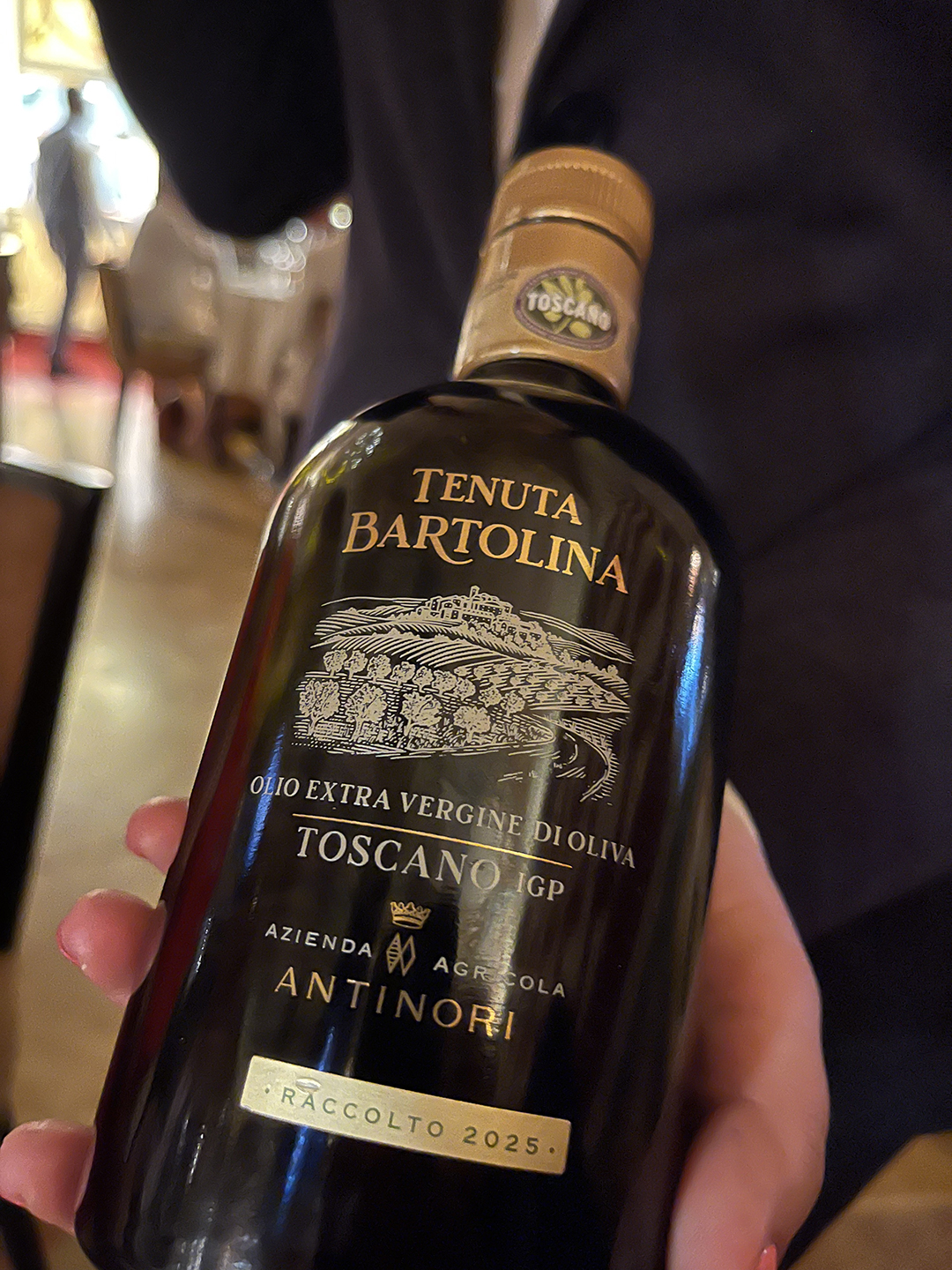
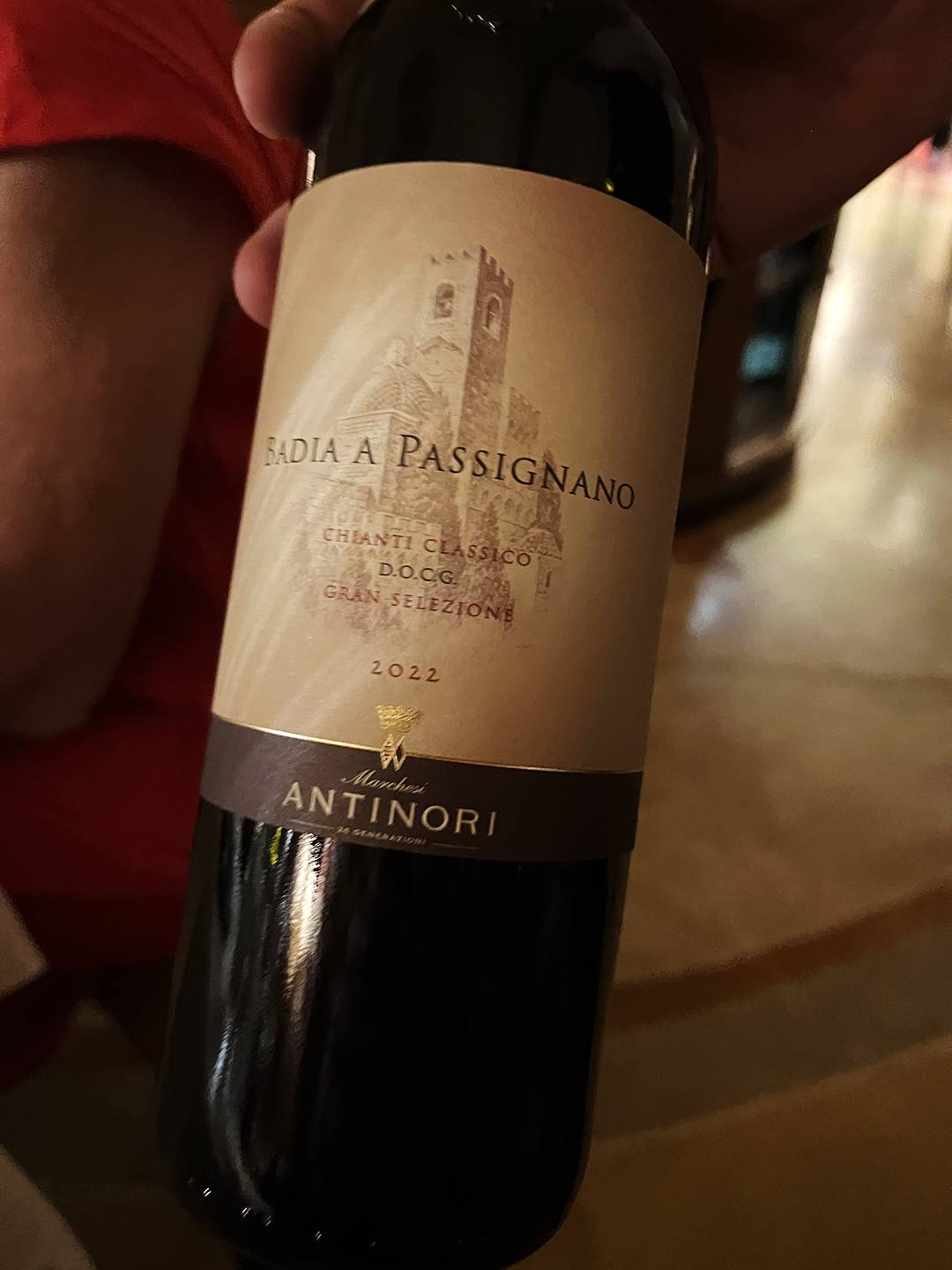
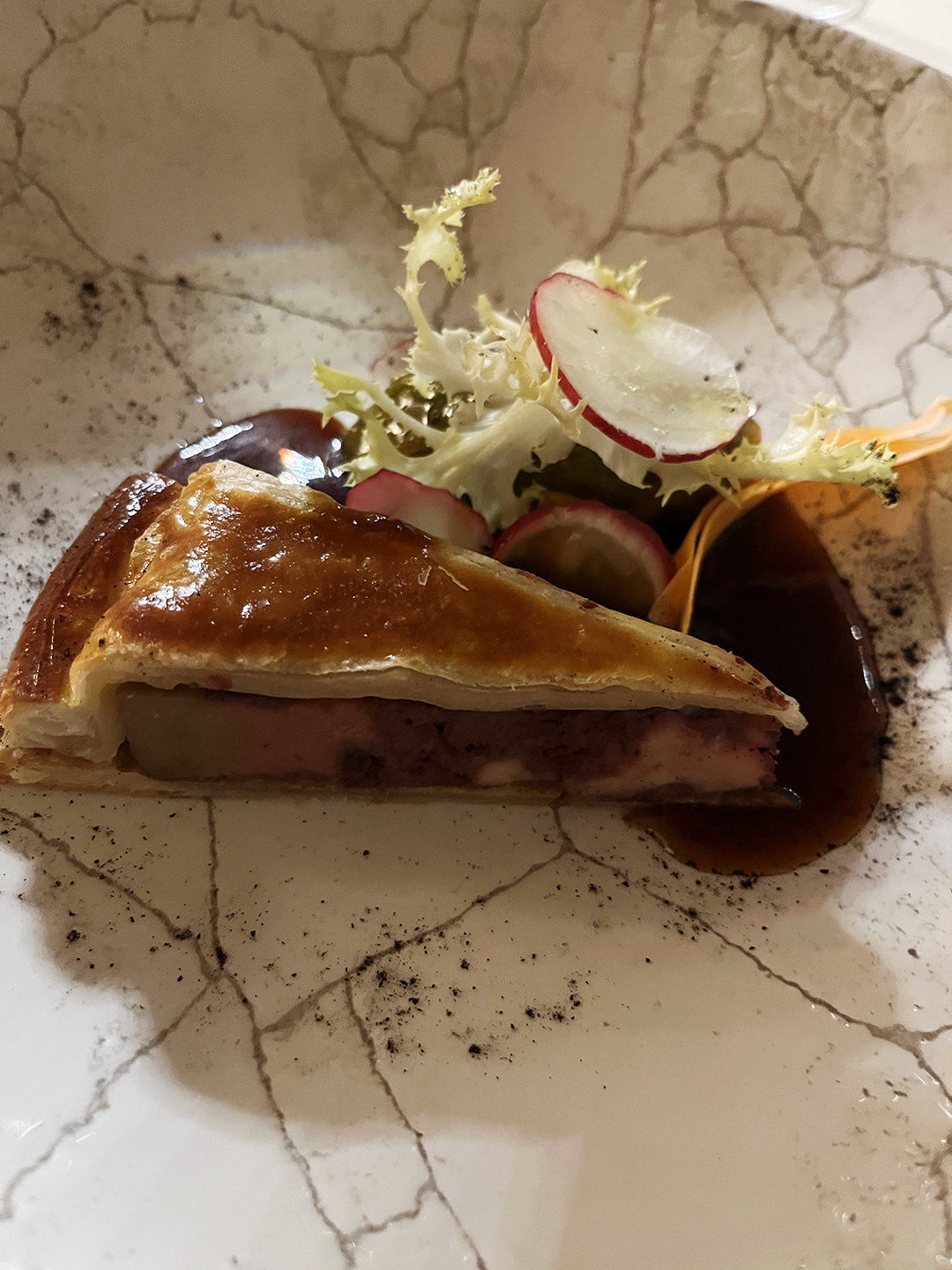
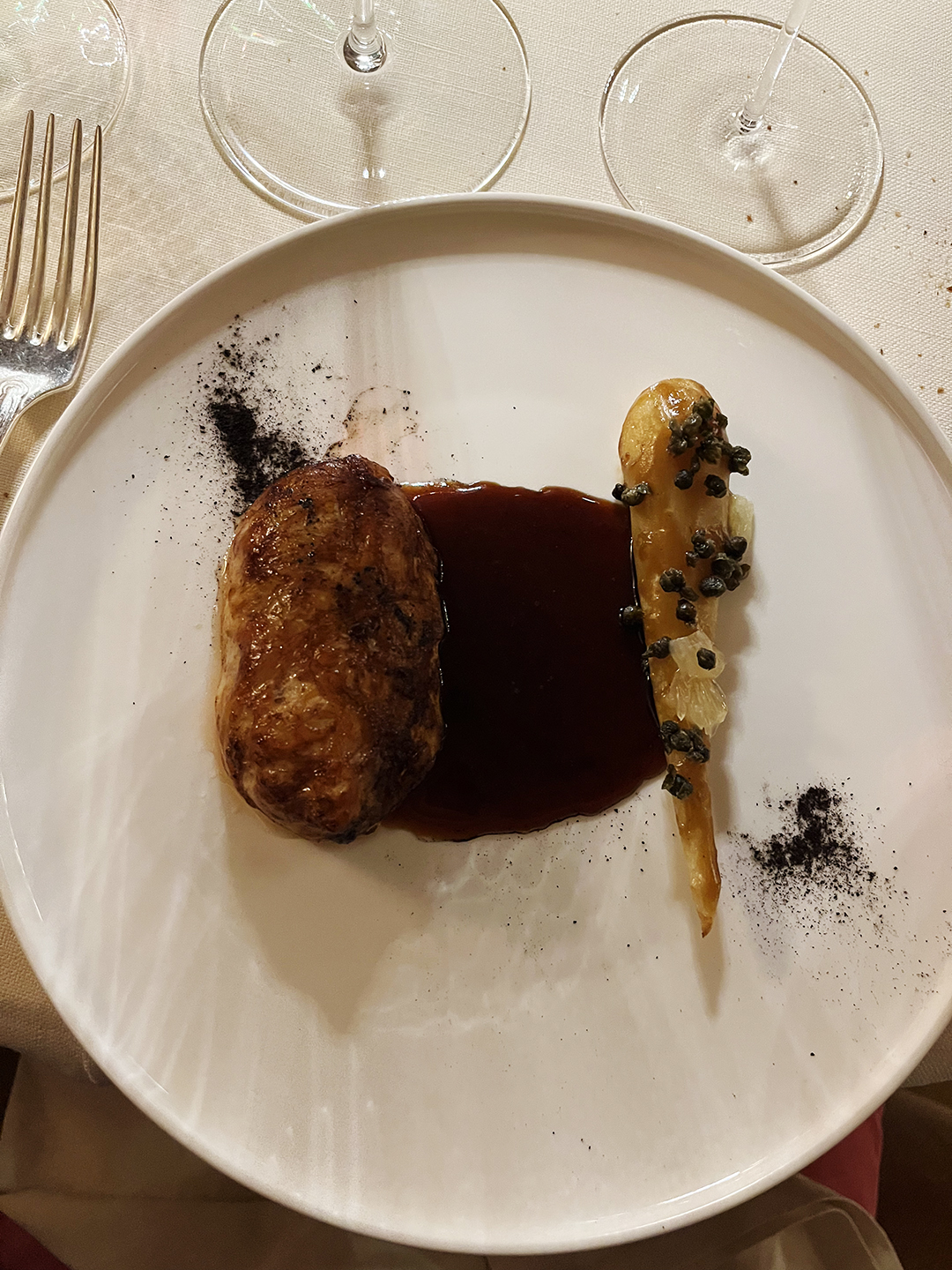
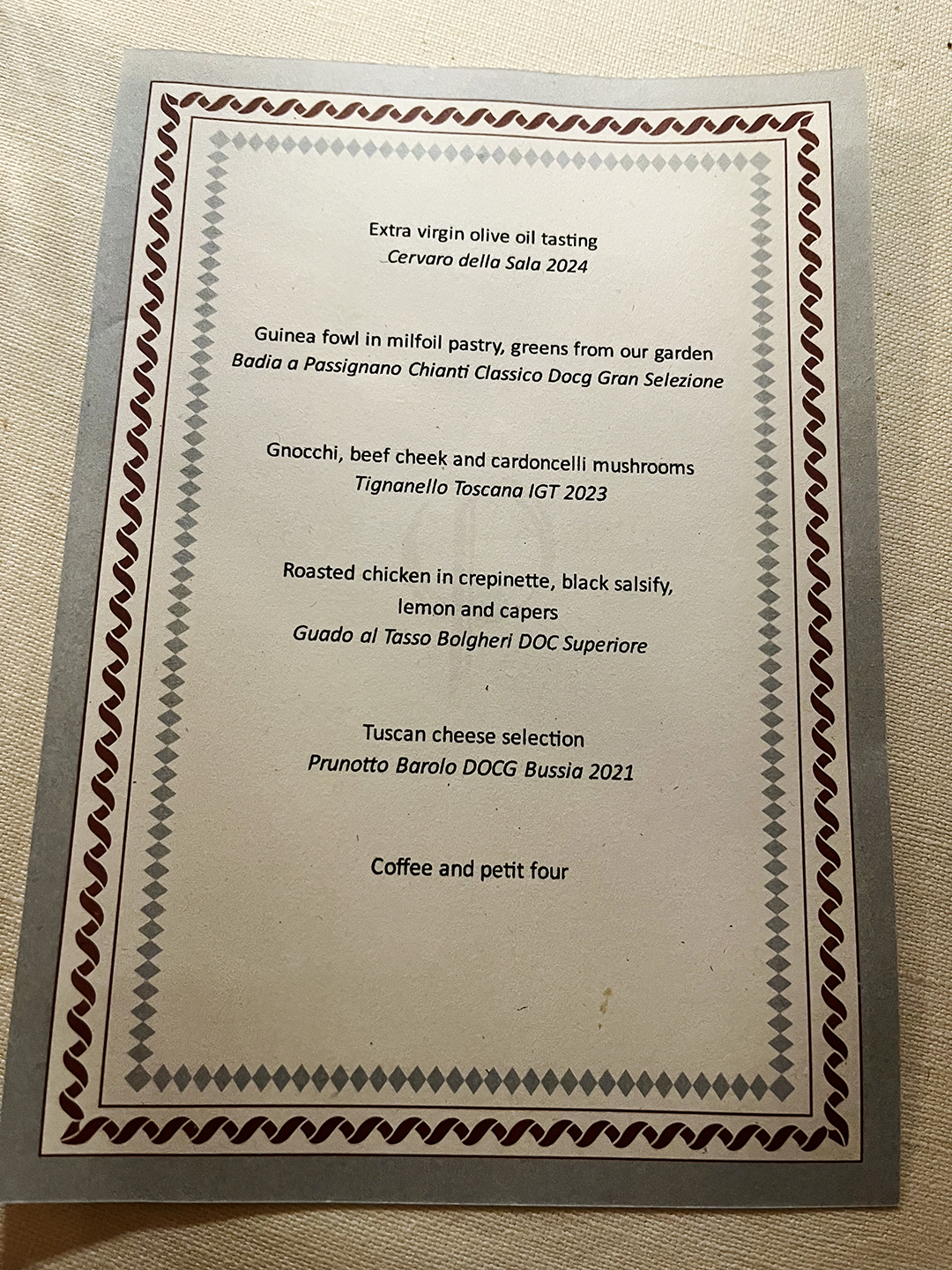
We were greeted at the restaurant by Piero Antinori’s grandson, Vittorio Antinori, who is the first of the 27th generation to be involved in the business. Like the Frescobaldis, they are a Florentine noble family who have been making wine for over 600 years. Amongst their claims to wine fame, it was current head of the dynasty Piero Antinori who 50 years ago launched Tignanello (80% Sangiovese, 20% Cabernet Sauvignon), defiantly challenging the stifling rules of the DOC at the time and ushering in the era of “Super Tuscan” wines. Following a brief tour of adjacent Badia di Passignano, a Benedictine abbey with an impressive history (and it still has live-in monks!), we enjoyed an exceptional VIP dinner featuring benchmark wines from the various Antinori estates.

Aperitif before dinner
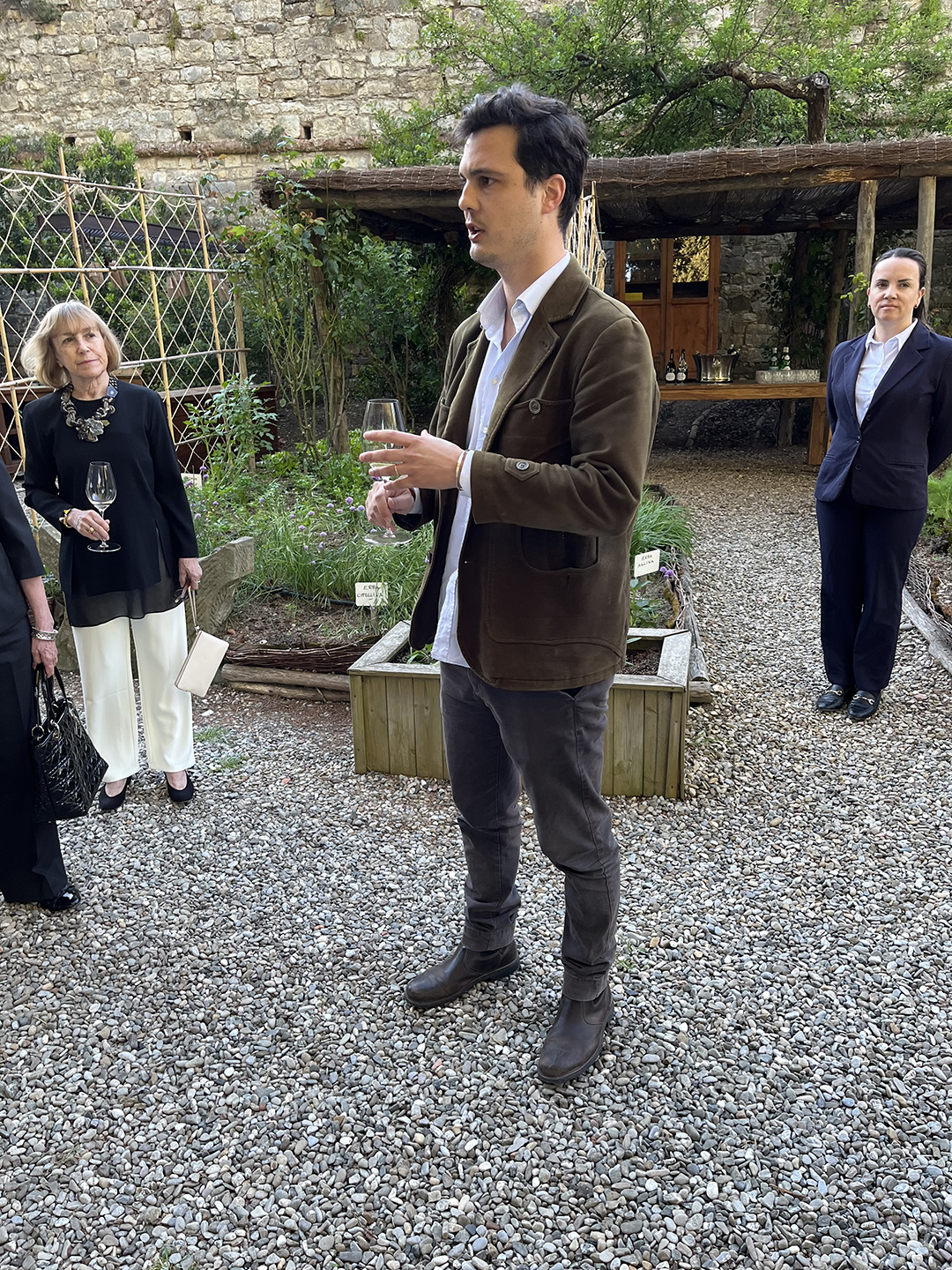
Vittorio Antinori








Friday, May 8th: Mid-morning tour and tasting visit at Castello di Ama winery (30 km) in the Gaiole commune. This estate was rediscovered in the 1970s by four Roman families who have invested significantly in the 115-hectare property, which features an extensive contemporary art collection dotting the property with works from artists such as Michelangelo Pistoletto, Daniel Buren and Anish Kapoor. The vineyards are spread across four valleys, each within a 1.5 km radius of the winery and all between 420 and 530 metres above sea level, a high elevation for the region, which is reflected in the freshness and finesse of the wines. We enjoyed a lavish lunch at the estate’s excellent restaurant while enjoying a range of the exceptional Castello di Ama wines. In the late afternoon we returned to the hotel. In the evening we enjoyed a special family-style dinner set amidst the olive grove on our hotel grounds. The barbecue featured locally sourced ingredients including the famed bistecca Fiorentina as well as live music.
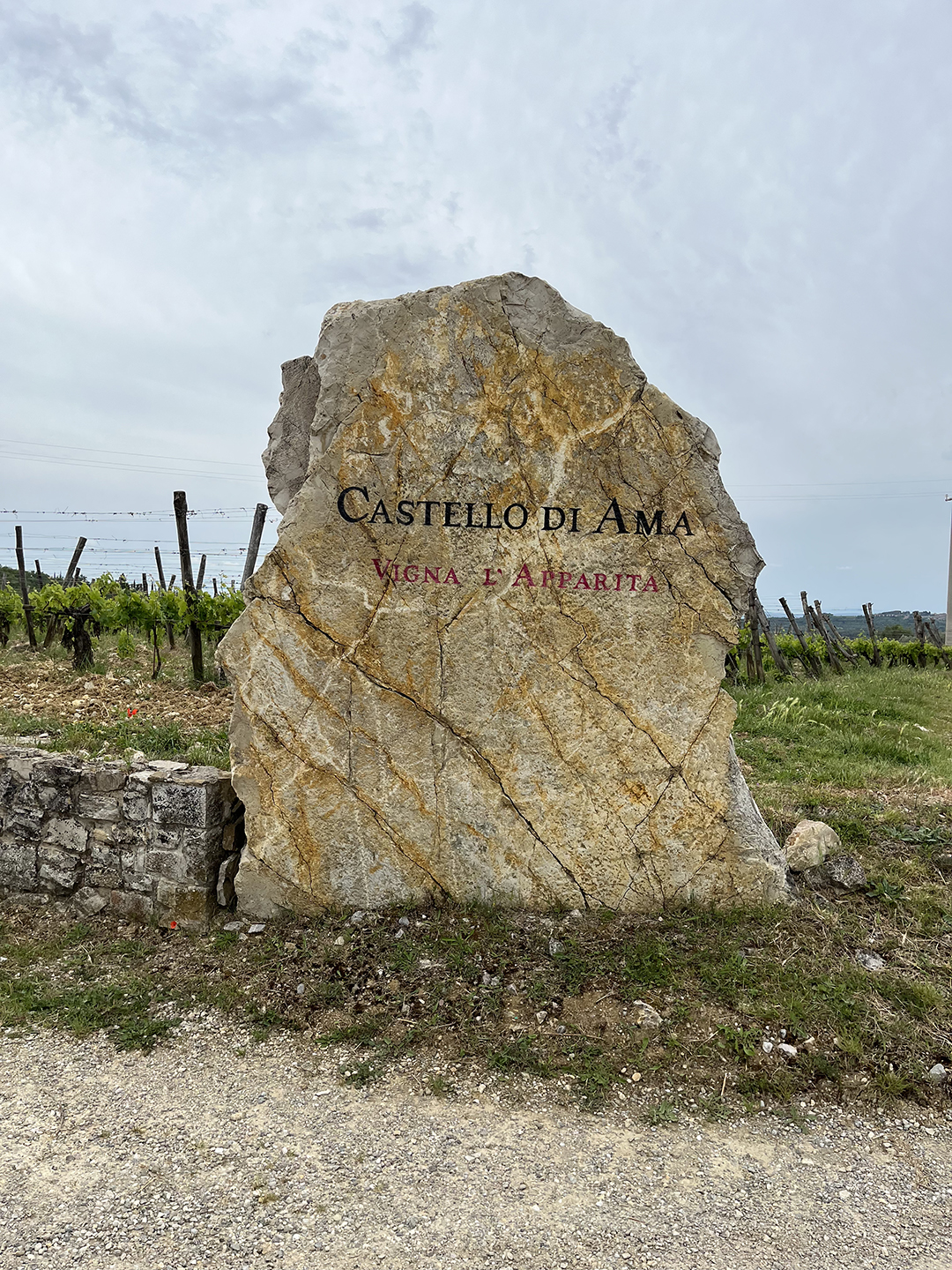

Lorenza Sebastiani, owner of Castello di Ama
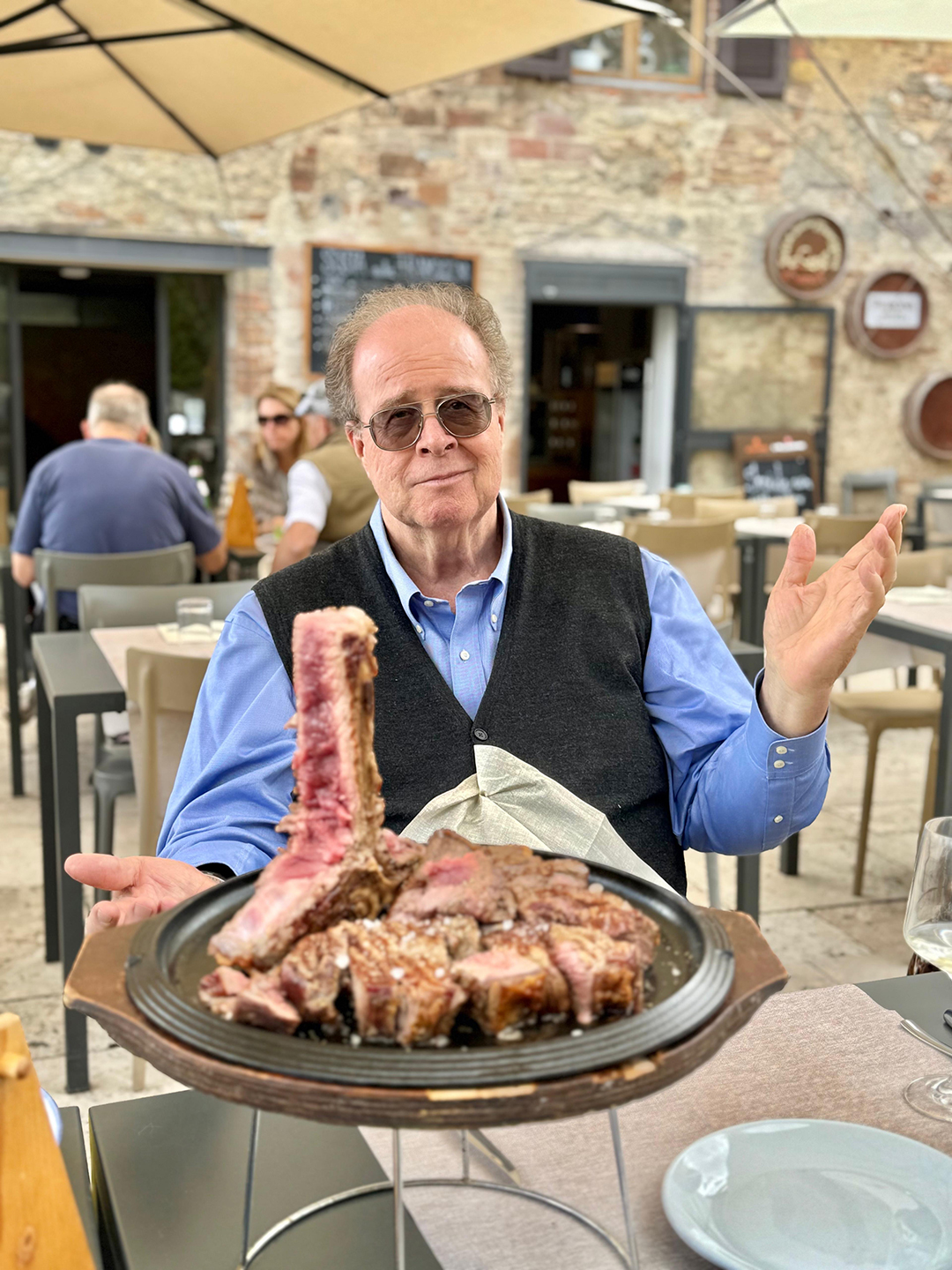
John enjoying bistecca Fiorentina
Saturday, May 9th: As we had two buses on hand (given the smaller roads in the area), tour members had the option of an earlier 9 am departure to visit the market in the town of Greve for an hour or so in the morning. Others opted to relax and enjoy the hotel grounds and services before our noon tasting tour at Castello di Volpaia (30 km), where we were hosted by my friend, owner Giovanna Stianti. Volpaia is amongst the top wine producers in the Radda commune of the Chianti Classico district and is a reference point for the structured style typical of Radda wines. Its CC Riserva 2015 was ranked #3 in Wine Spectator’s Top 100 Wines of 2018 and its Gran Selezione wines Coltassala (95% Sangiovese and 5% Mammolo) and Il Puro (100% Sangiovese) routinely receive rave reviews from critics and collectors. Not simply a castle, Castello di Volpaia is its own fully preserved medieval fortified village dating from the 11th–12th centuries, which the Stianti family meticulously restored in the 1970s.
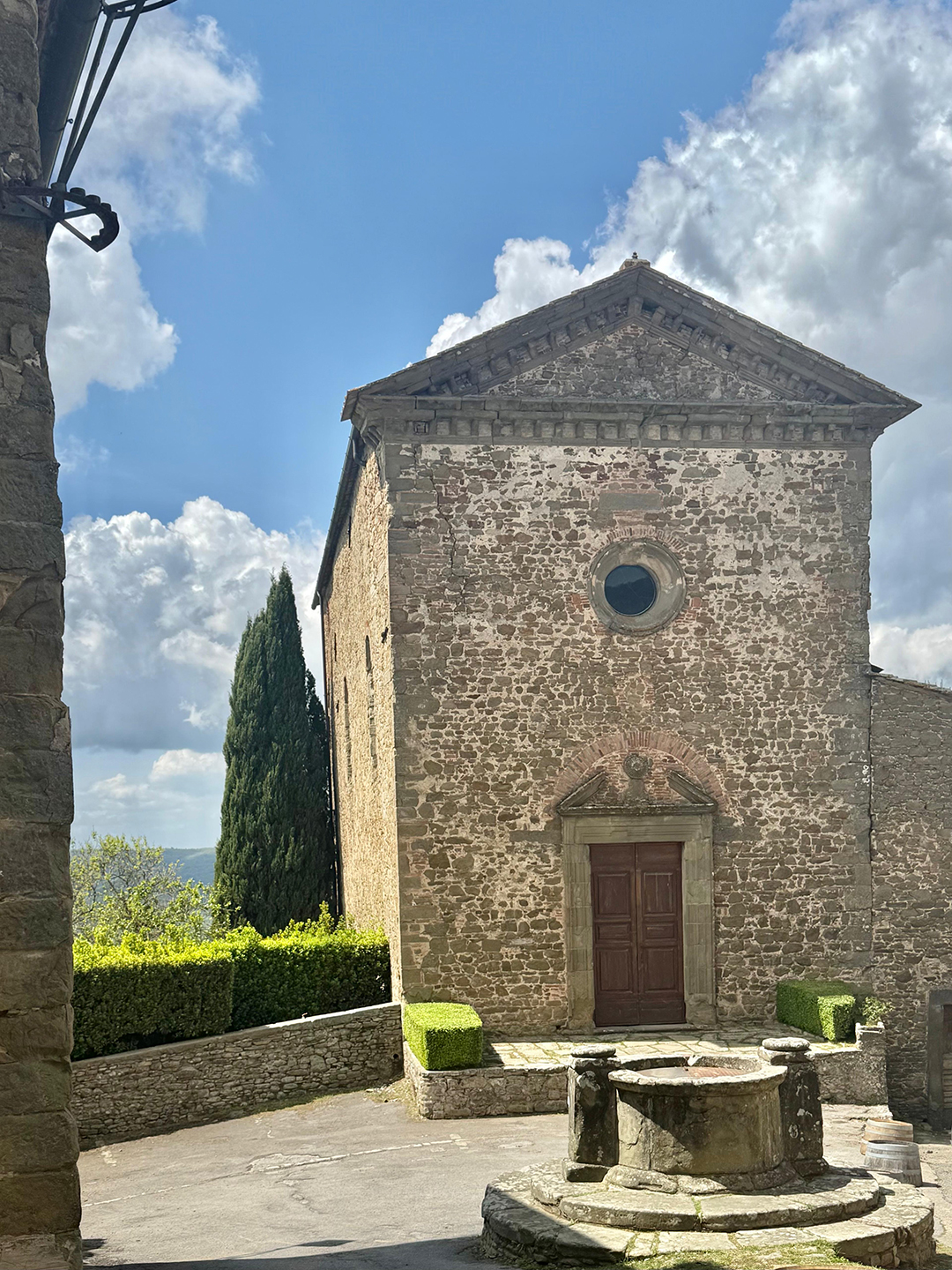
The church in Castello di Volpaia houses part of the winery

The underground piping that transfers wine to the various fermentation and aging facilities in the village

The group in Volpaia’s cellar
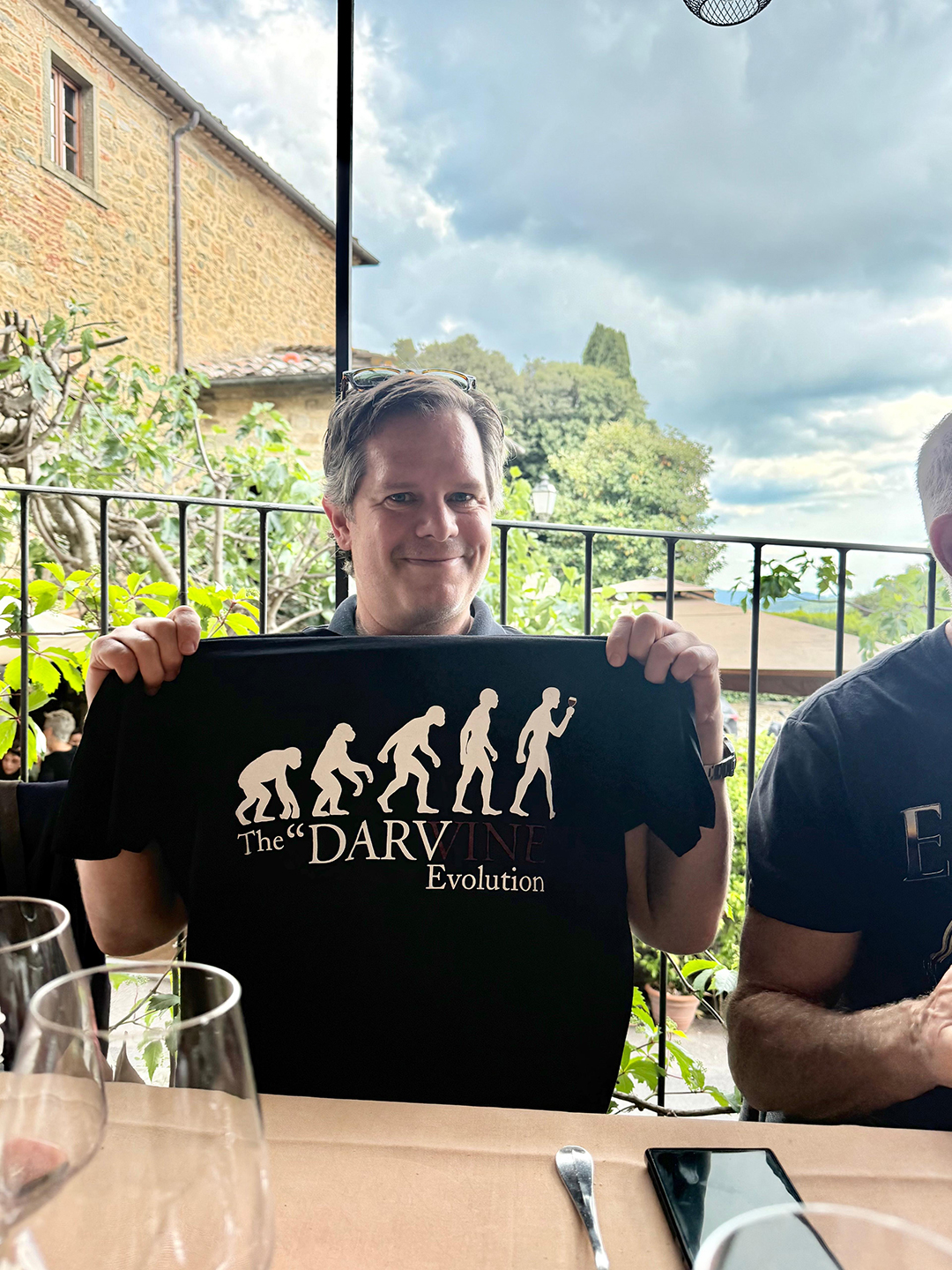

Giovanna Stanti, owner of Volpaia

Key to the cellar at Volpaia
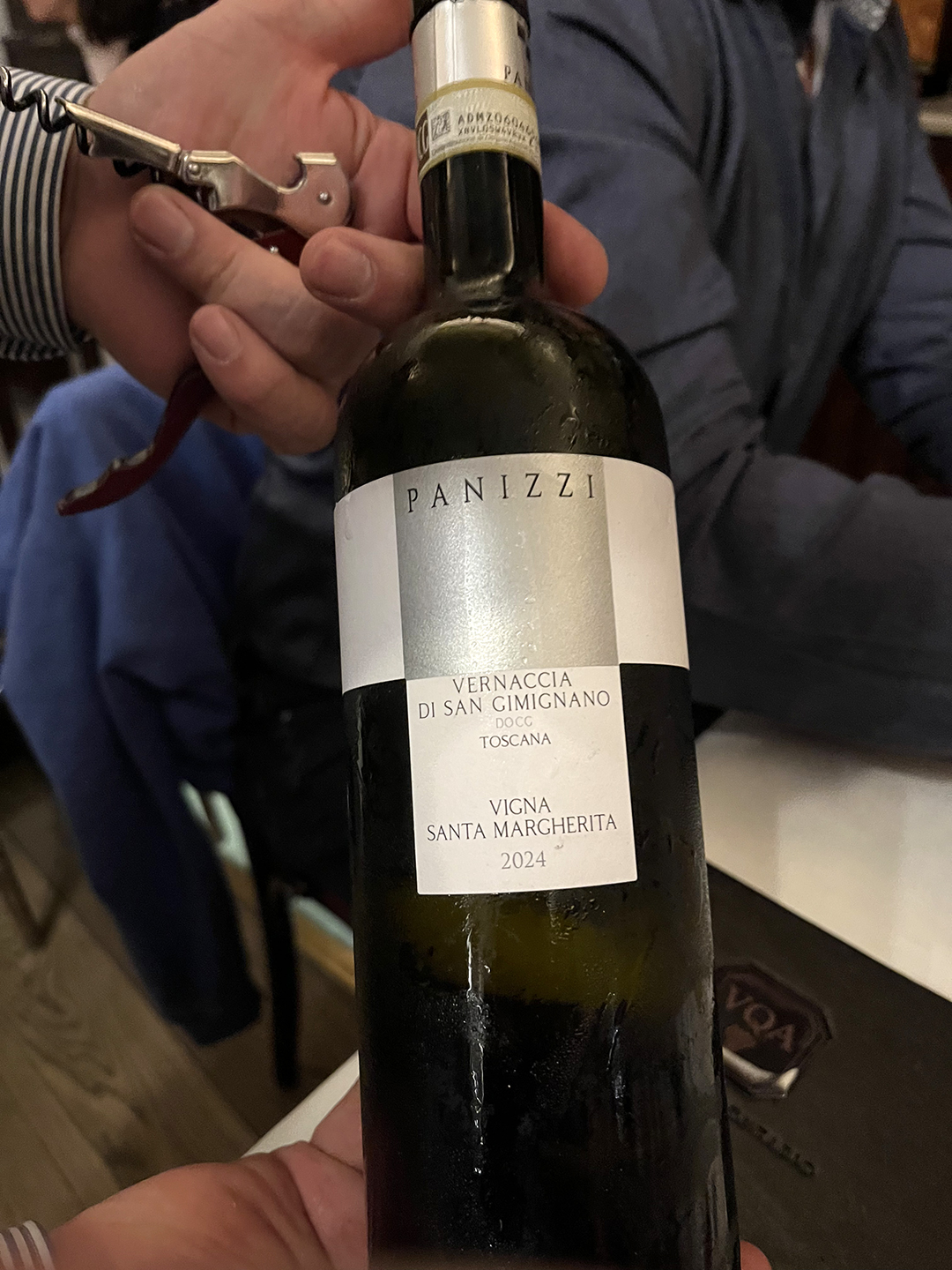
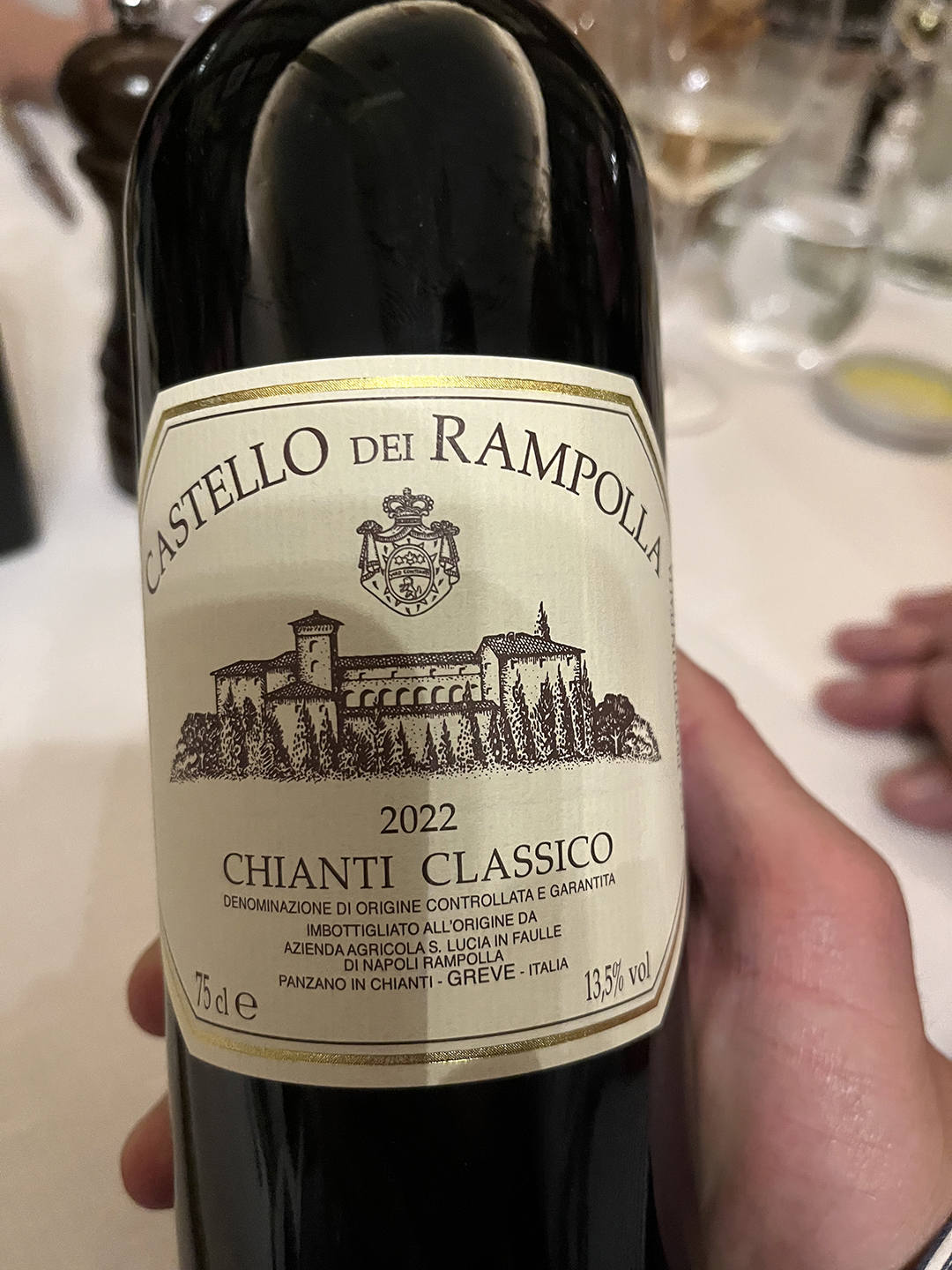
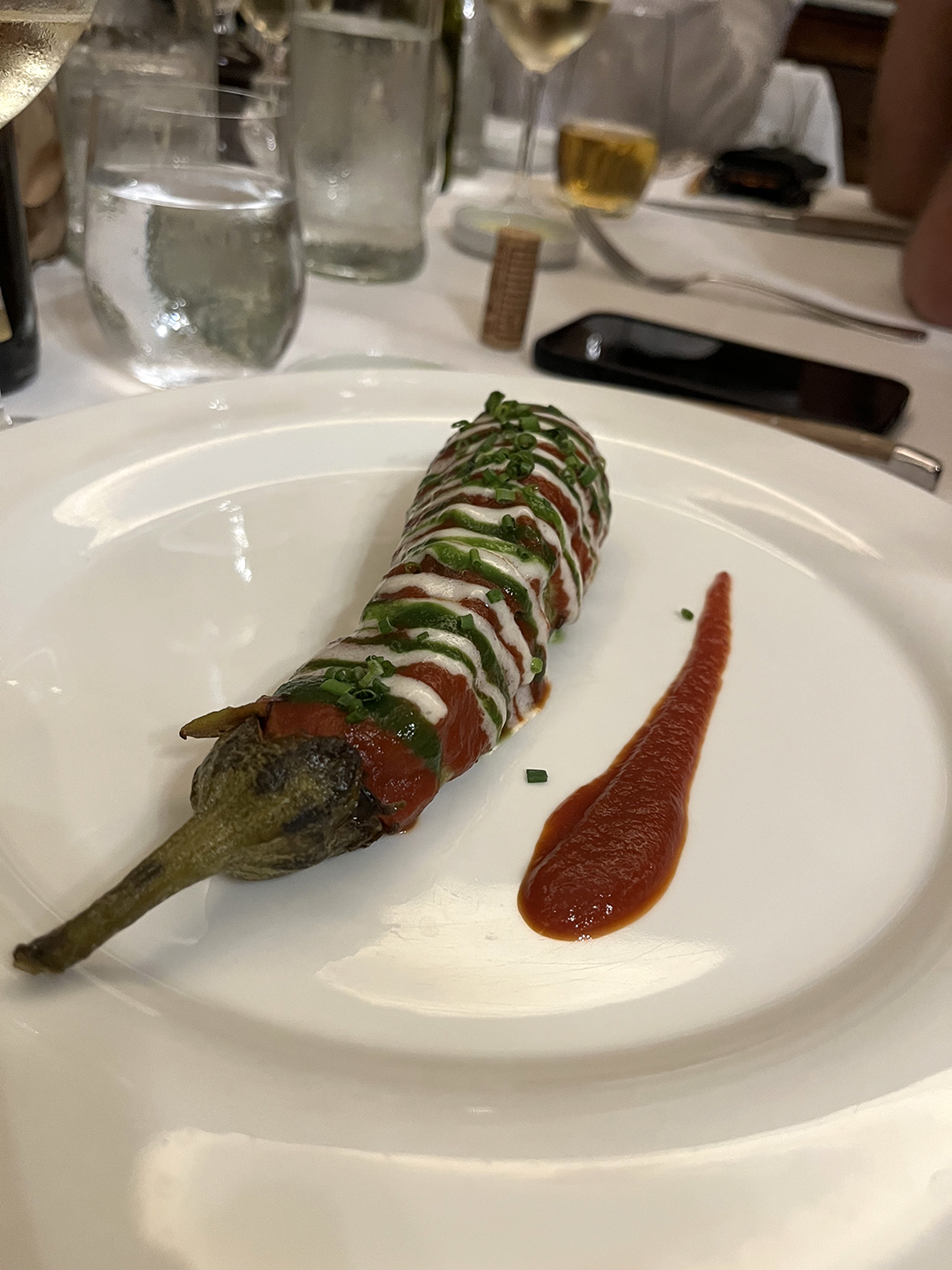
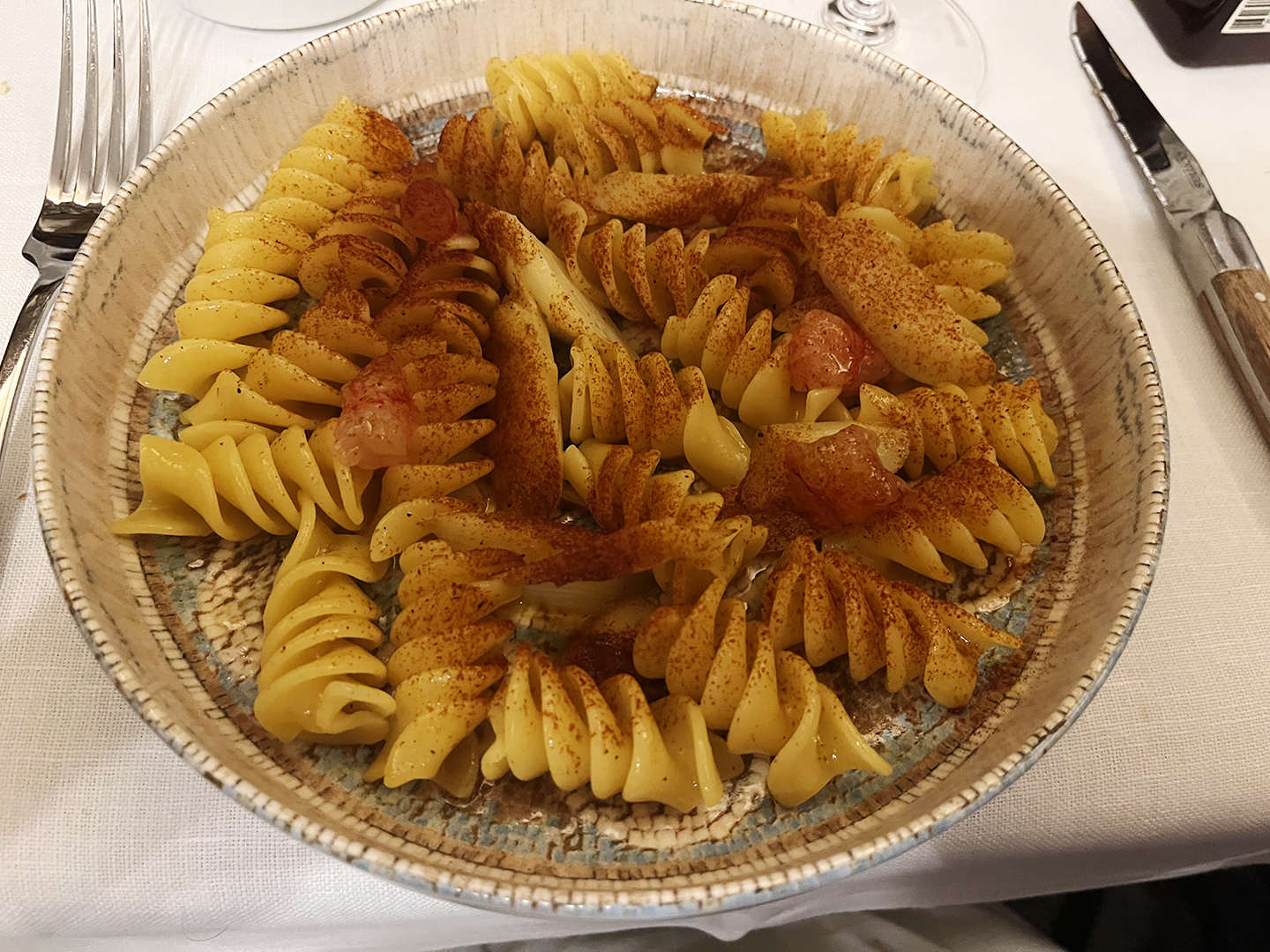
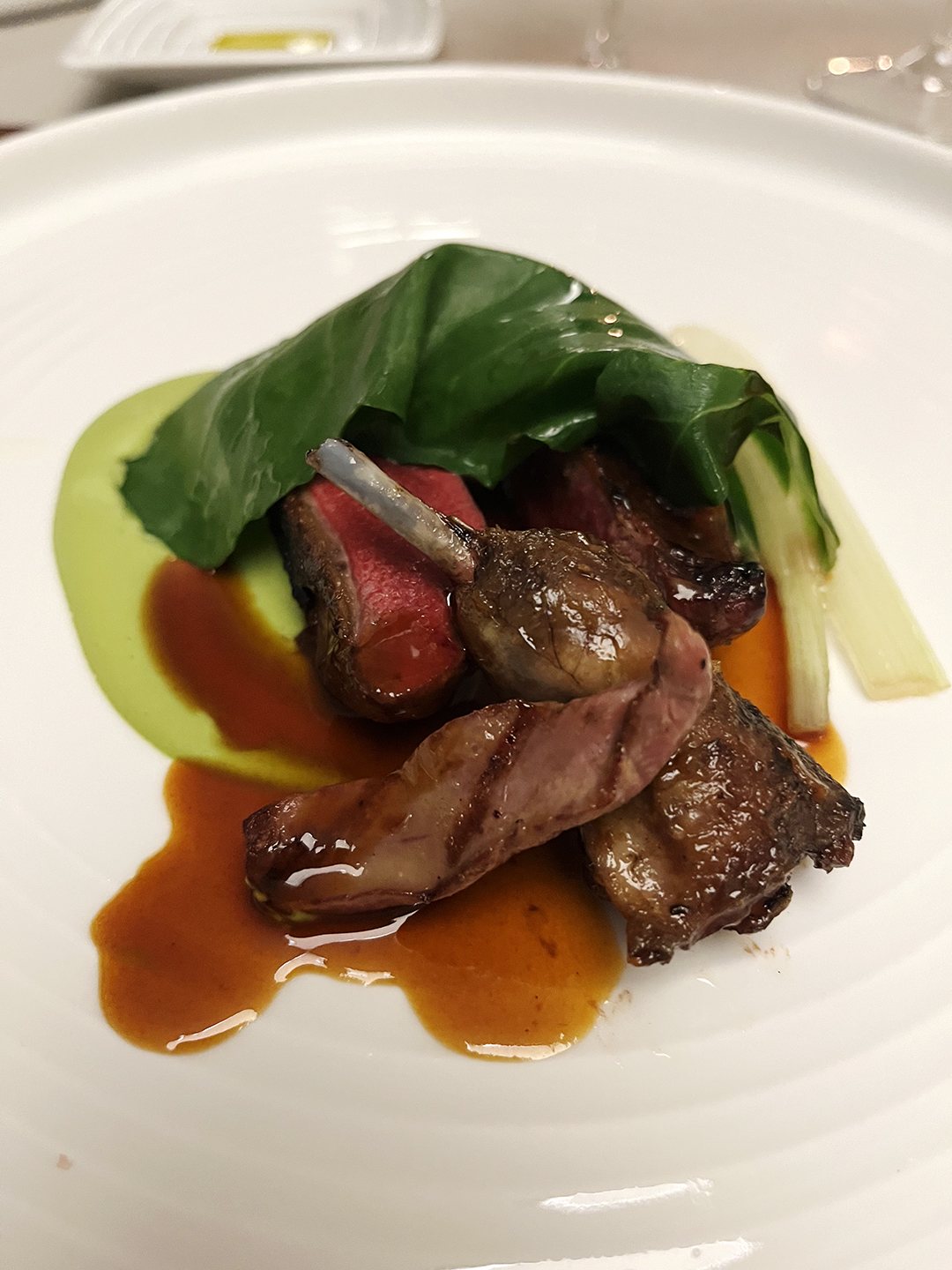
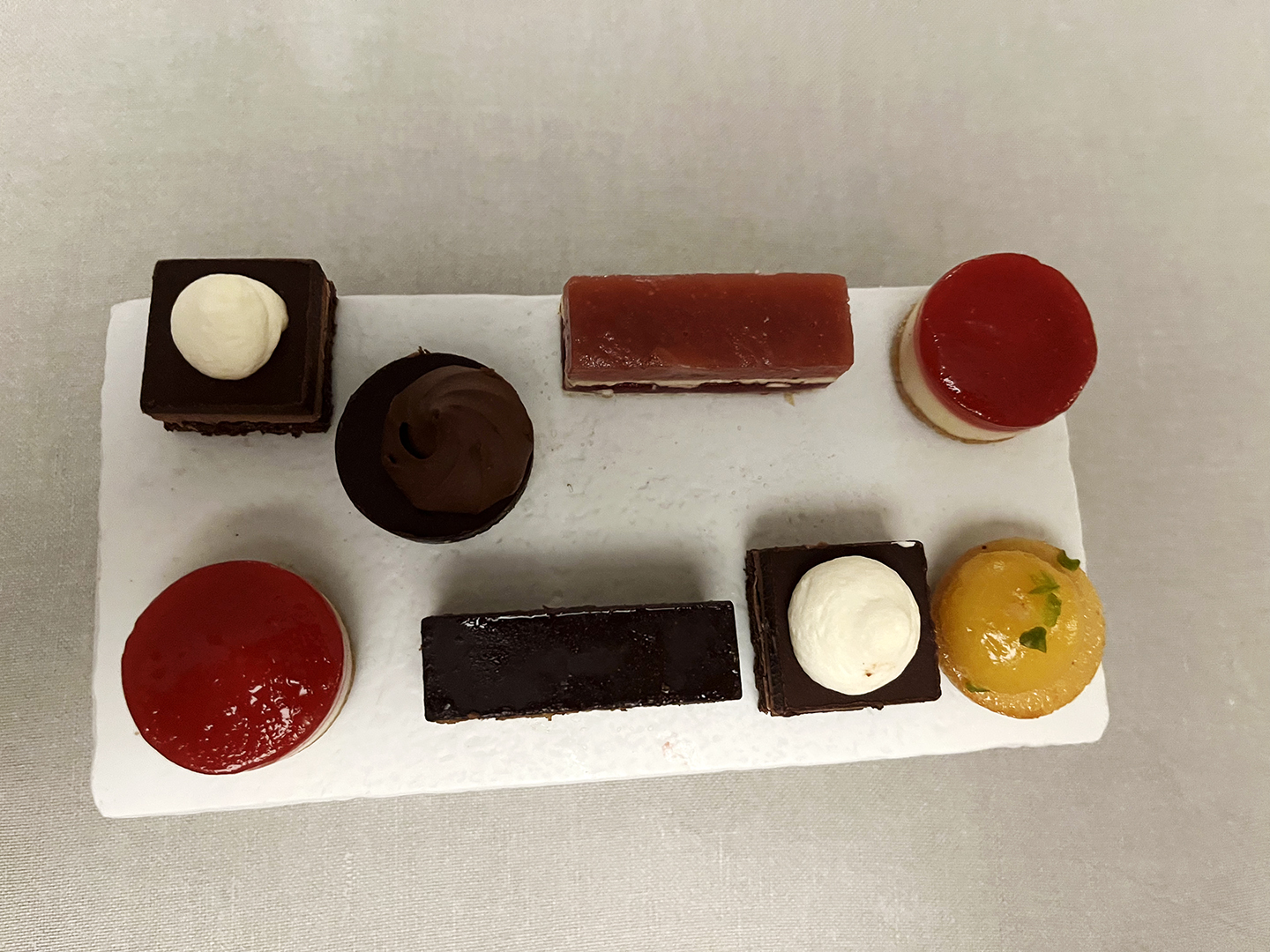
Our group lunch was at Osteria Volpaia. In the late afternoon we returned to the hotel. Our farewell dinner this evening was at our hotel’s own Michelin starred restaurant Il Torre.
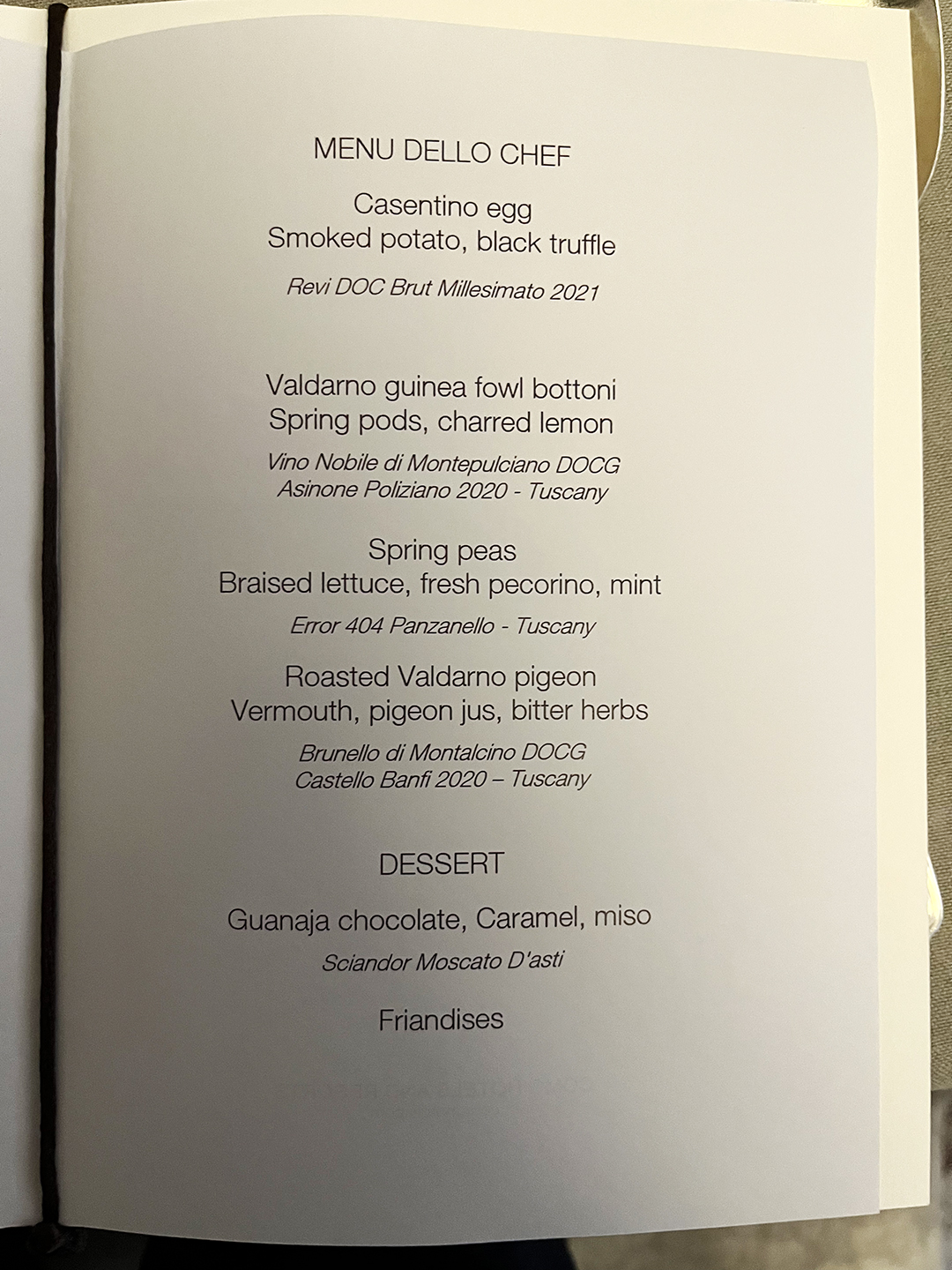
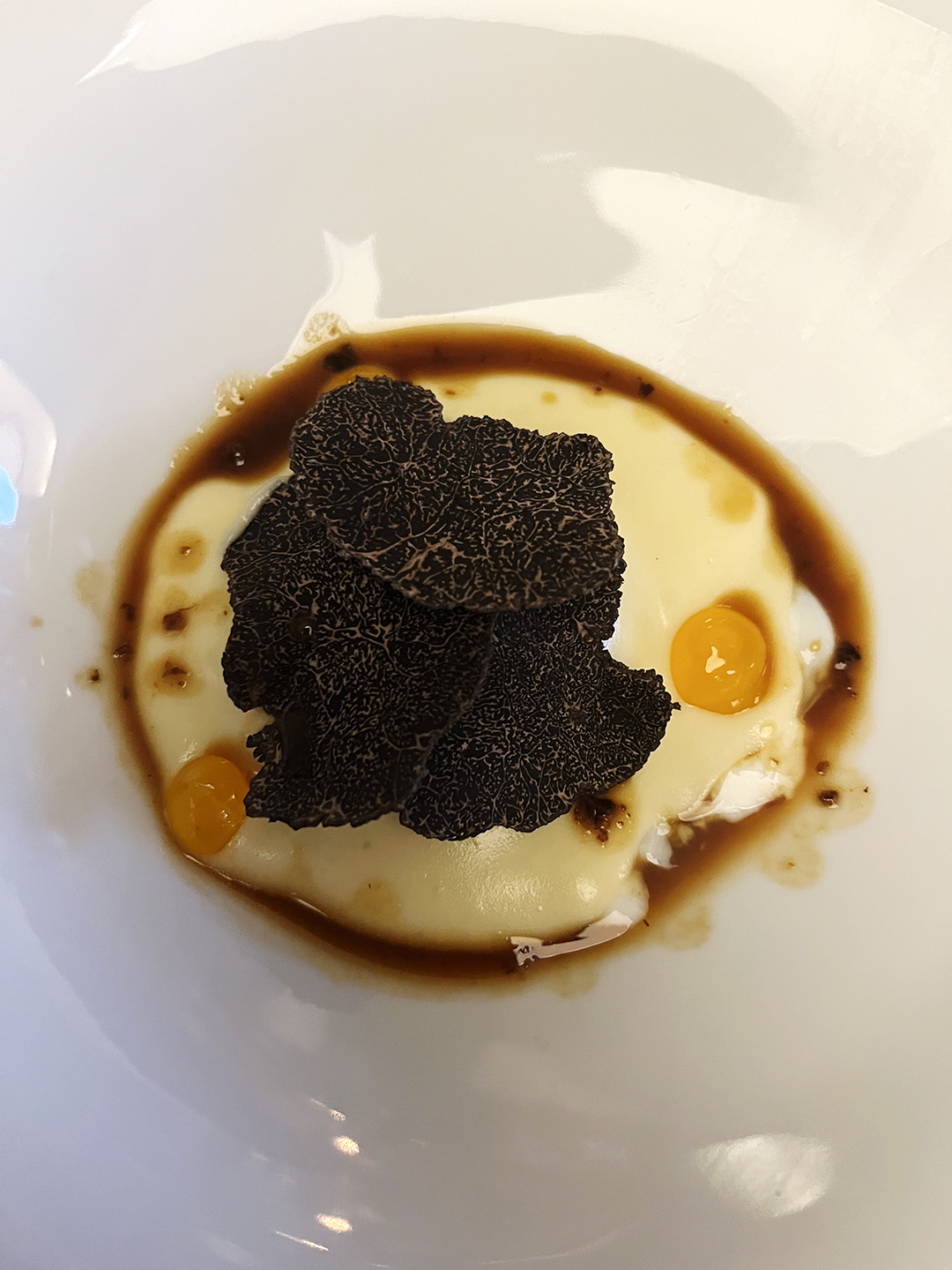
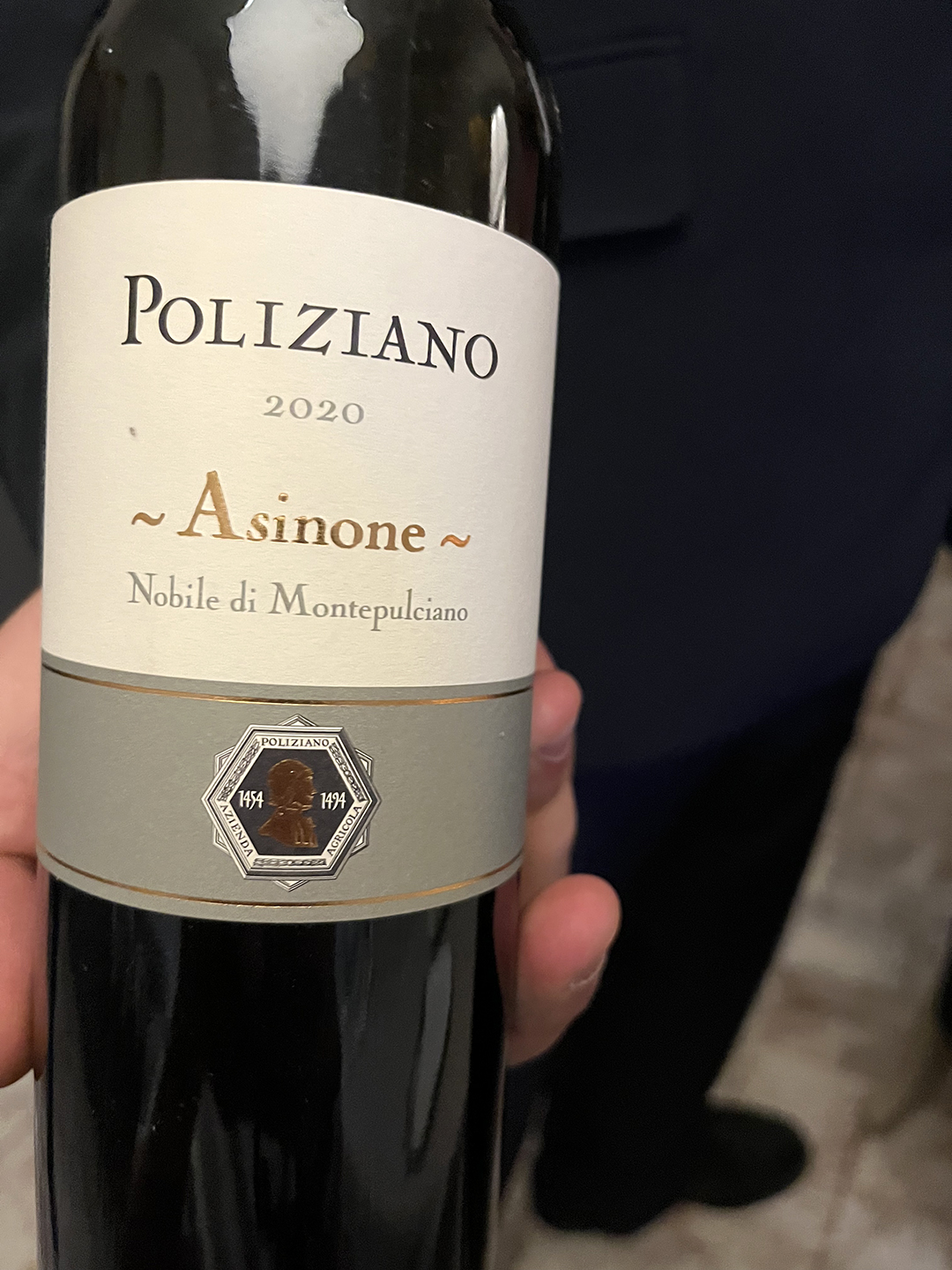




Sunday, May 10th: Early AM departure from the hotel to Florence airport.