


Our private outdoor space at Hotel Mas d’en Bruno
Saturday, May 17th: Deborah and I took an overnight flight to London on British Airways. We are staying at the house of an old friend in Kentish Town.
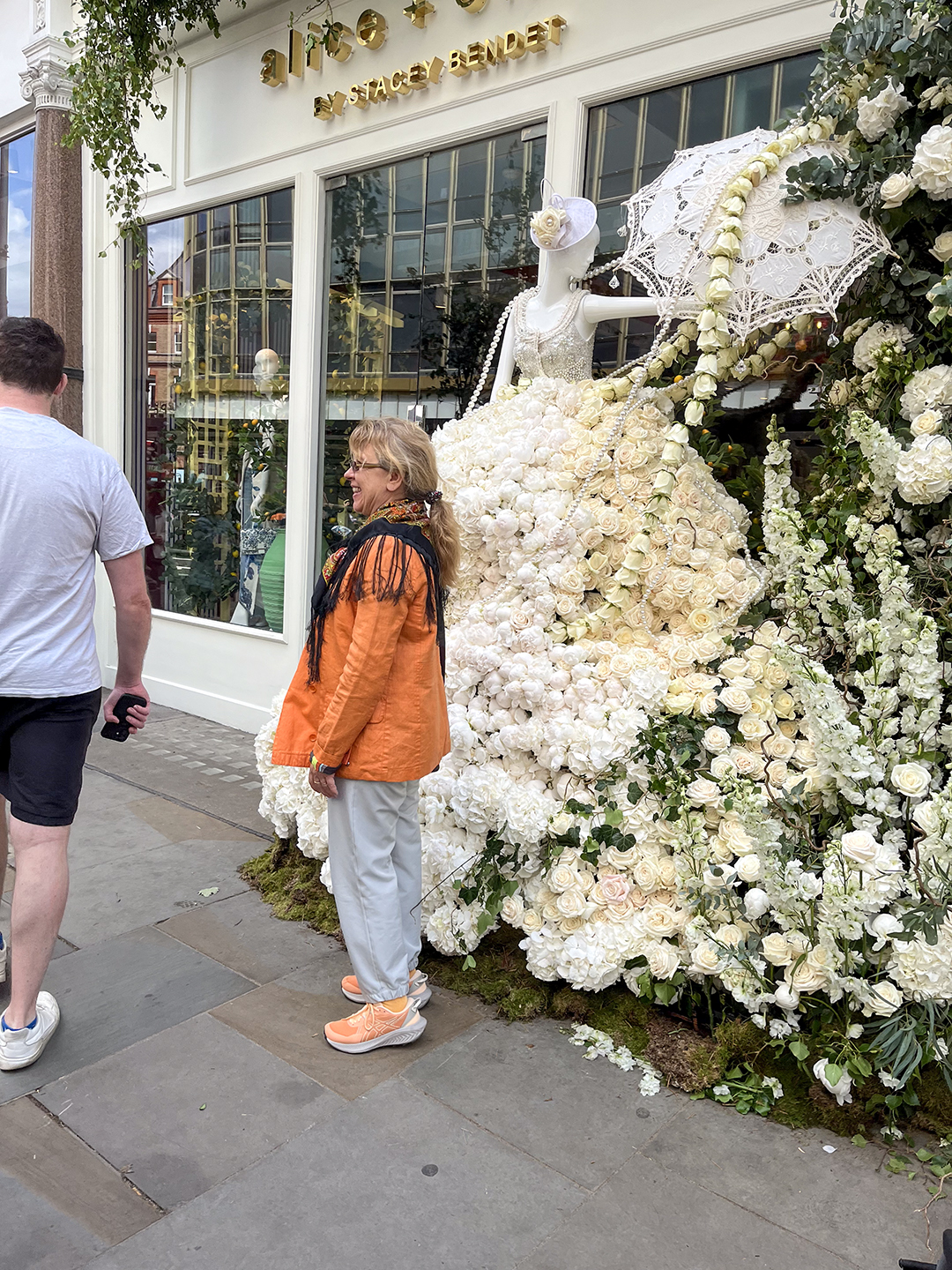
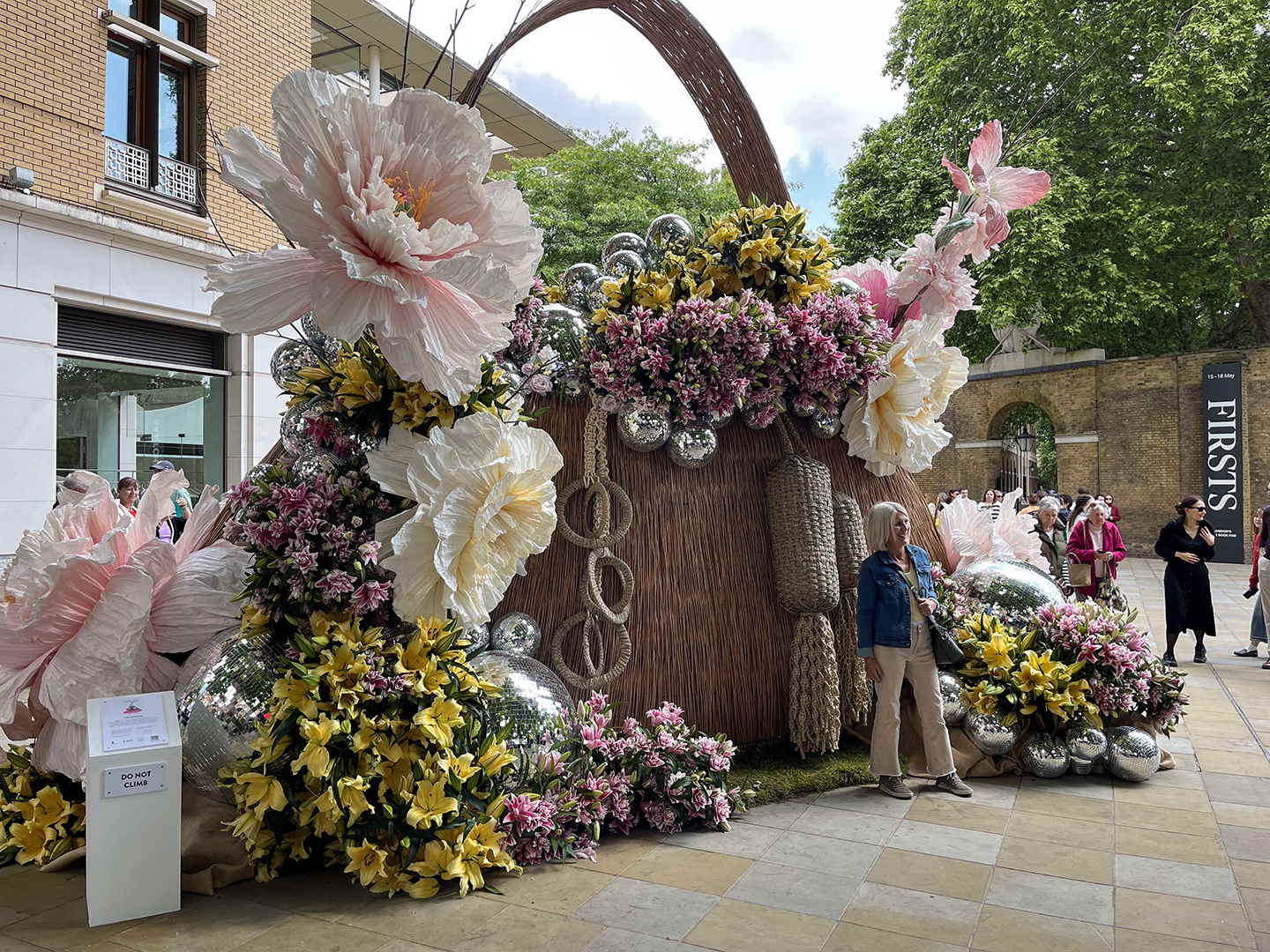
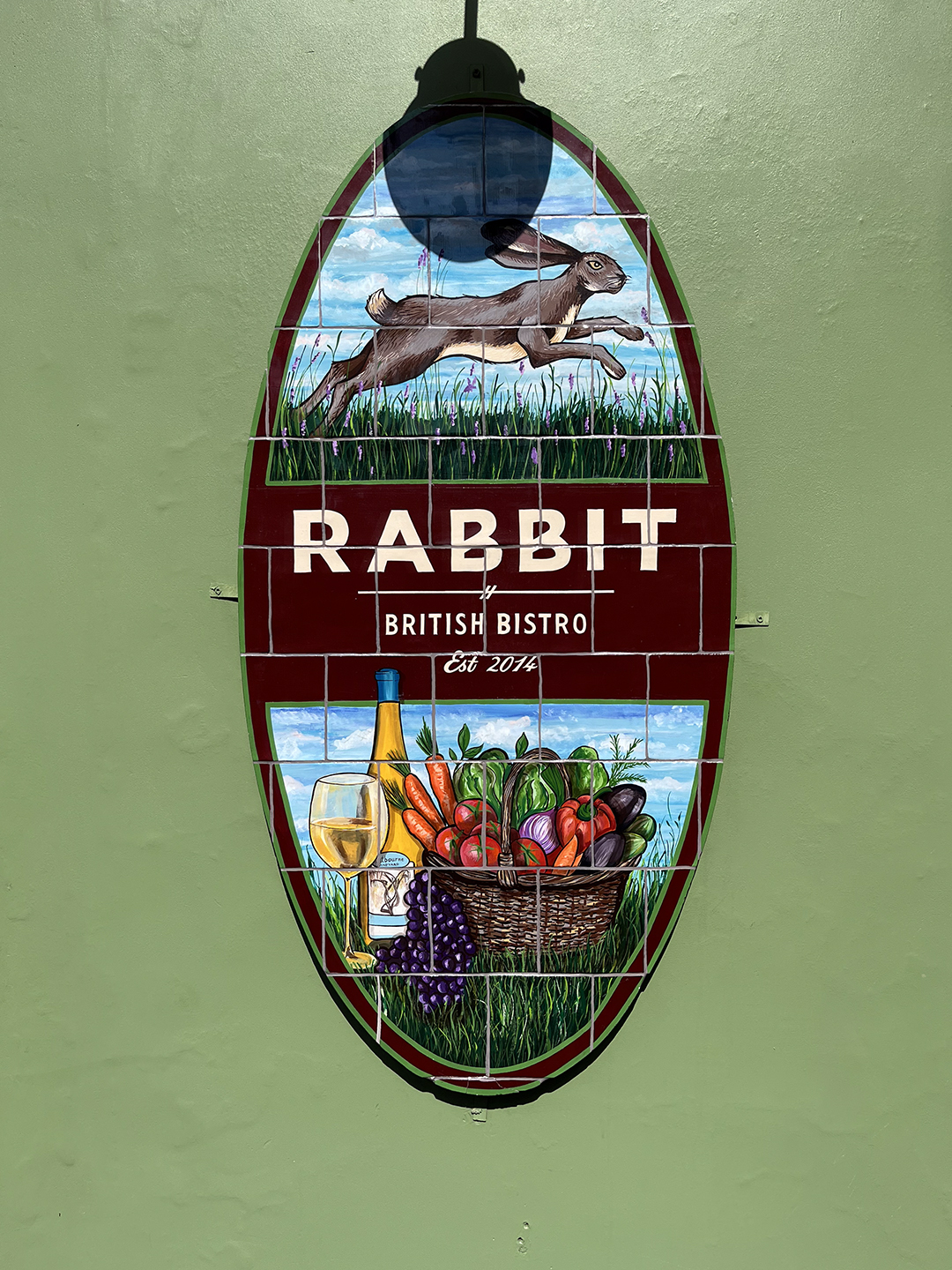
Monday, May 19th: Met up with old friends Joanne and David for lunch at Rabbit, a farm-to-fork restaurant in the King’s Road. It’s Chelsea Flower Show time and all the shop fronts and squares are decorated with huge floral displays.

I was invited to be photographed with Trinny Woodall outside her shop on Kings Road. According to Wikipedia, Trinny is “a British beauty entrepreneur, businesswoman, and the founder of cosmetics brand Trinny London.”
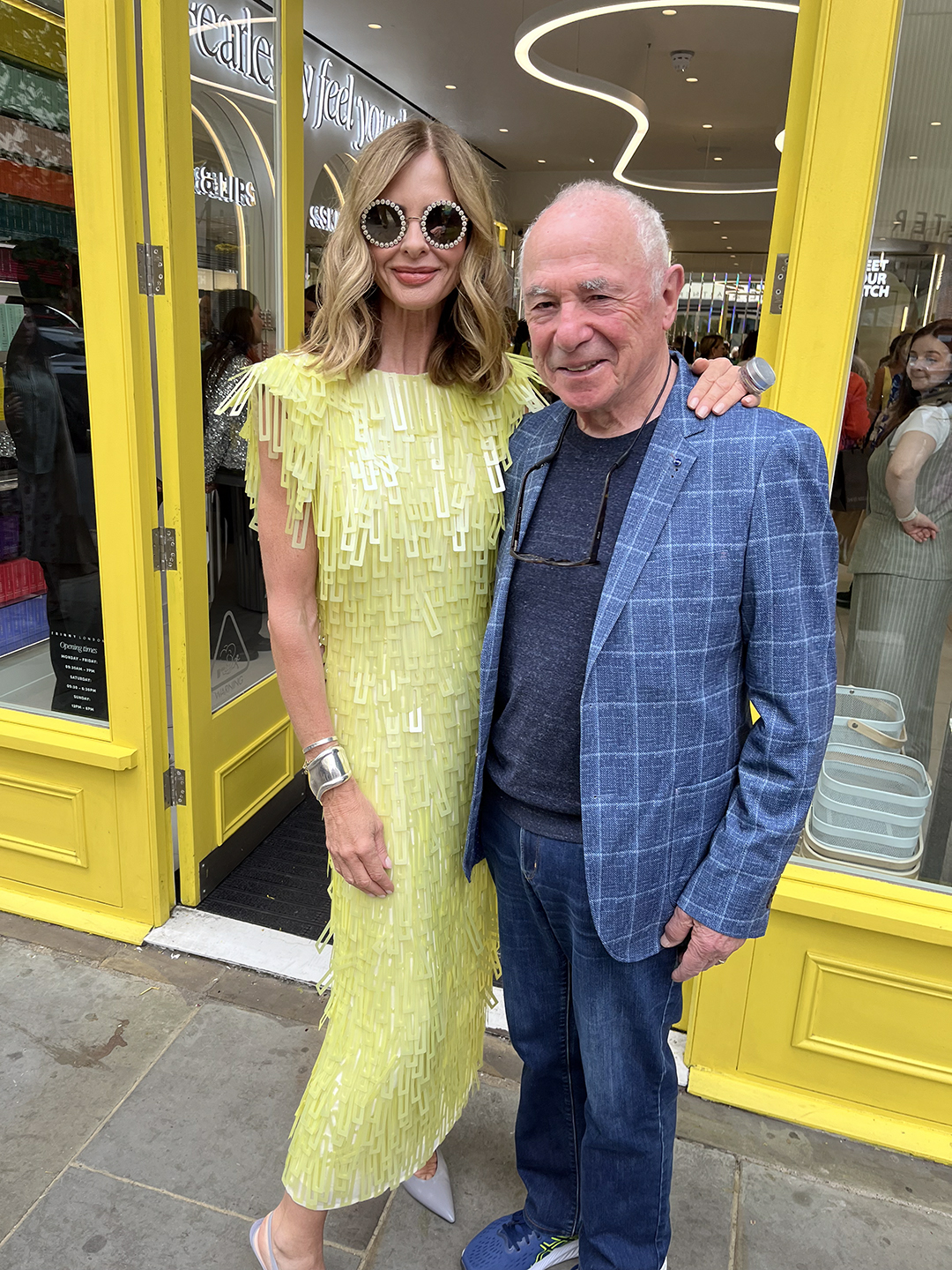
Trinny Woodall and me
At lunch, tasted a couple of wines from Nutbourne Vineyards in West Sussex who grow Bacchus, “Riesling family varietals,” Chardonnay and Pinot Noir. They produce 60,000 bottles each year.

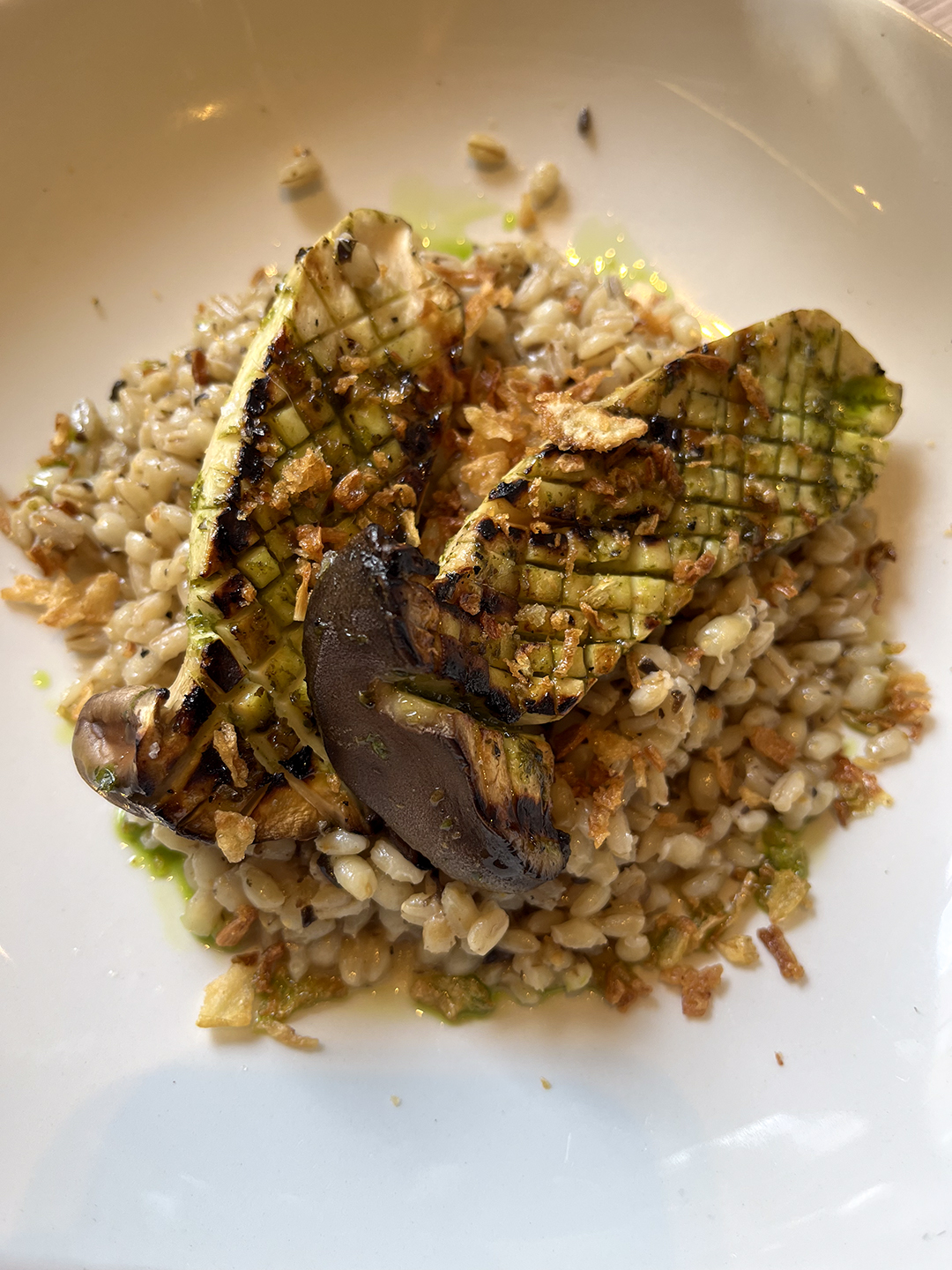
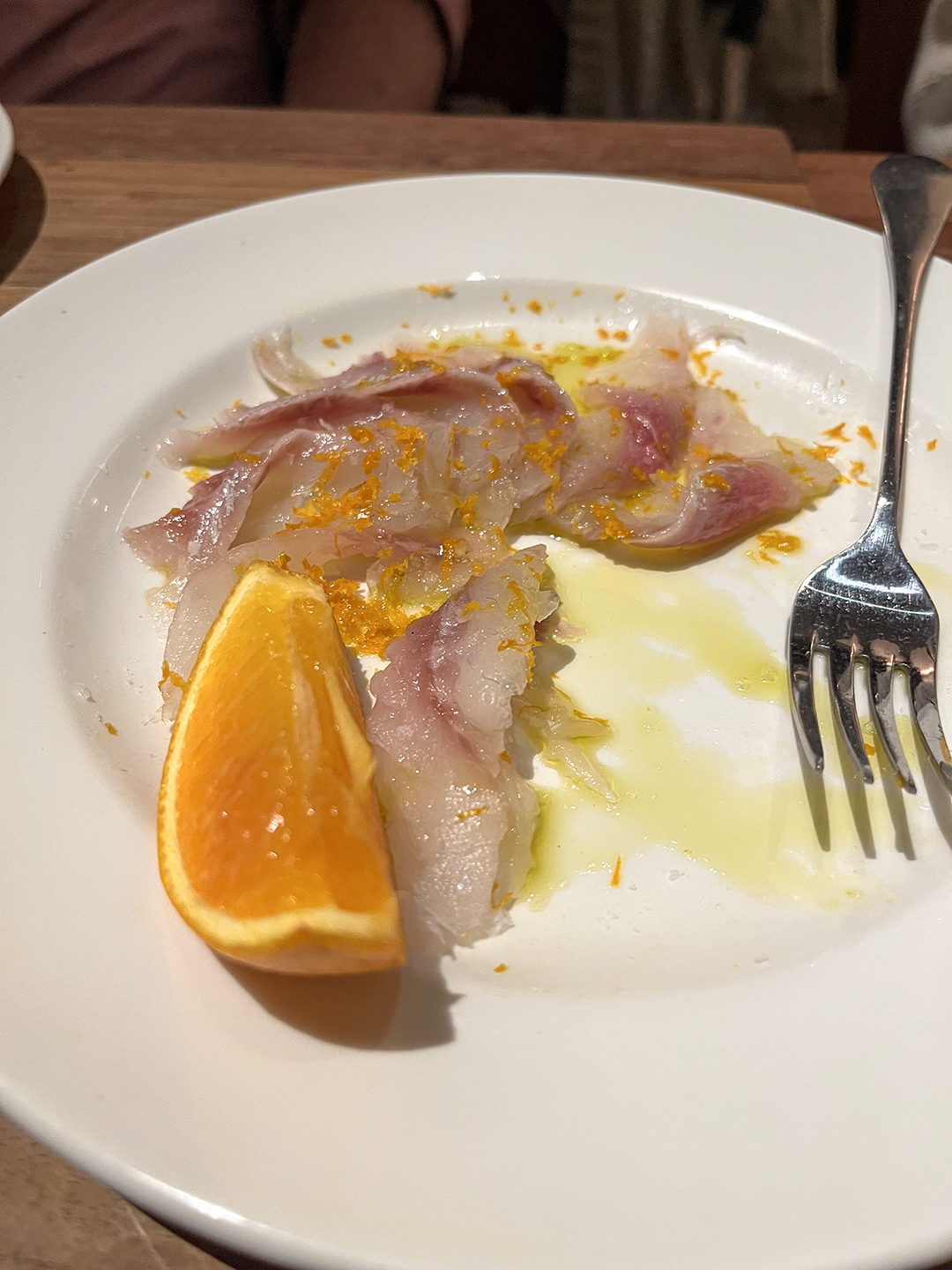
My lunch at Rabbit
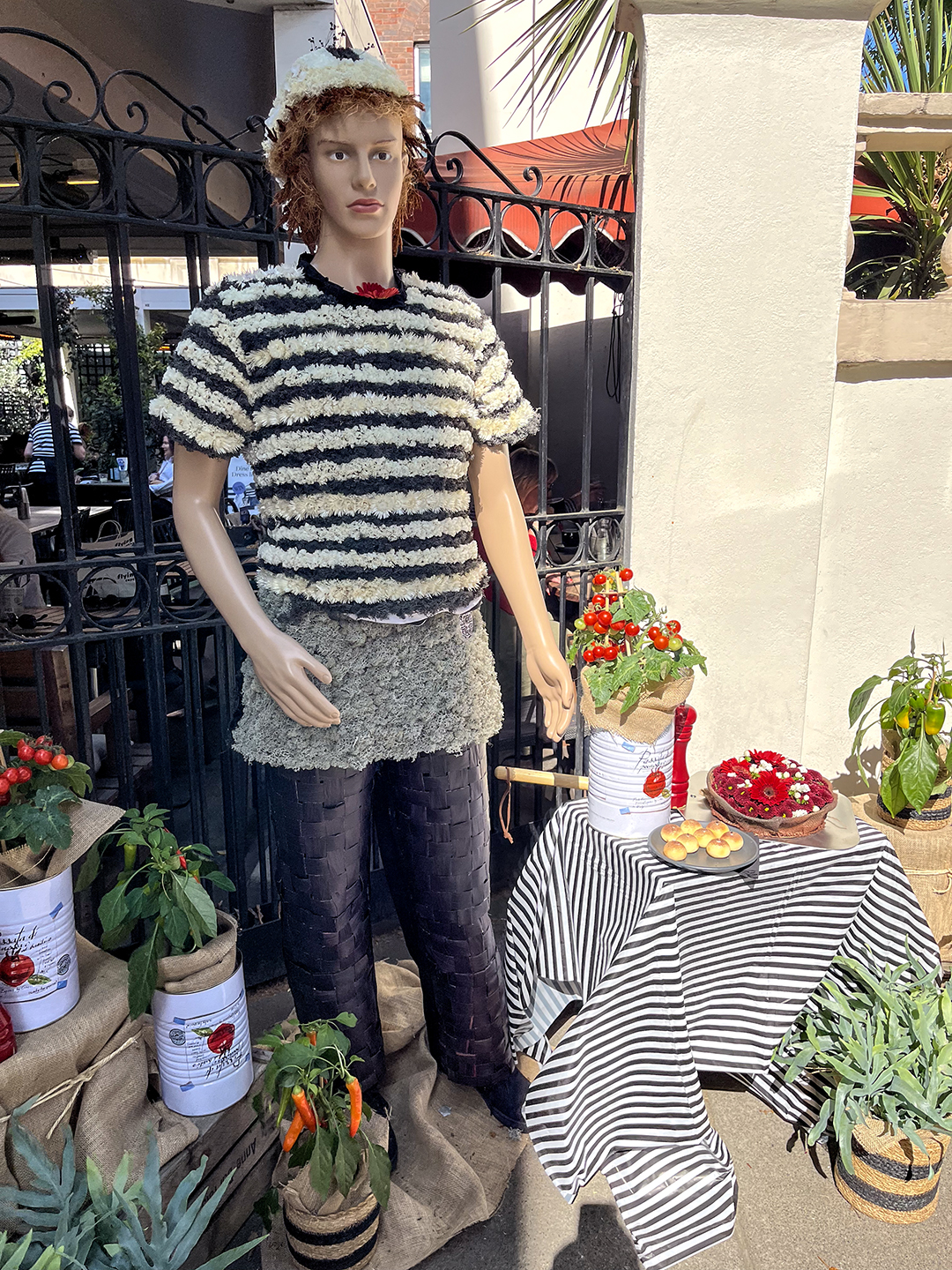
Note the floral T-shirt
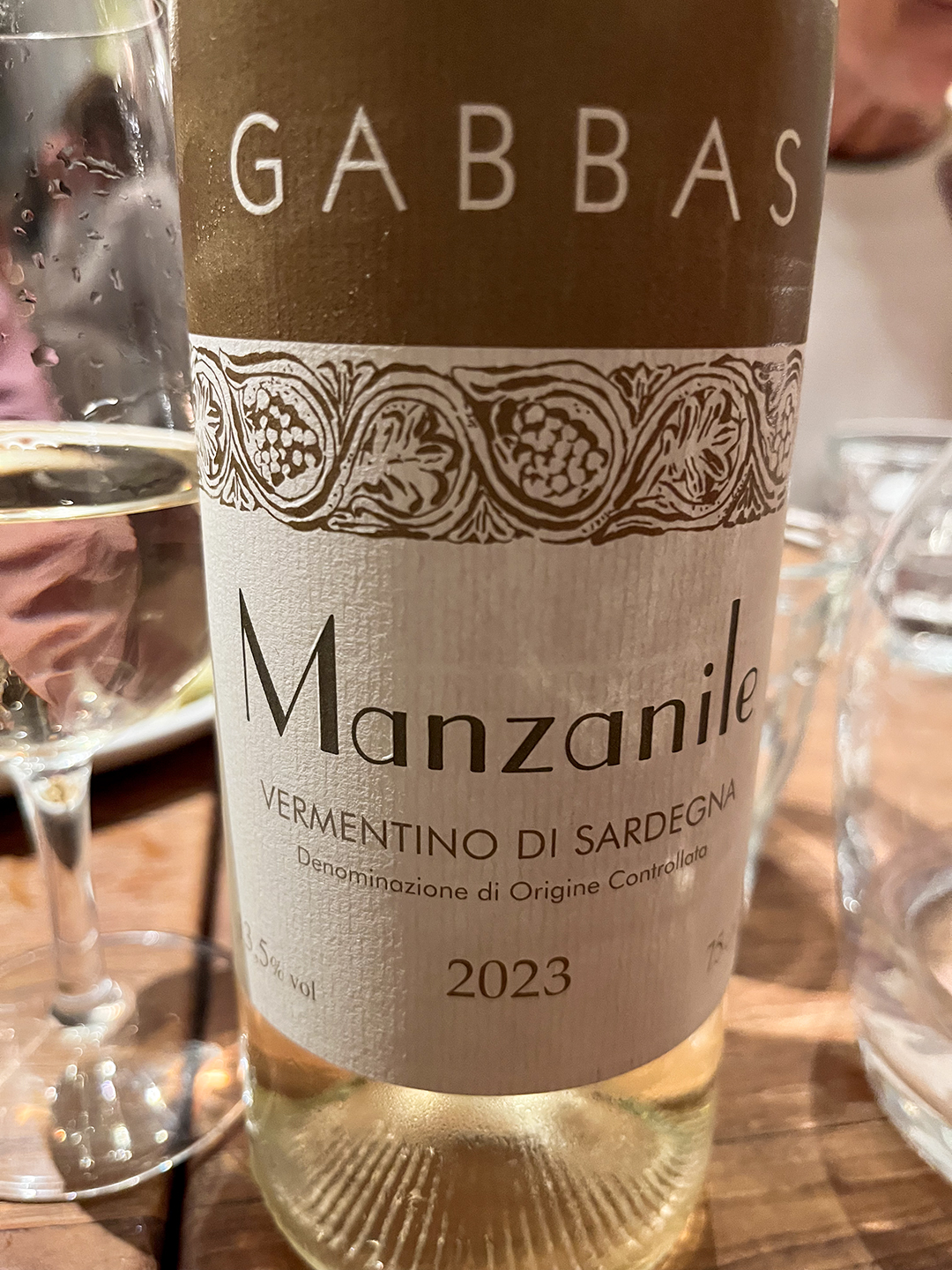
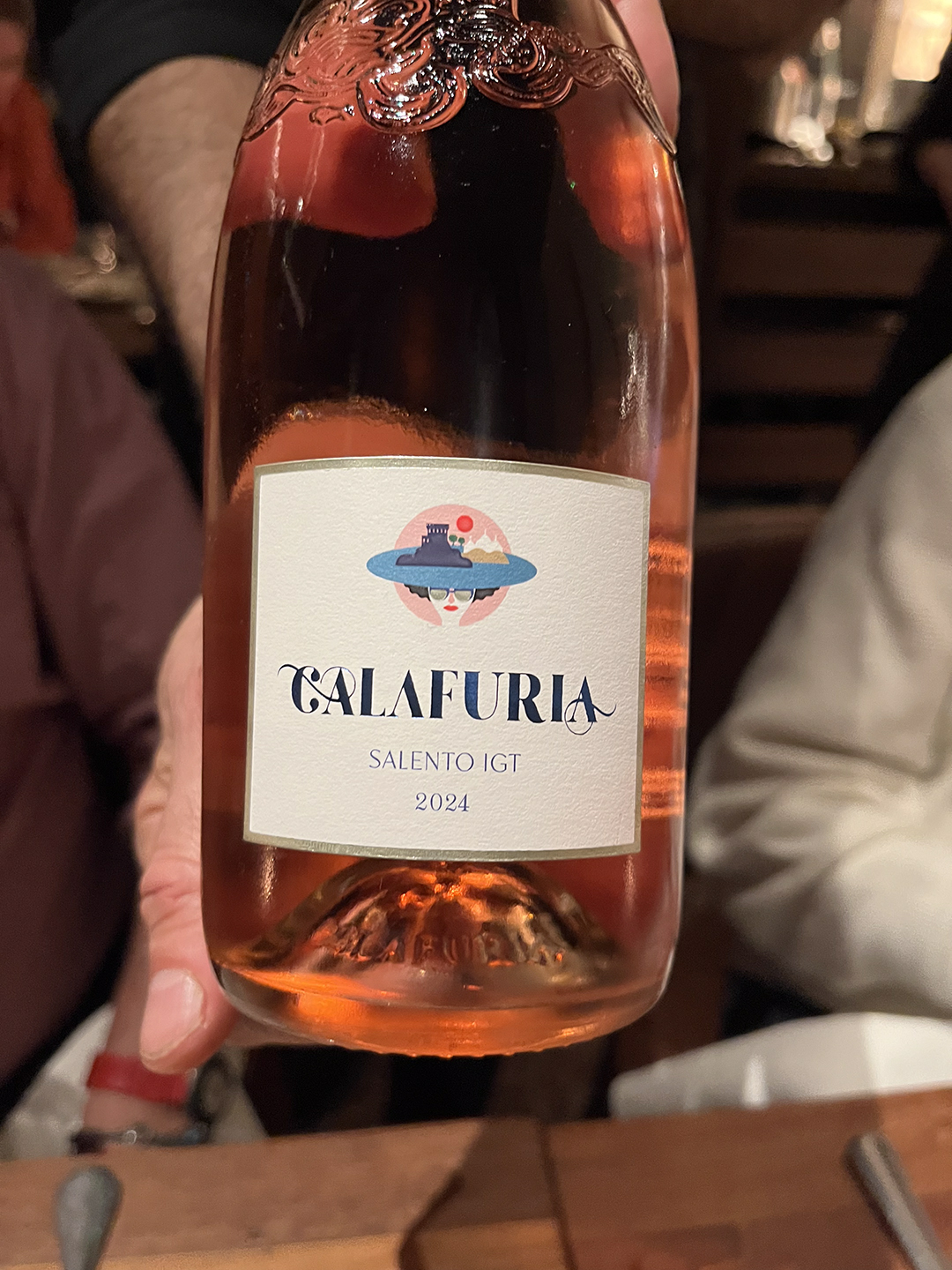
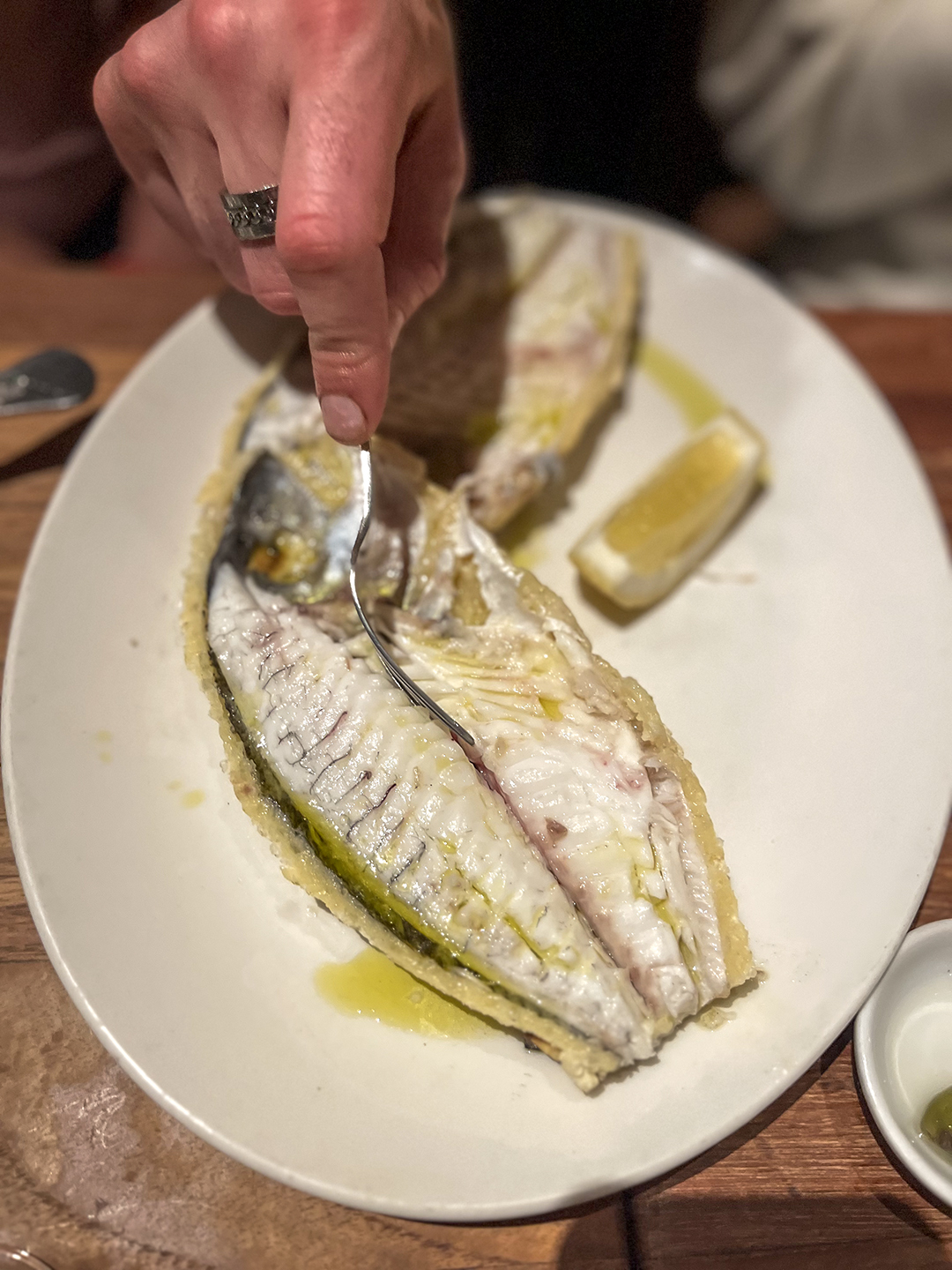
We ate lightly because we are hosting a dinner for five at Bocca di Lupo in Soho this evening. I ordered Gabbas Manzanile Vermentino di Sardengna 2023 and Tormaresca Galafuria Rosé 2024 from Salento.


Tuesday, May 20th: Back to Heathrow for our BA flight to Barcelona. At the airport, we had lunch at Gordon Ramsay’s restaurant, Plane Food. We both ordered Avocado Donburi (a Japanese rice bowl dish).
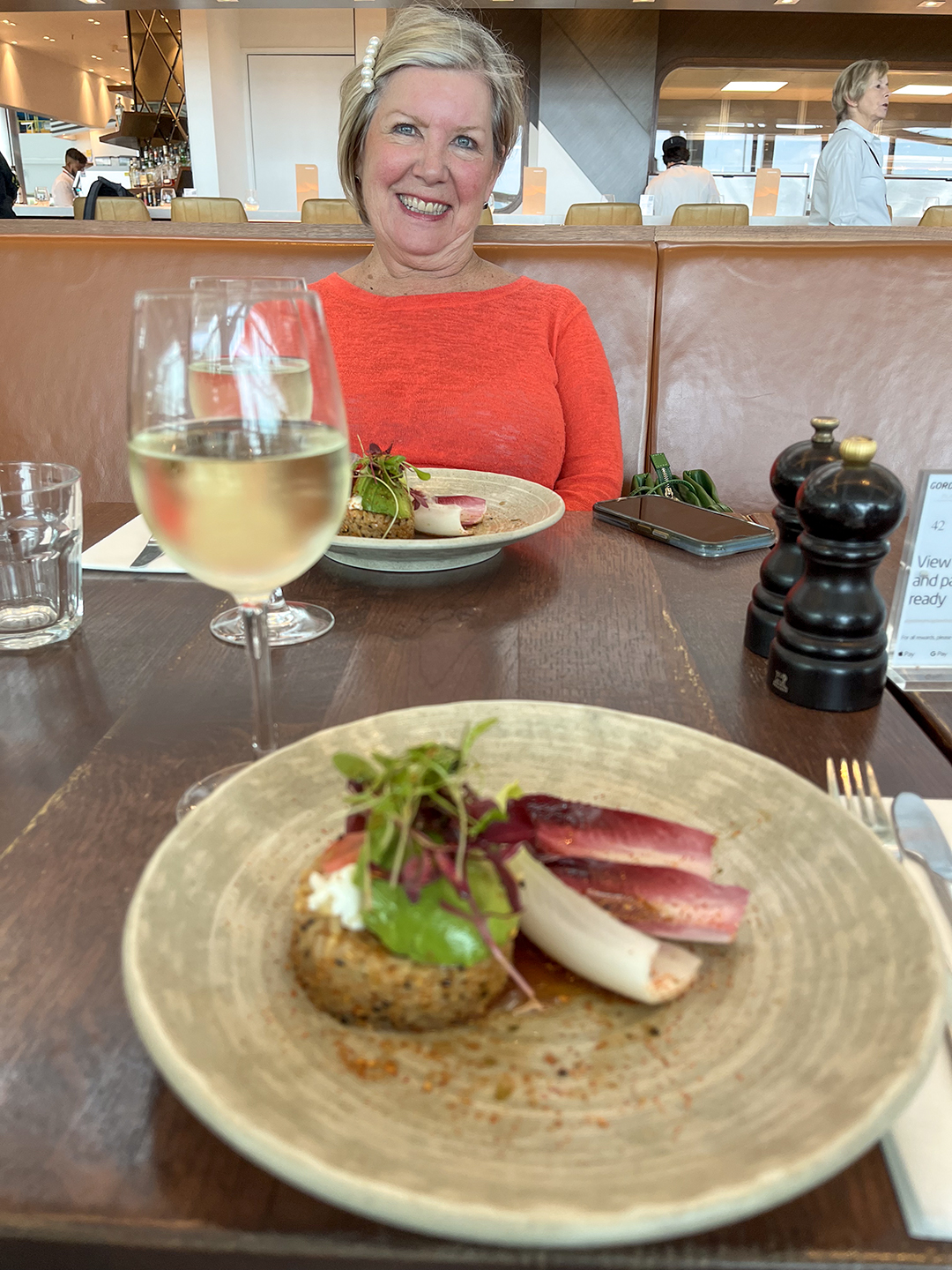
Lunch at Gordon Ramsay’s Plane Food, Heathrow
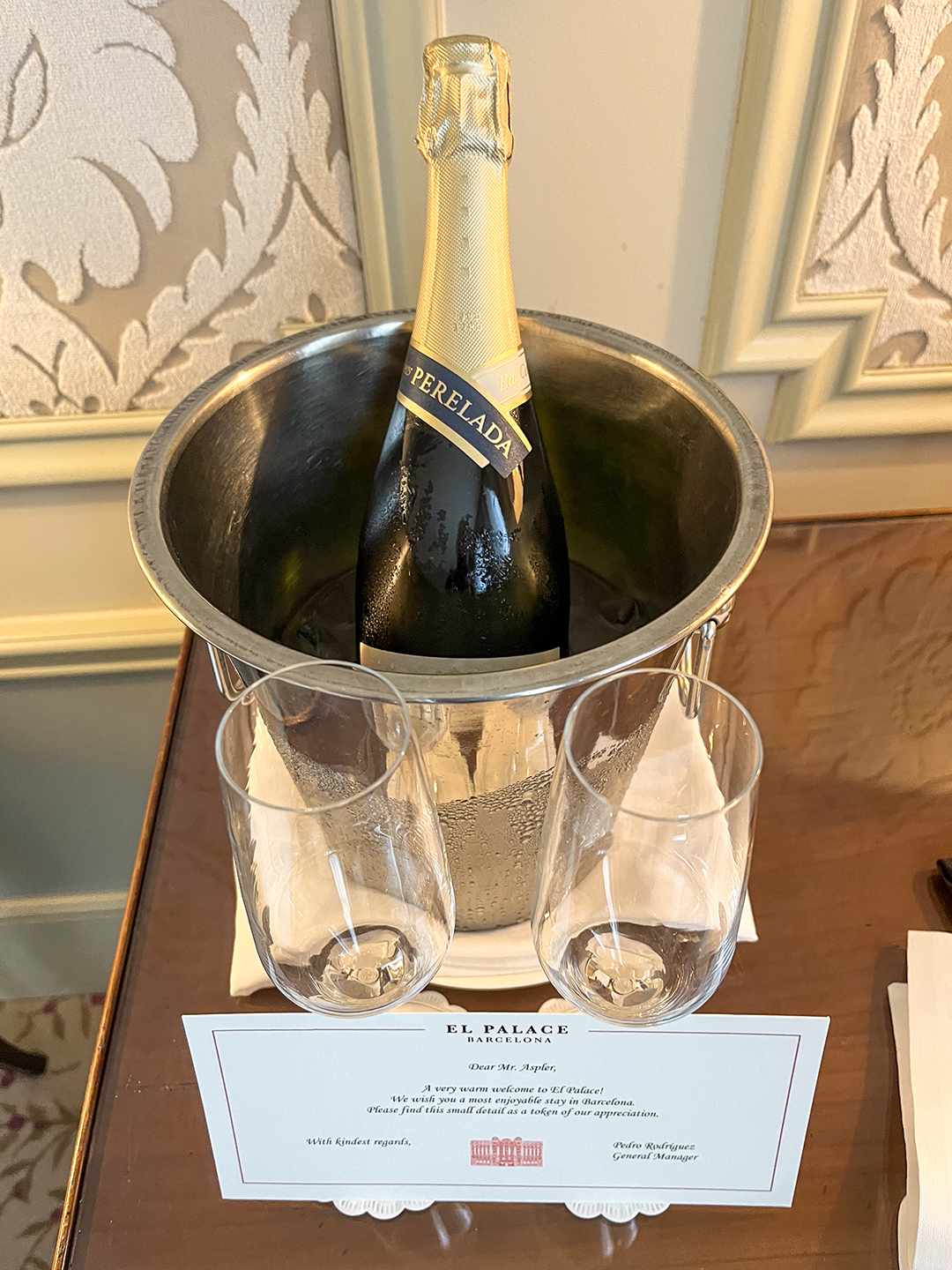
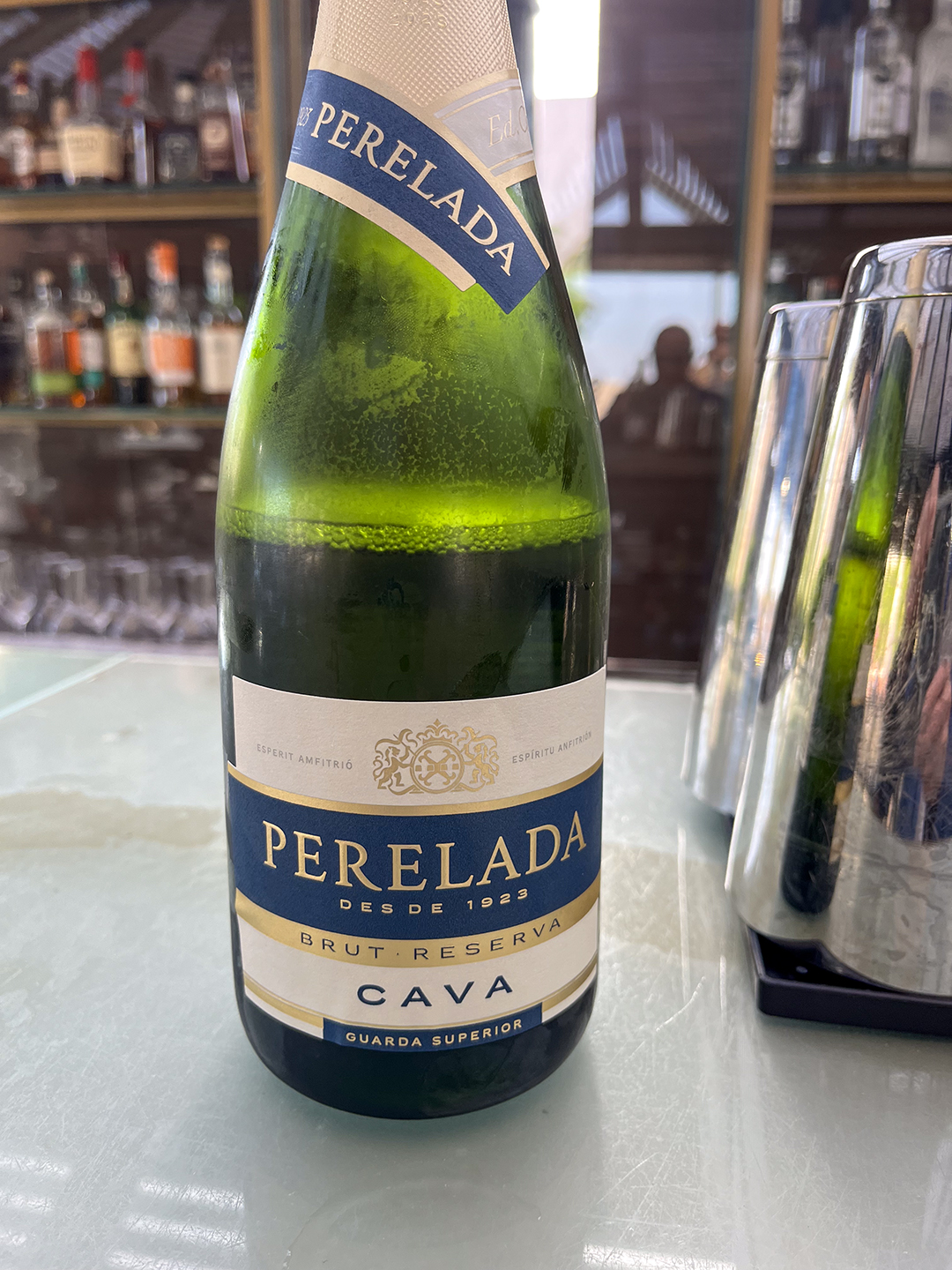
On arrival in Barcelona, a car took us to El Palace Hotel, where a bottle of Perelada Brut Reserve Cava was waiting for us in our room.
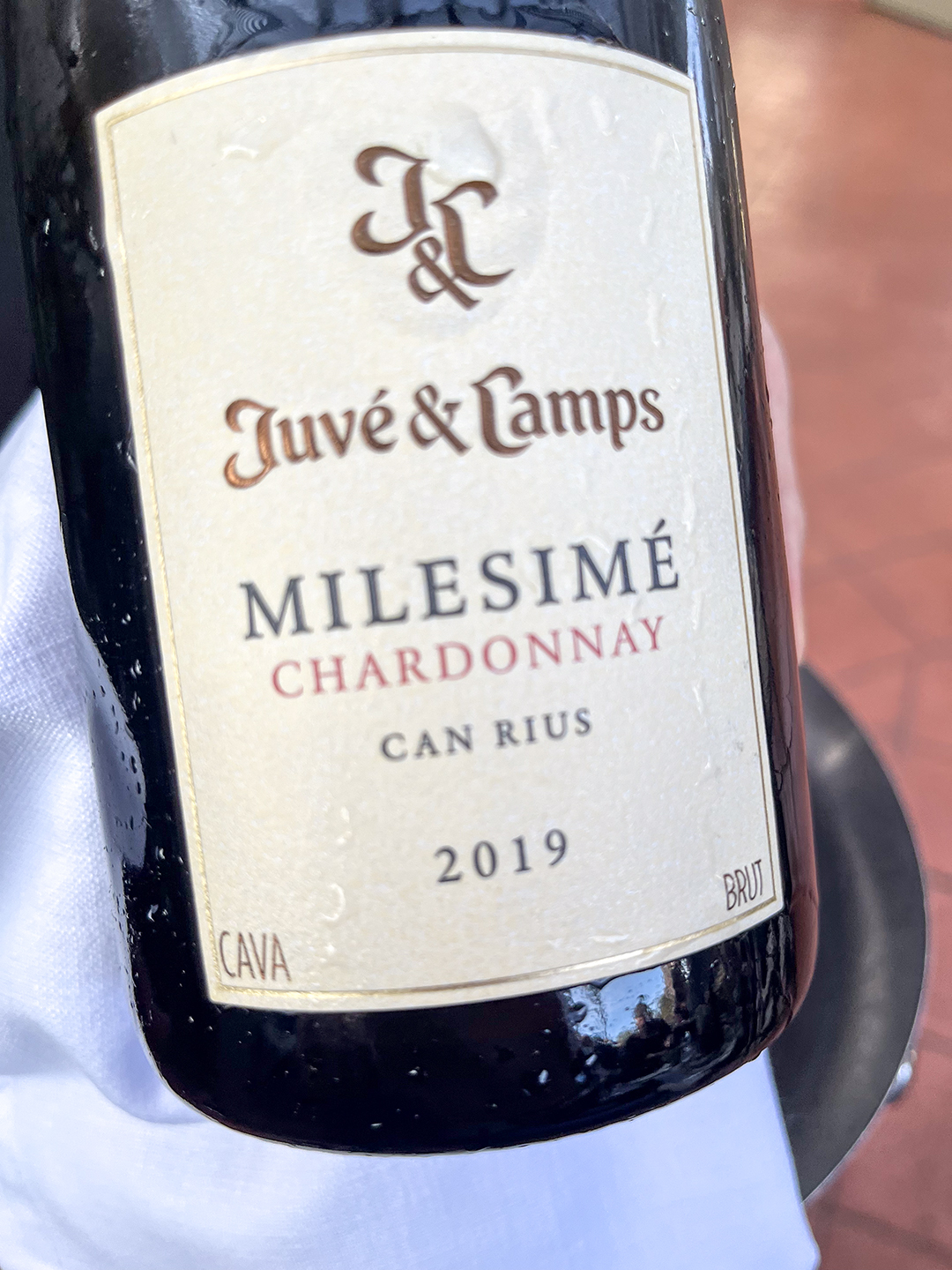
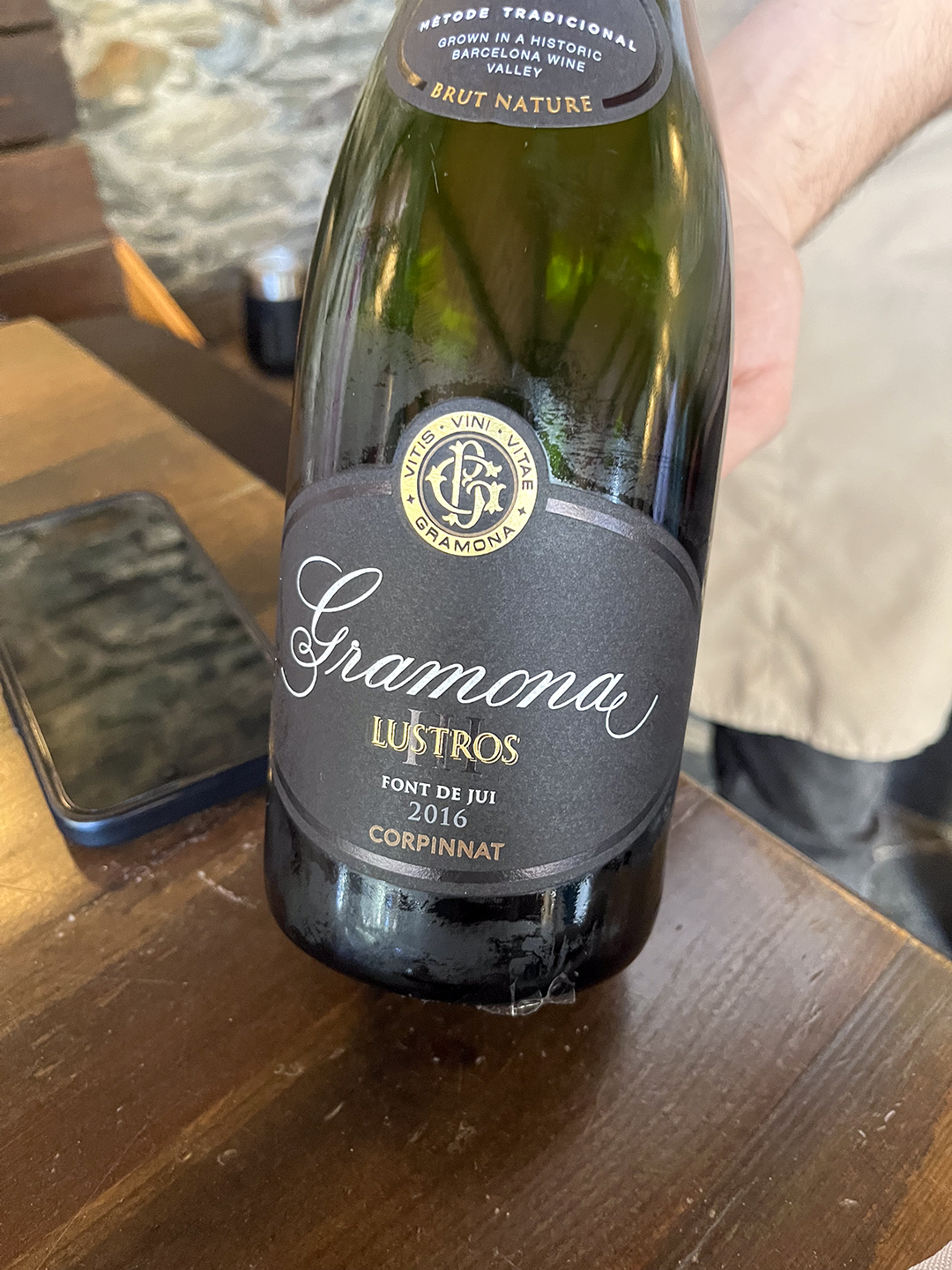
Joined the rest of our group in the bar for a welcoming glass of Juvé y Camps Reserva de la Familia Cave Brut Nature Gran Reserve Cava 2019.

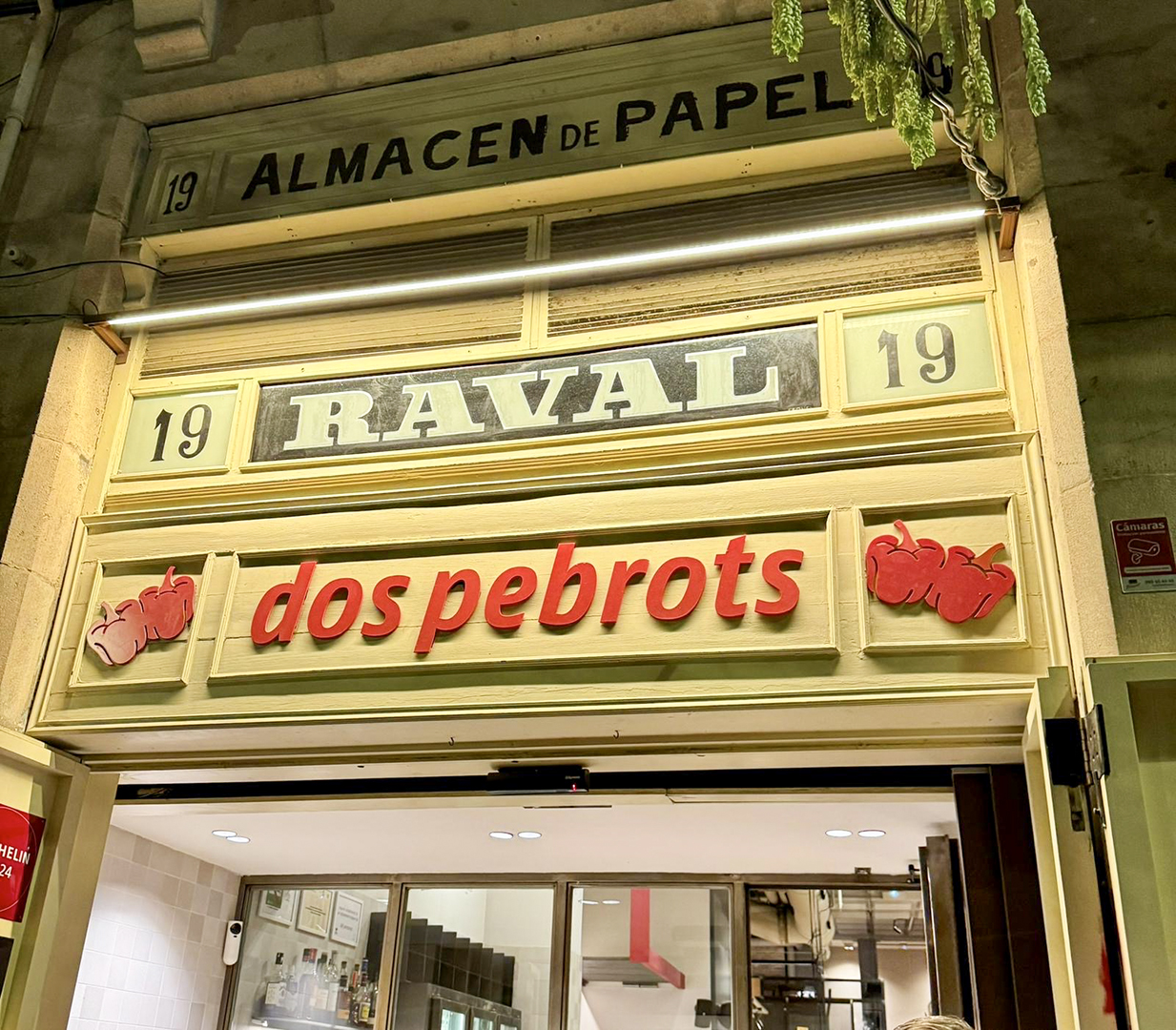
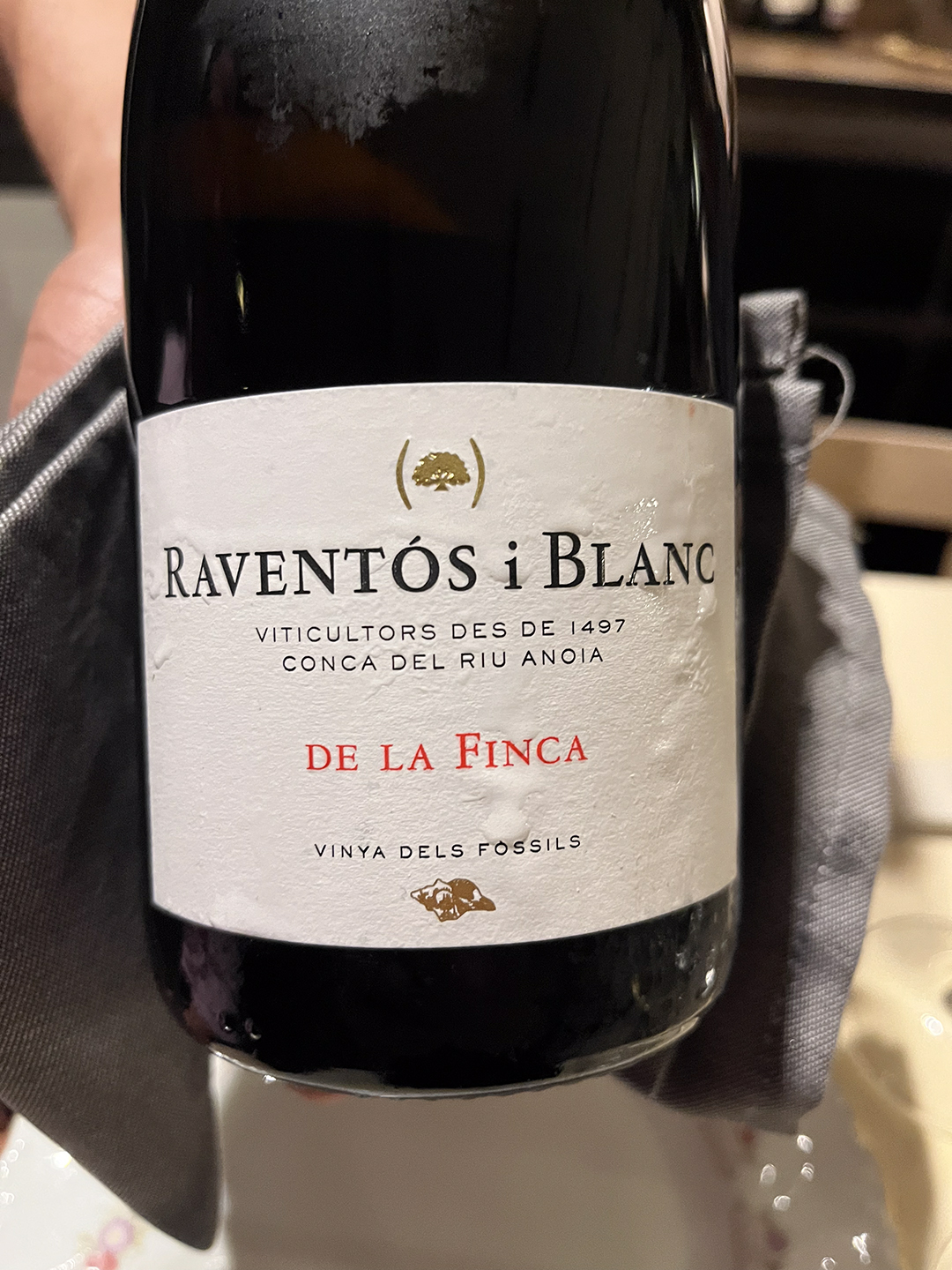
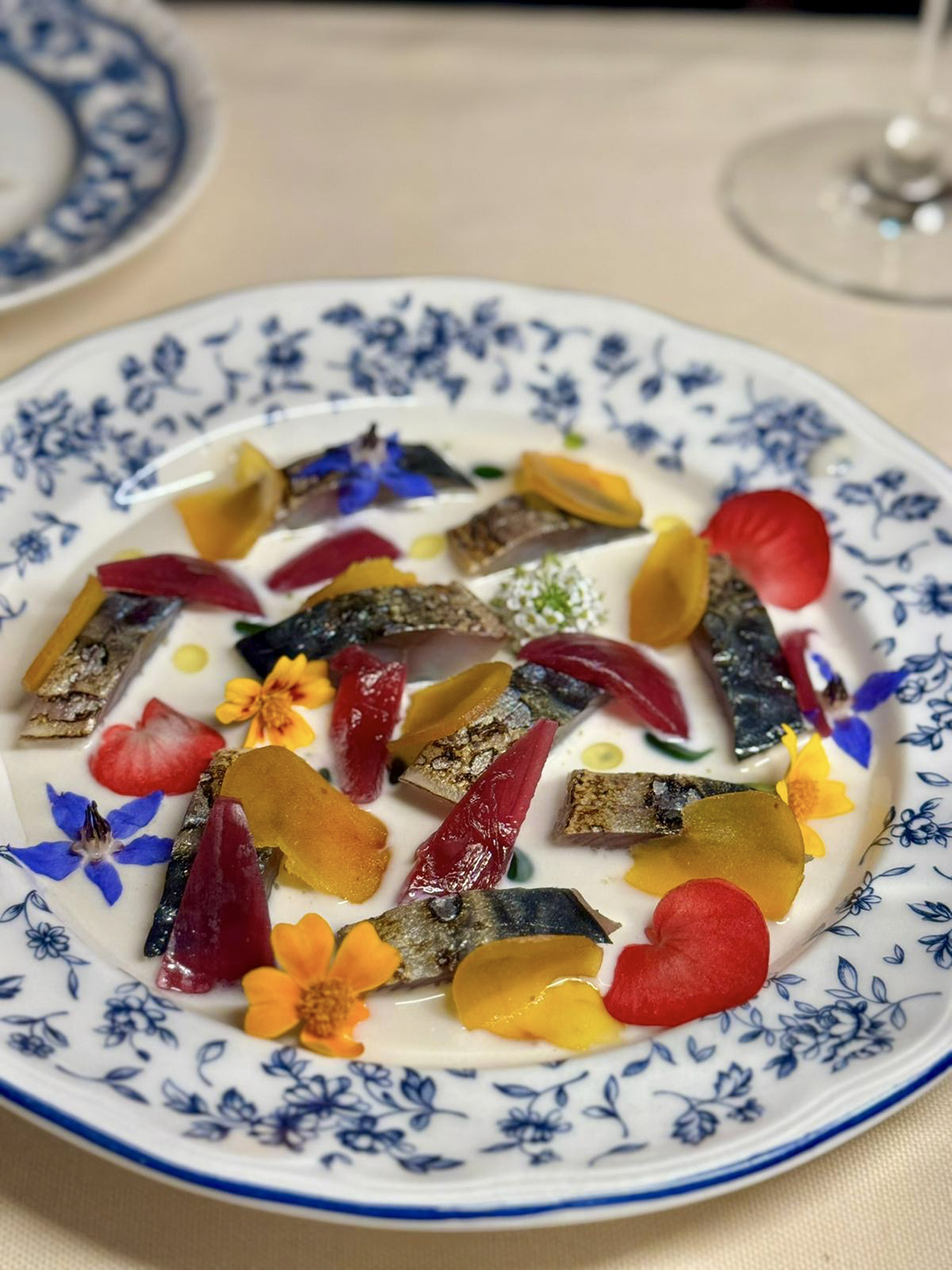
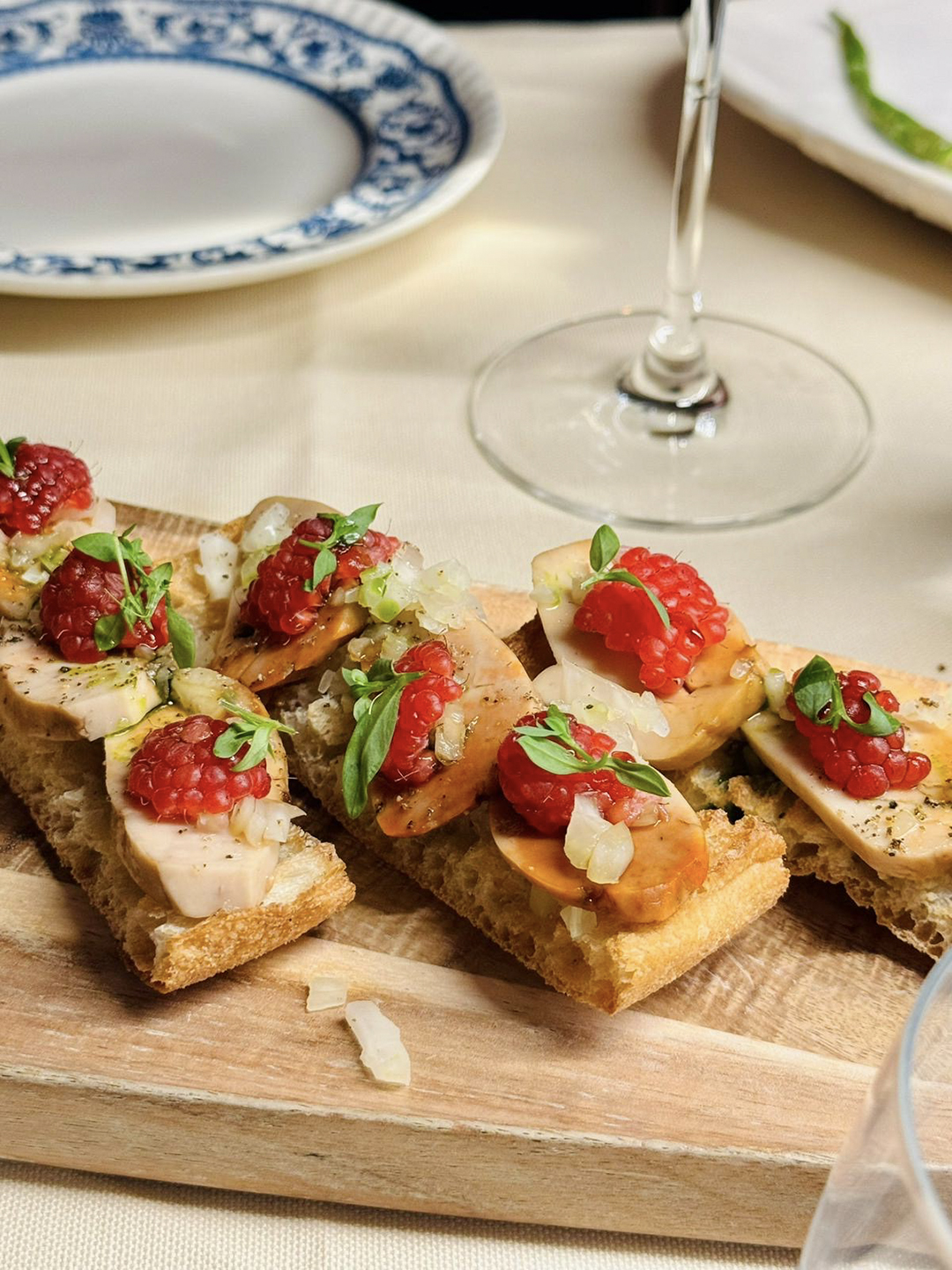
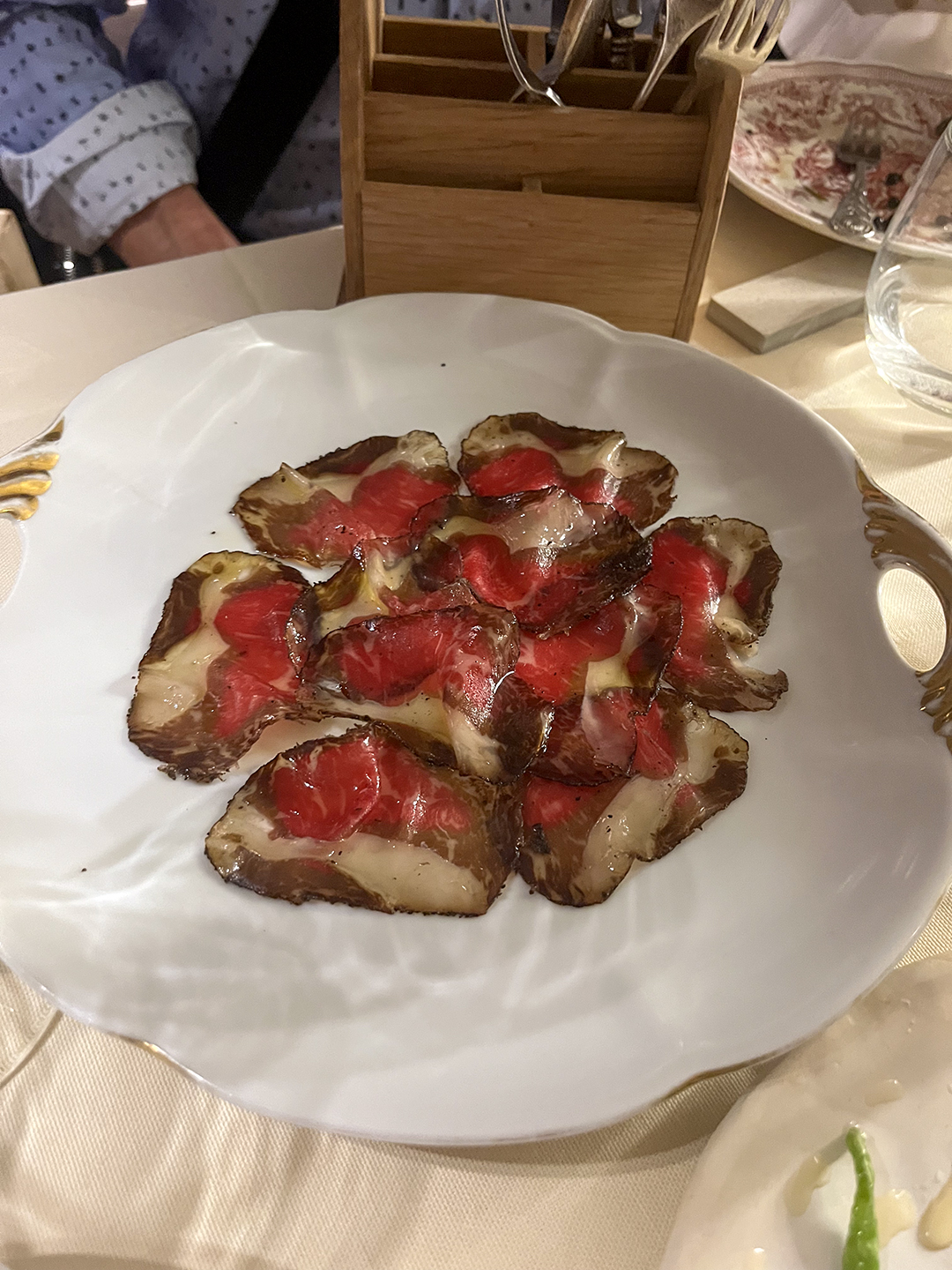
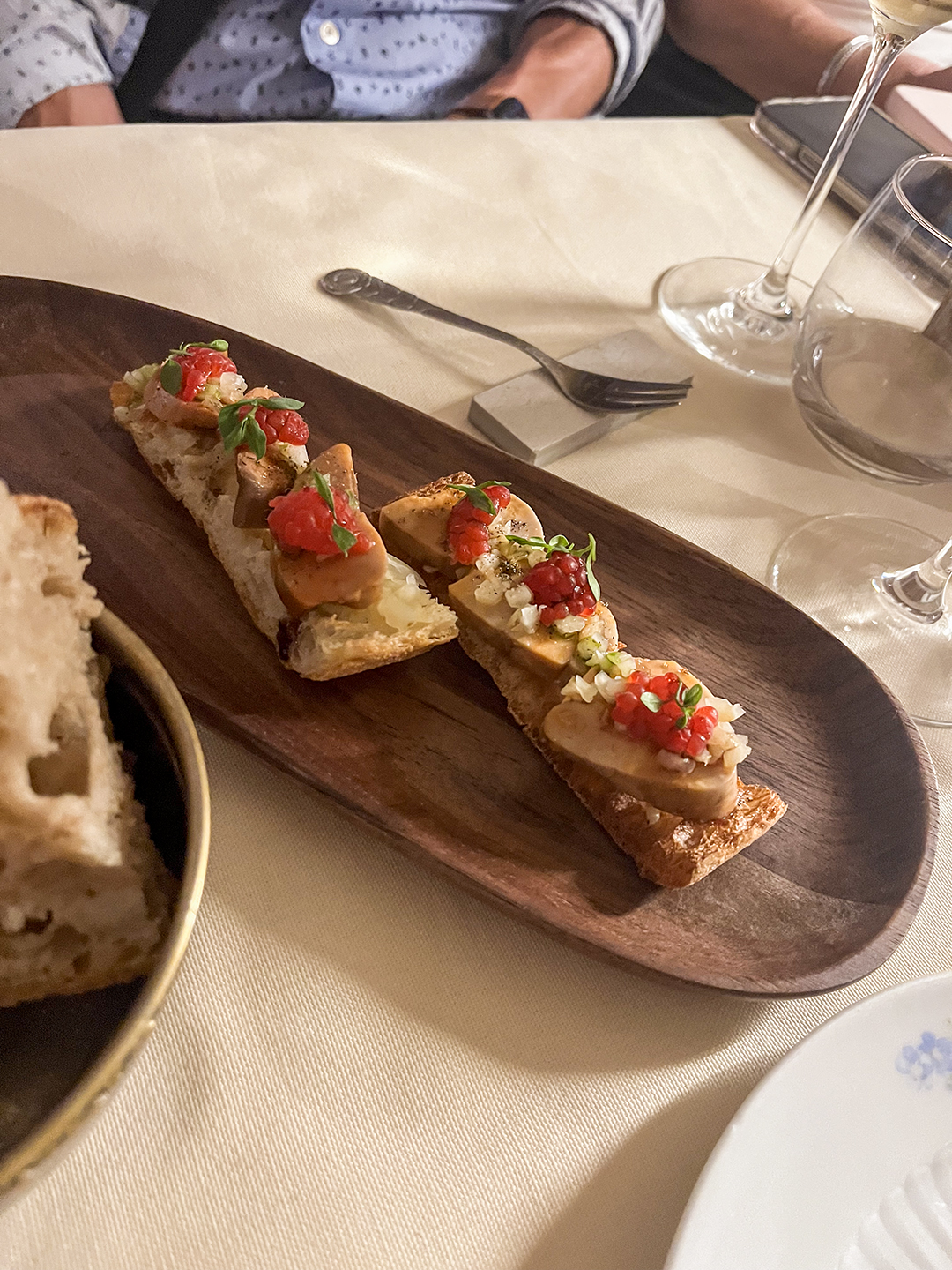
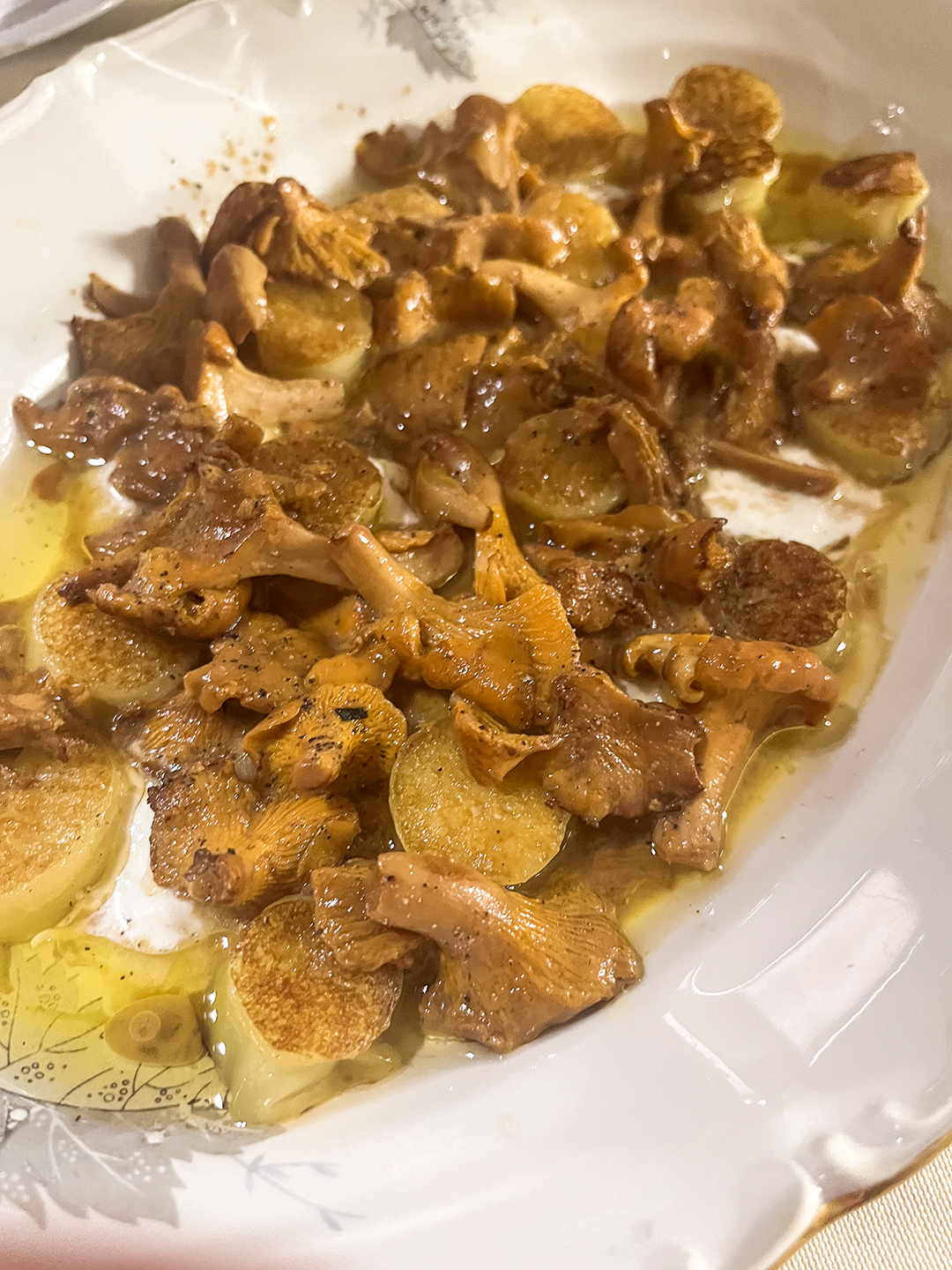
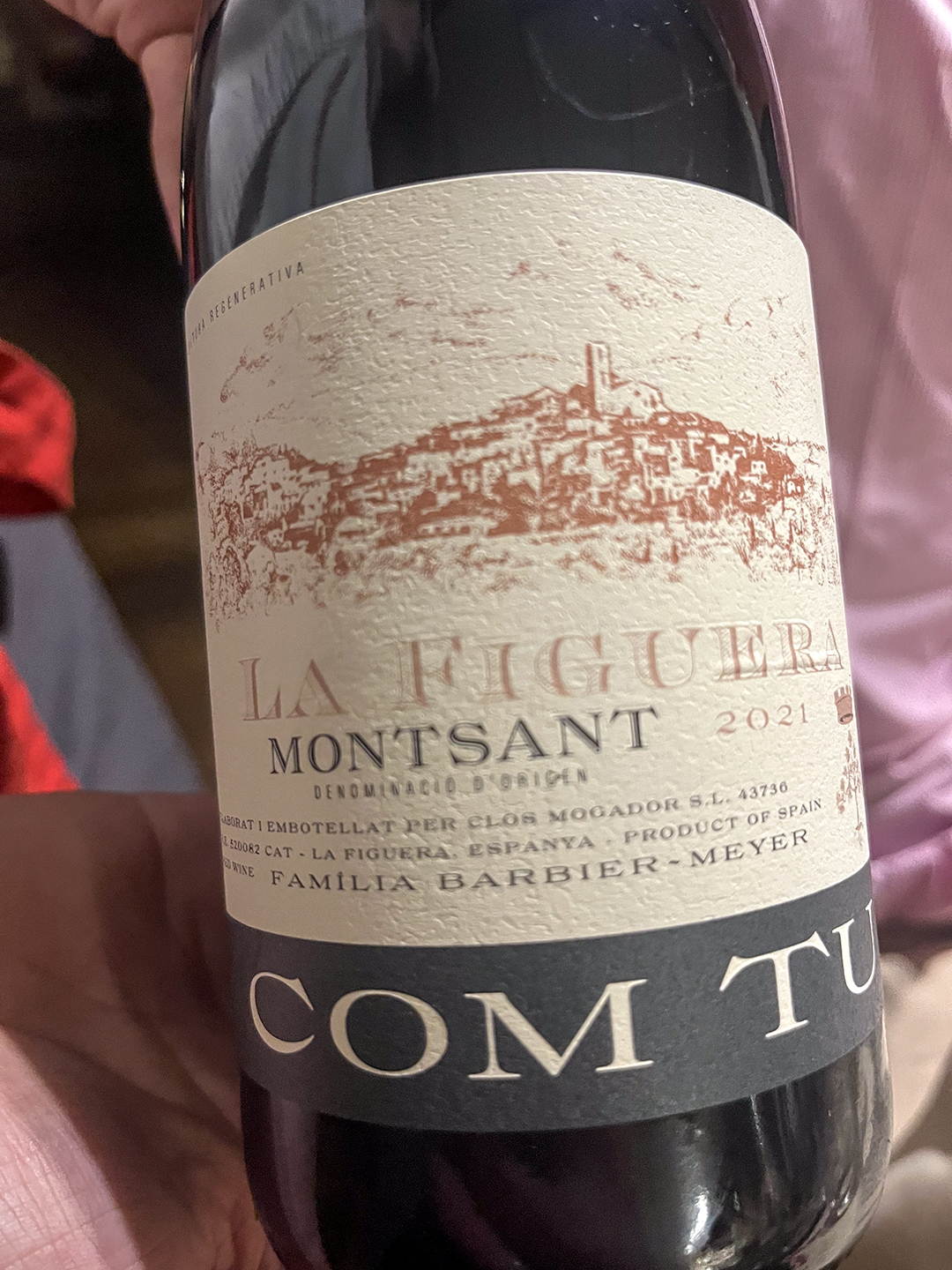
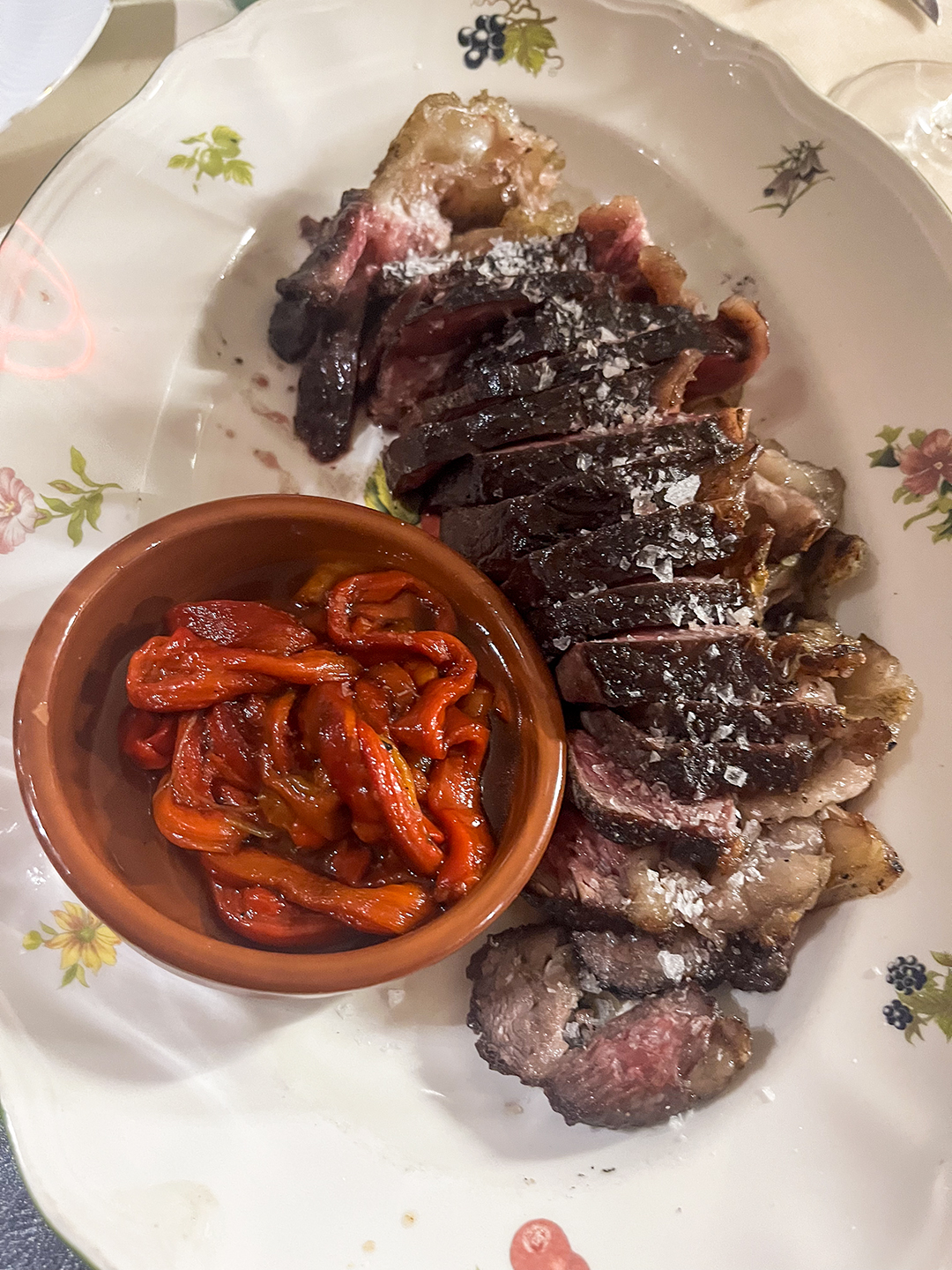
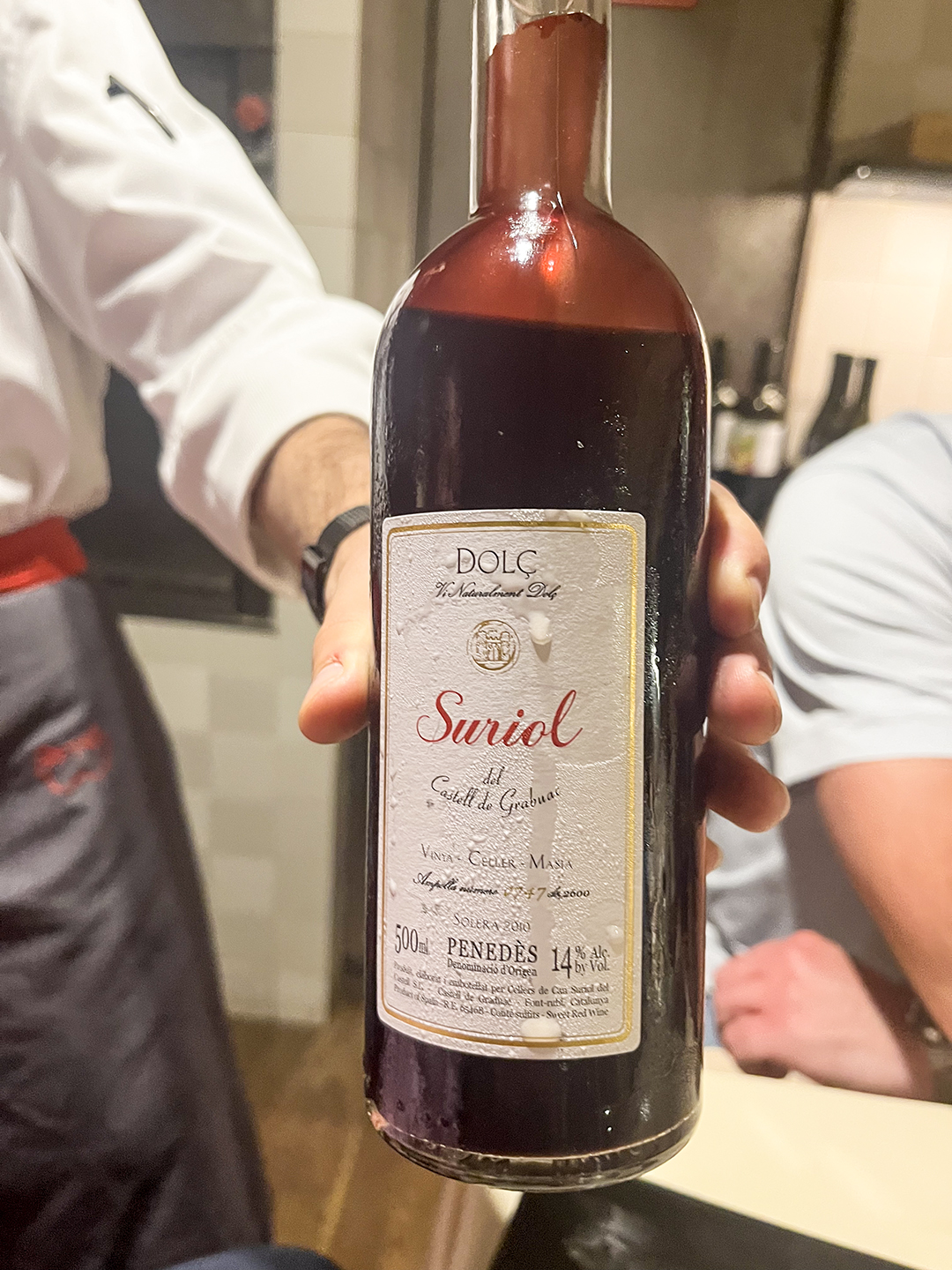
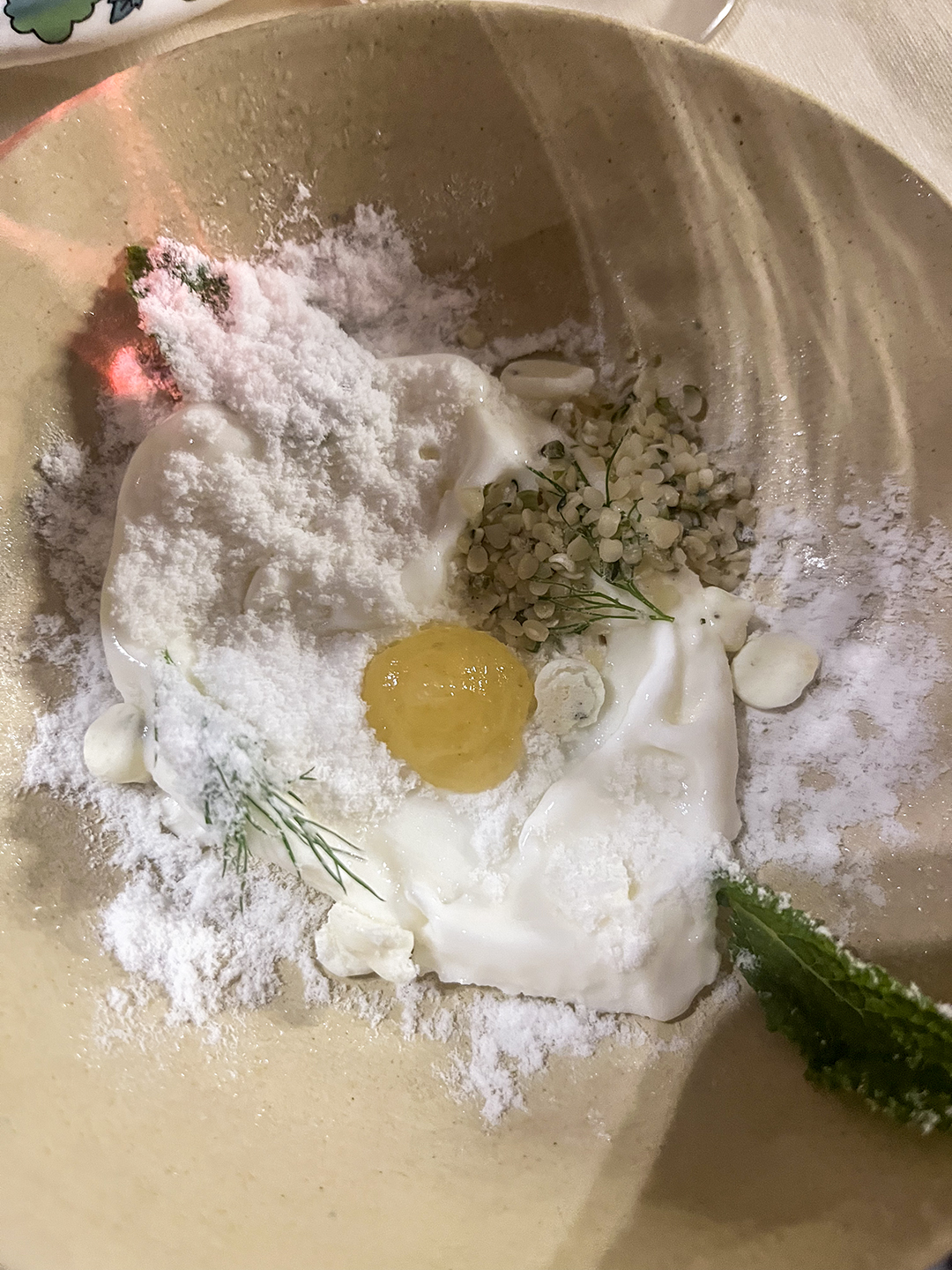
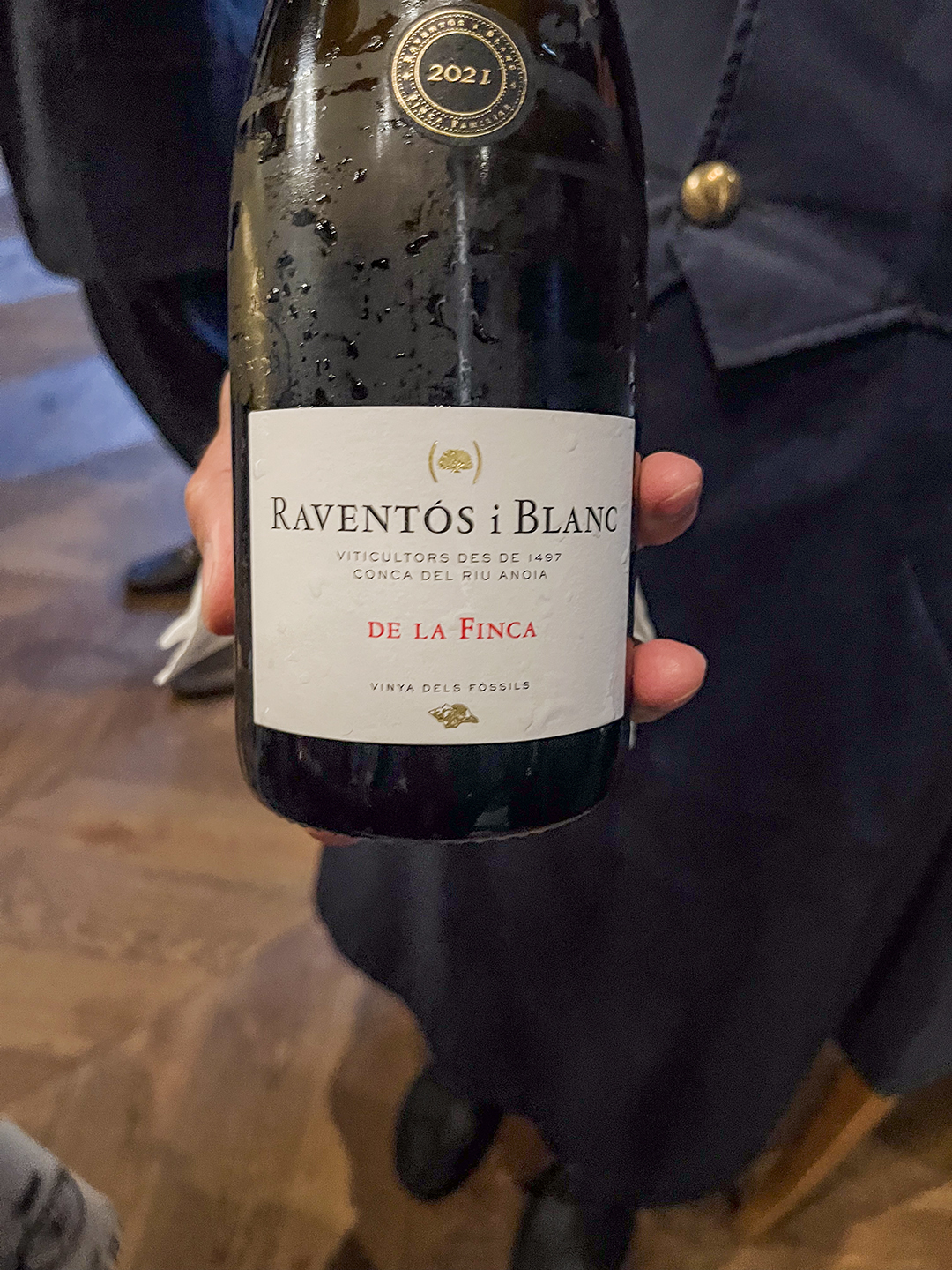
Then on to a tapas restaurant, Dos Pebrots (“Two Peppers”), in the El Raval district. Here chef Albert Raurich is focused on showcasing traditional Mediterranean ingredients and recipes in a contemporary way. Notably, Dos Pebrots was No. 15 on the World’s Top International Restaurants ranking by Food & Wine Magazine’s 2024 “Global Tastemakers Awards.” Here we started with Raventos i Blanc De La Finca Cava then into a range of dishes and wines.


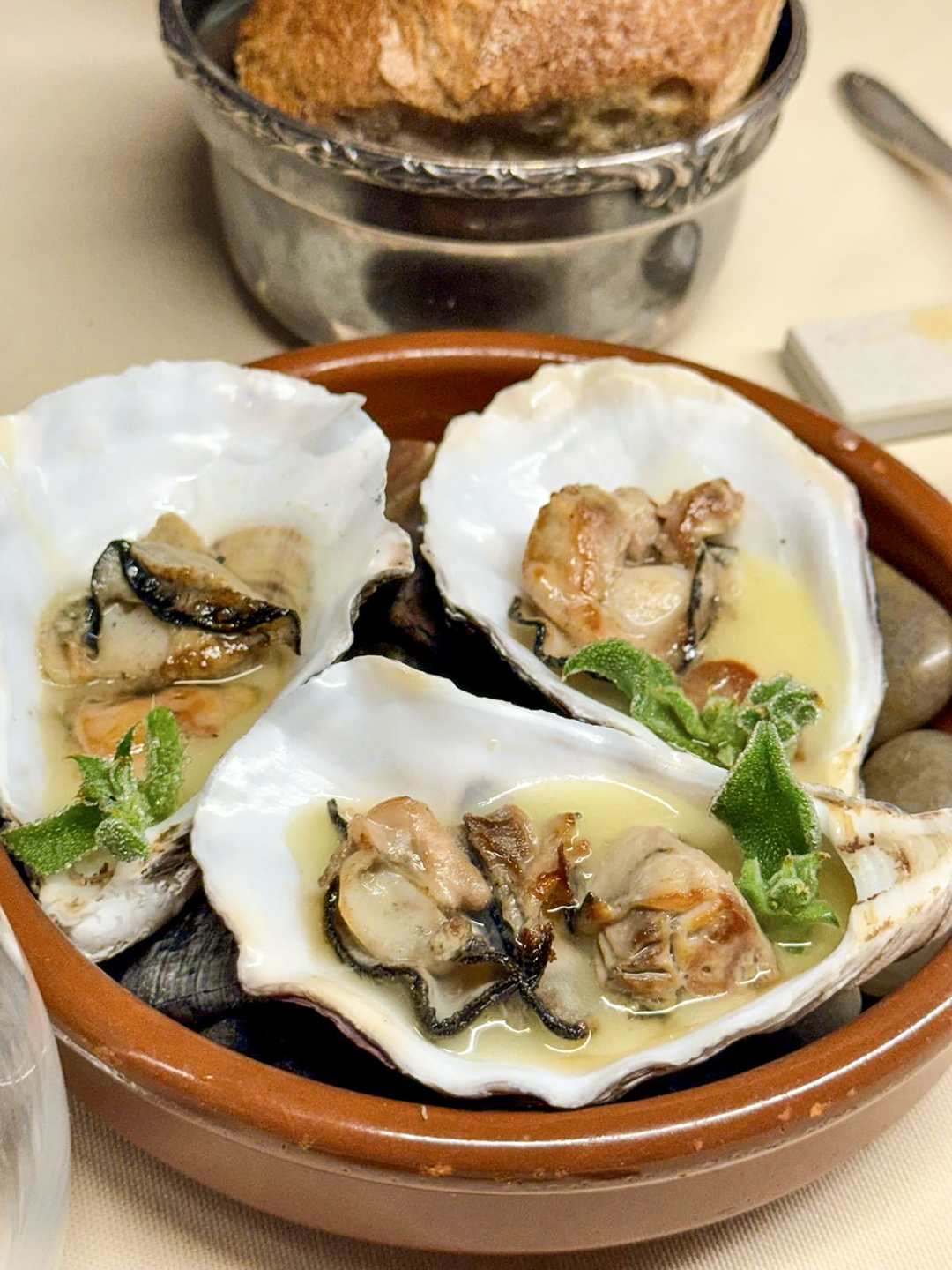
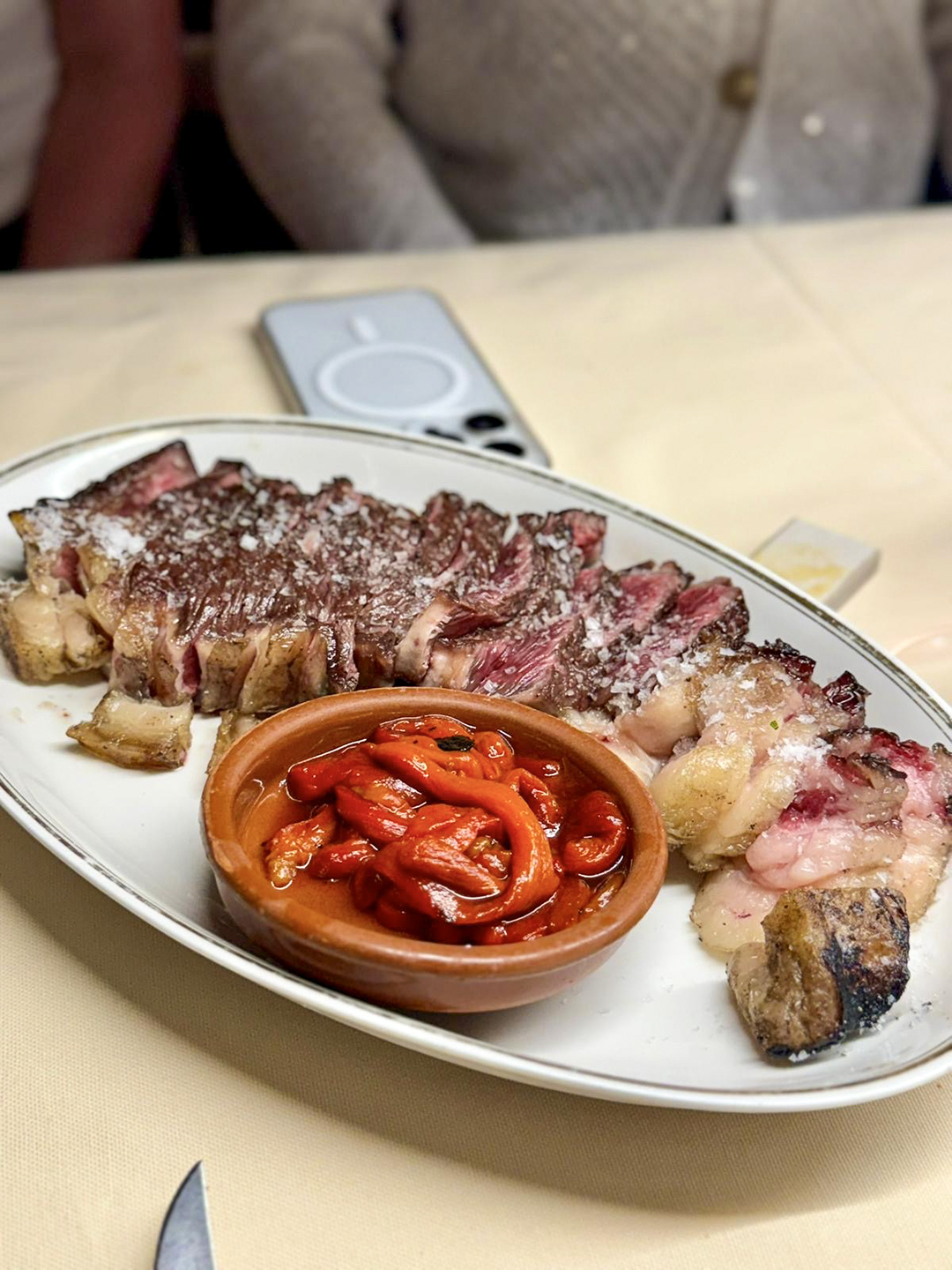
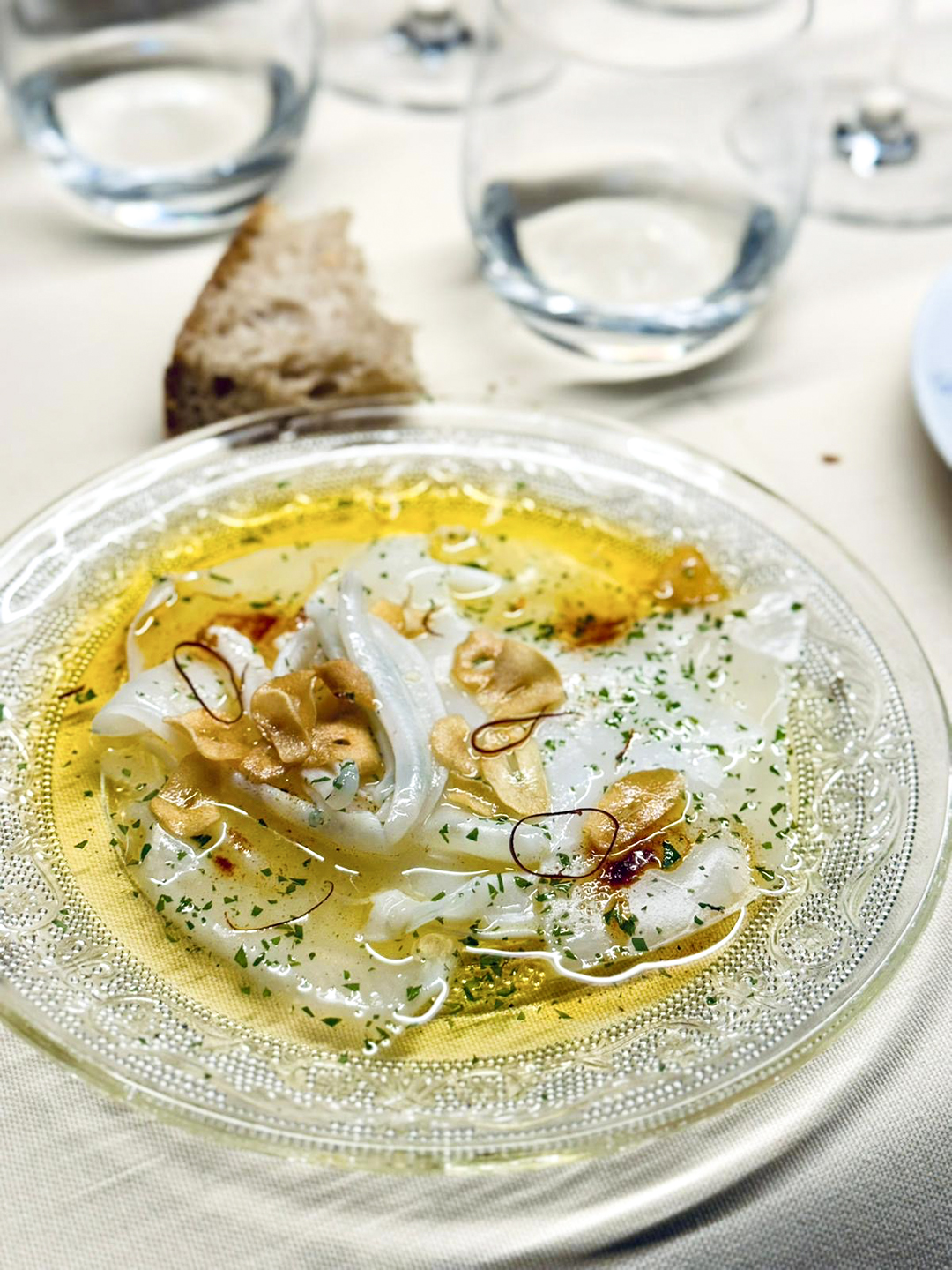
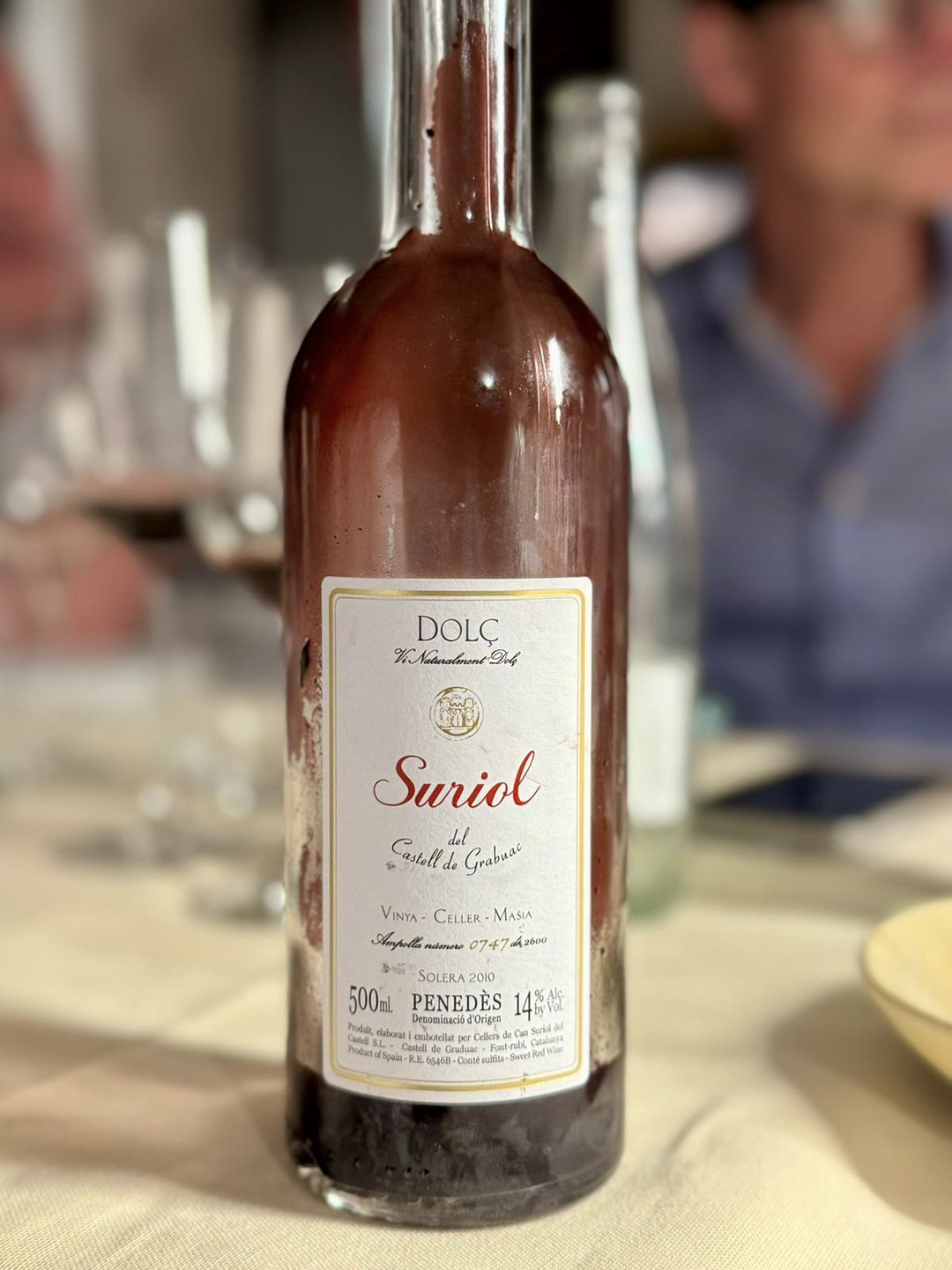


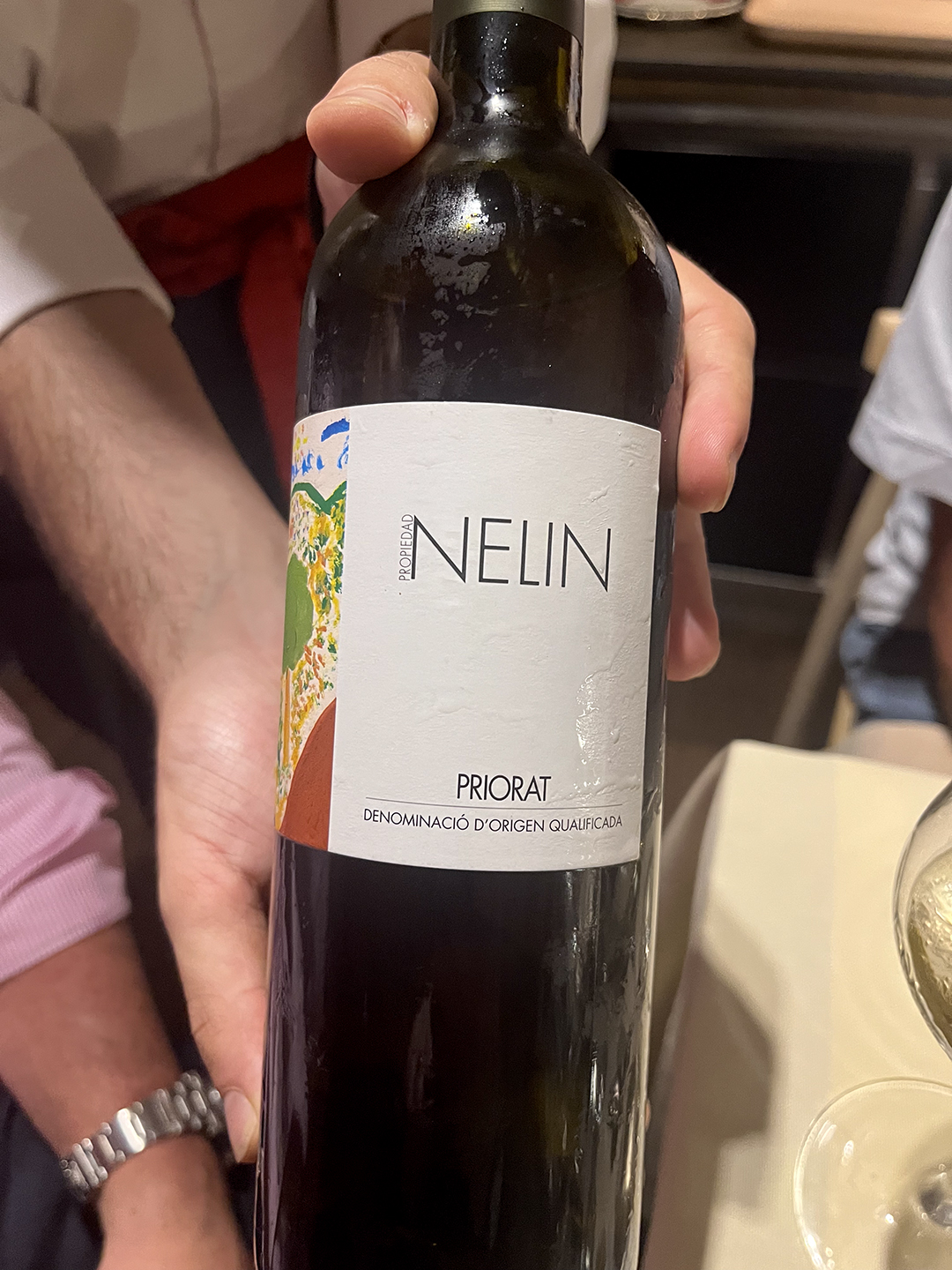
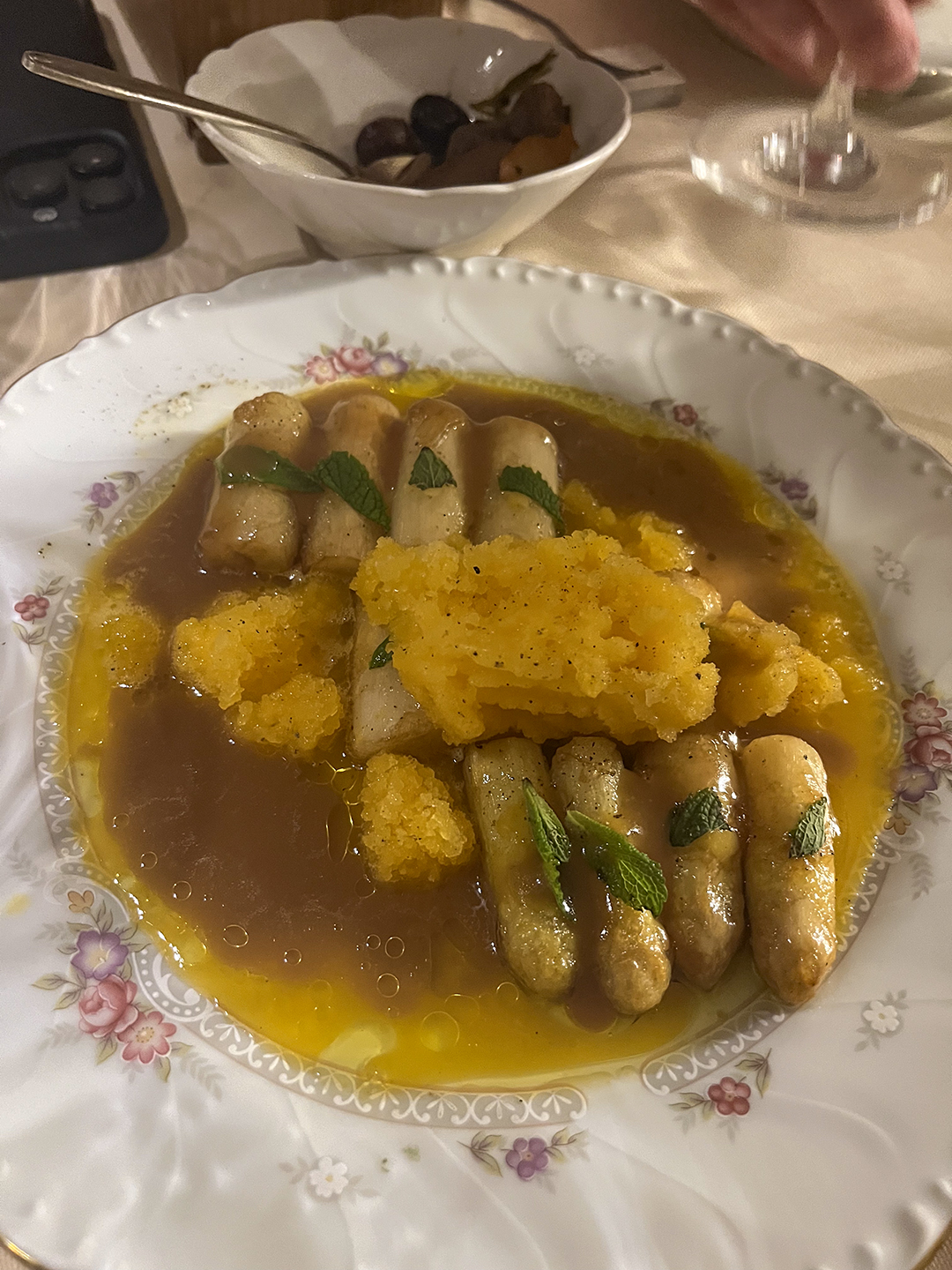
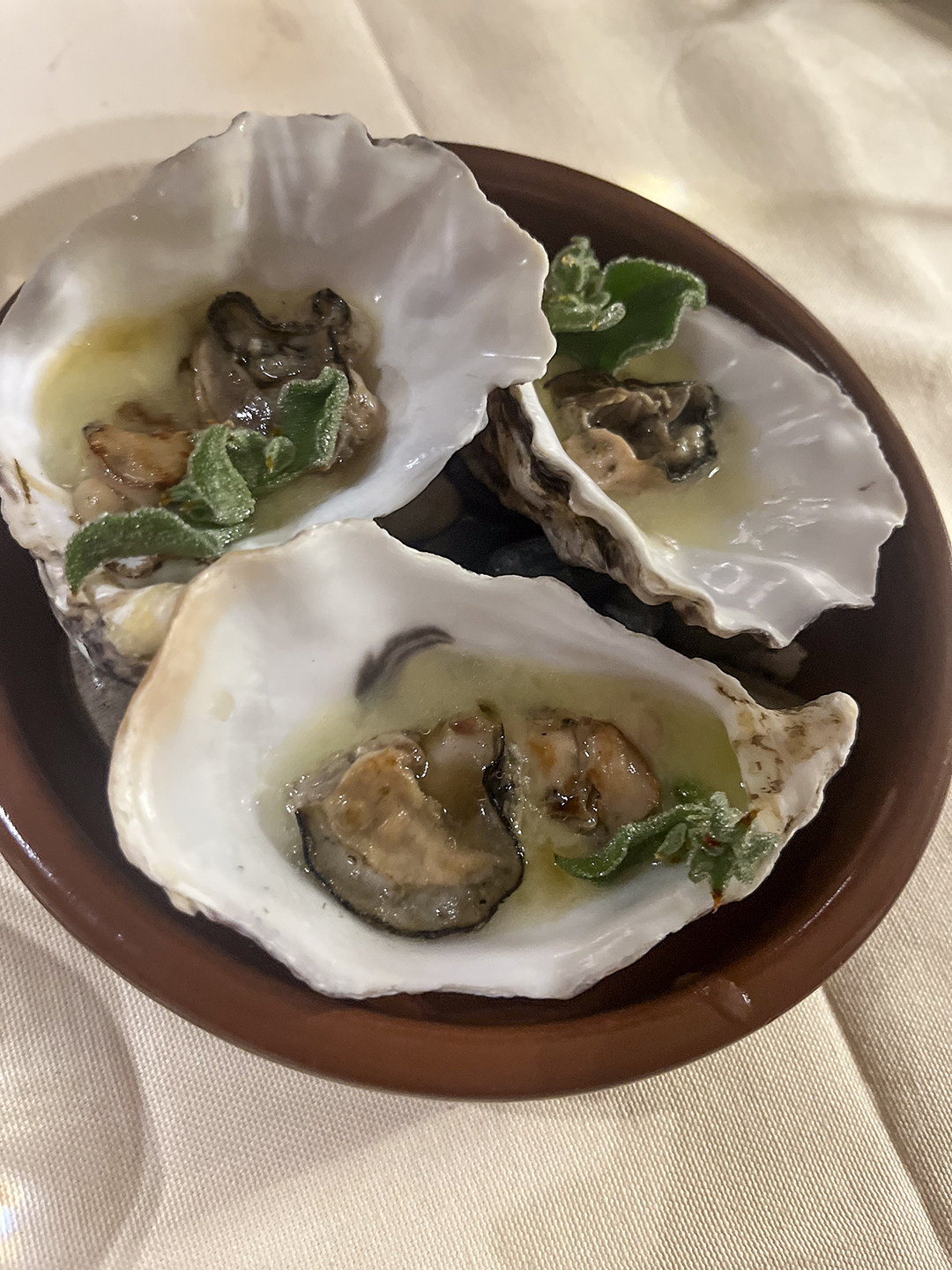
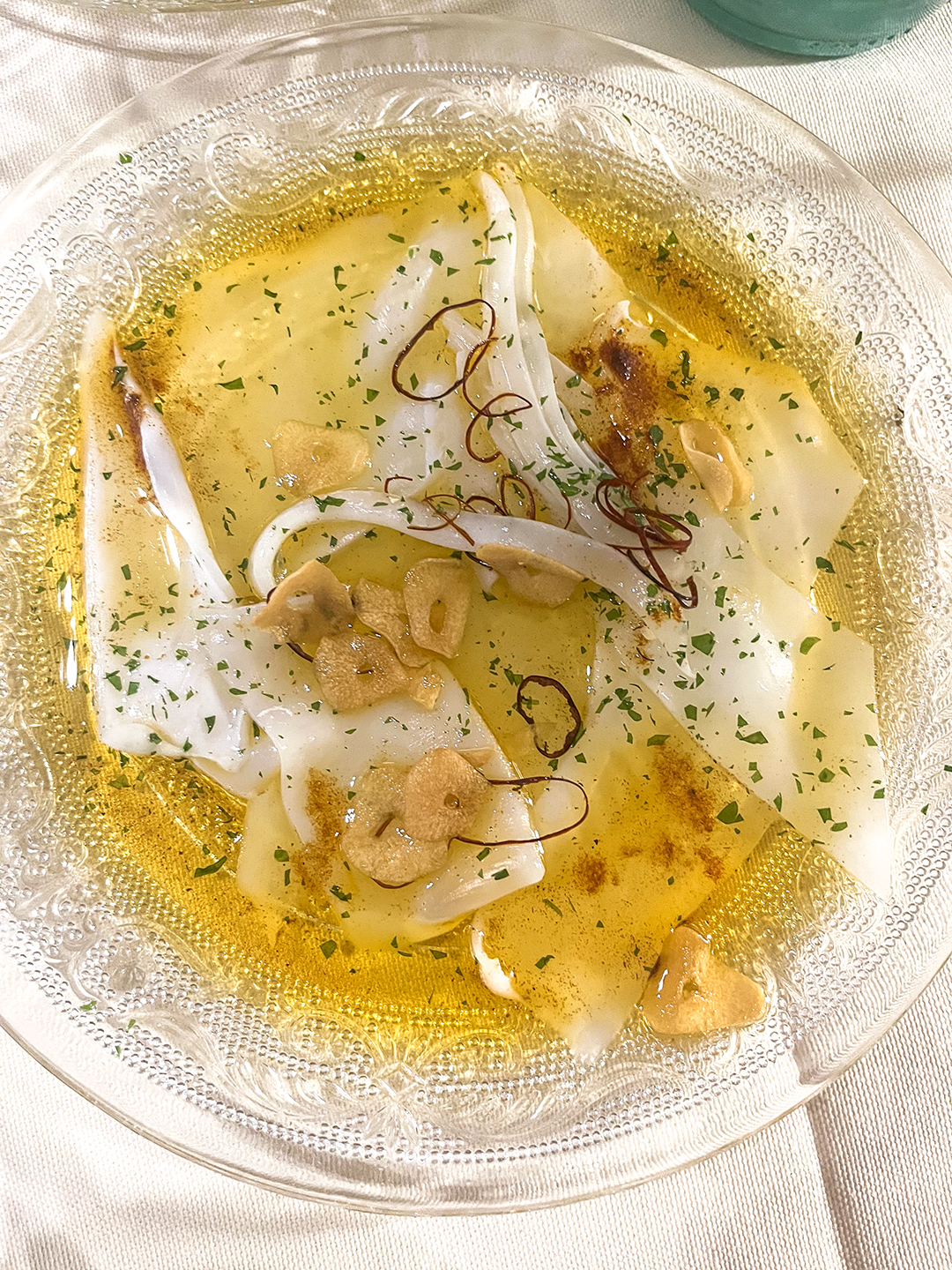
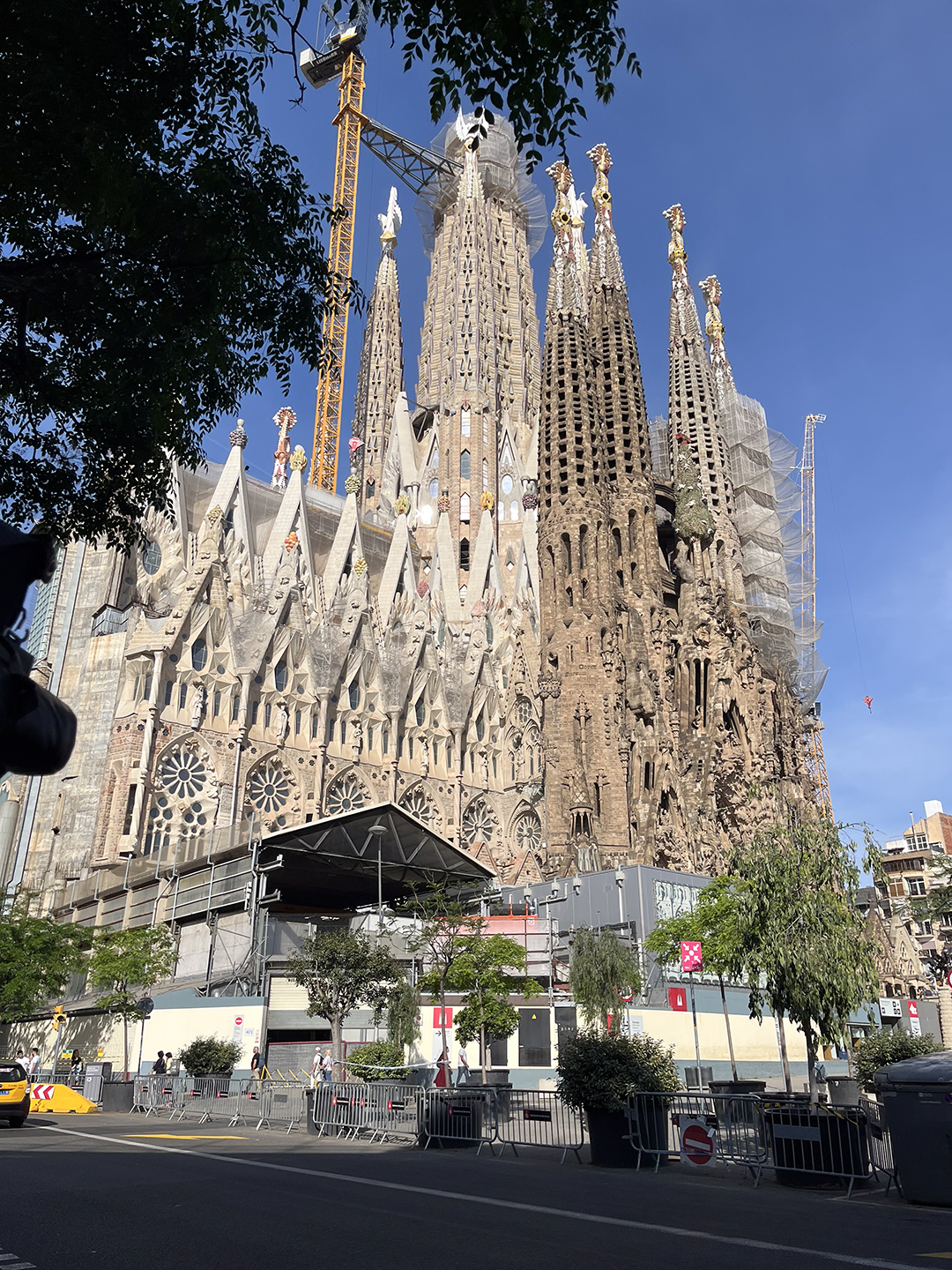
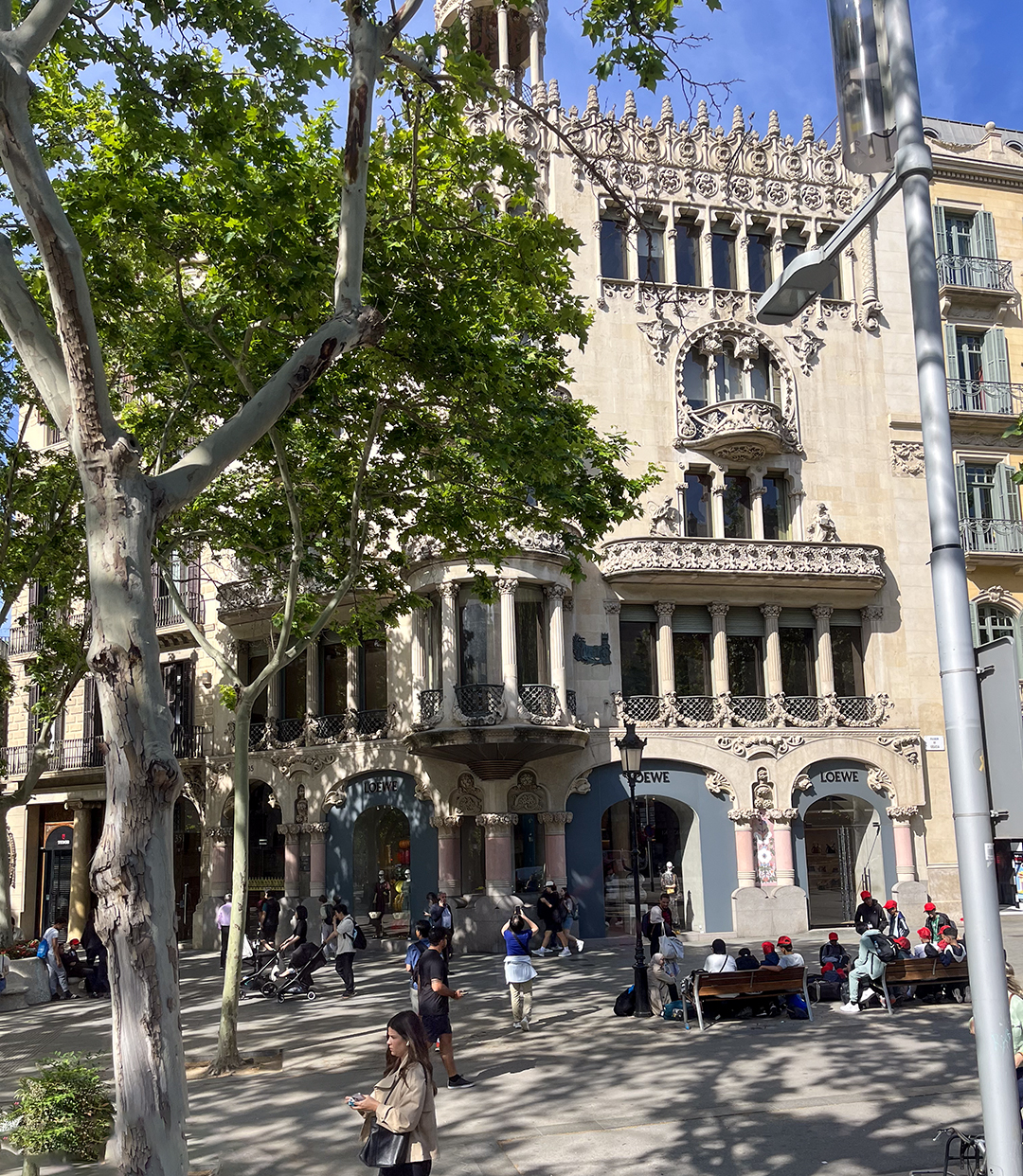
Wednesday, May 21st: Full morning guided tour of Barcelona, including Antoni Gaudi’s unfinished architectural masterpiece, Basilica de la Sagrada Familia, among other examples of the city’s famous “Modernista” architecture.
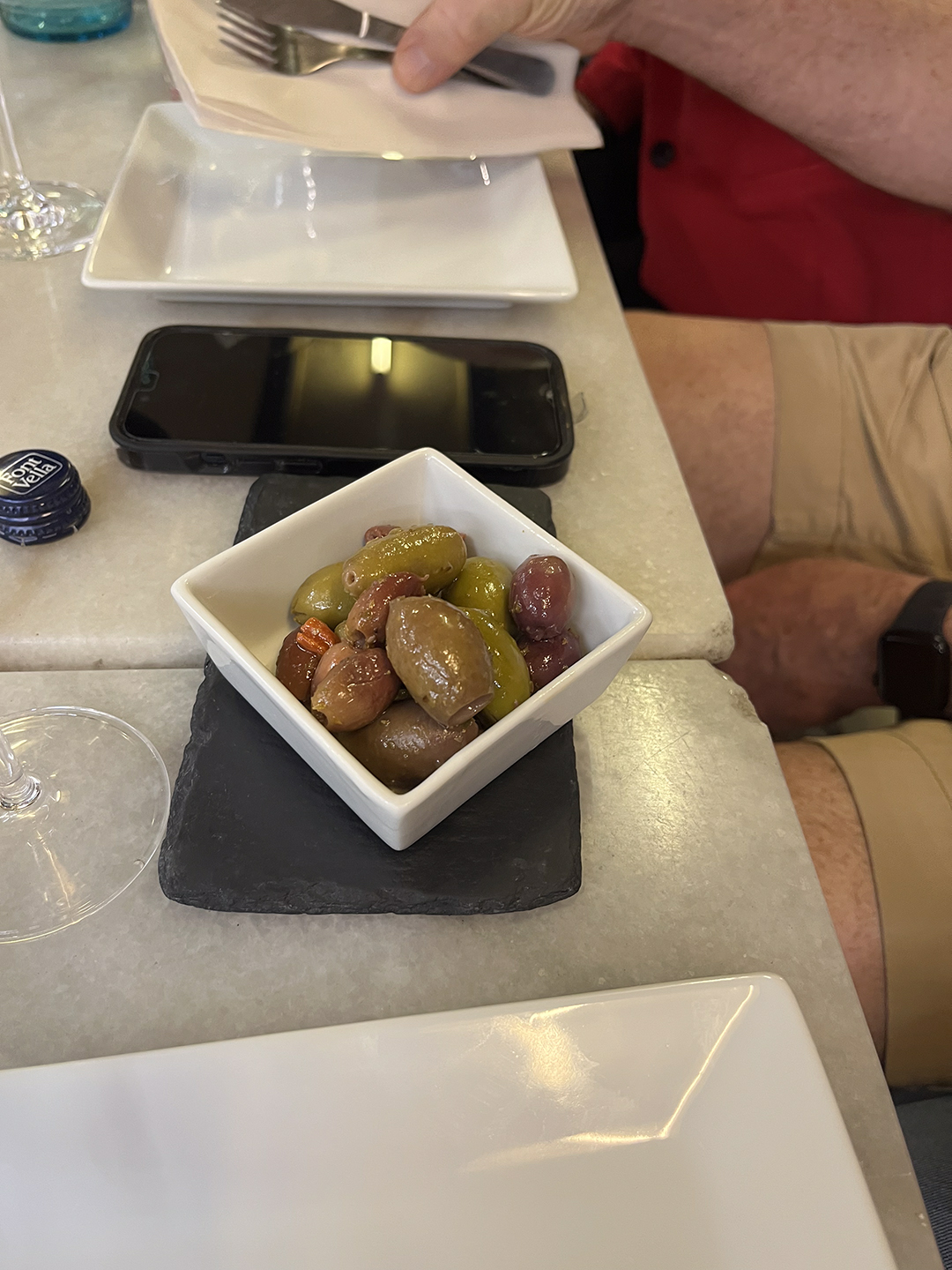
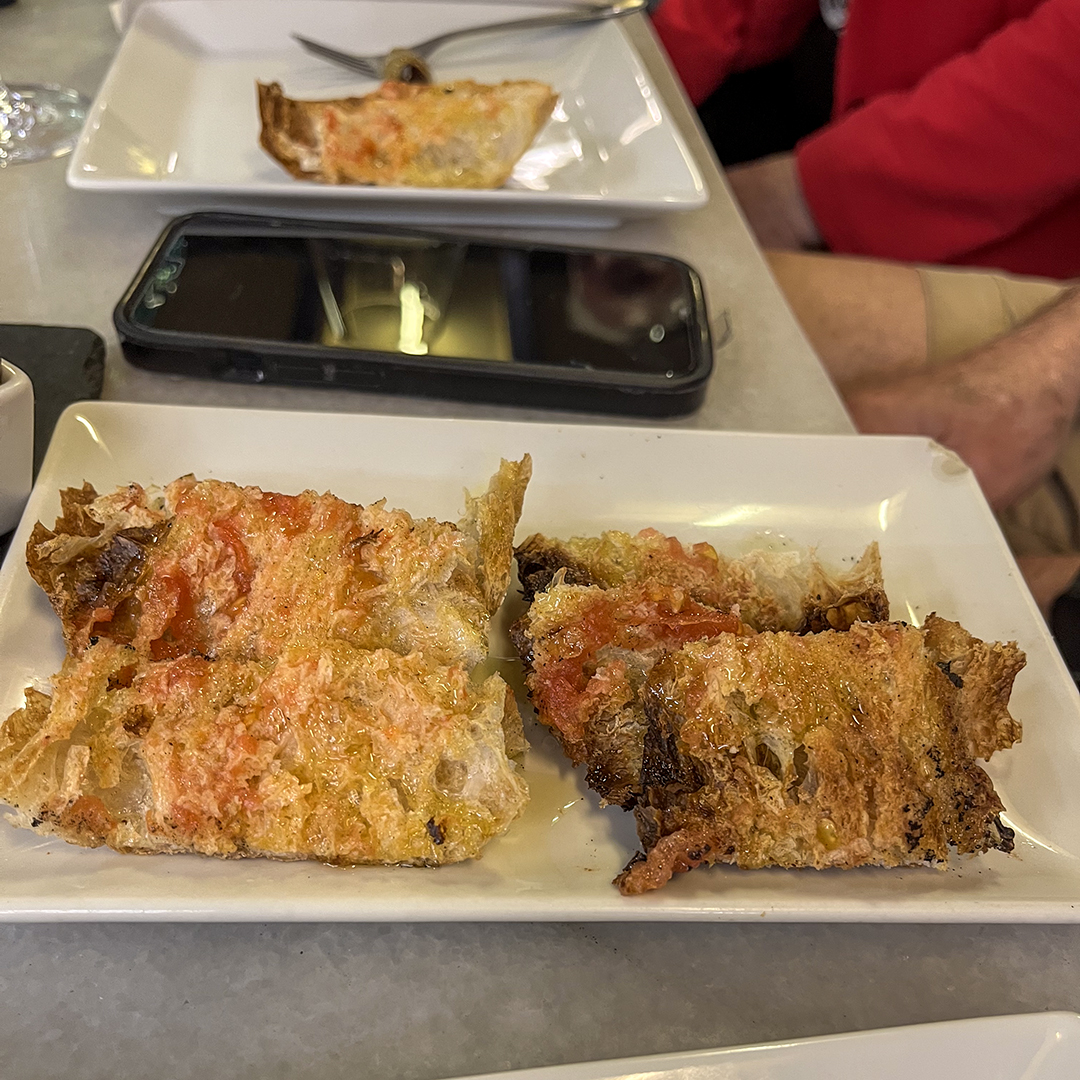
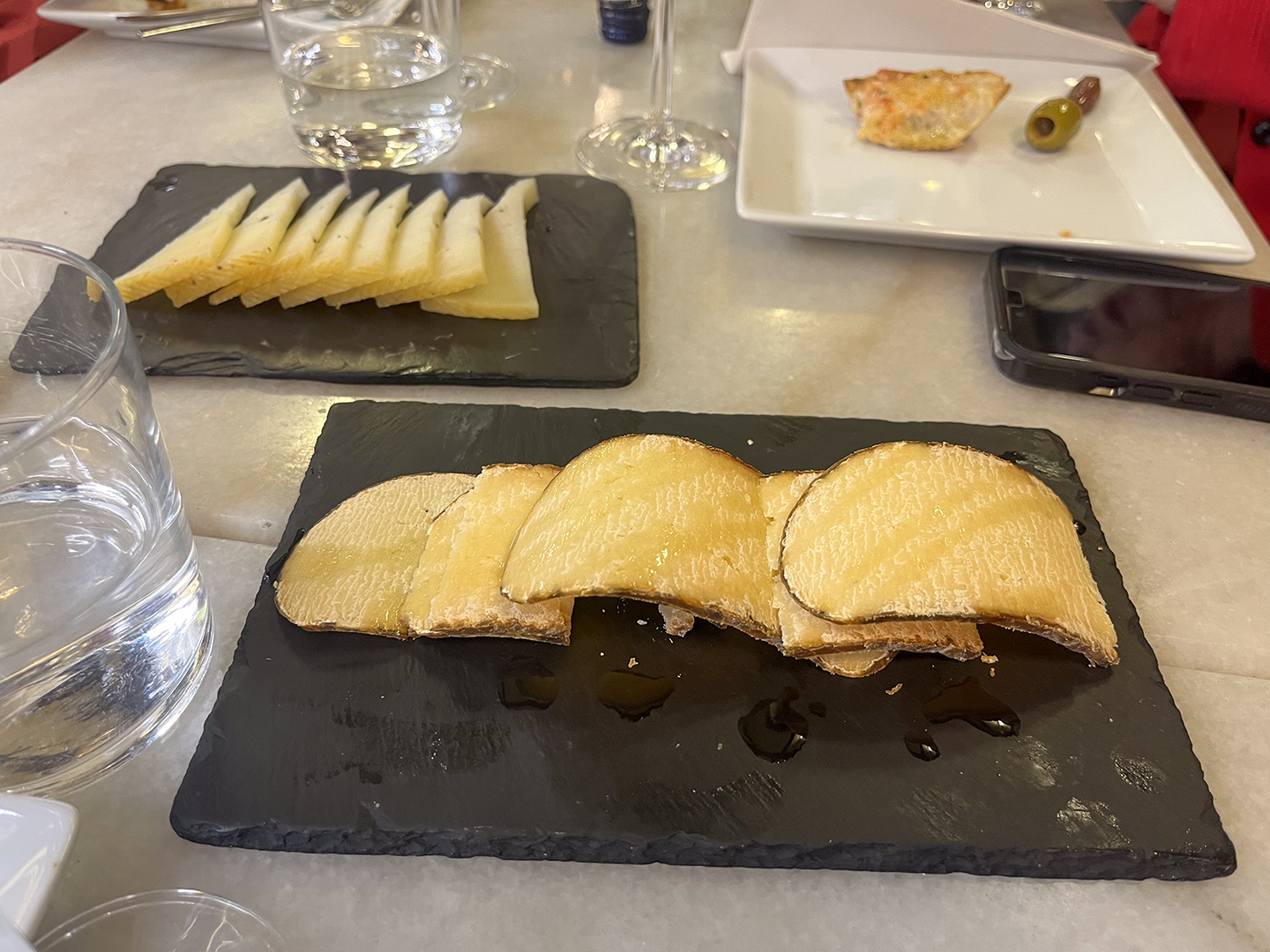
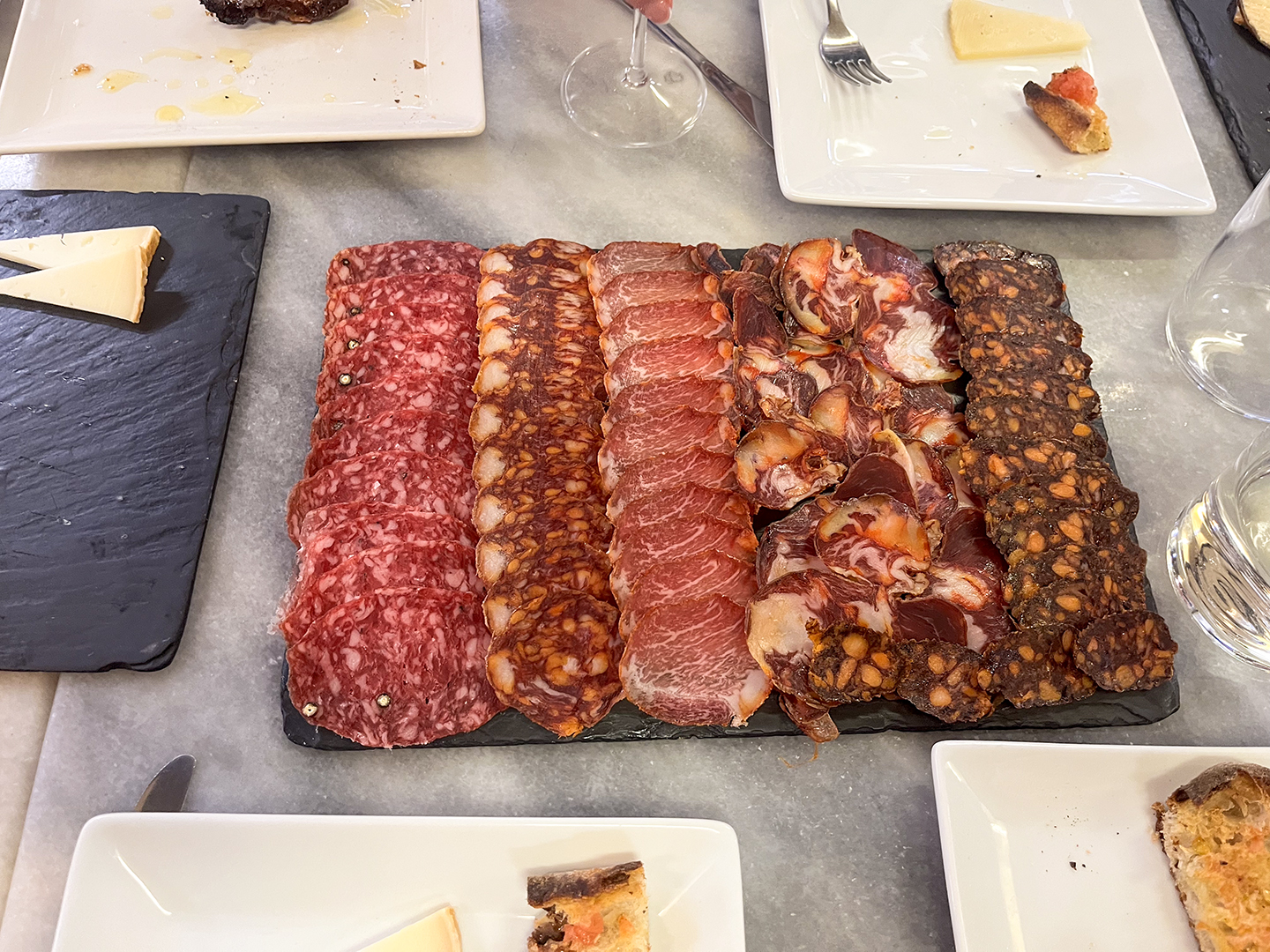
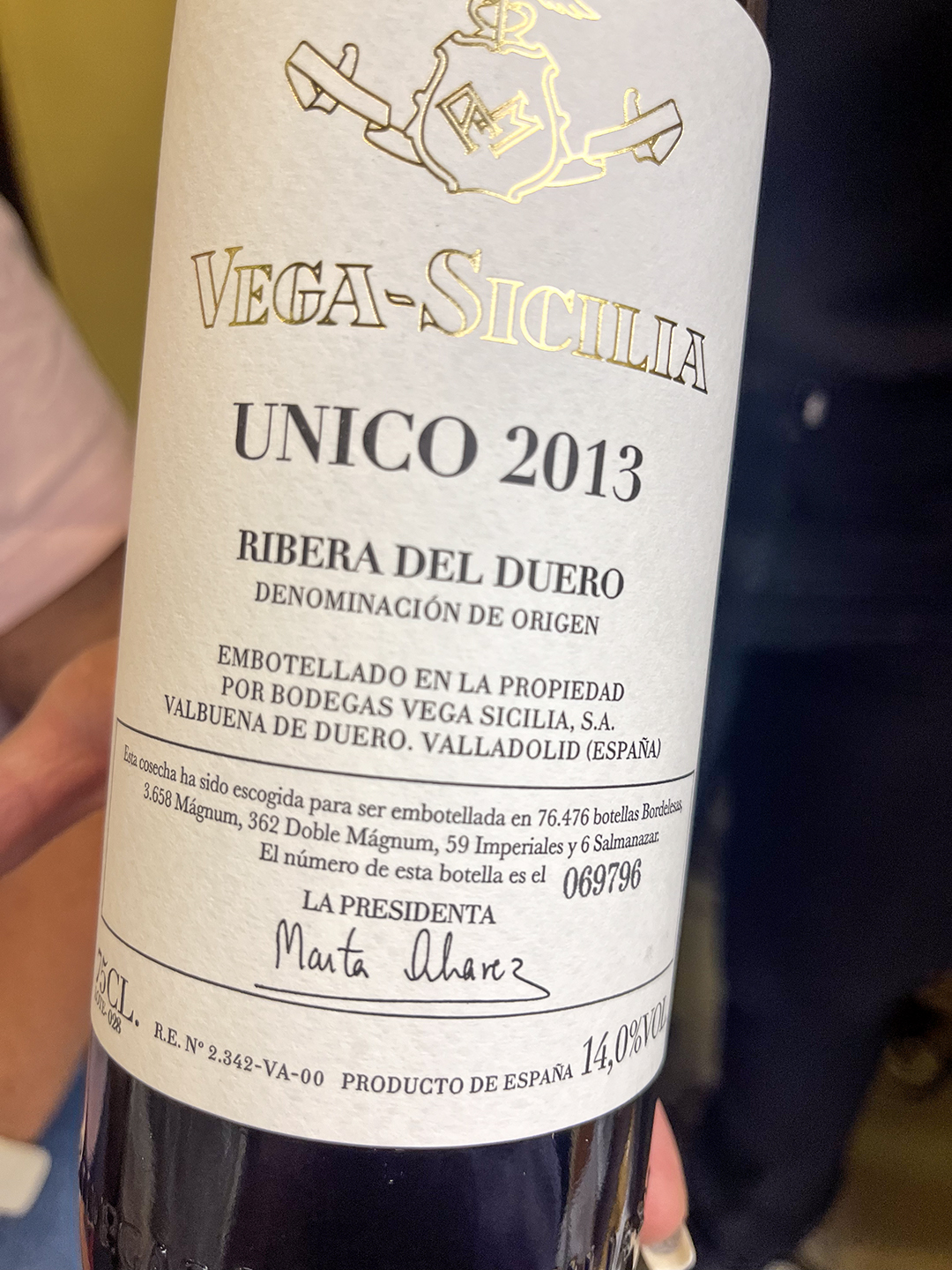
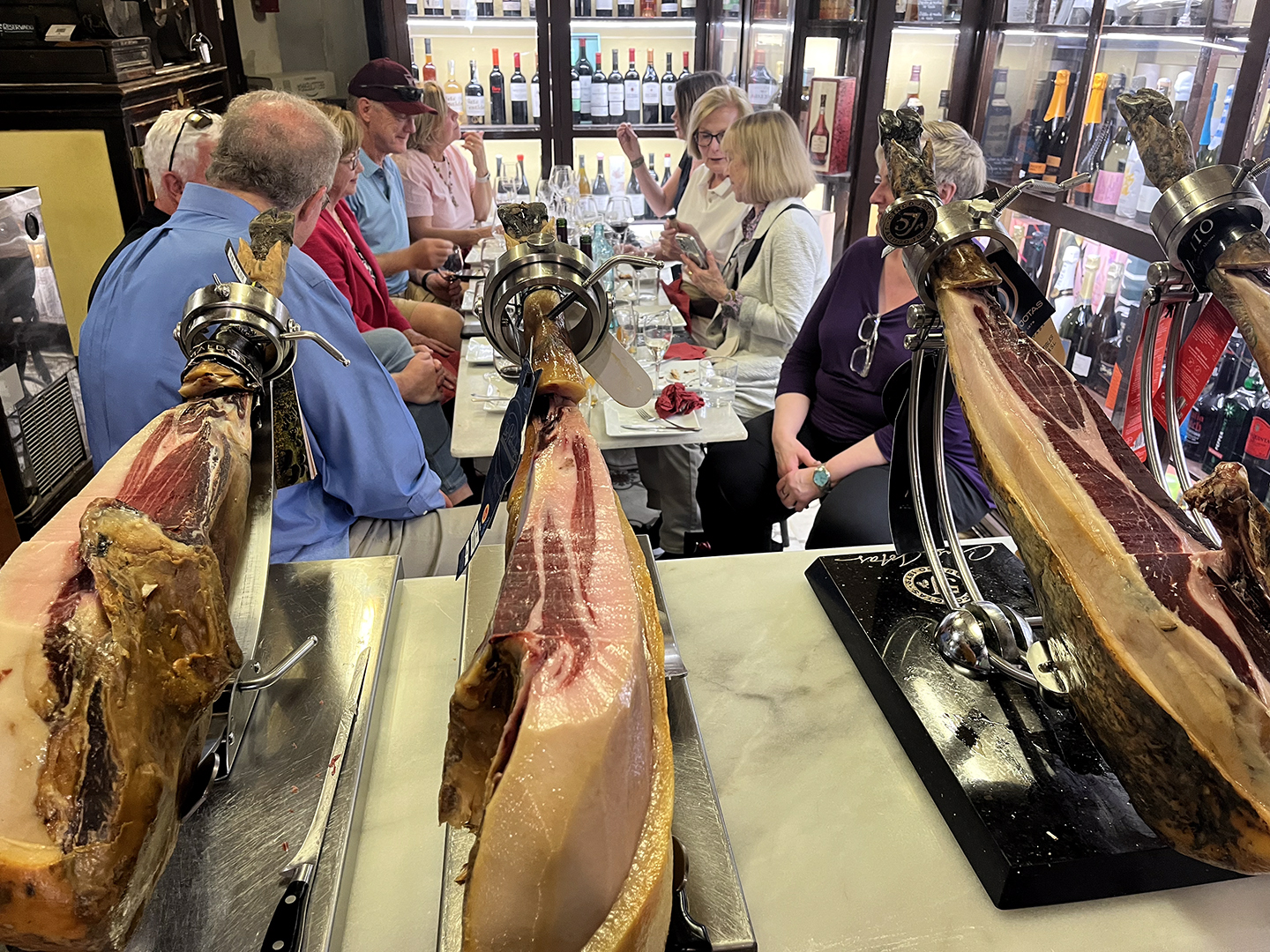
The tour concluded in Barcelona’s Gothic Quarter, or Barri Gòtic, whose narrow medieval streets are filled with trendy bars and Catalan restaurants. Lunched at Xarcuteria La Pineda. Opening wine: Martin Codax Organistrum Albariño. Our generous friend David Knowles bought a bottle of Vega-Sicilia Unico 2013 for the table.
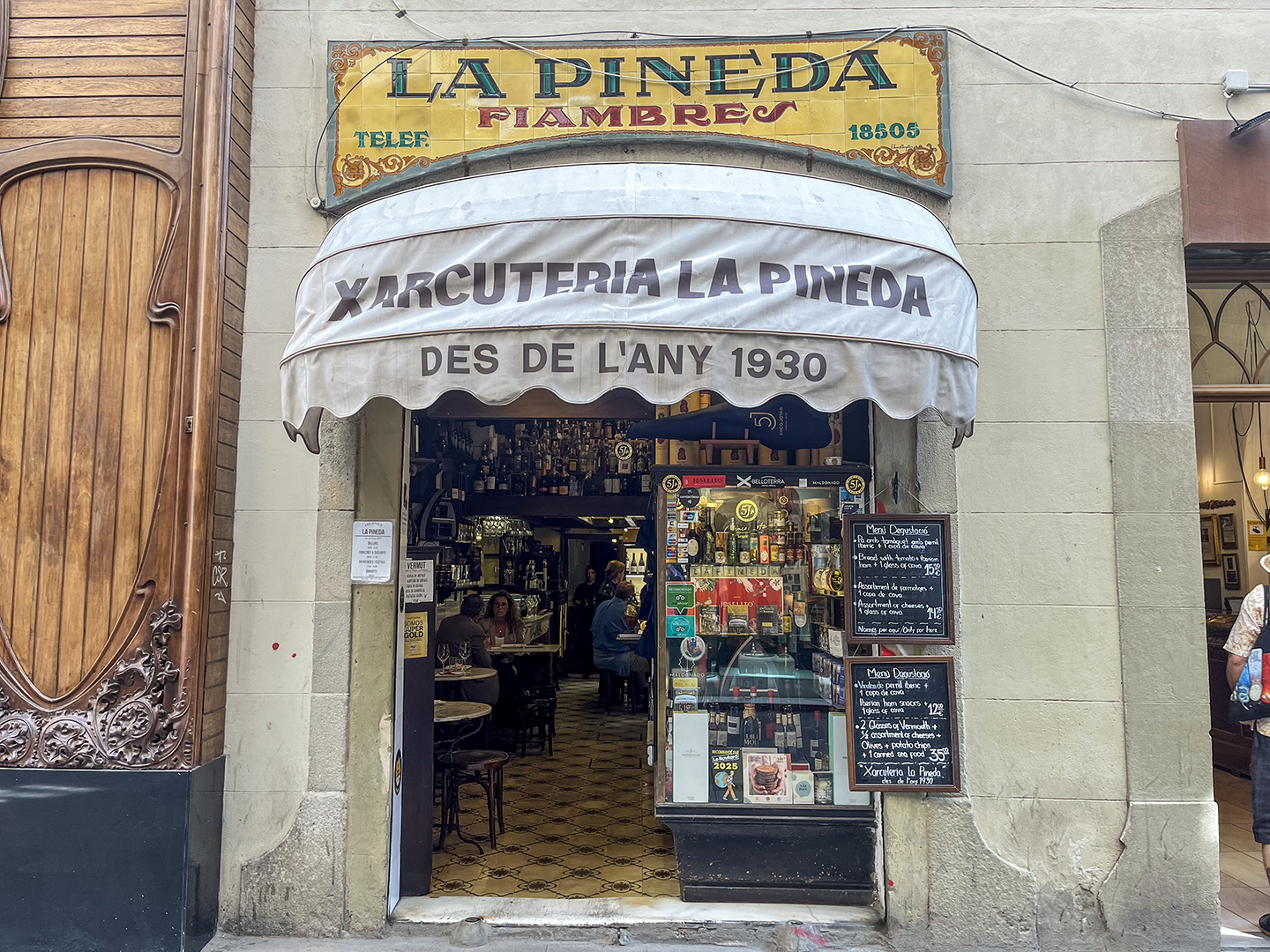
Lunch place



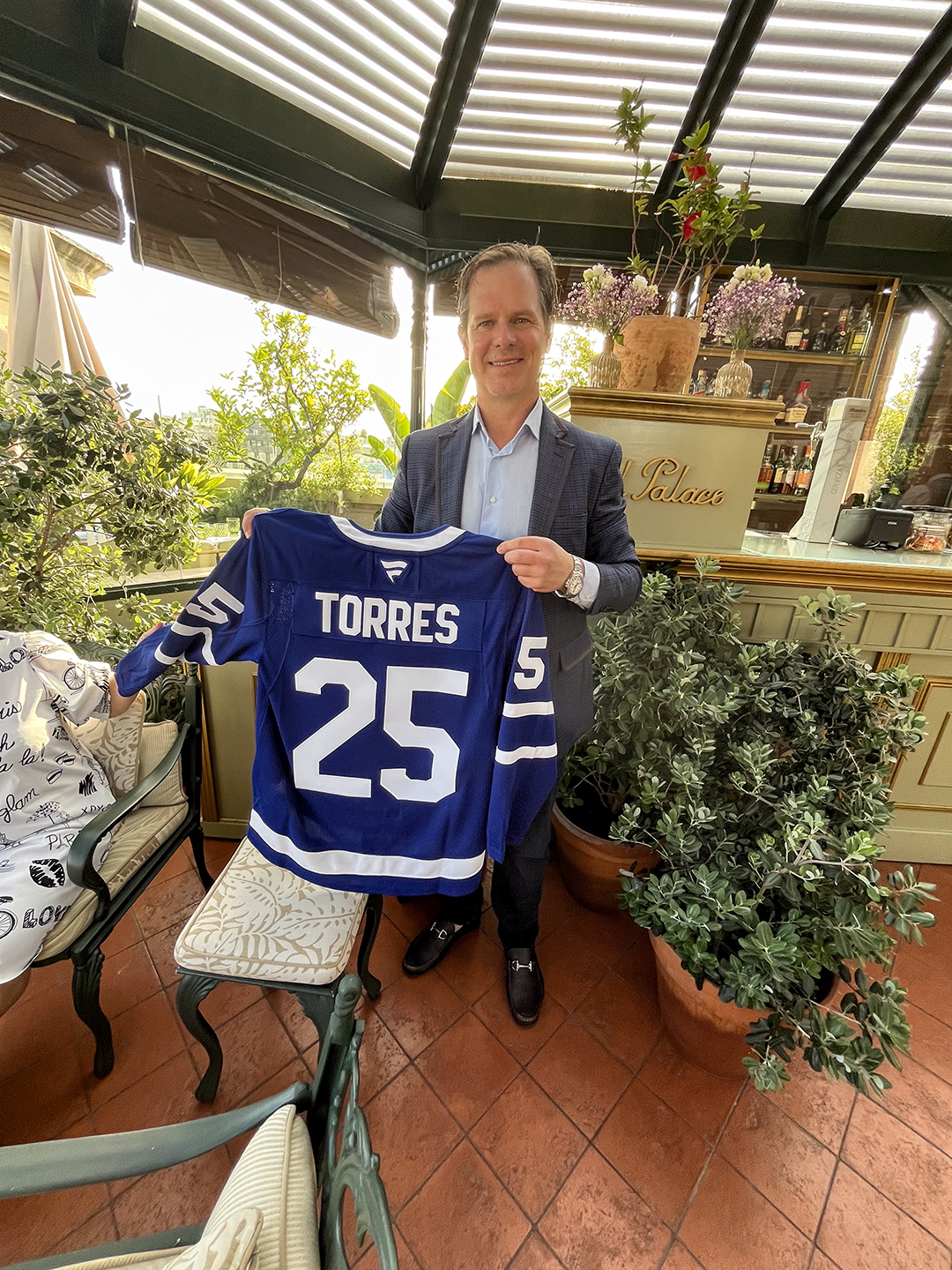
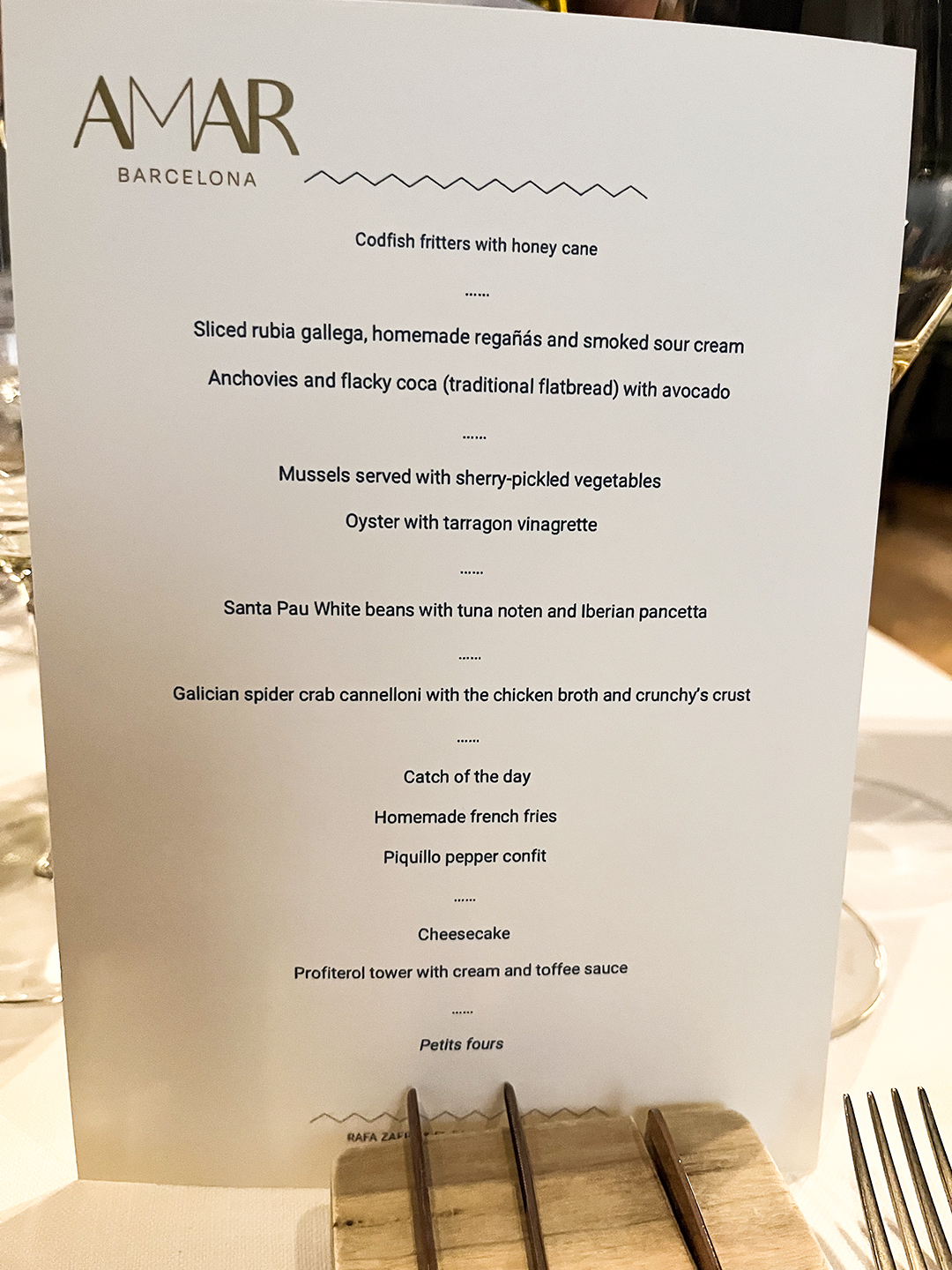
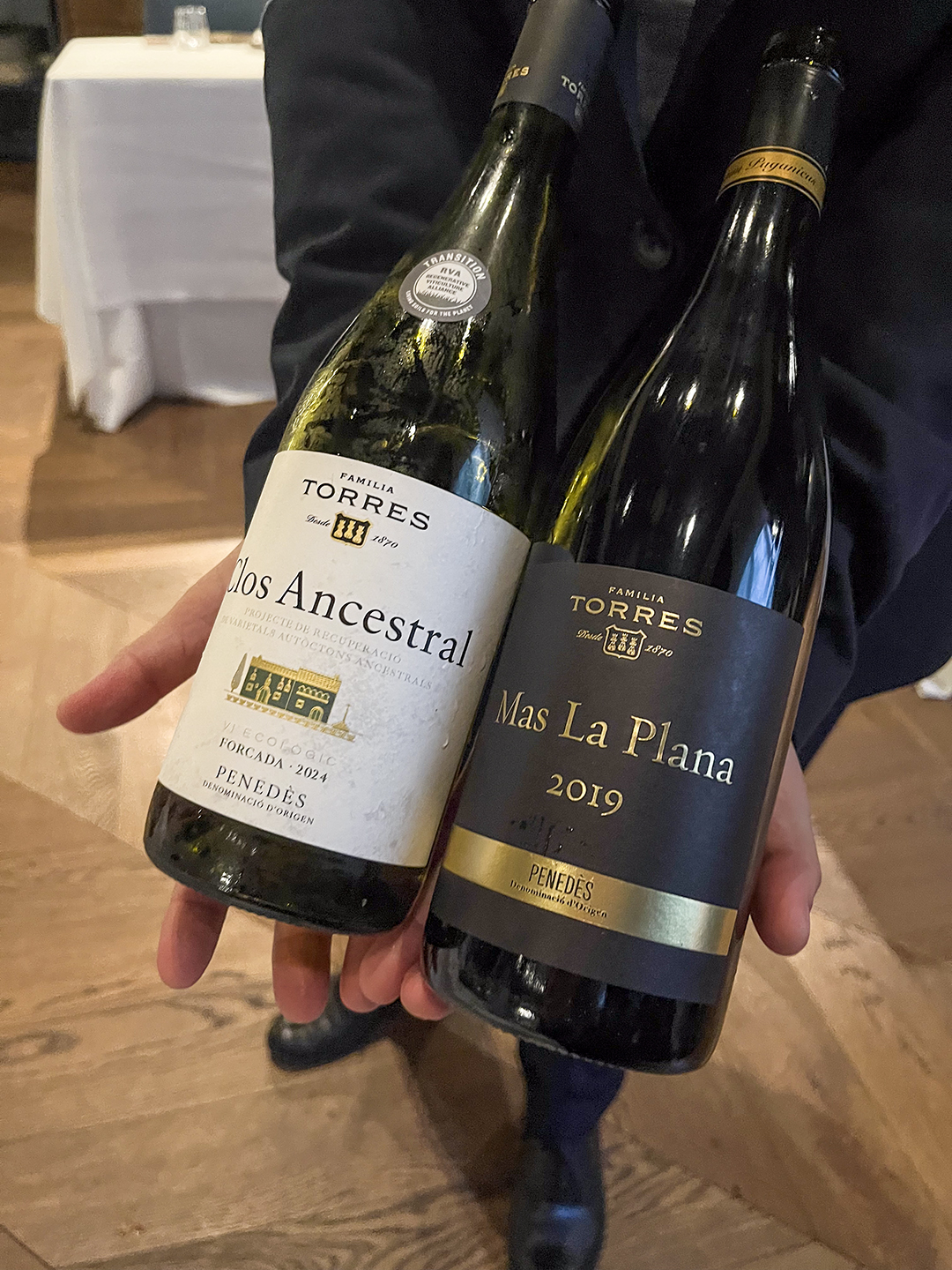
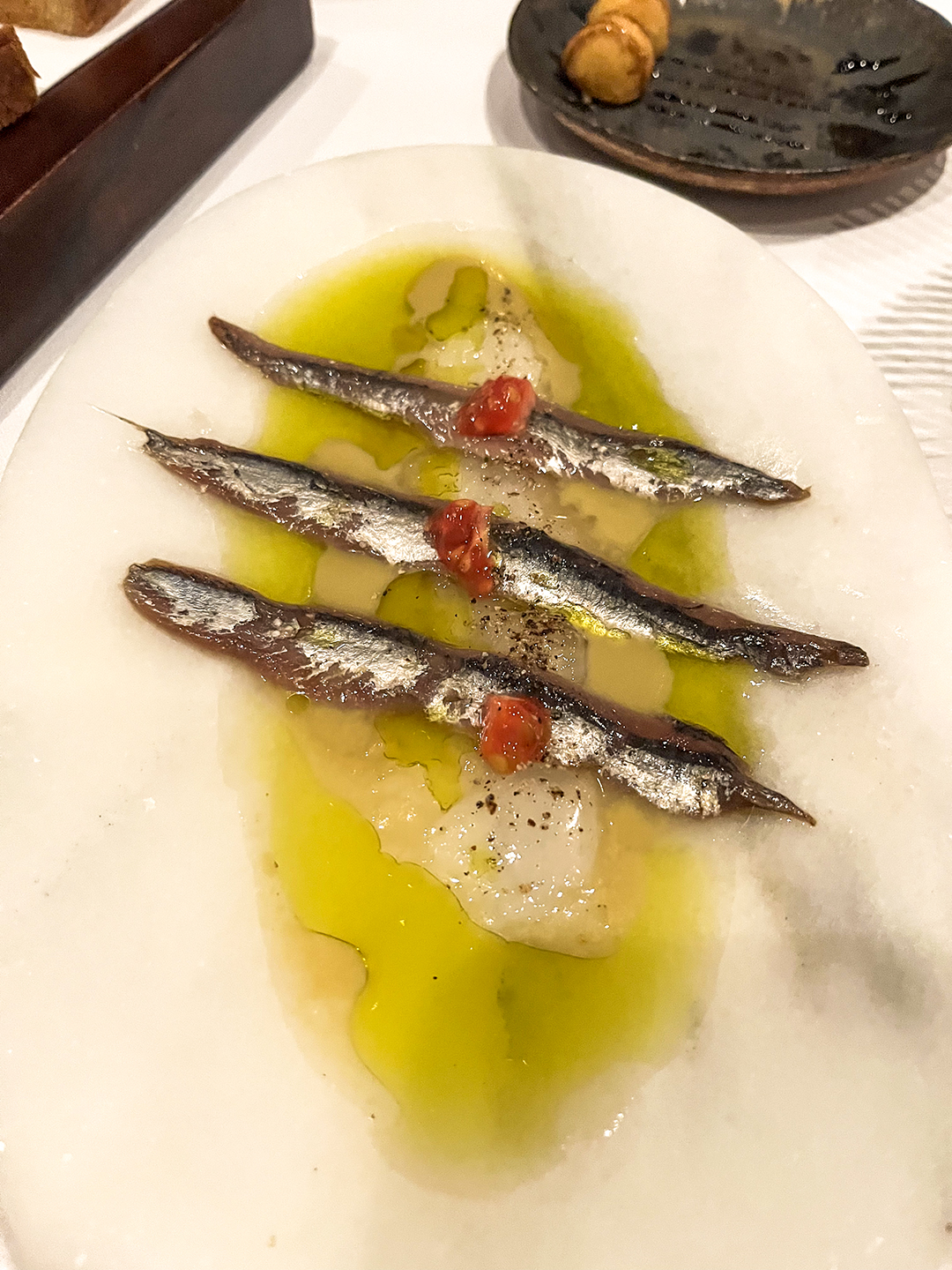
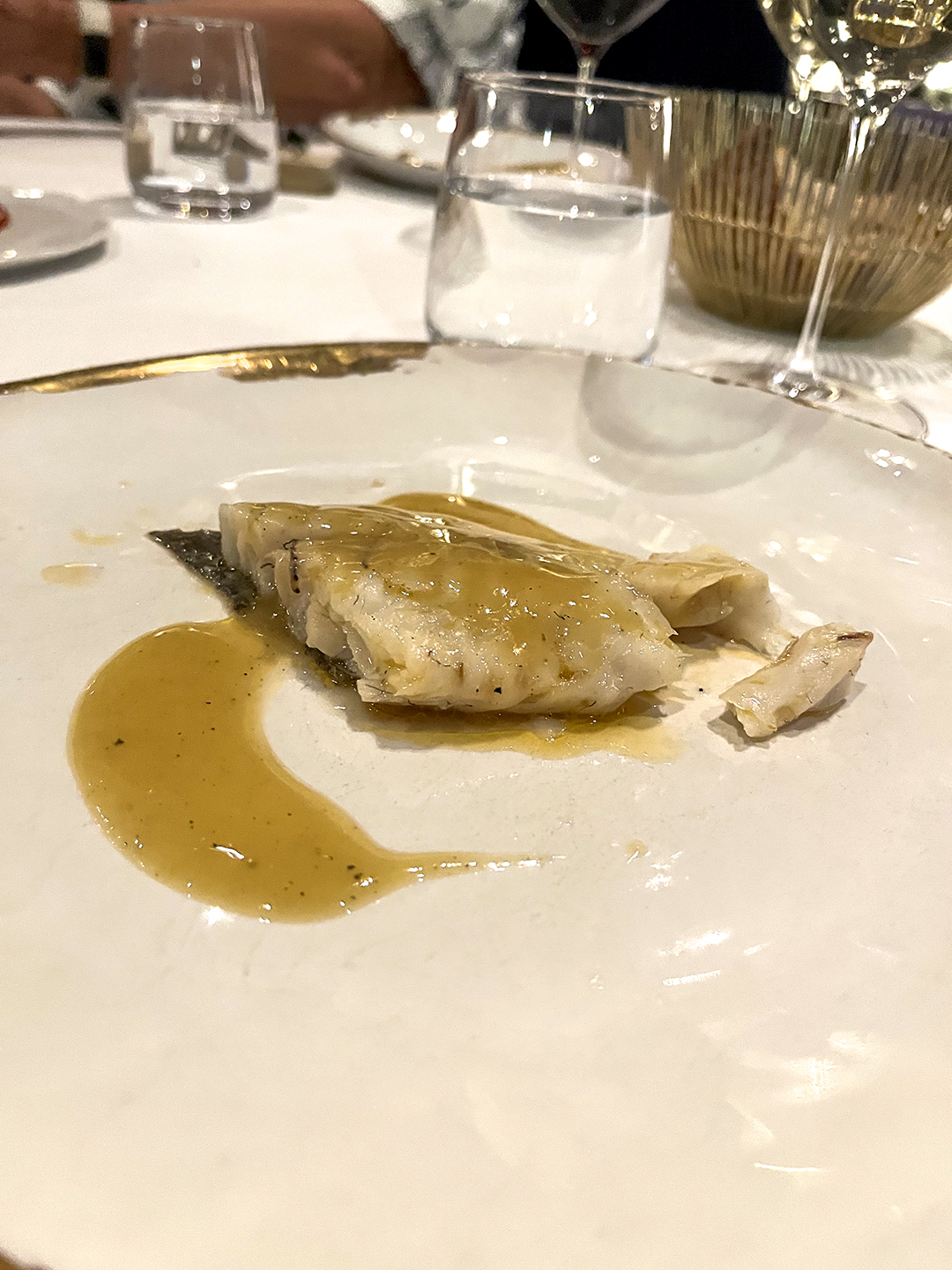
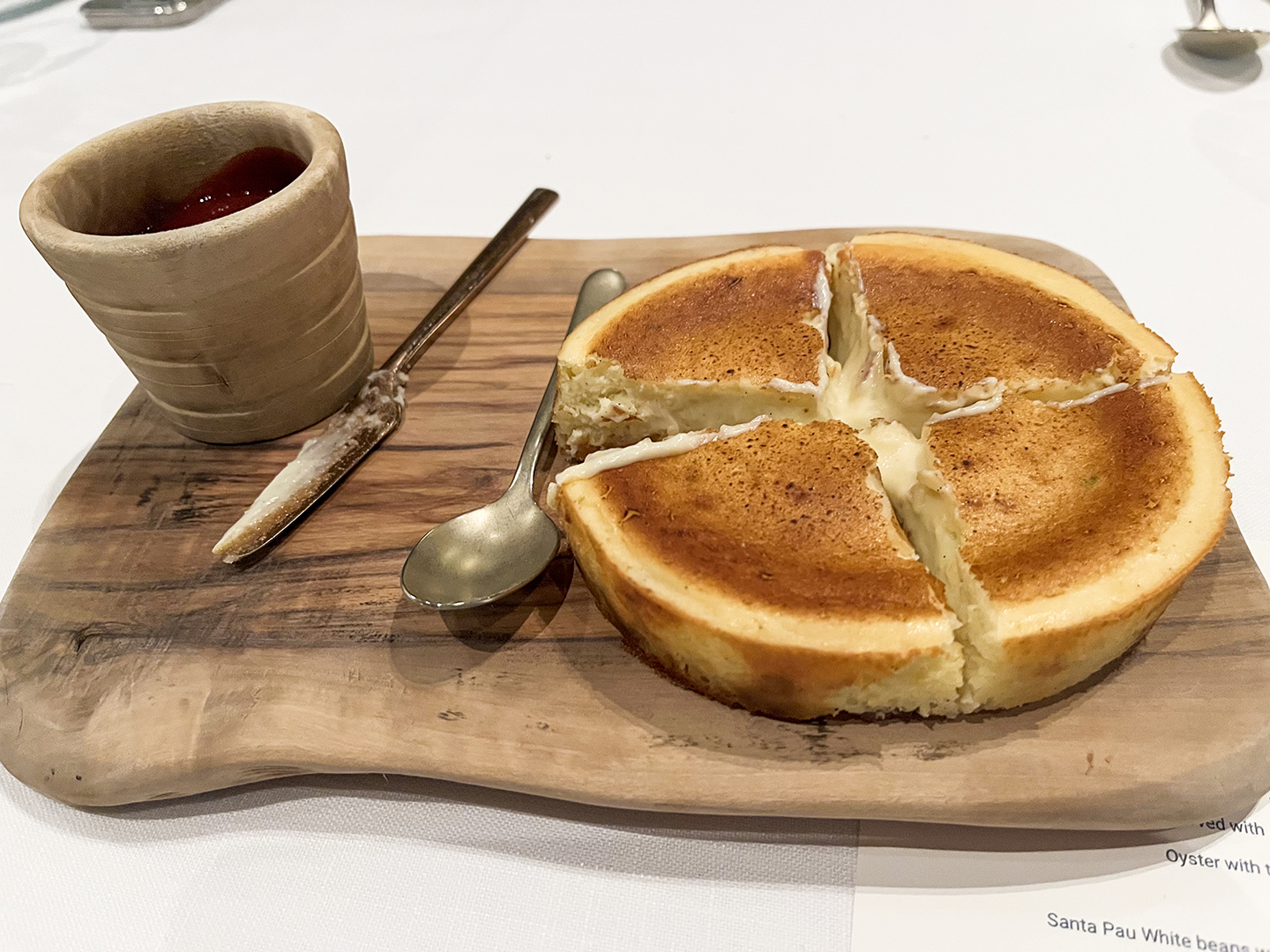
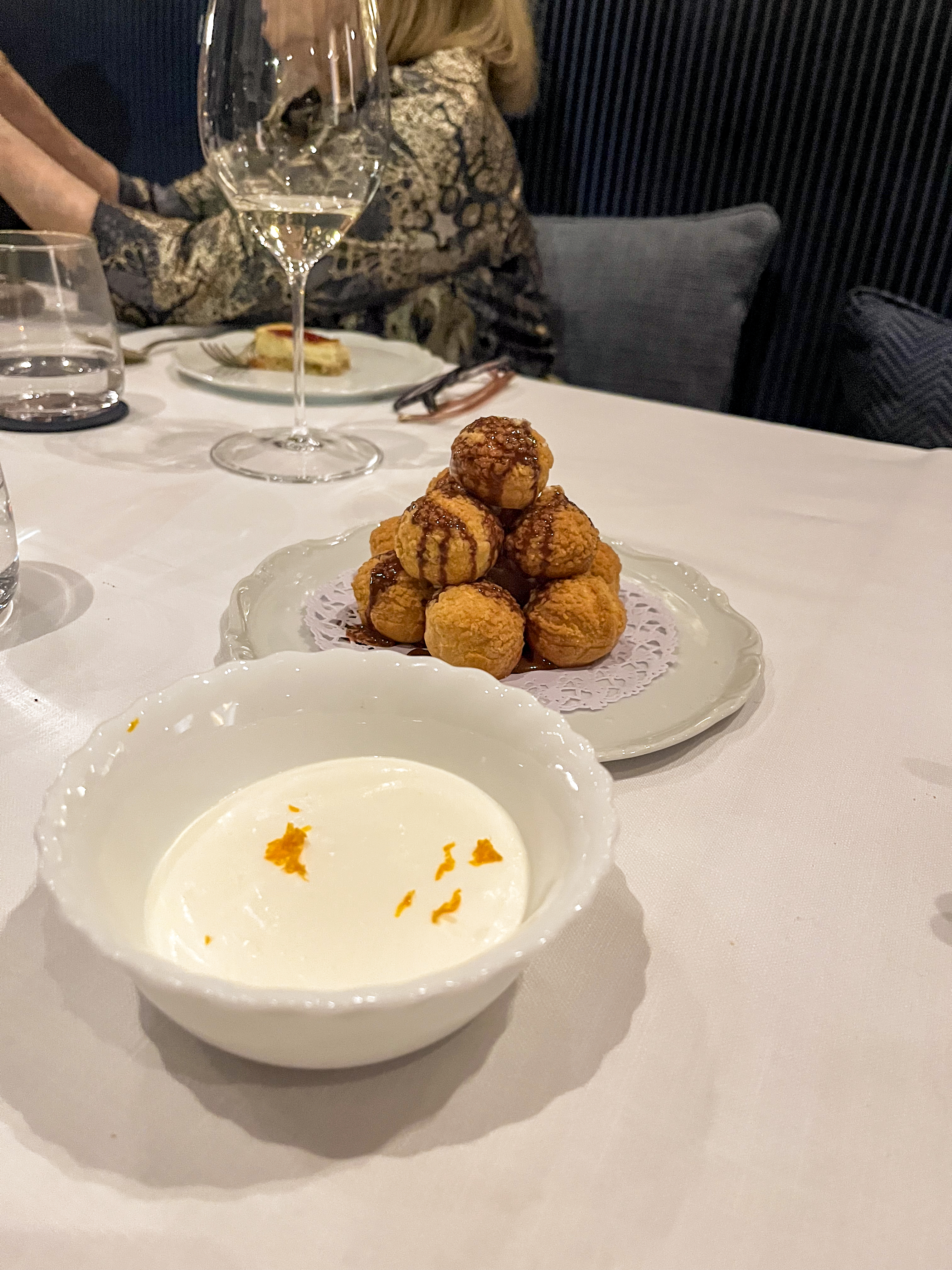
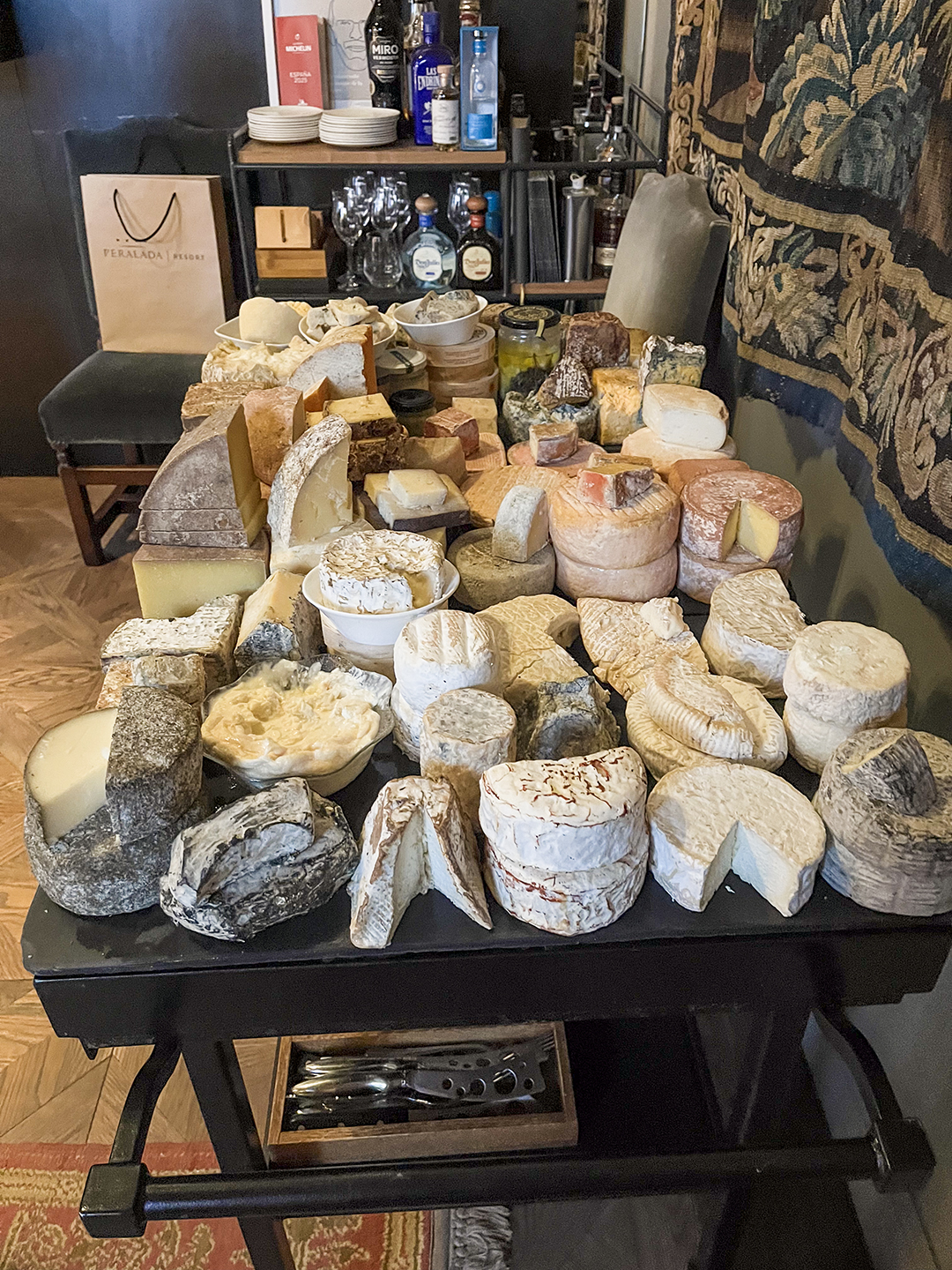
Dinner this evening in our hotel’s own gastronomic seafood restaurant, Amar, helmed by Rafa Zafra, former head chef at the legendary El Bulli Restaurant. Our special guest is Miguel Torres, inarguably the most influential personality in the Spanish wine scene for the last half century. Steve presented him with a Maple Leafs jersey with his name on it and the number 25 (for this year’s trip.)


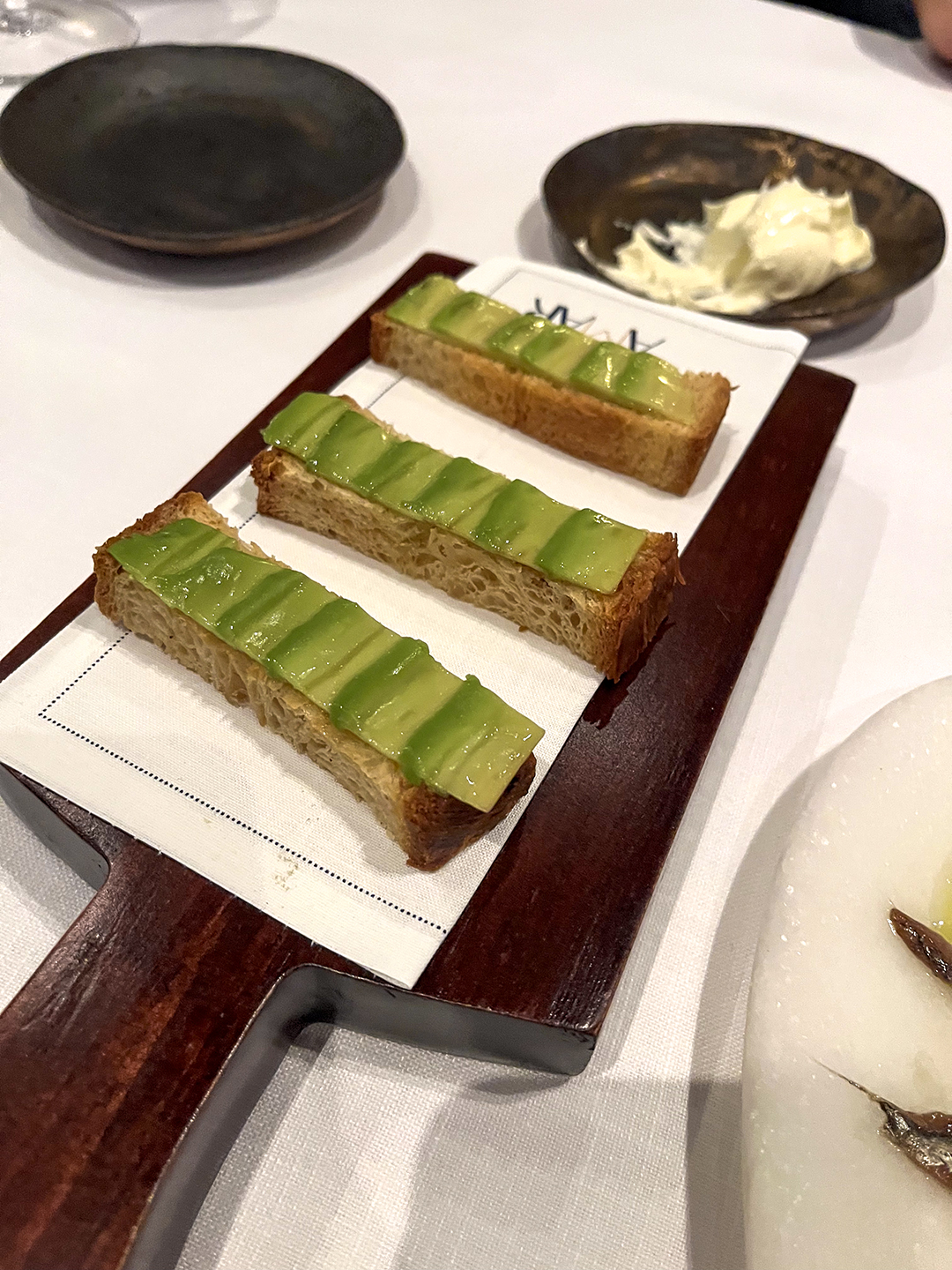


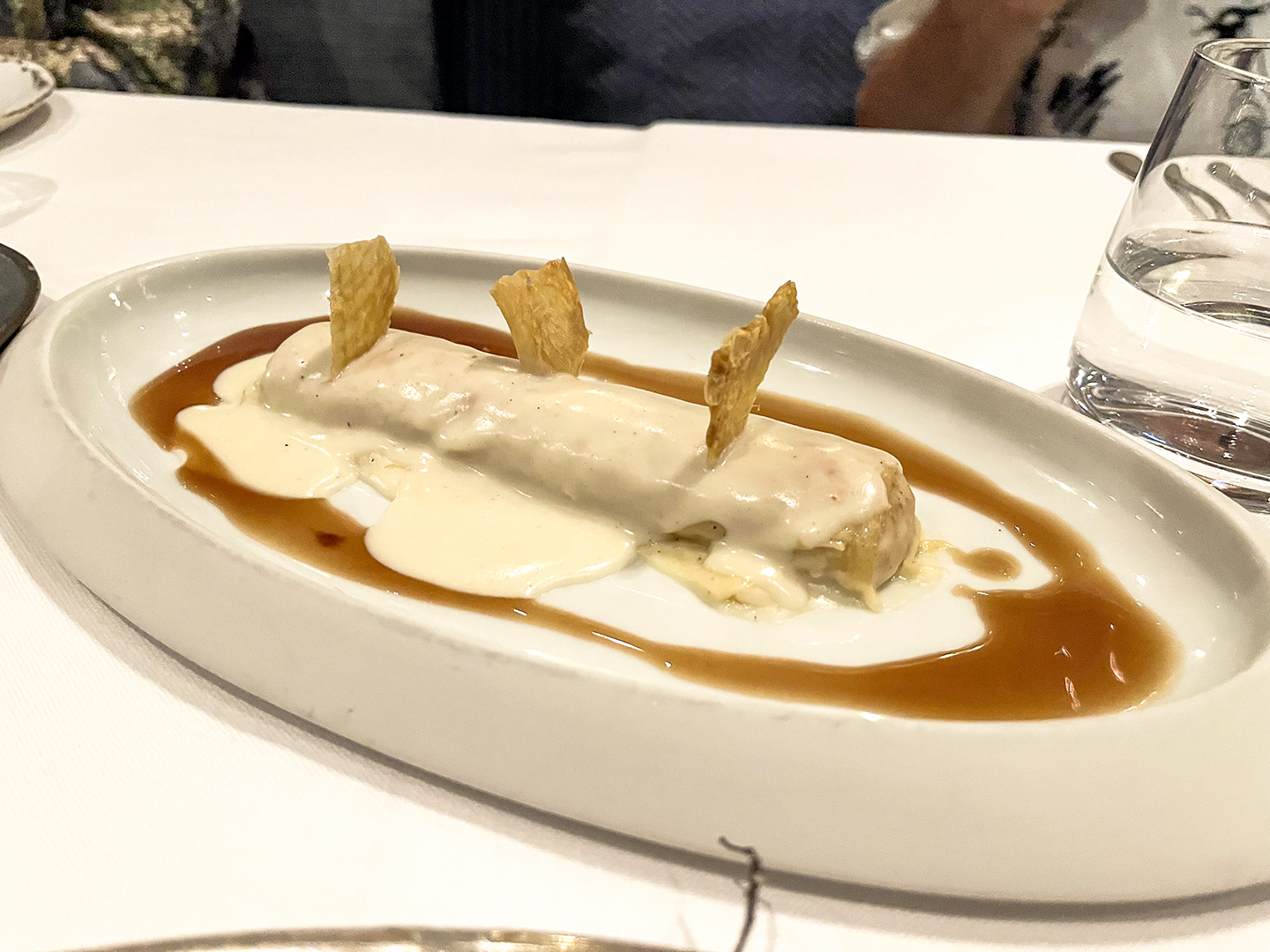
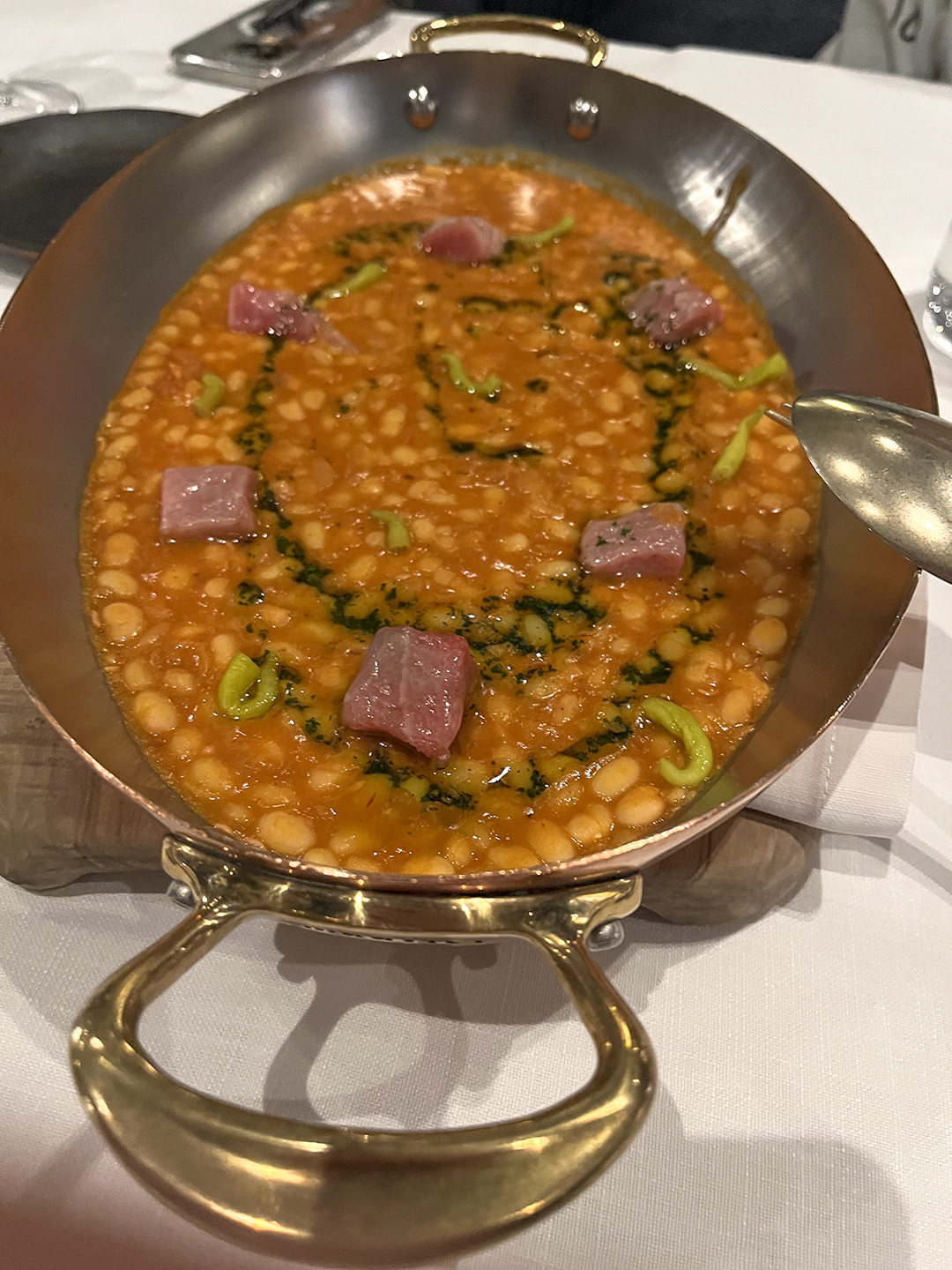
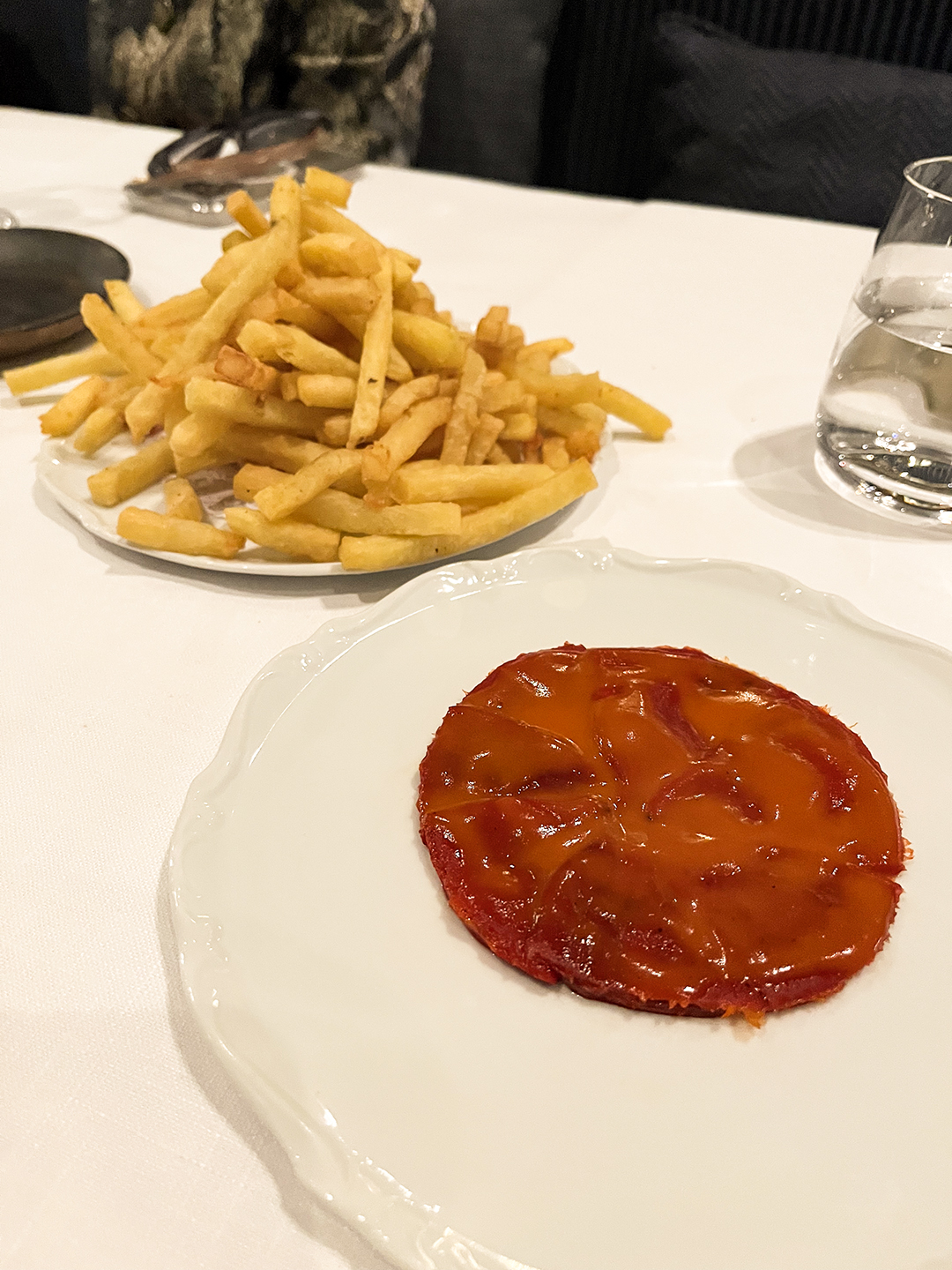
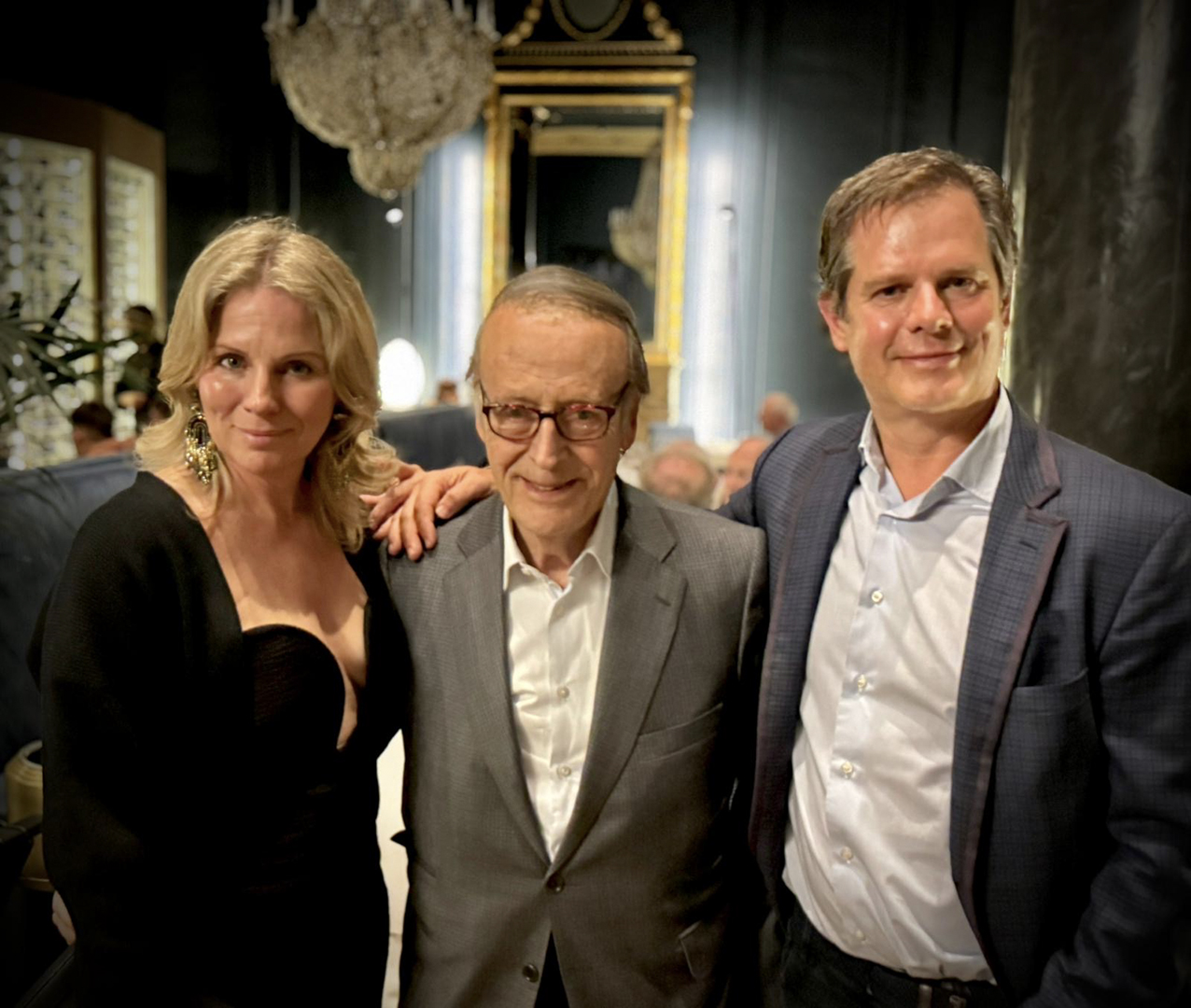
Miguel Torres with Cathy Martin and Steve Pauwels
Thursday, May 22nd: This morning, we drove 100 km to Girona, situated between Barcelona and the Costa Brava. This charming city is famed for its medieval architecture and the narrow winding city streets of its old town (which many will recognize for its settings in the Game of Thrones series). The Jewish Quarter in Girona is one of the best preserved in the world. Here. our guide told us that Salvador Dali waxed his famous moustache with honey – to attract flies! She said he was obsessed with flies, that they appear in his paintings and Sigmund Freud told him the only way to rid himself of his obsession was to paint them!
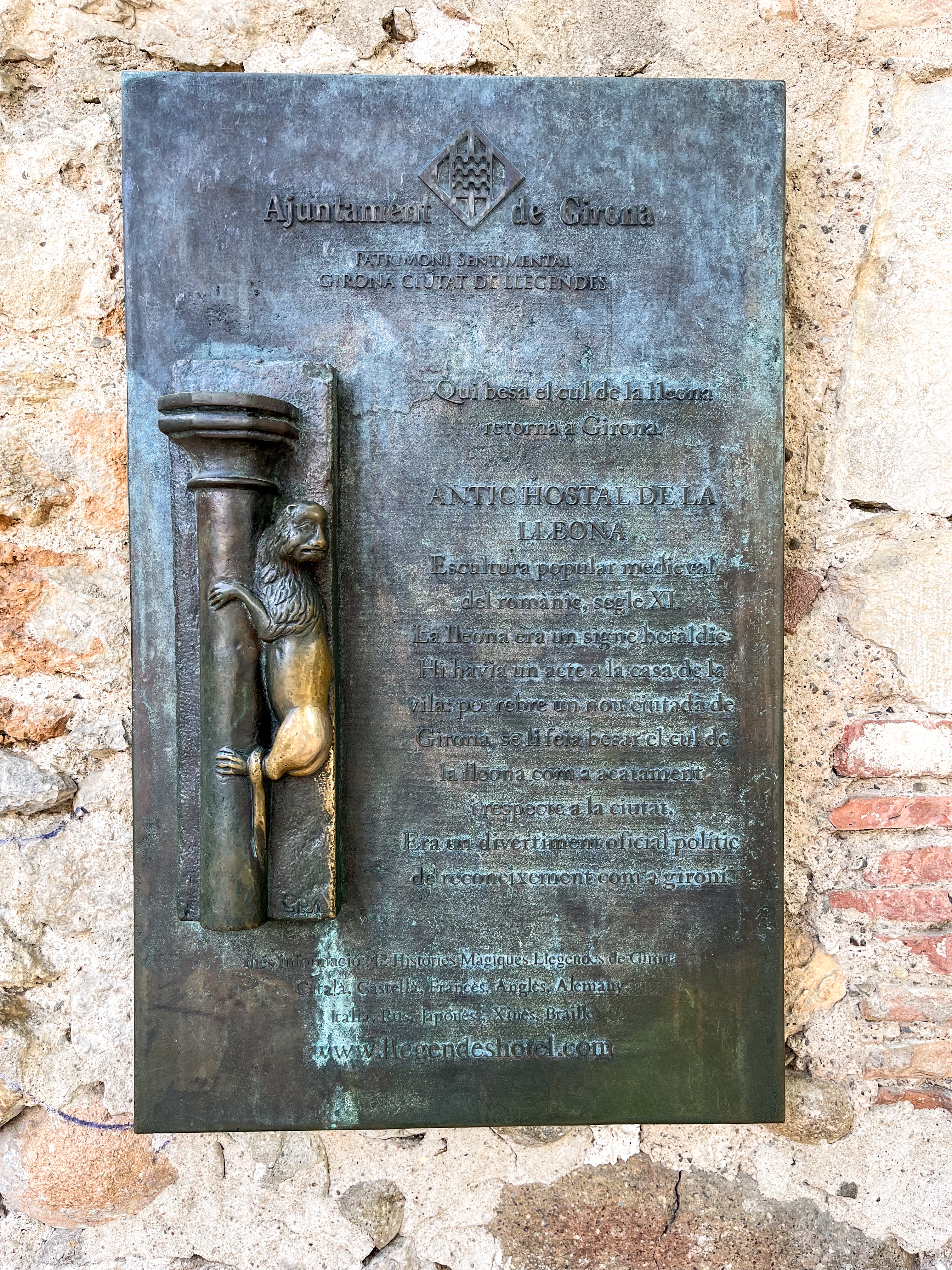
At the entrance to the city is a stone sculpture of a lioness. The legend is if you touch or kiss the lioness’s bottom you will return to Girona.
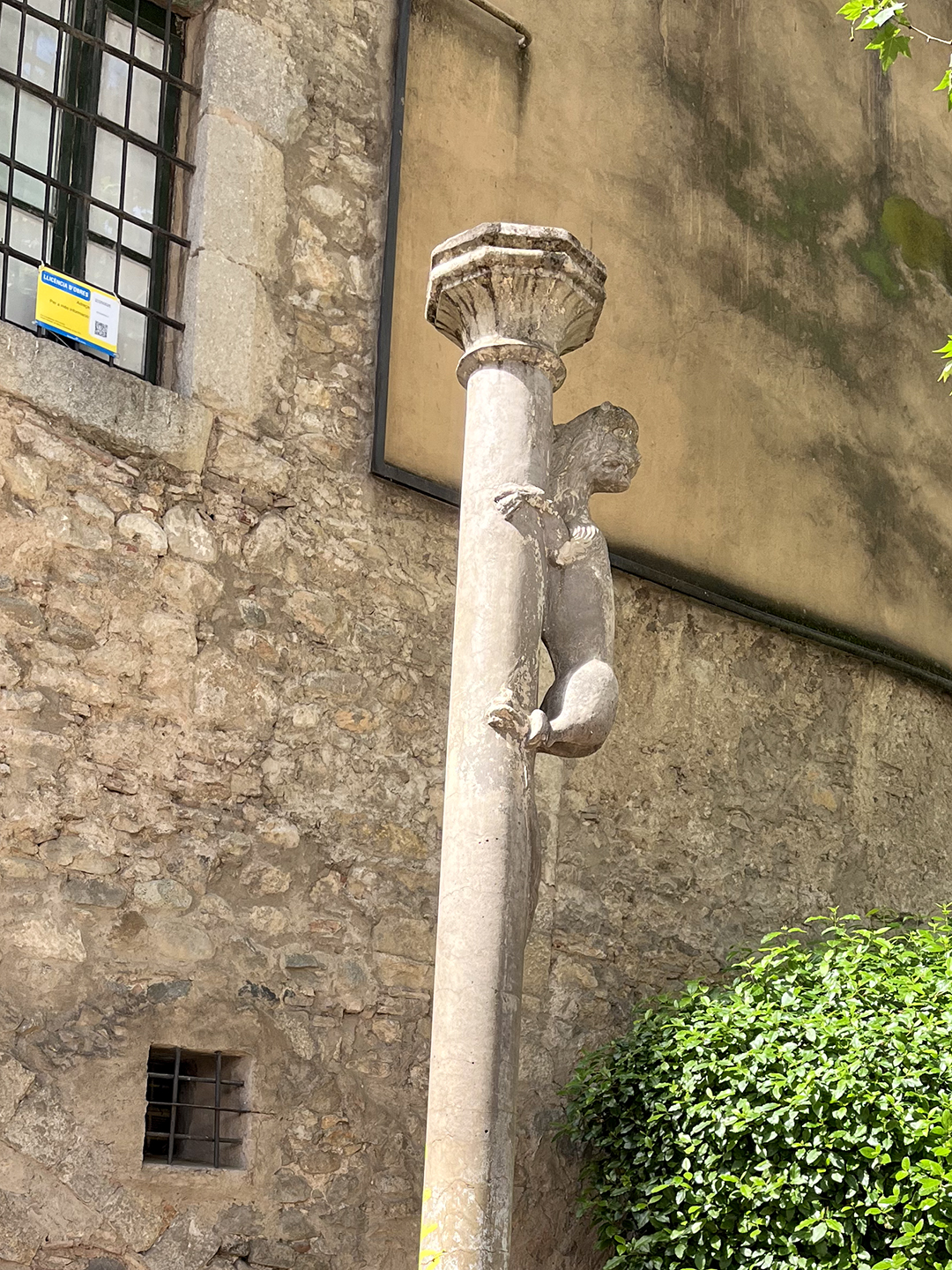
Kiss the lioness’s ass
Another legend is that the city was protected by flies. According to Wikipedia,
these otherwise not-so-loved insects once miraculously saved the city from one of its many sieges: that of 1286, ordered by Philip III of France, “the Bold.” When the French troops that had already begun to sack the church of Sant Feliu tried to desecrate the tomb of Narcissus, it broke open. A swarm of stinging flies emerged from it and chased every single invading soldier not only out of the church, but out of the city as well. The French army fled in disarray, and the city was left in peace.
Since then, Girona has kept both Sant Narcís and his flies as a cherished symbol of the city. In fact, to honor both the saint and the fearless insects that saved it from the invading army, the main festival of the city is celebrated on October 29: the Fires de Sant Narcís (Saint Narcissus’ Fair). It is said that on this date there are more flies buzzing around the city than at any other time of the year. It is also said that, once the fair is over, they do not return in those numbers until the next year.
Saint Narcissus is the patron saint against mosquito bites, too.
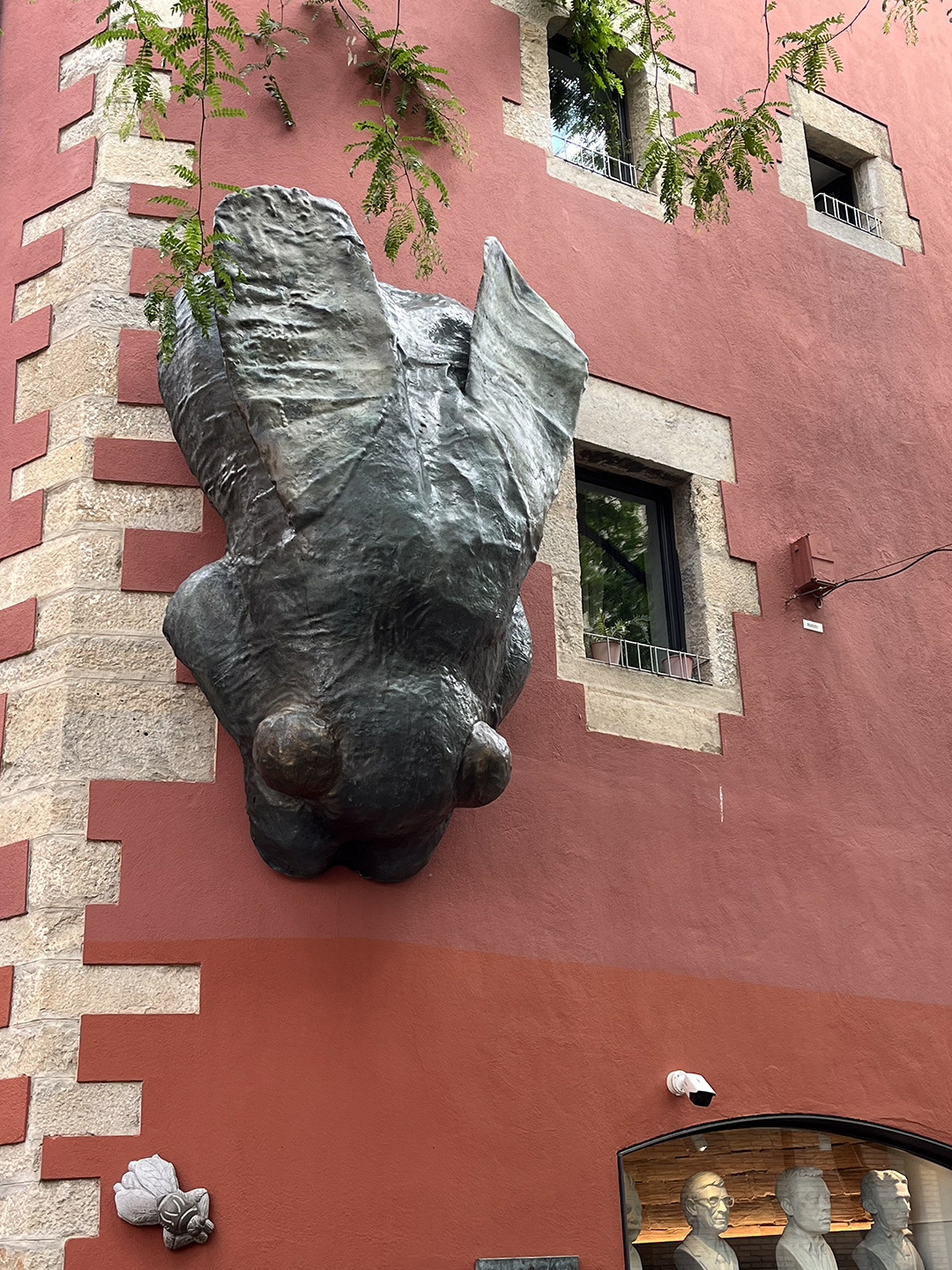
Girona’s guardian fly
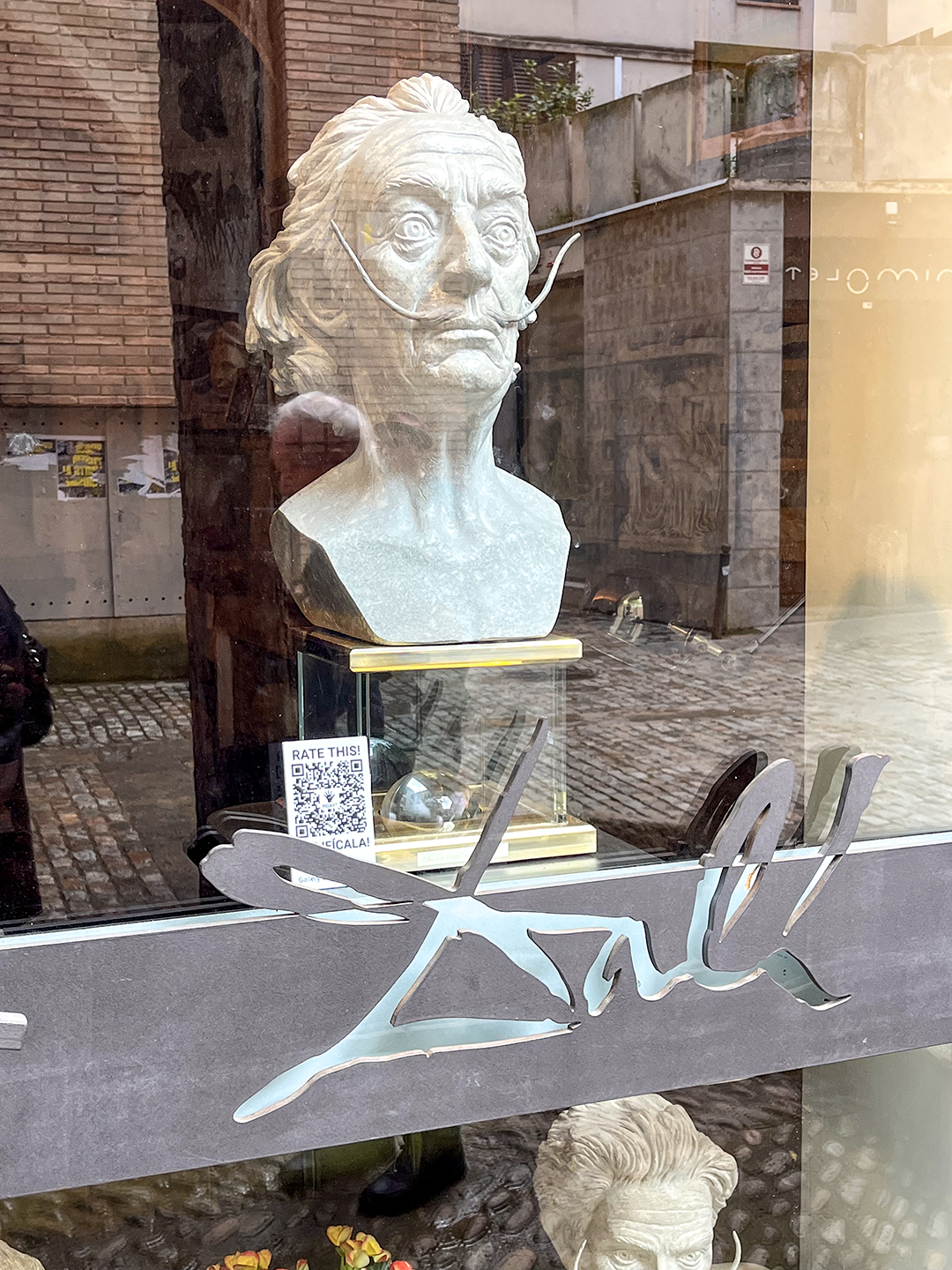
The city of Girona is also the home of the three Roca brothers, famous for their restaurant El Cellar de Can Roca, which has several times been ranked as “The Best Restaurant in the World.” Their influence here is pervasive, including their more casual restaurant Normal in the city centre, youngest brother Jordi’s inventive chocolate and ice cream shop Rocambolesc and a newly launched hotel and restaurant complex called Esperit Roca in the nearby countryside.
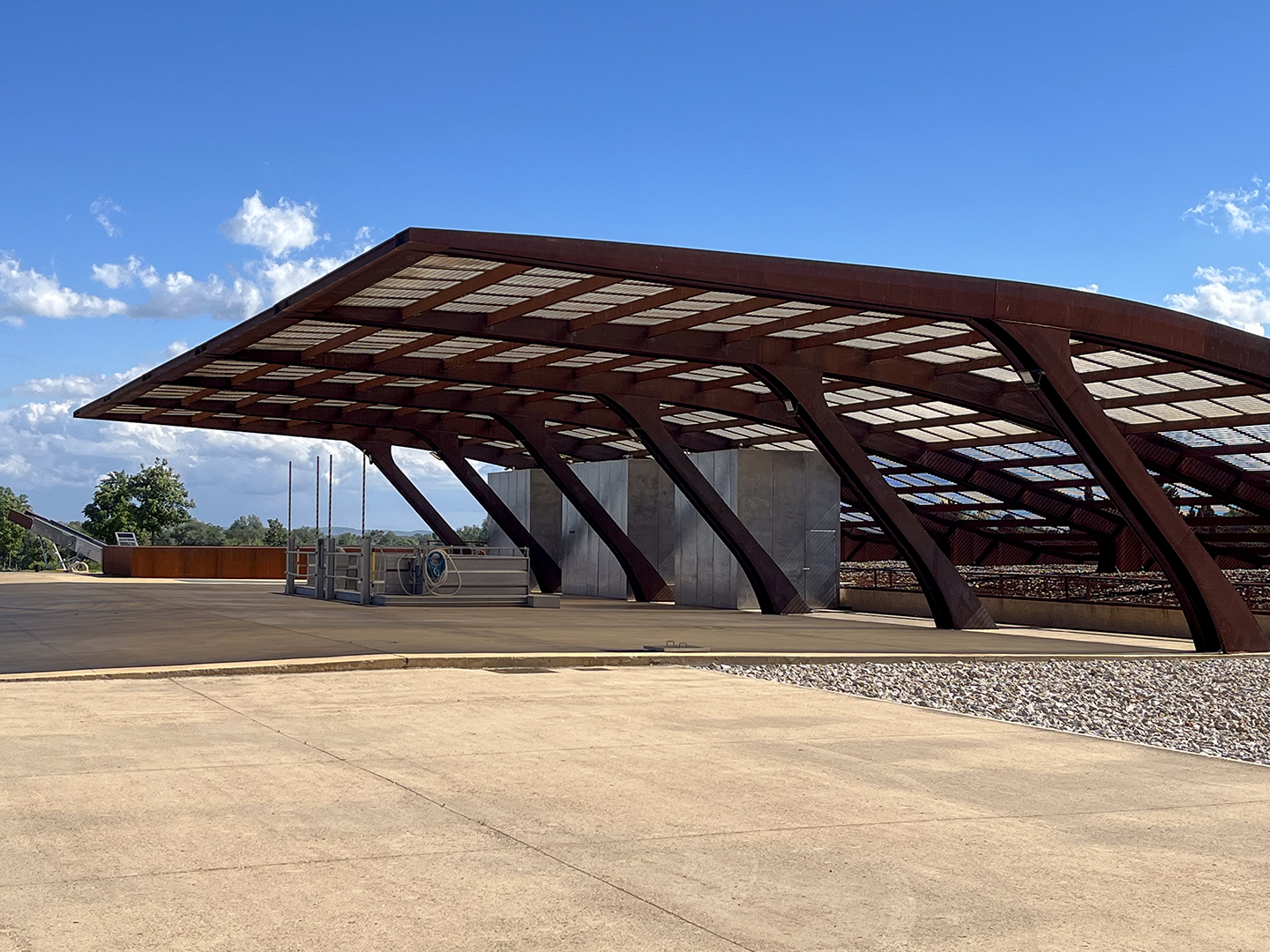
Perelada’s grape reception area
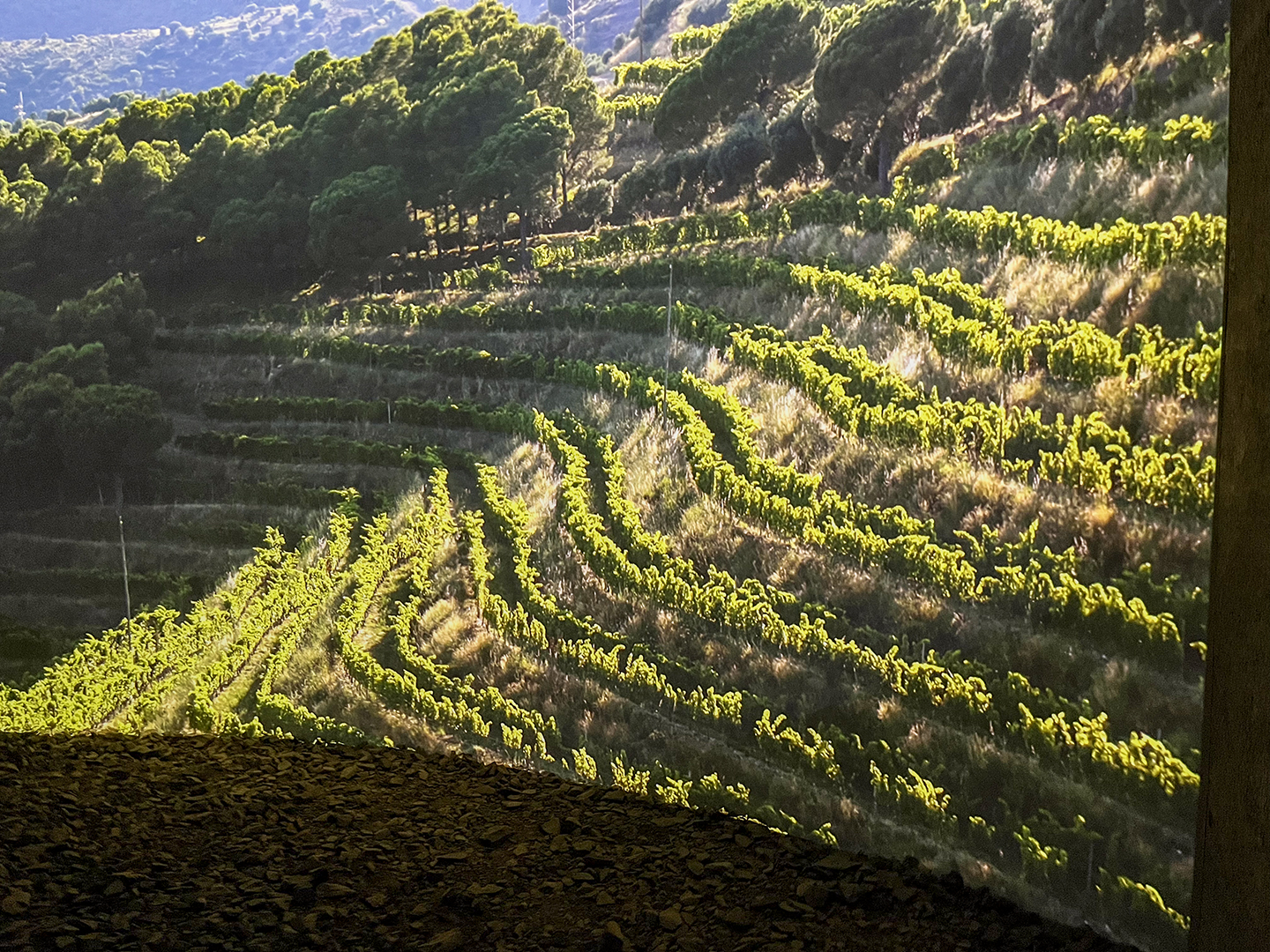
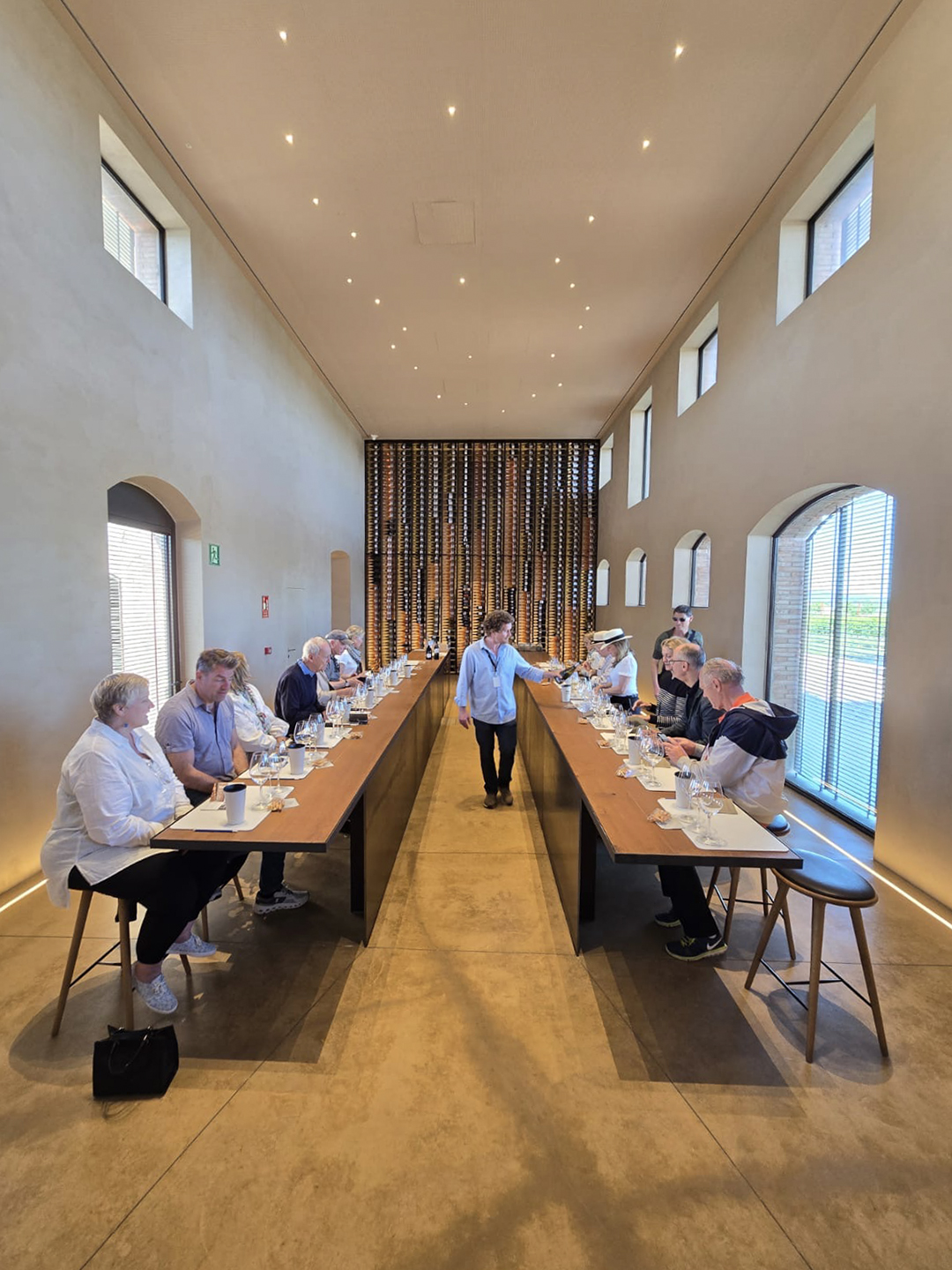
Perelada’s tasting room
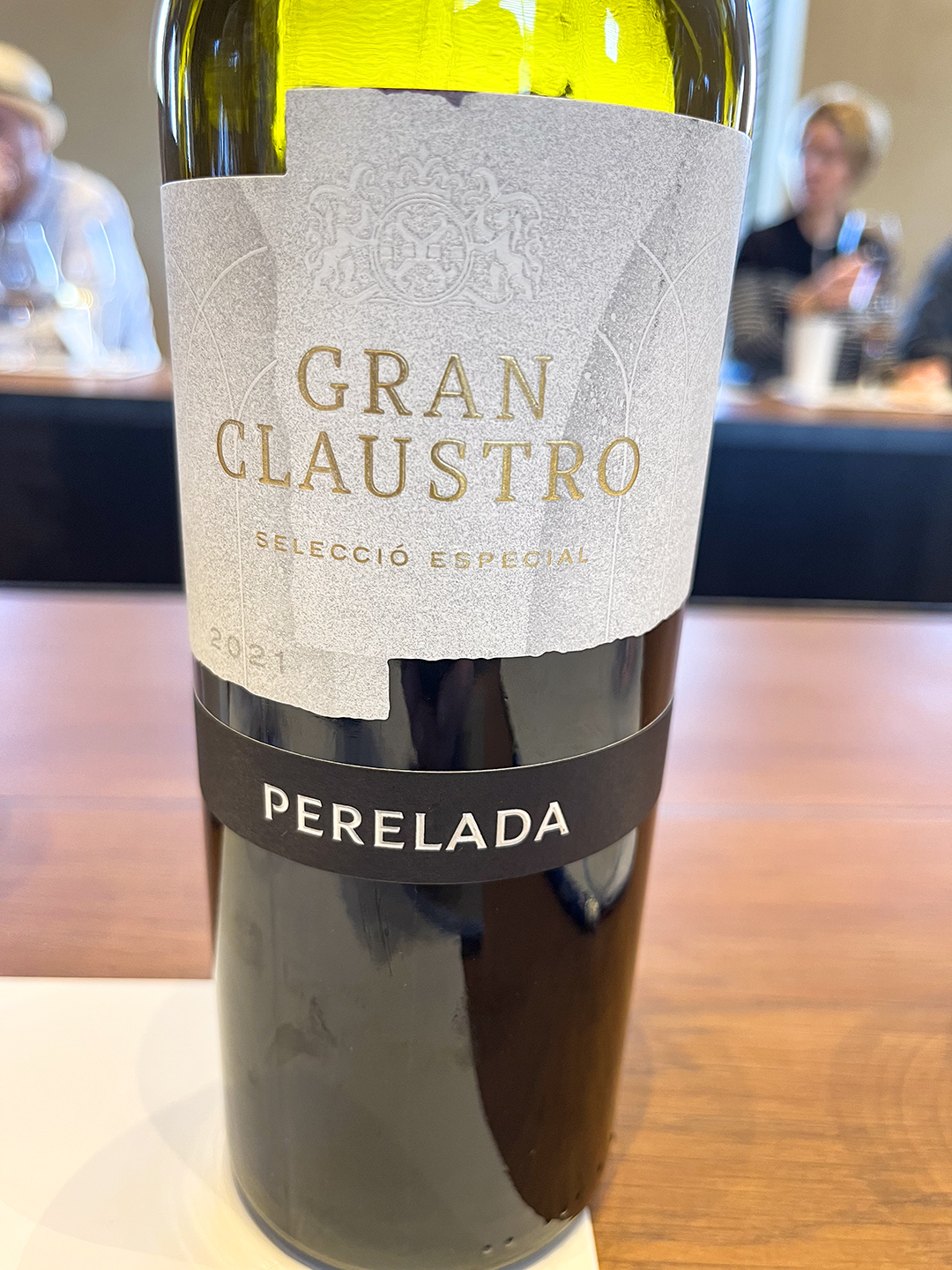
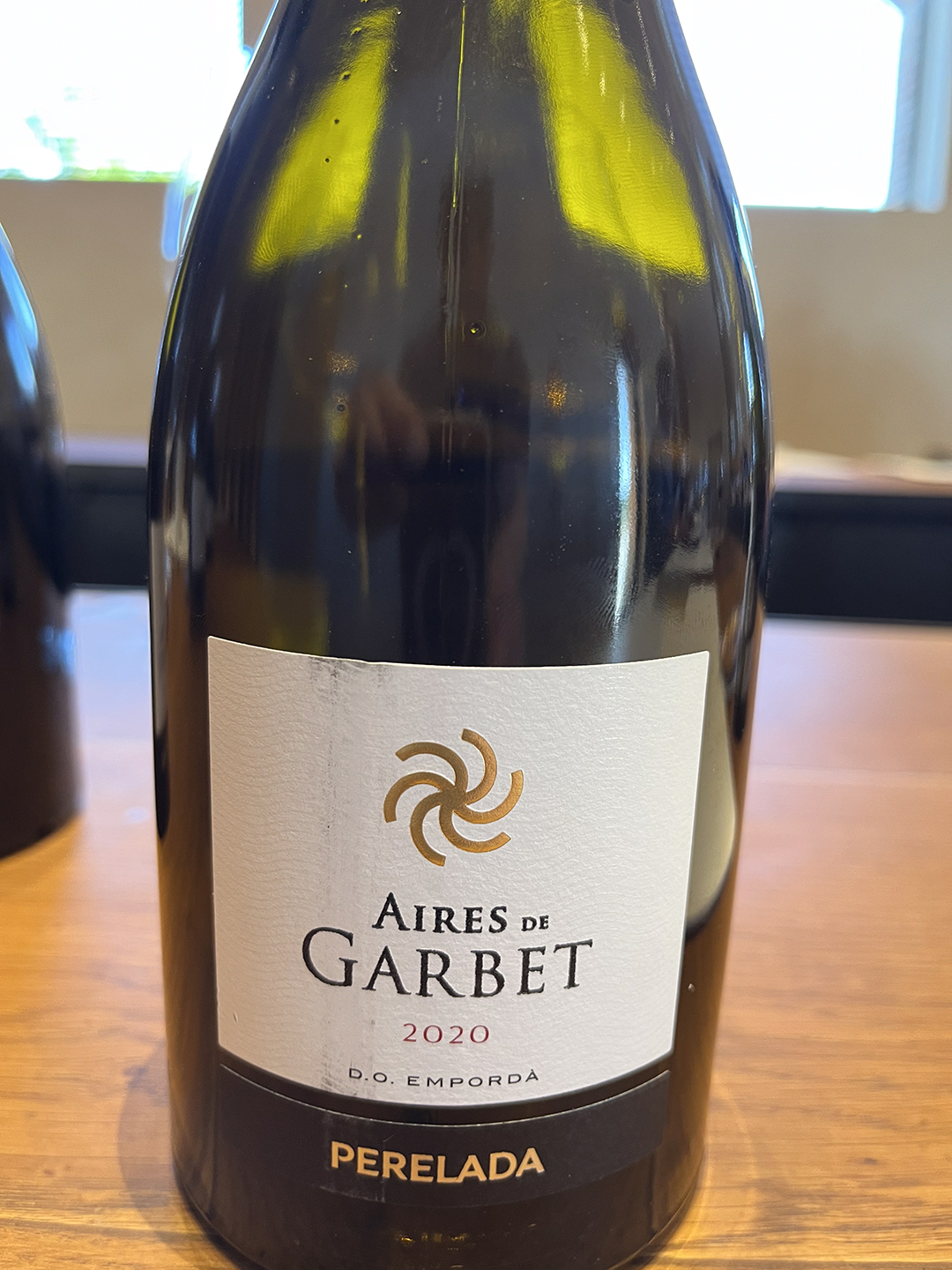
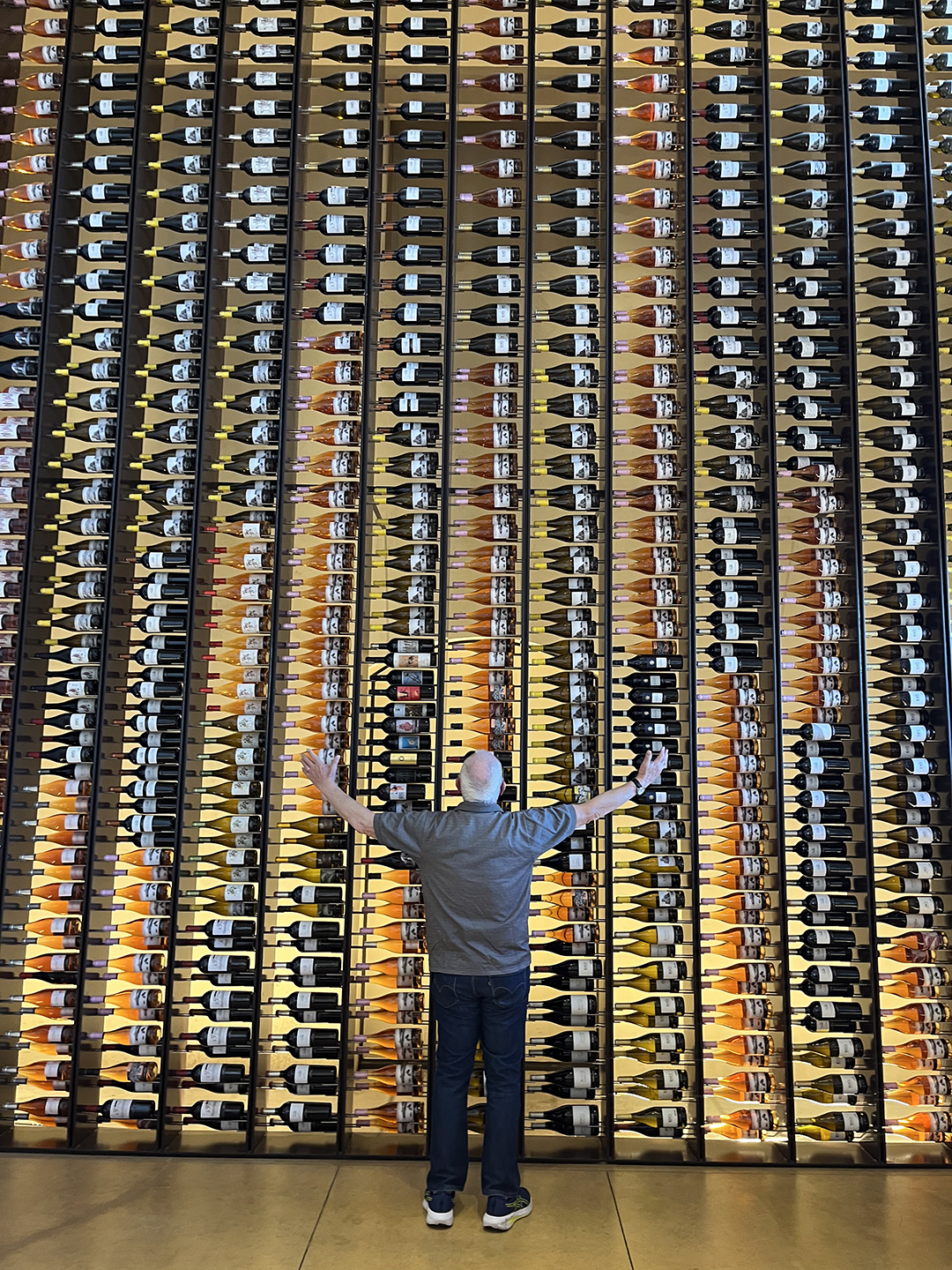
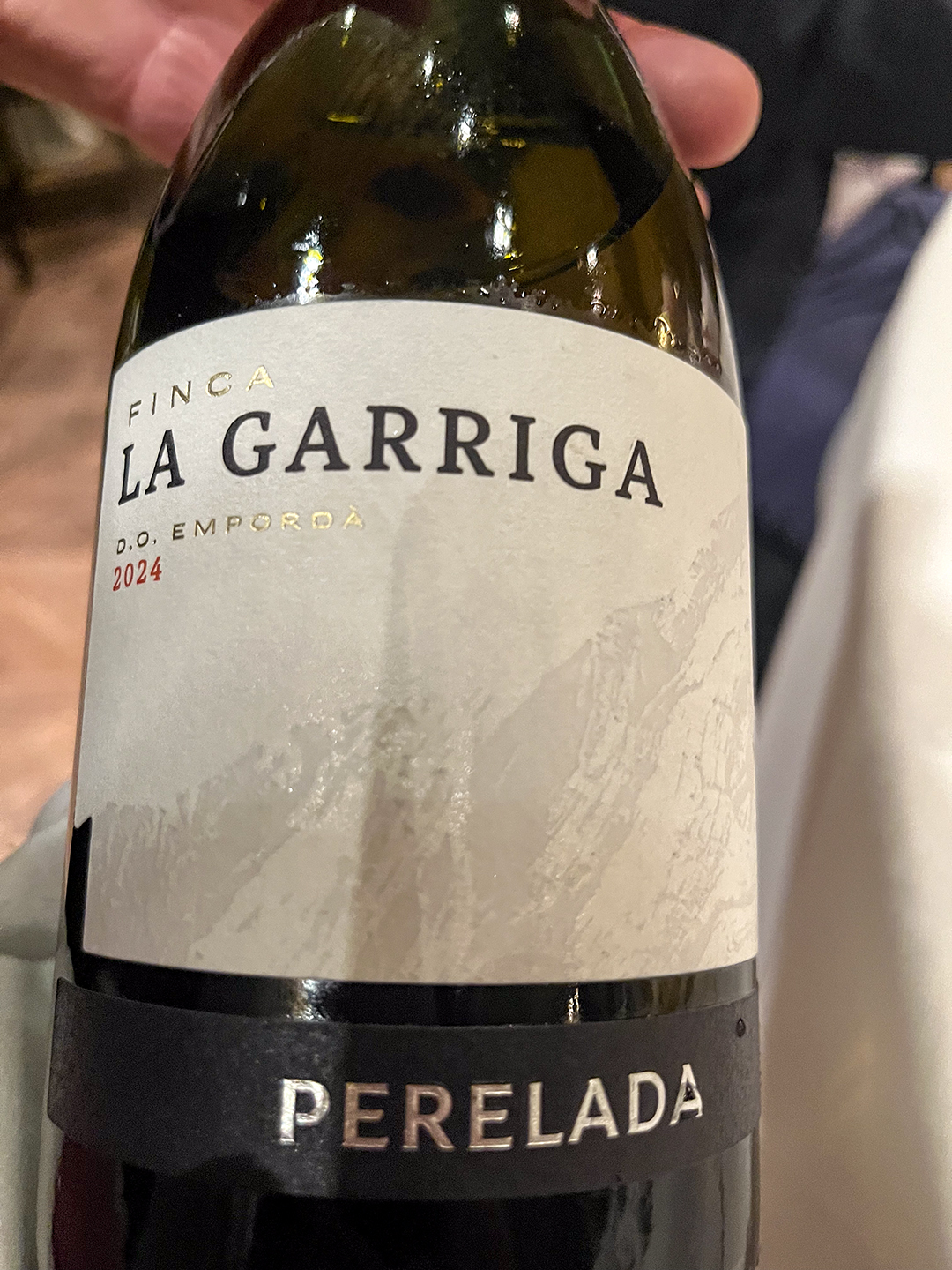
In the late afternoon we bussed 50 km to the beautiful 5-star Hotel Perelada. Next, a 90-minute tour and focused tasting at the estate’s own Bodega Perelada. The Suqué Mateu family has been producing exceptional DO Empordà wines here for over one hundred years. In 2022 they unveiled the stunning, Pritzker Award-winning new facility and cellar. Adjacent to the parking lot is a 1500-year-old olive tree. We dined in the Michelin-starred restaurant Castell Perelada, situated within the family’s 14th-century castle, a short distance from the hotel.
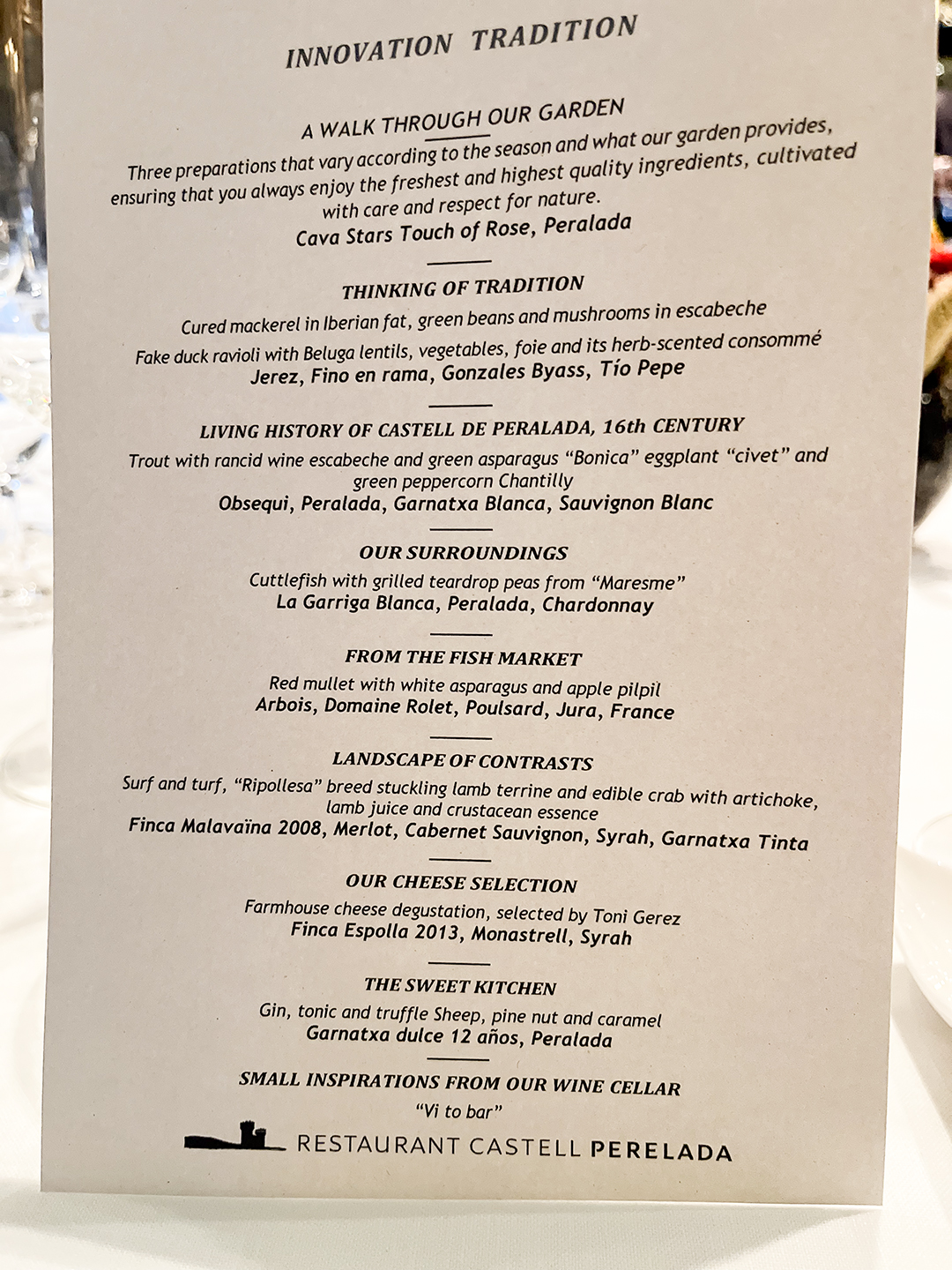
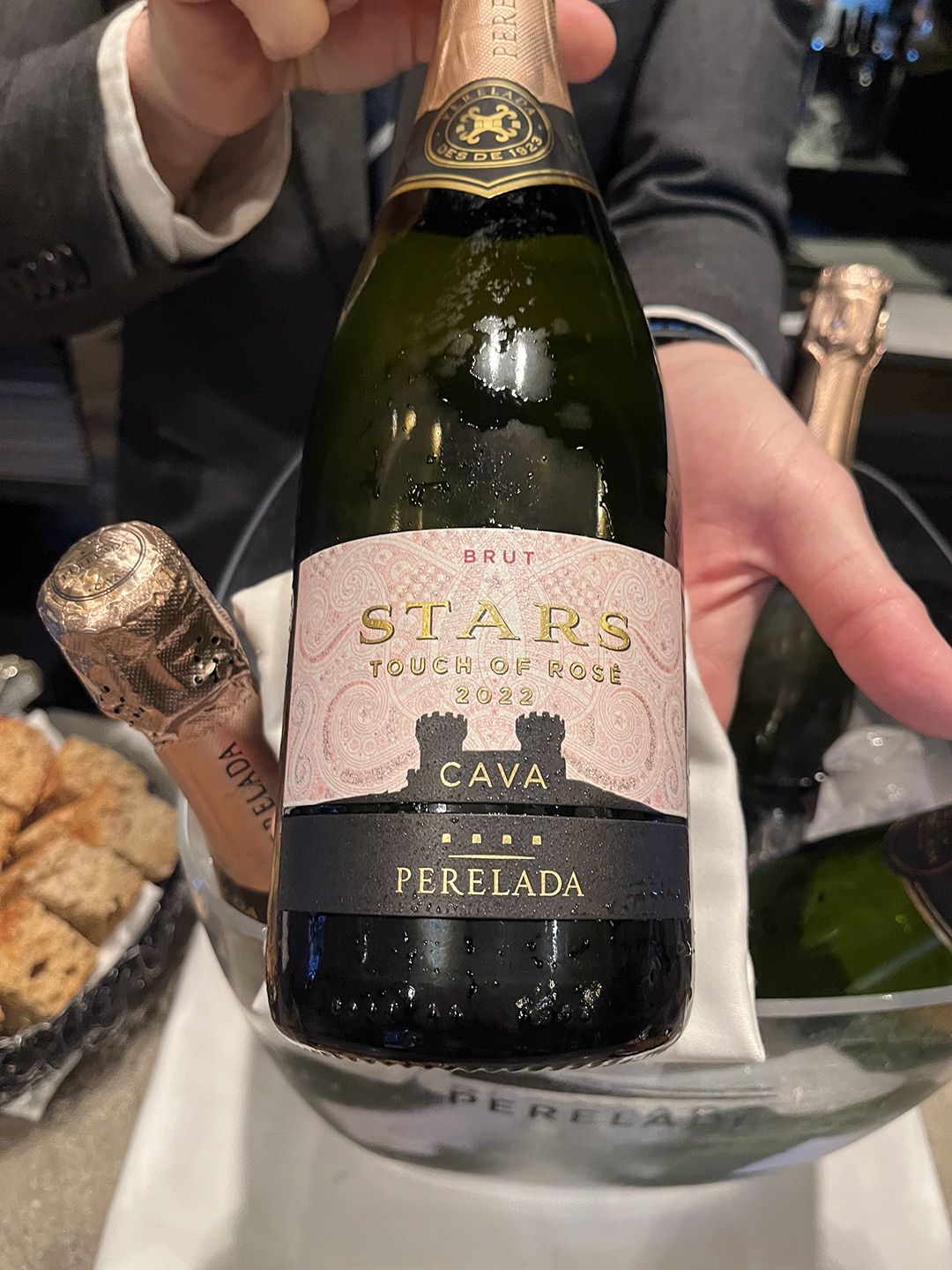
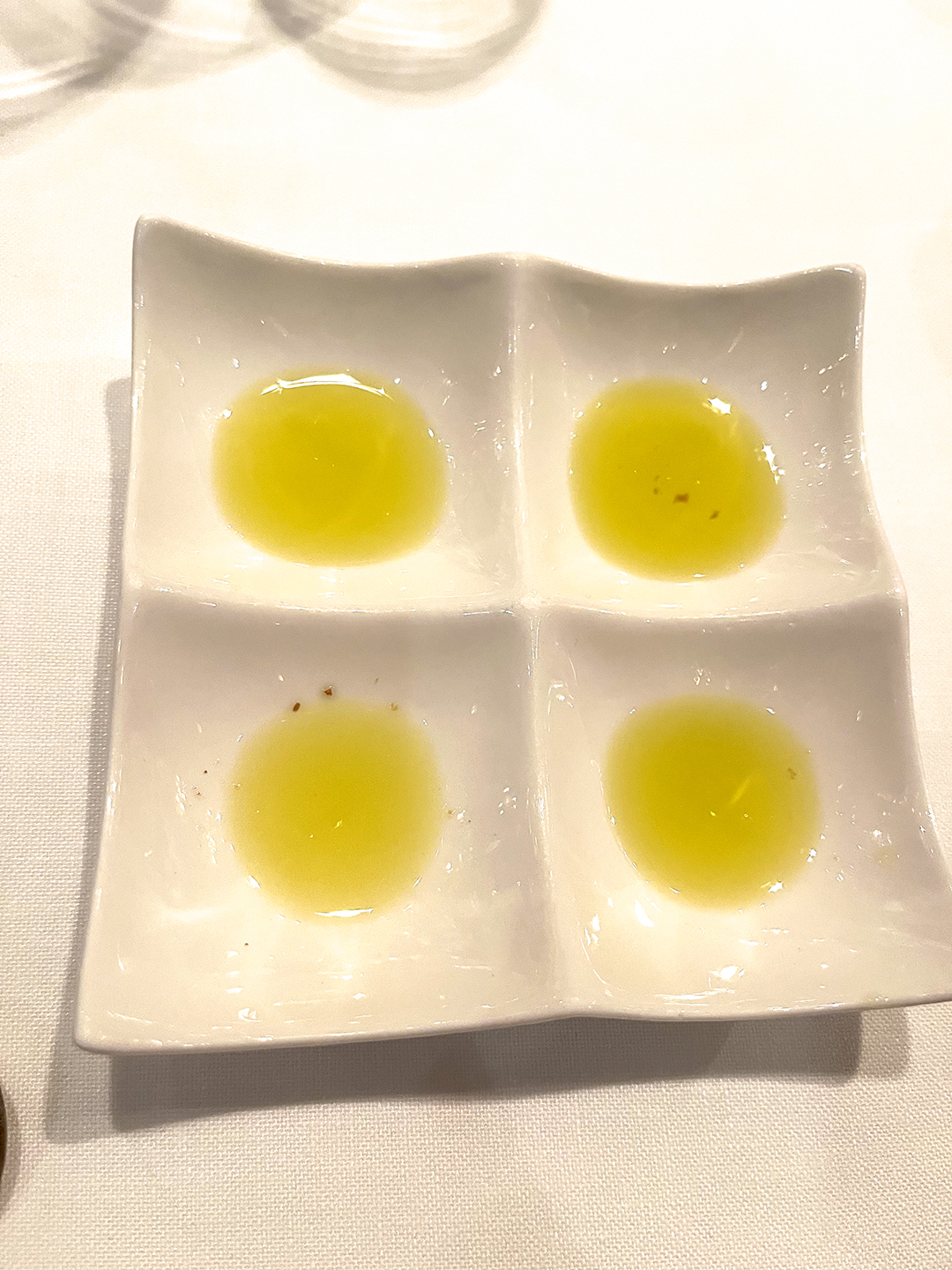
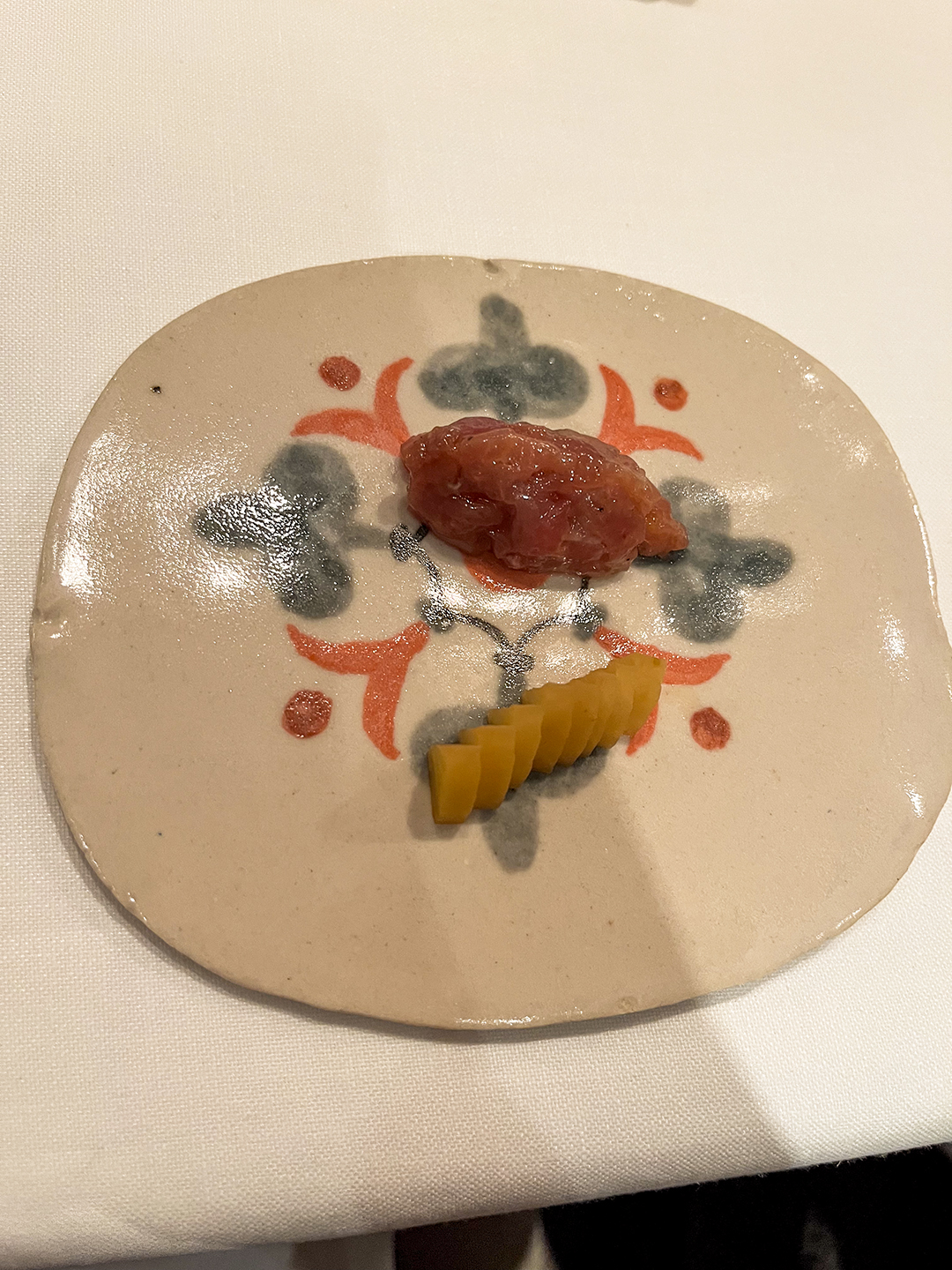
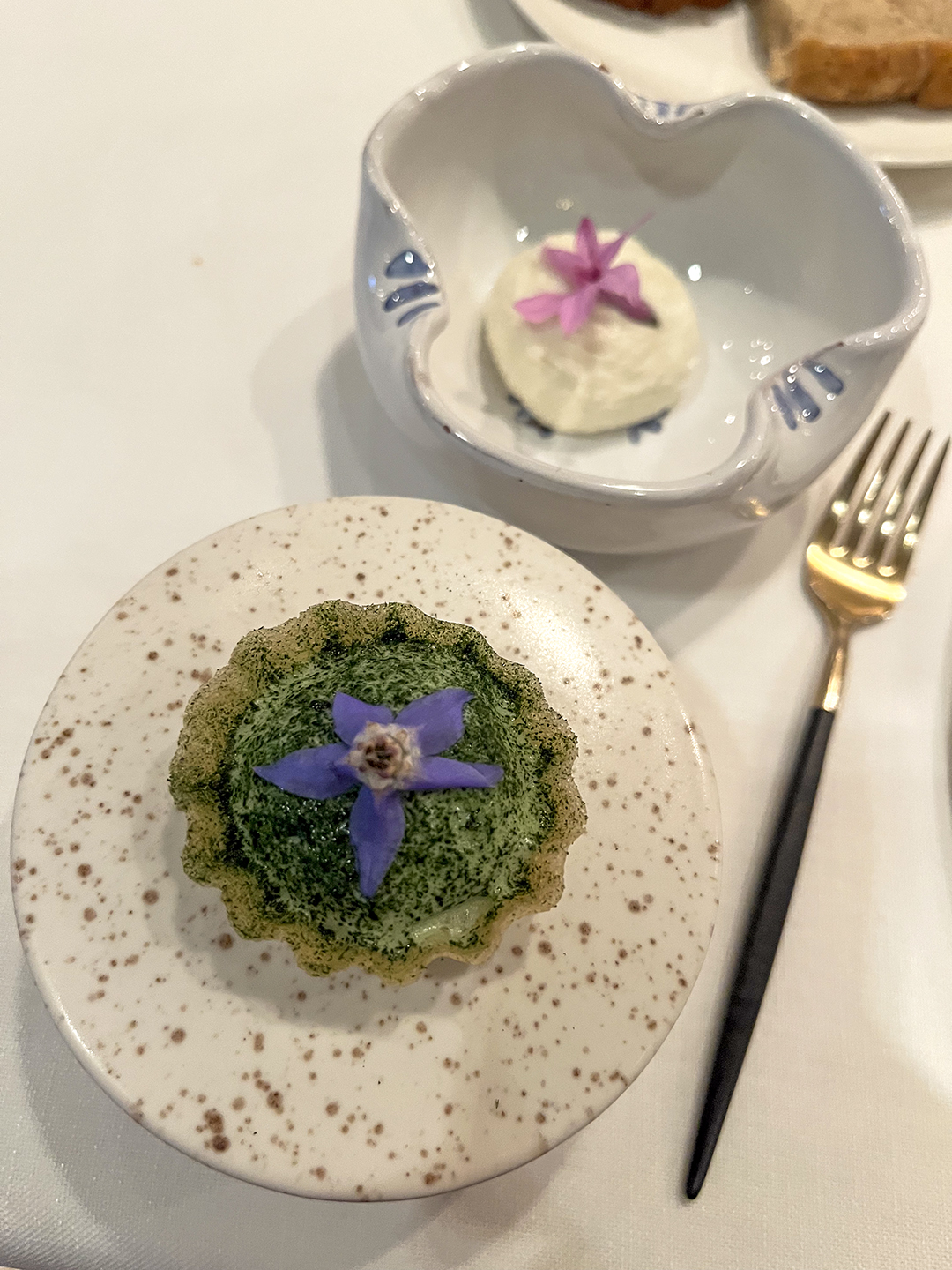
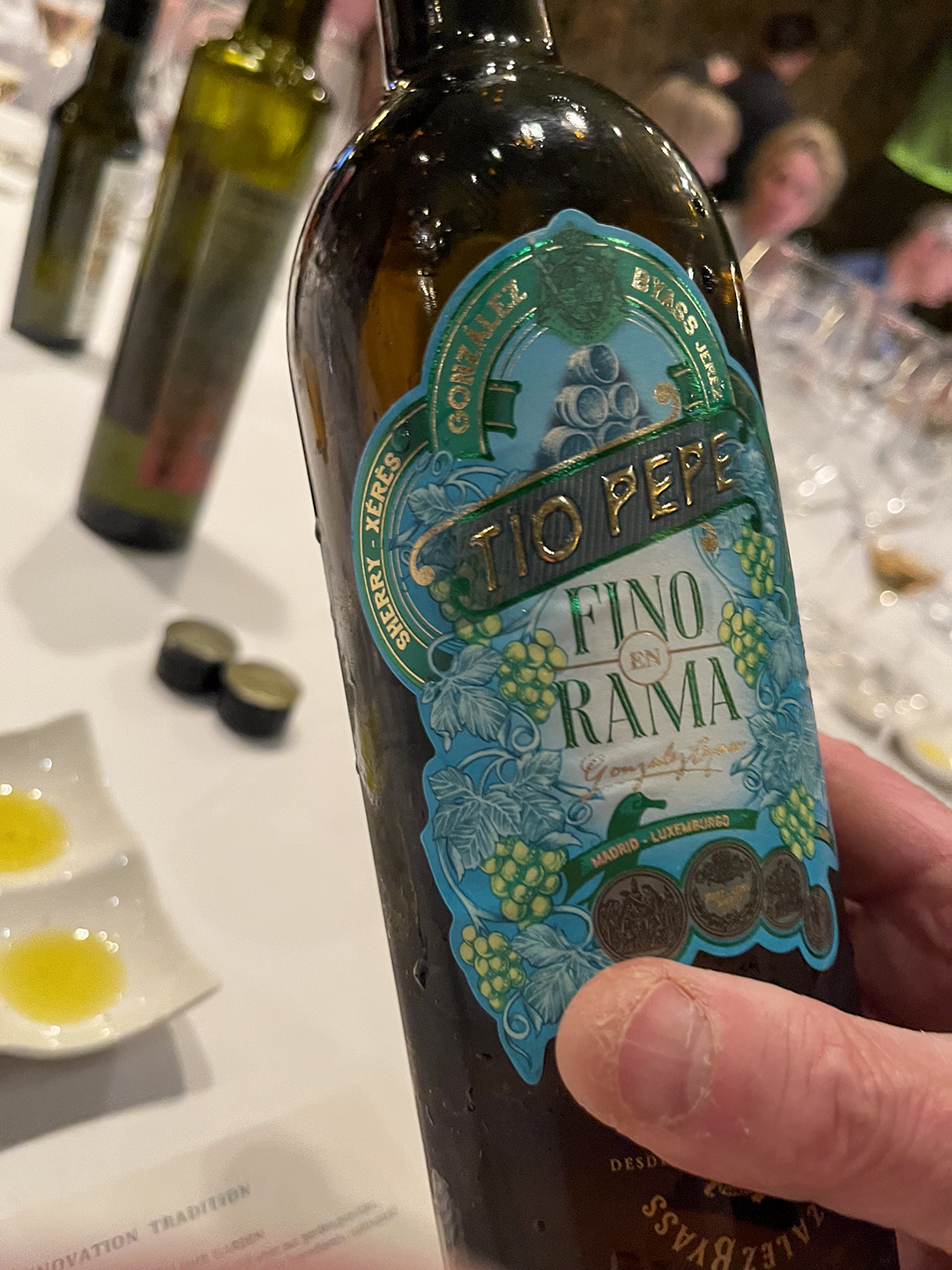
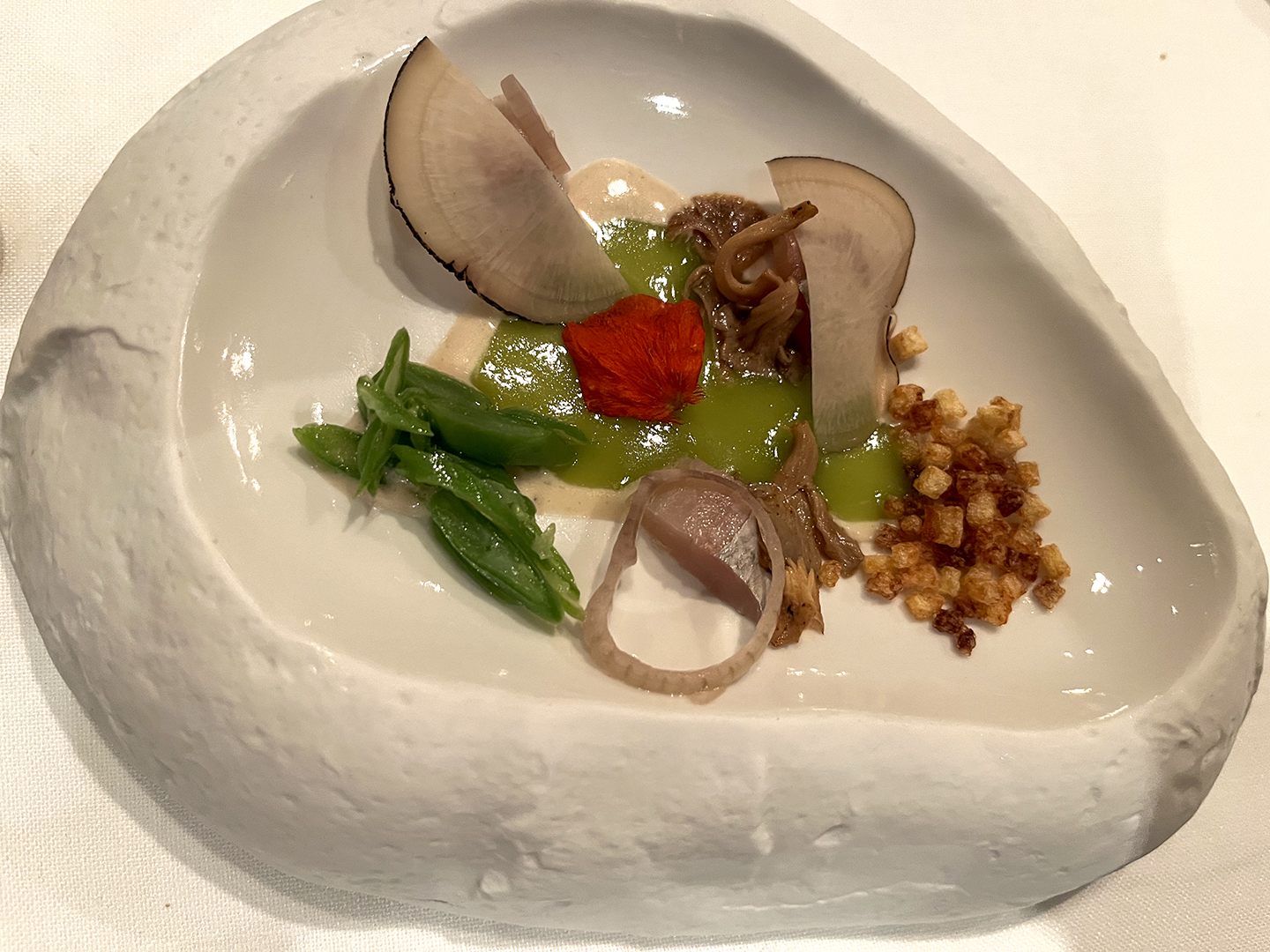
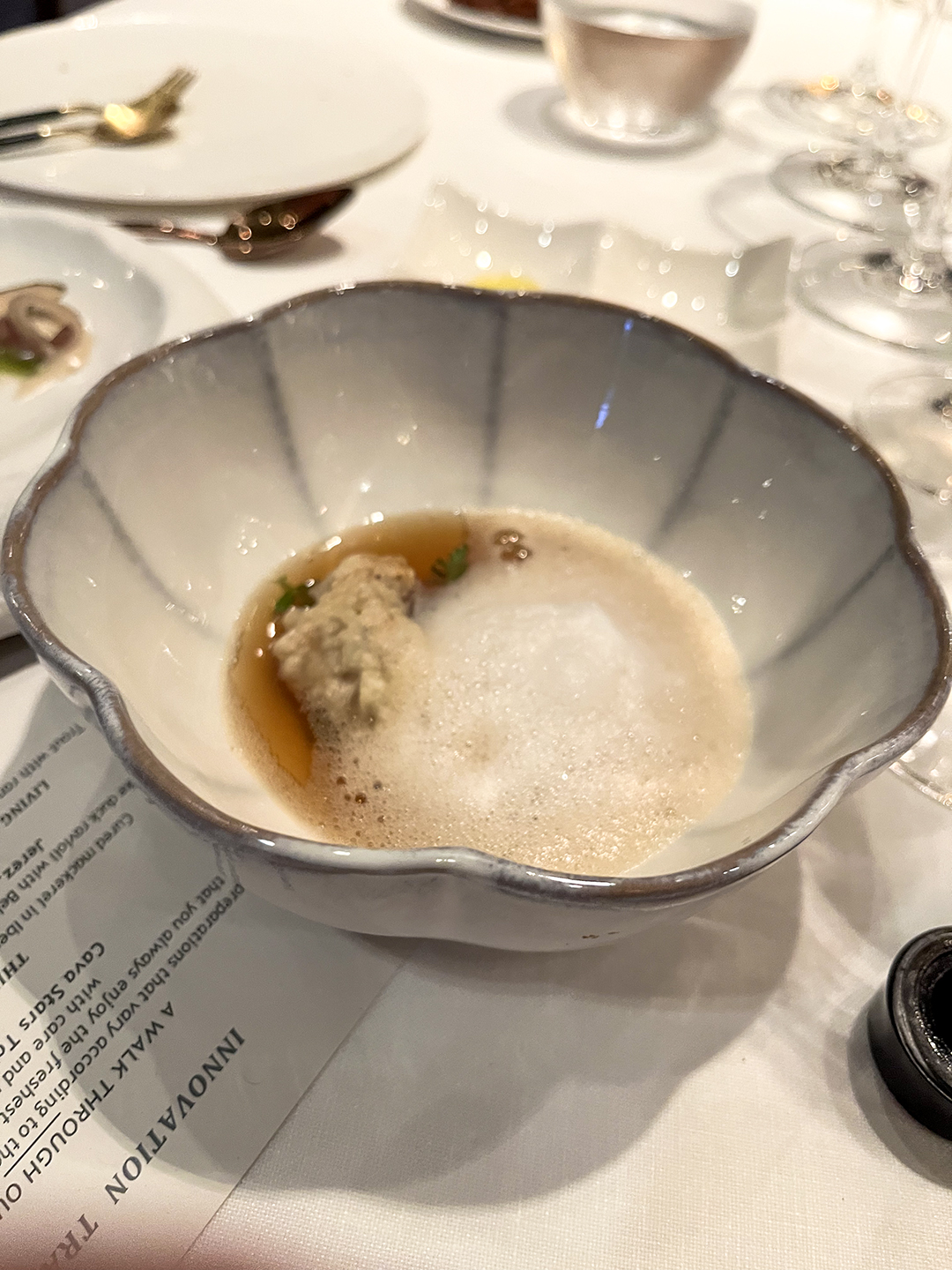
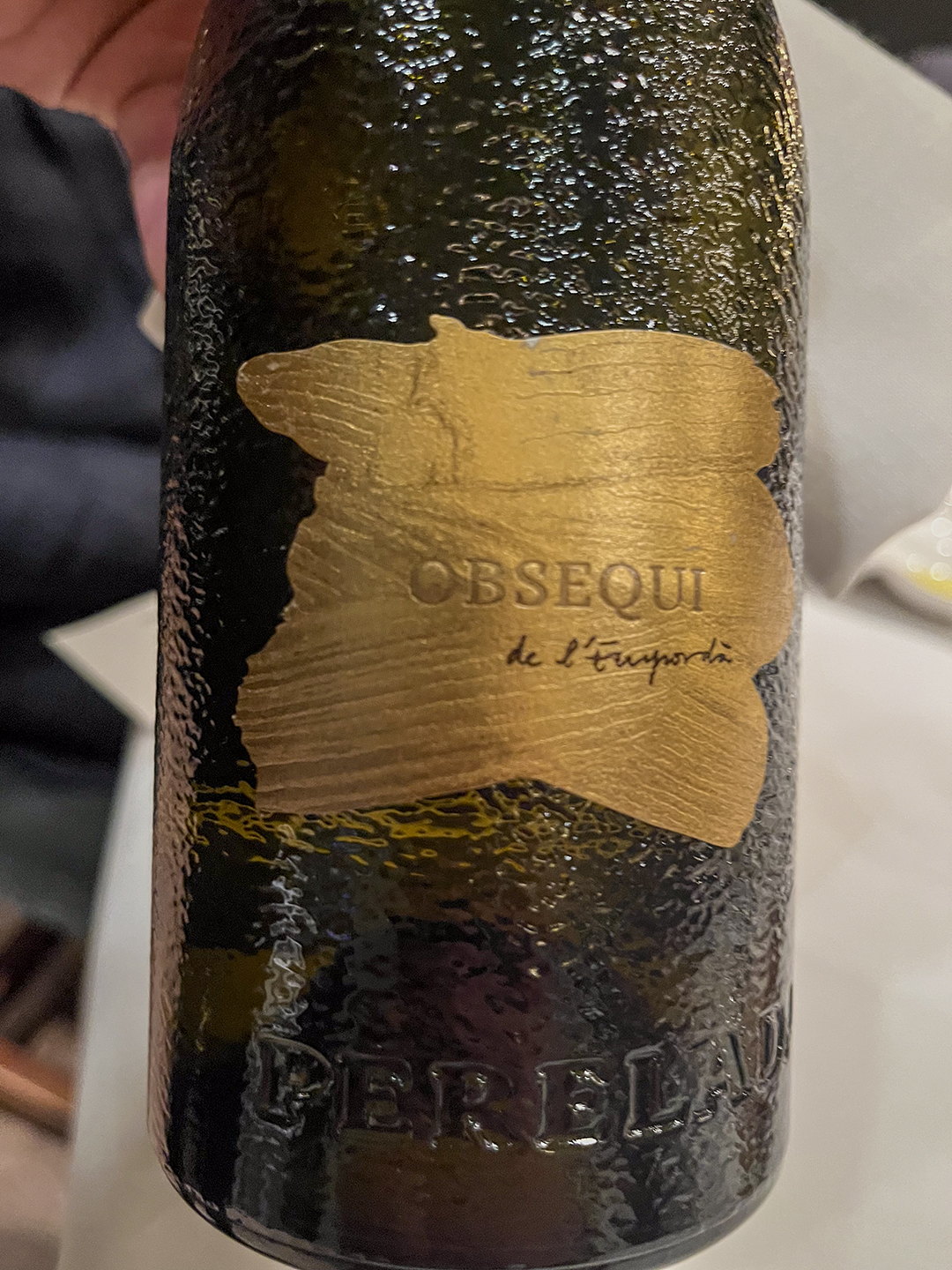
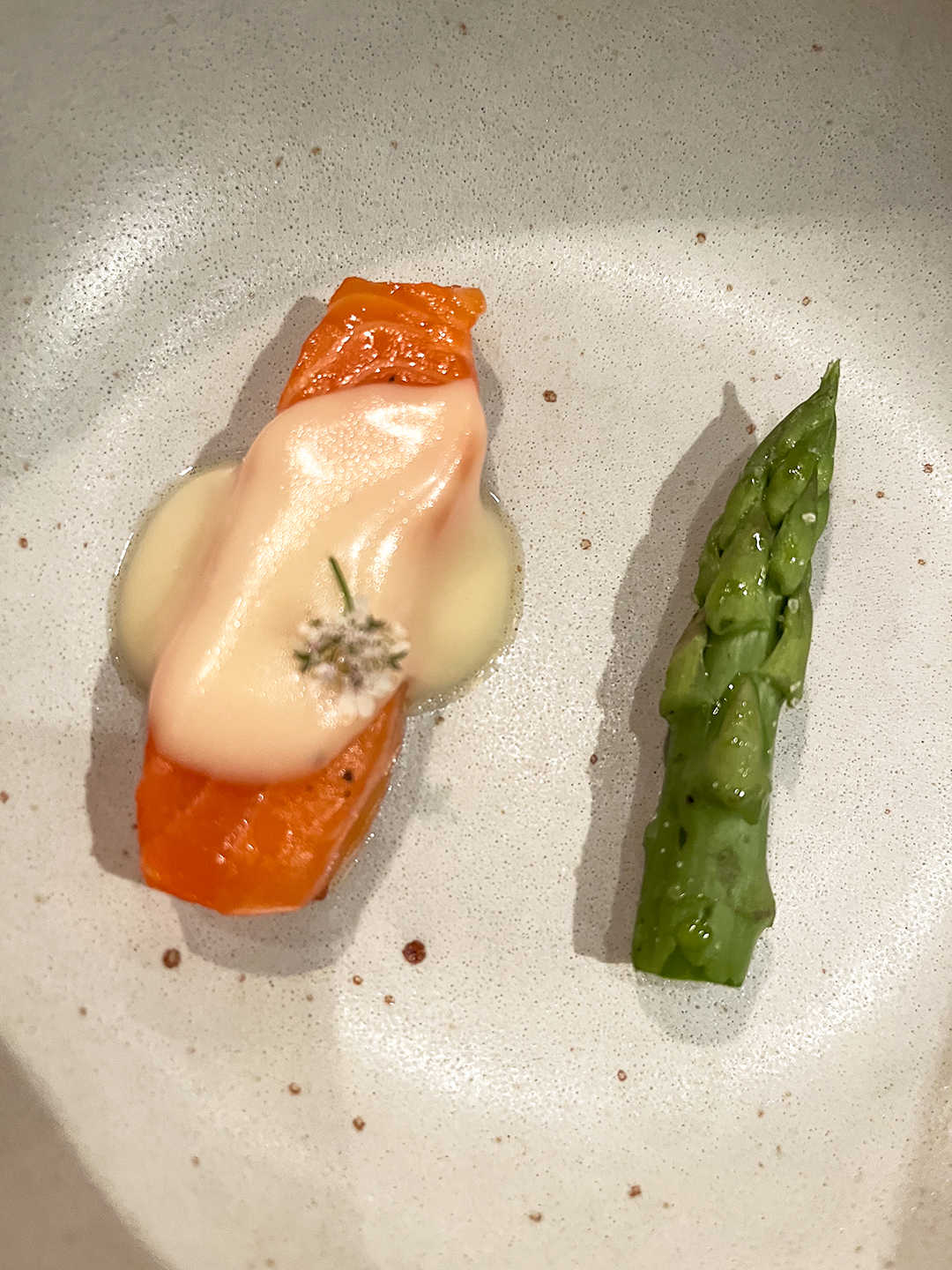
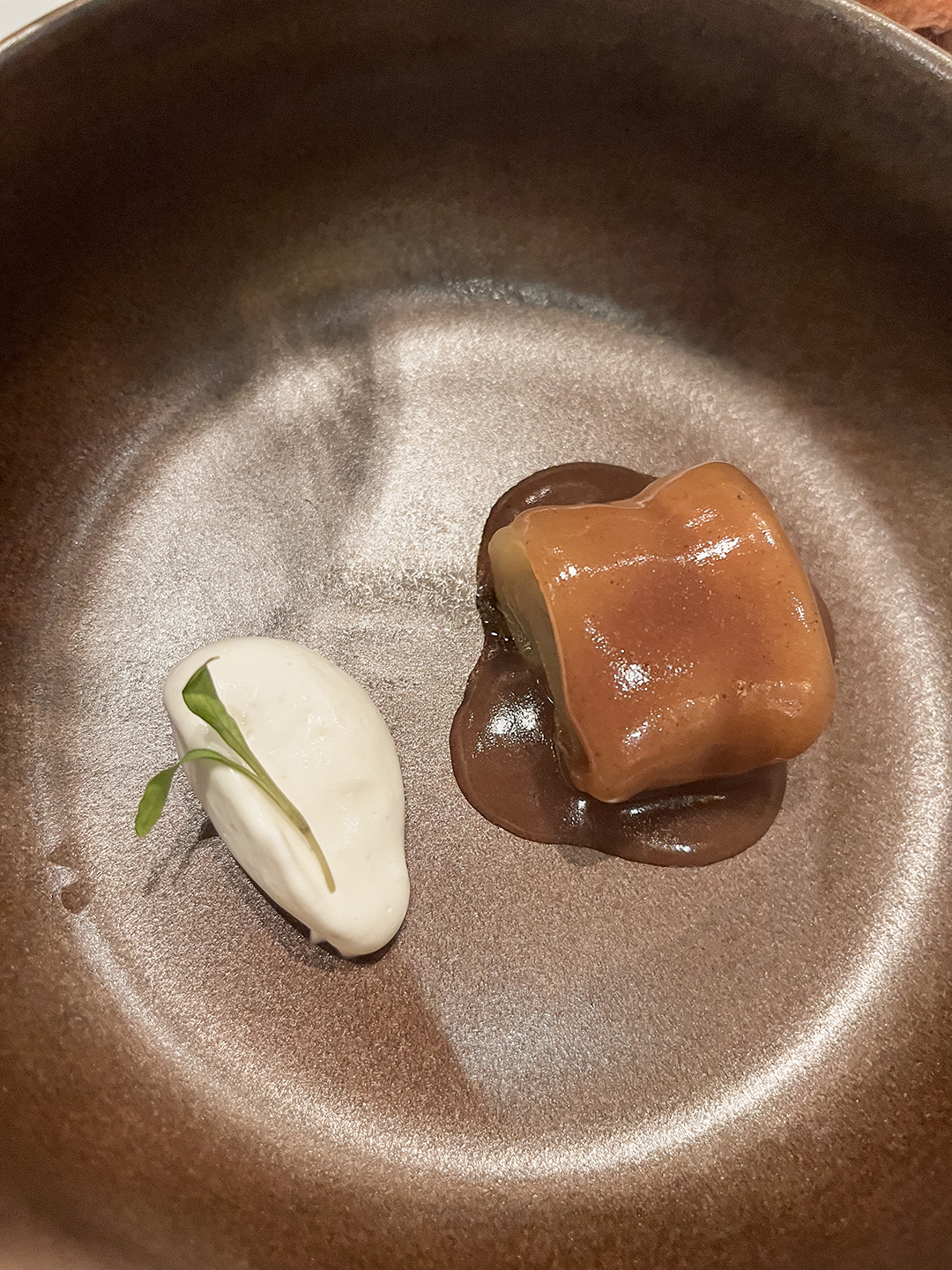
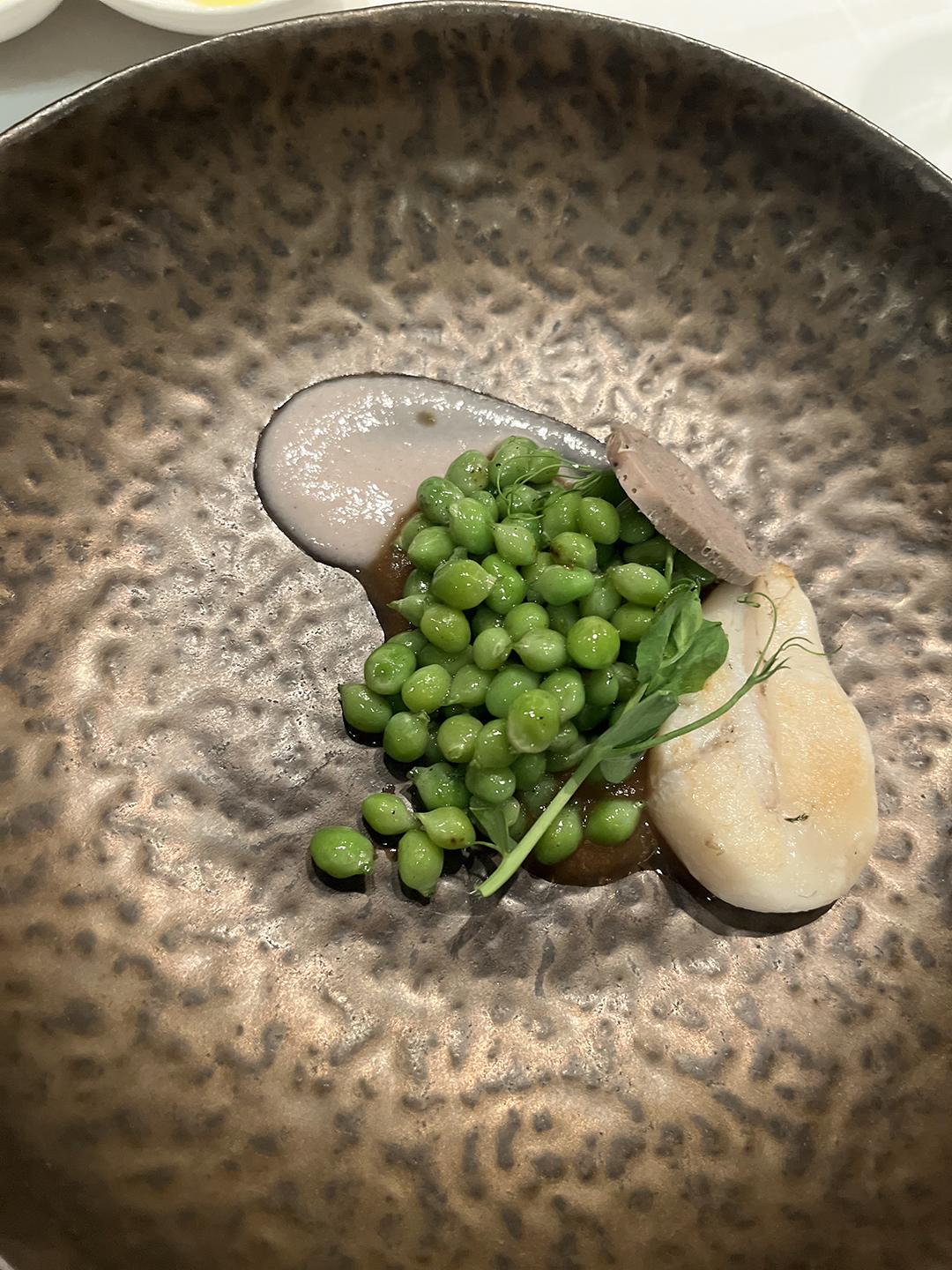
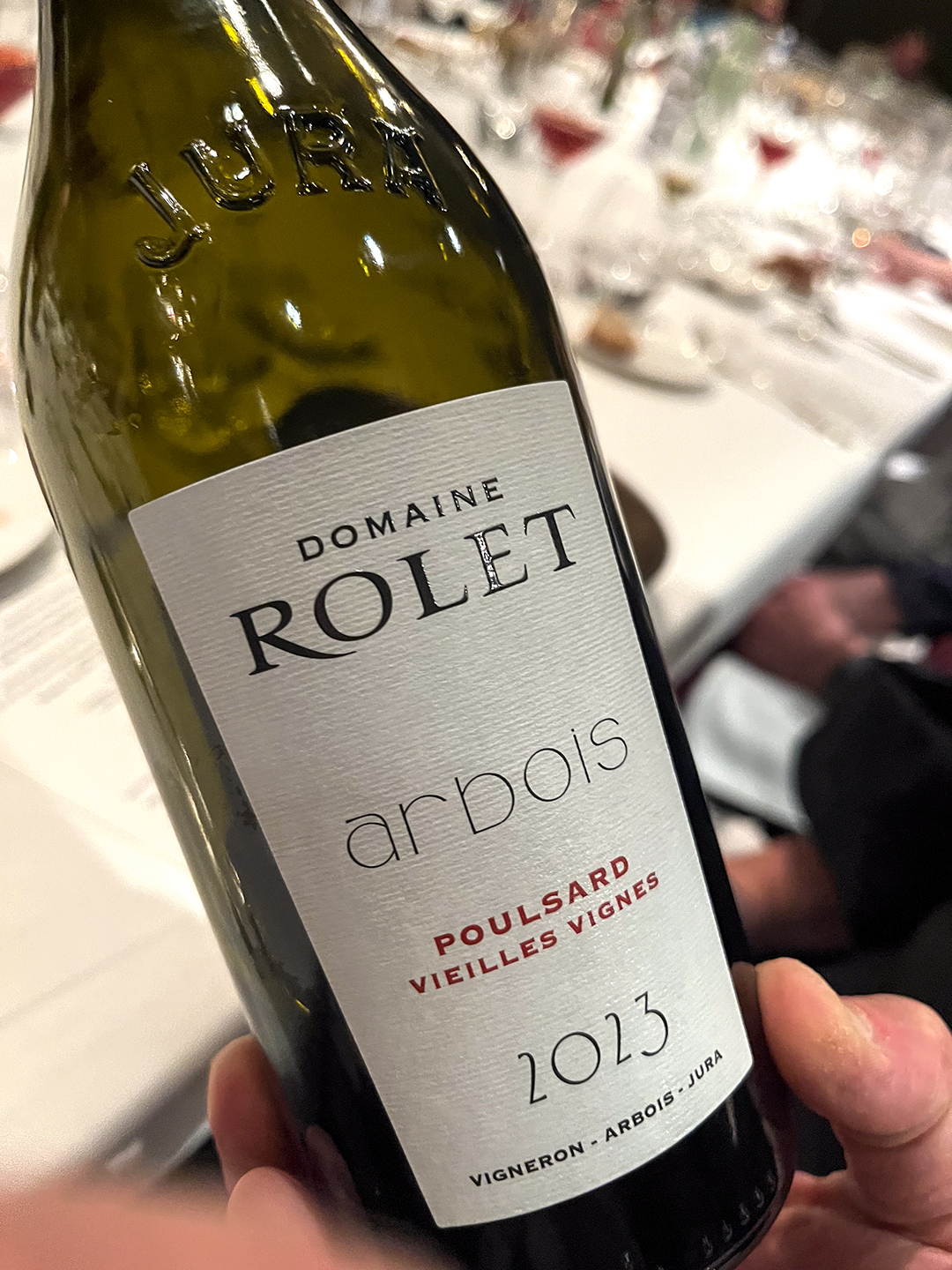

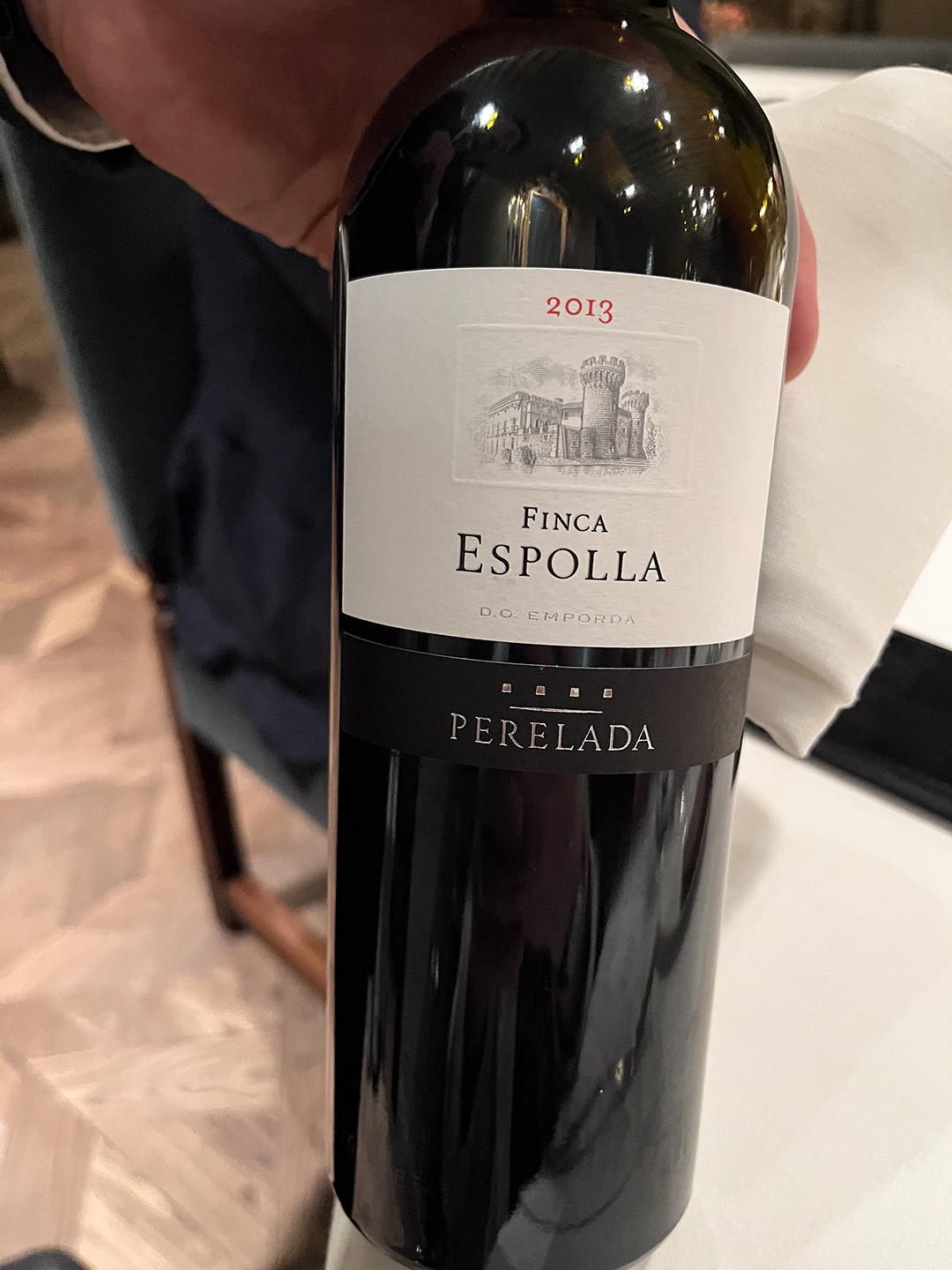
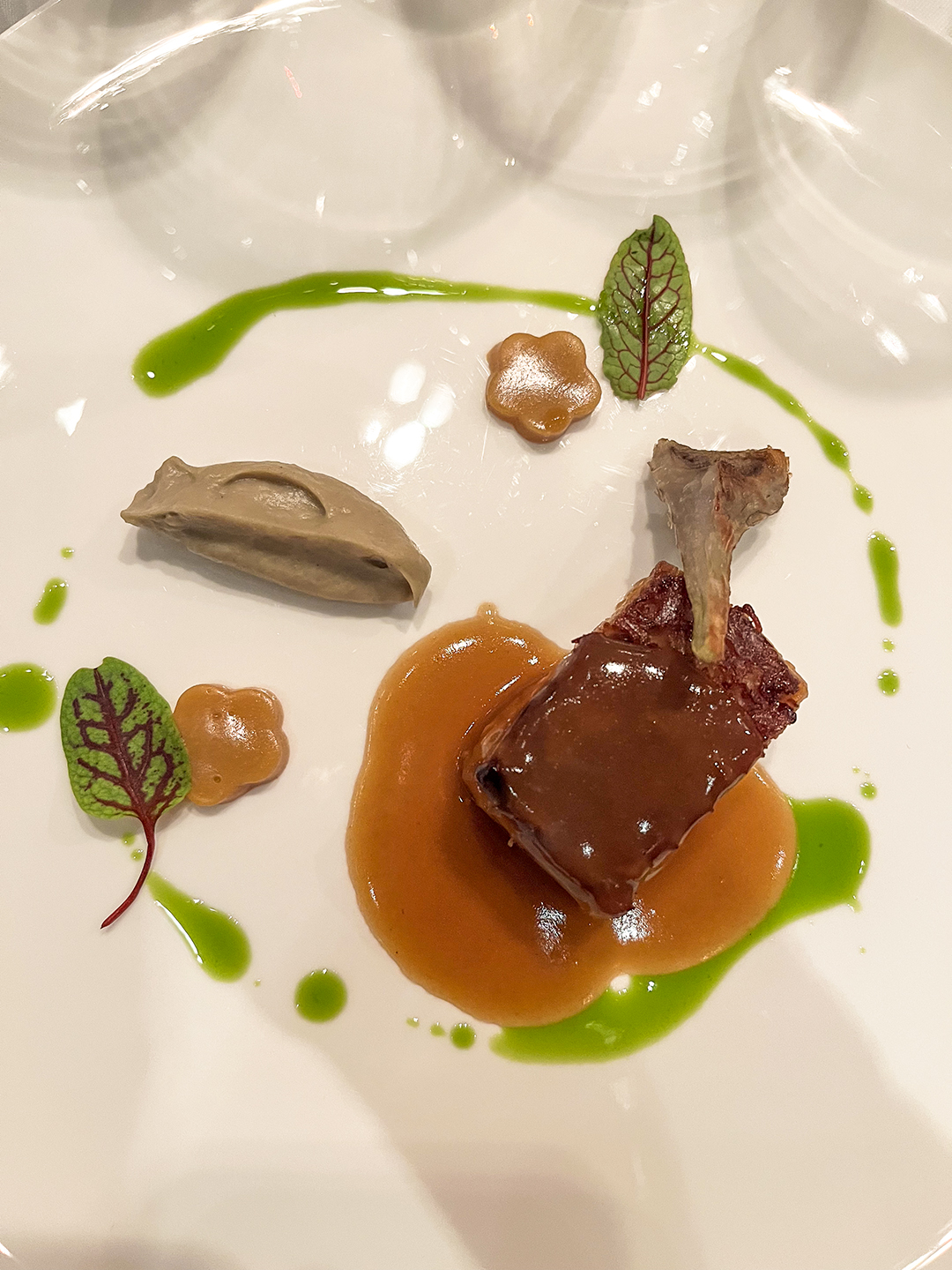
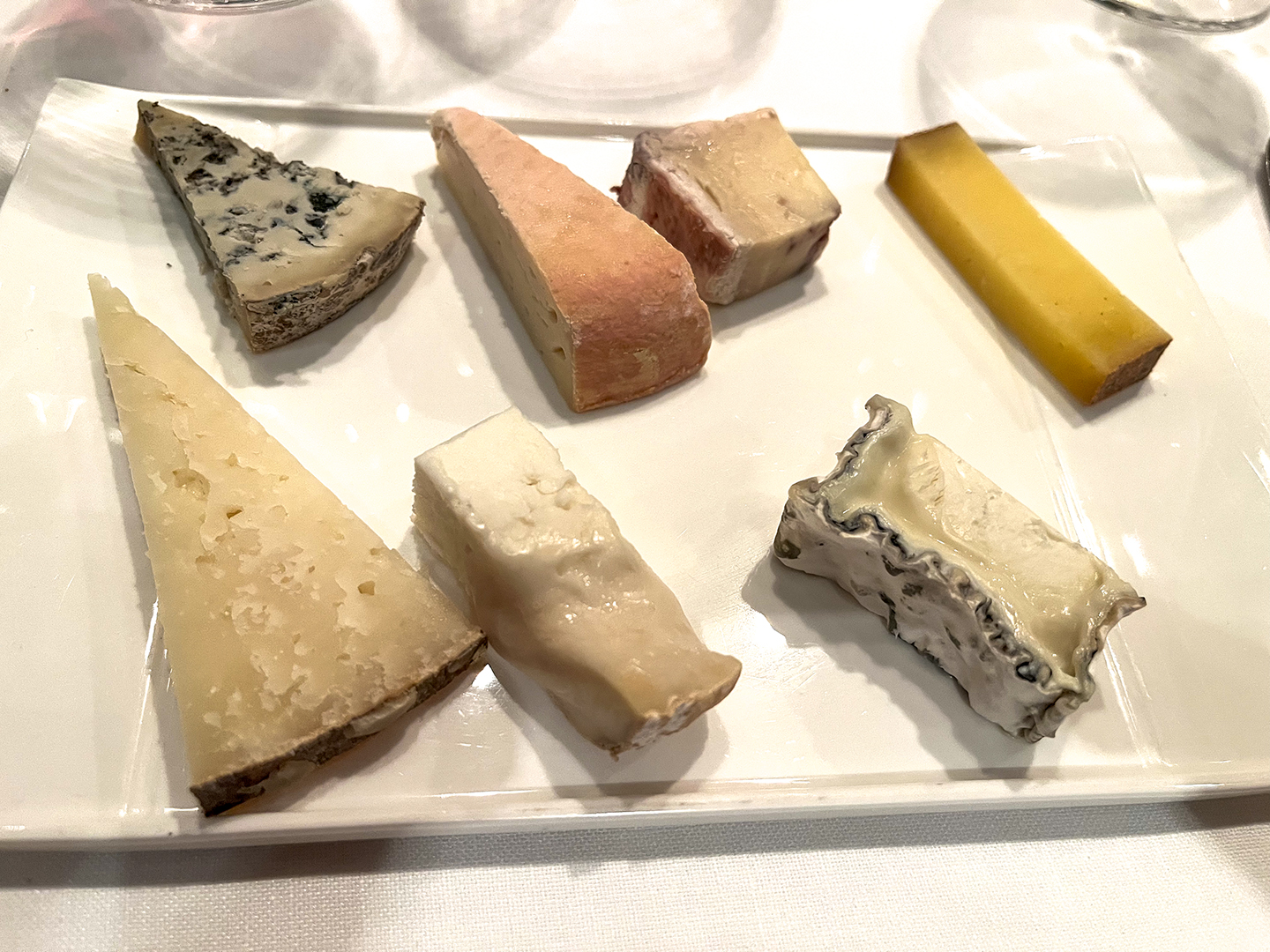
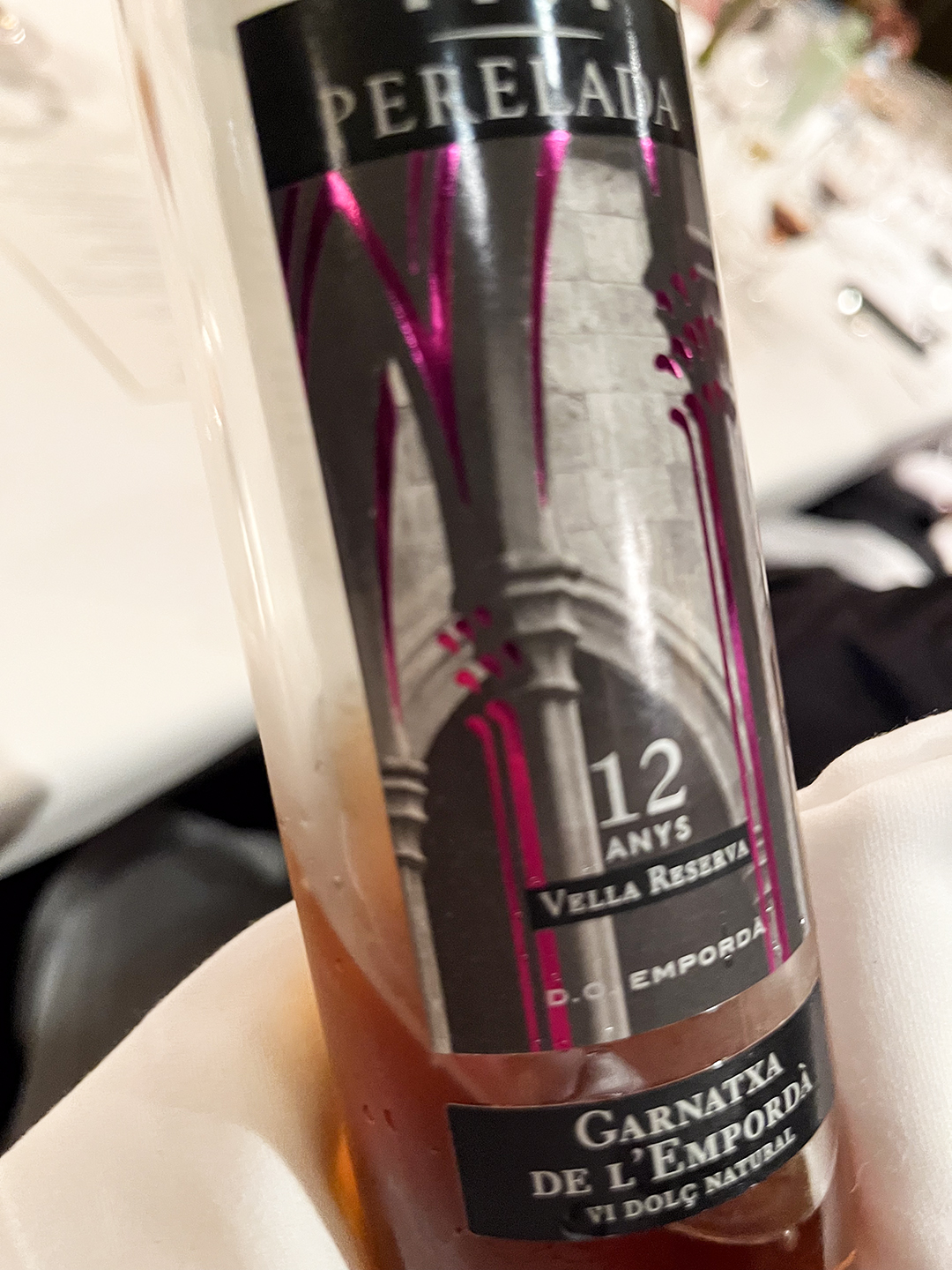
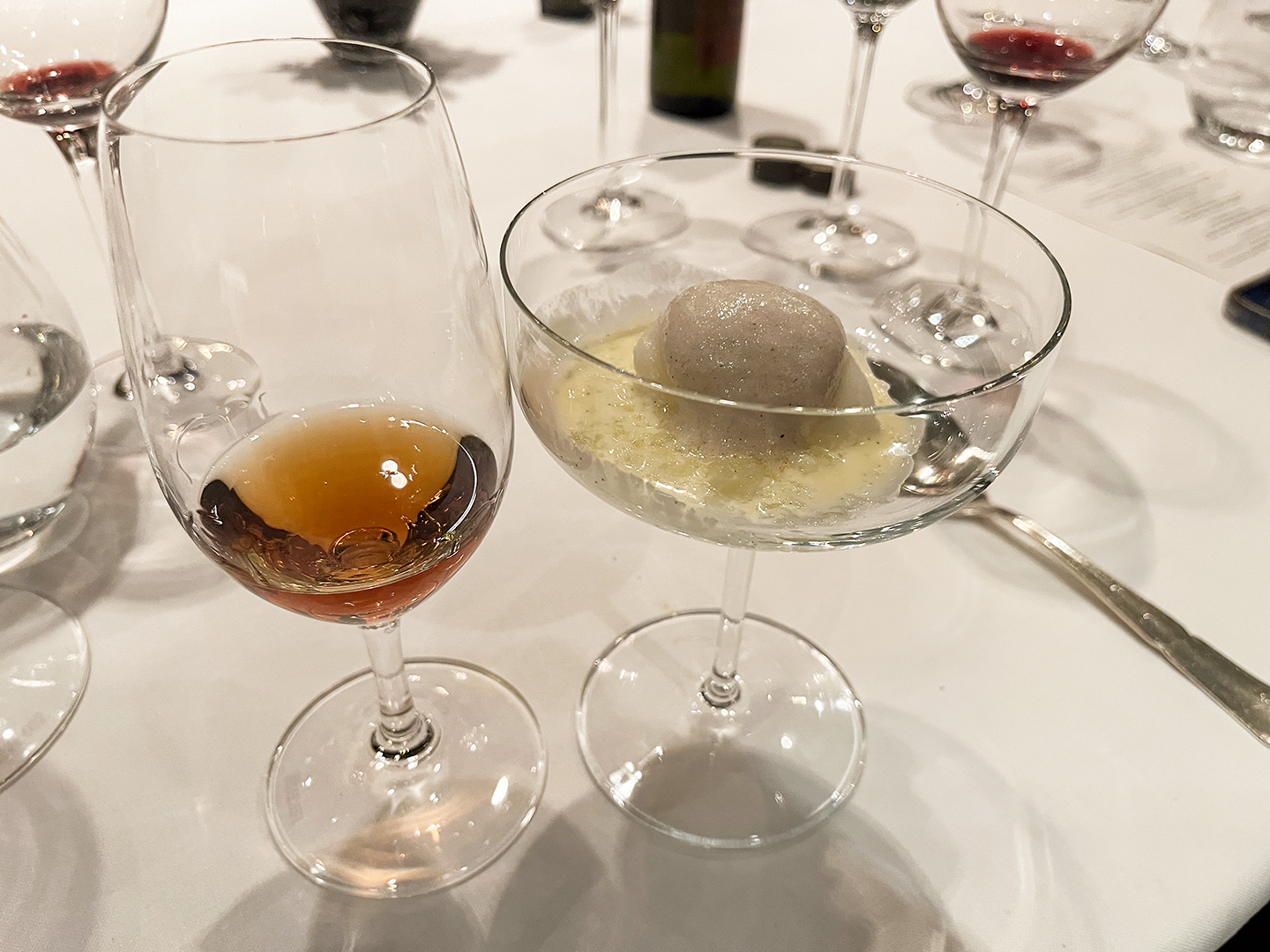
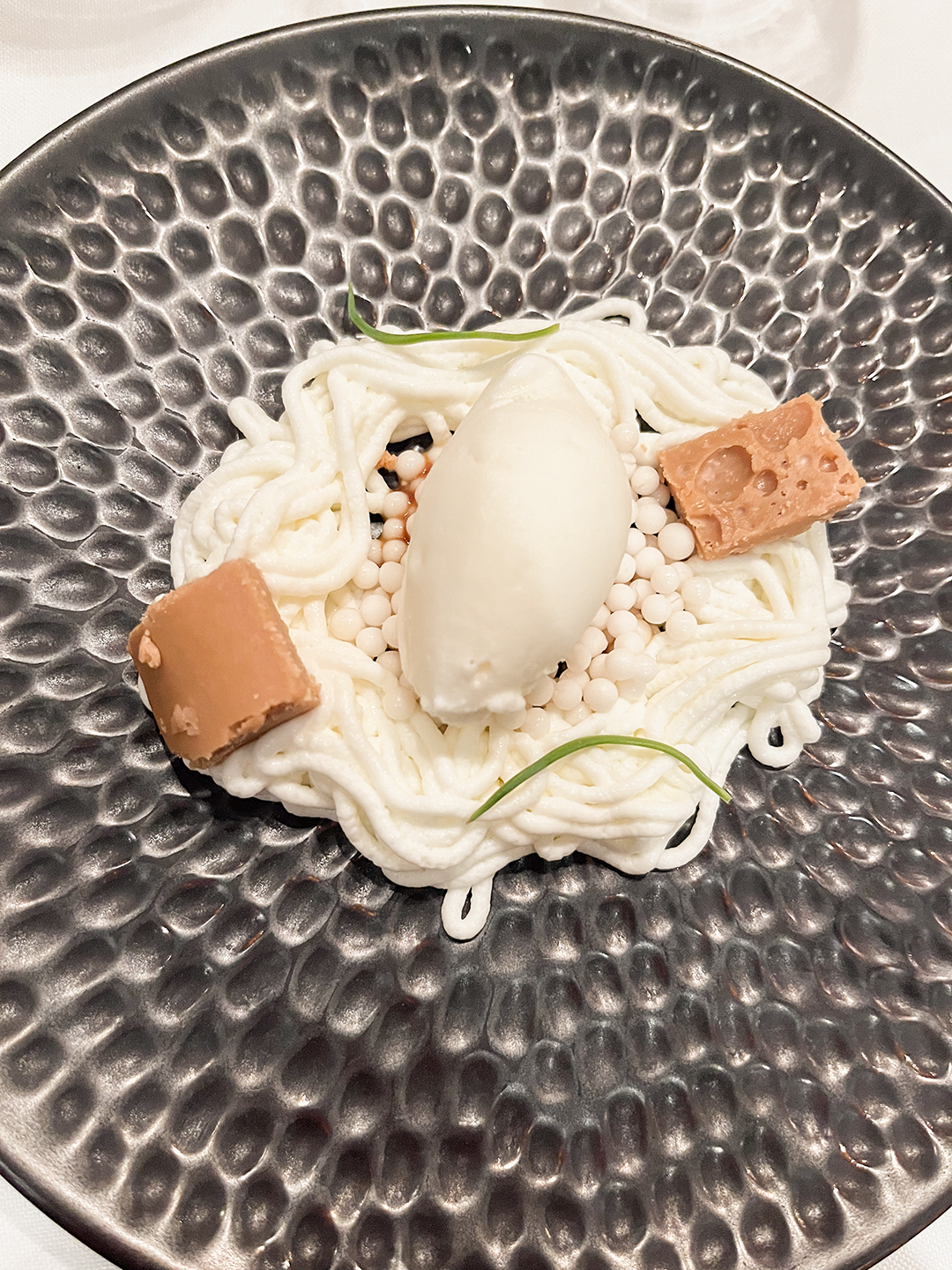
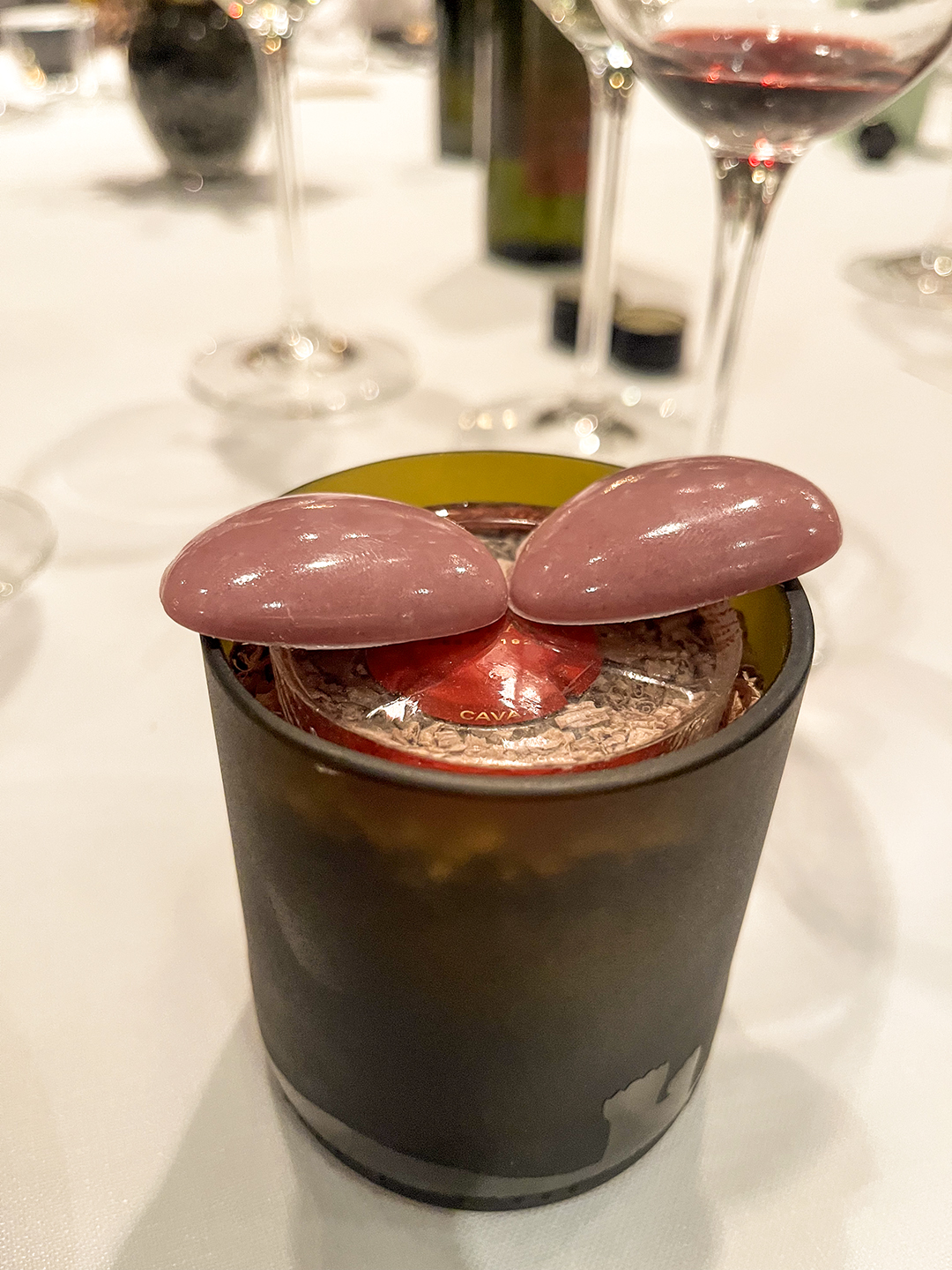
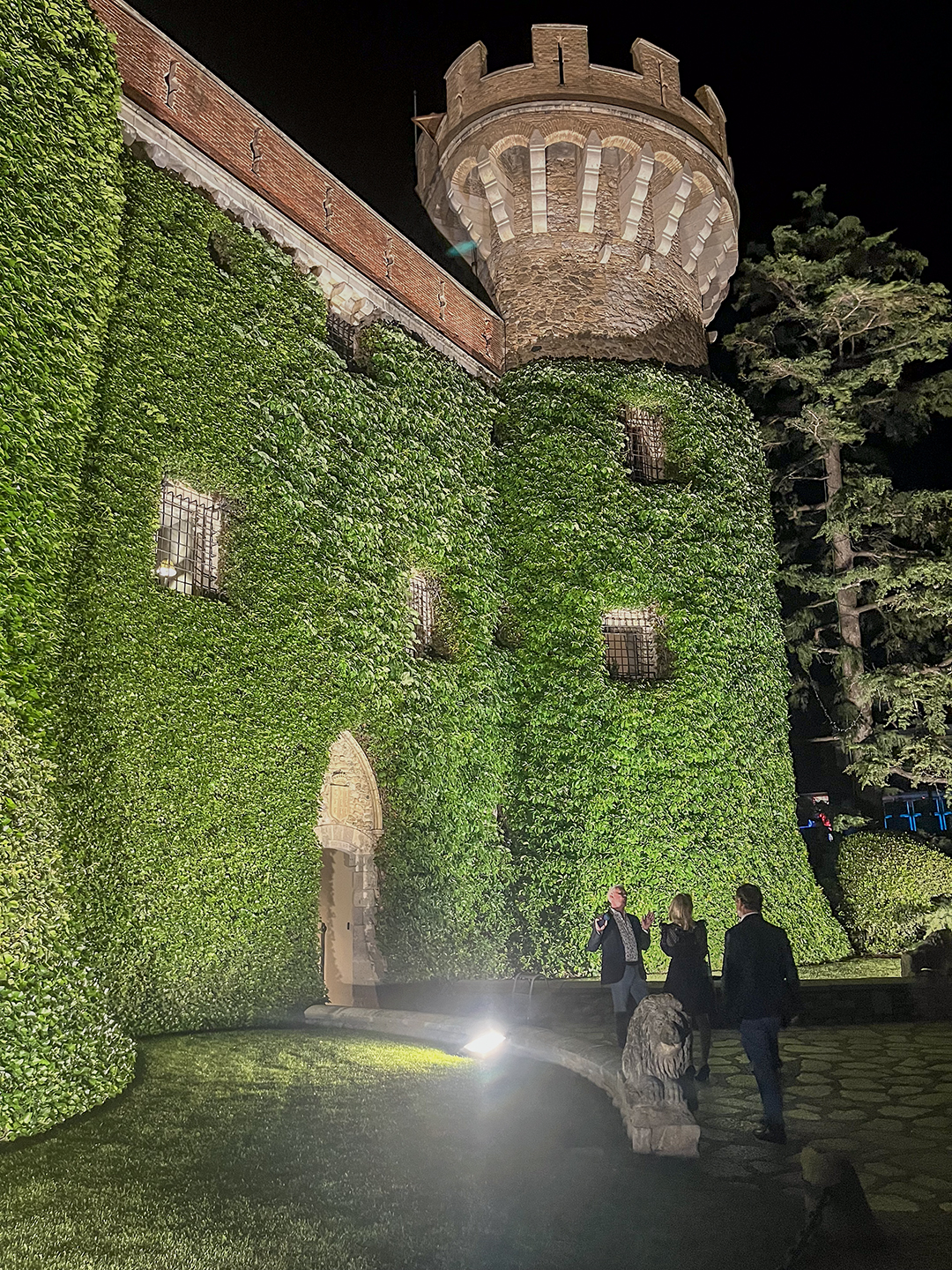
Perelada Castle at night

Late night wine at Perelada
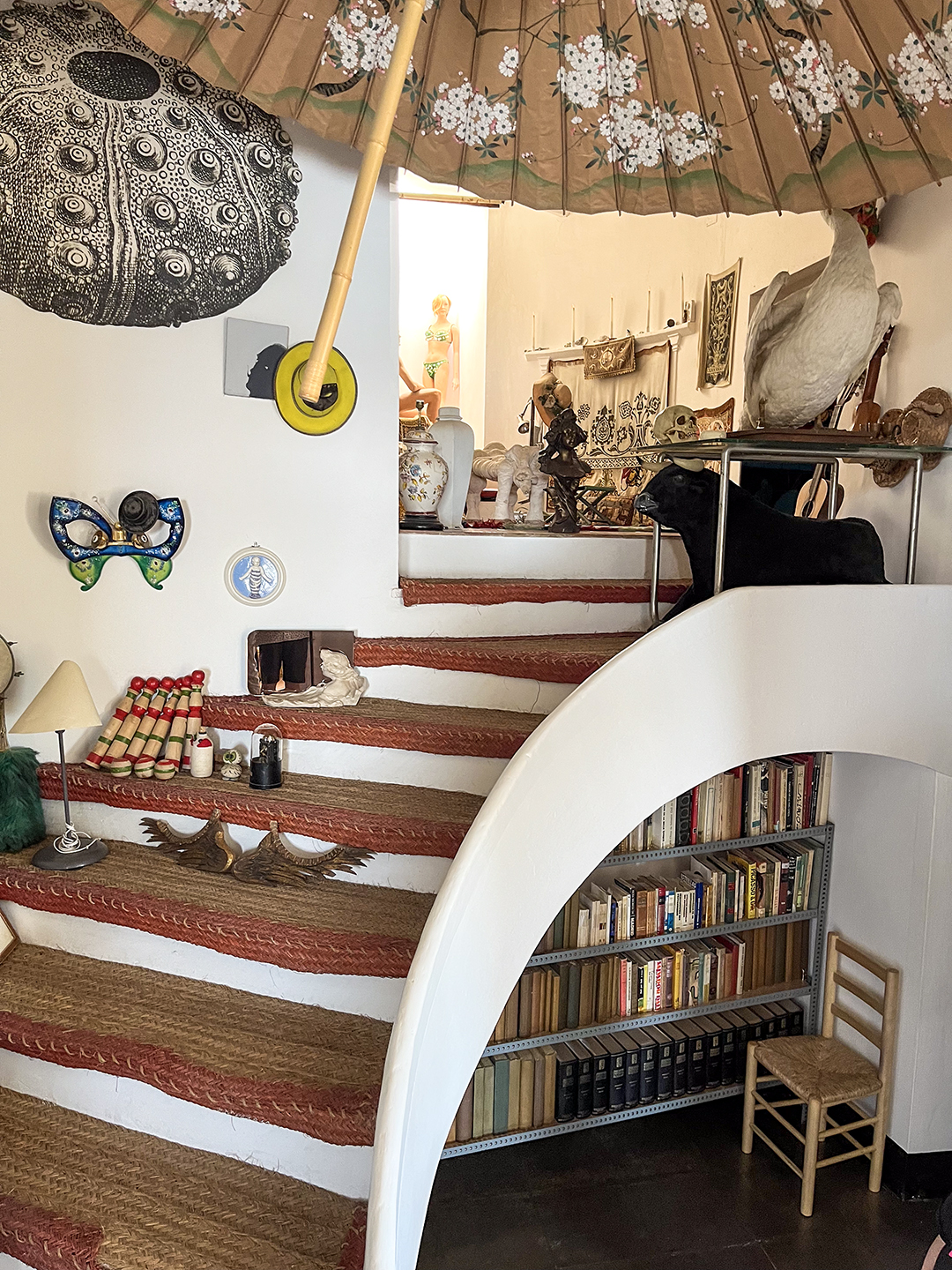
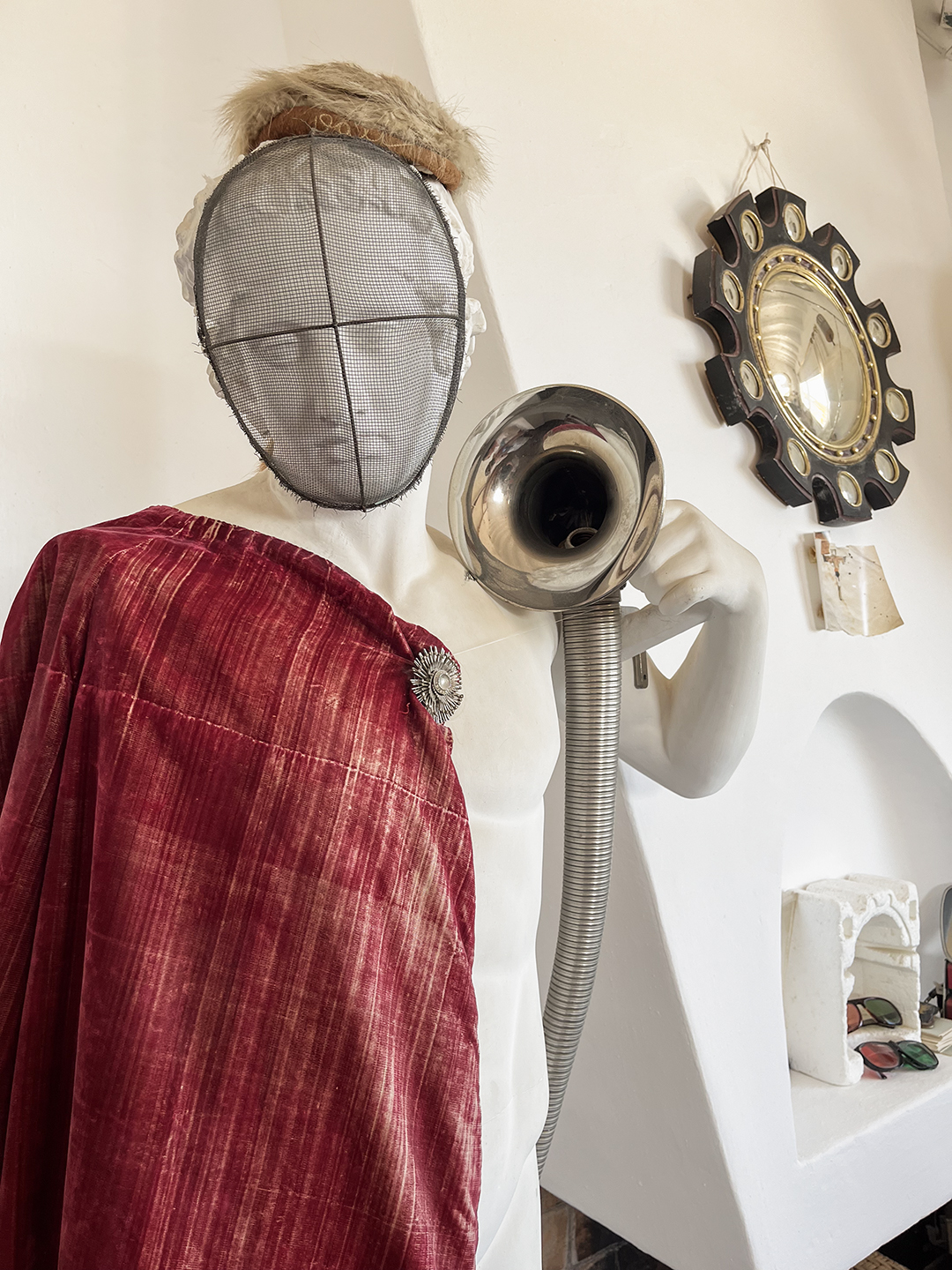
Friday, May 23rd: After breakfast we drove 40 km to the nearby coastal town of Cadaquès. This picture-postcard former fishing village is now a thriving artists’ community. Salvador Dalí made his home here with his muse and lover Gala from 1930 until 1982. We visited the whimsical and maze-like Casa Dalí house and saw a tube of gel in his bathroom he used on his moustache – so much for the honey story!
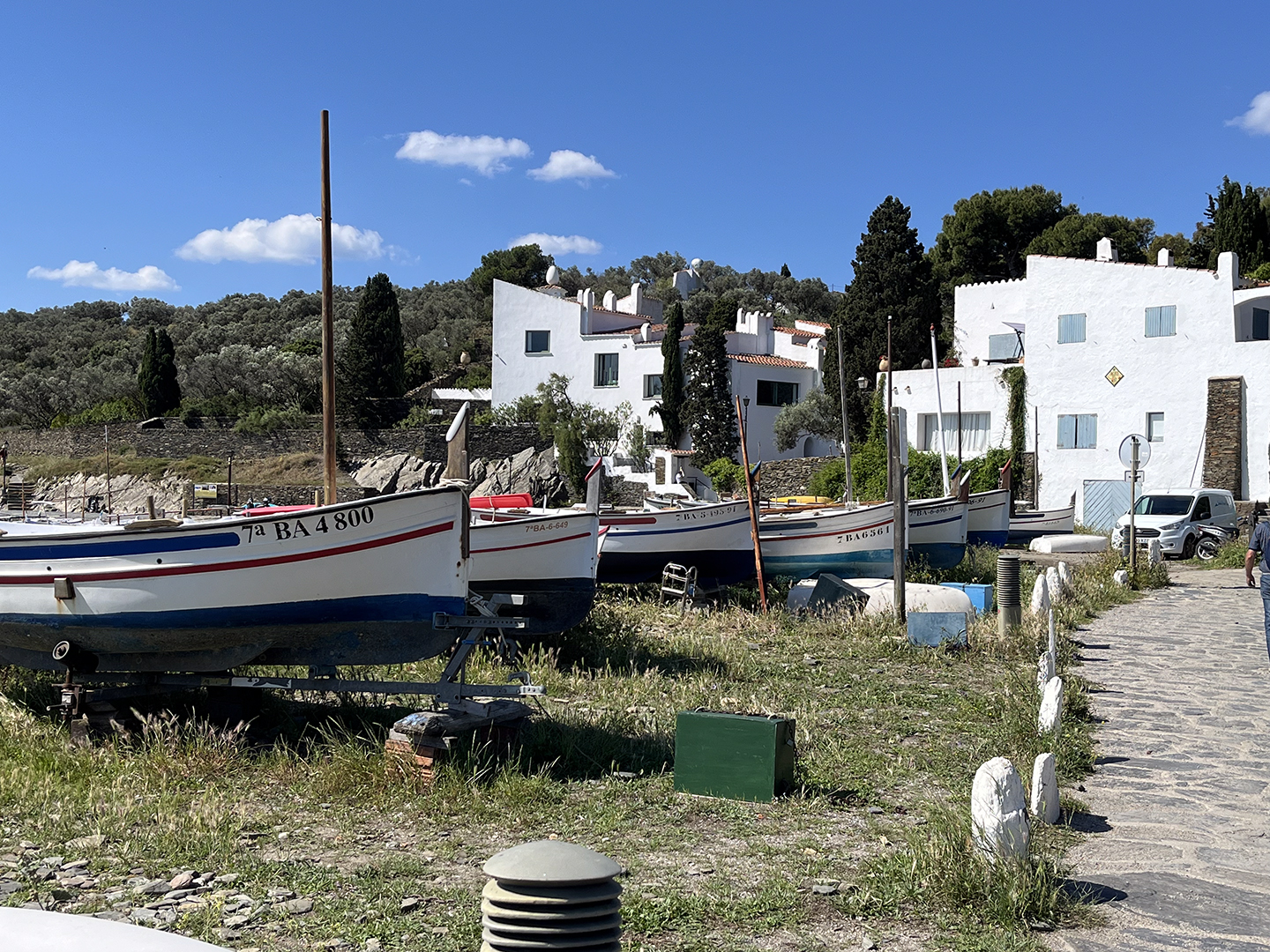
Cadaquès
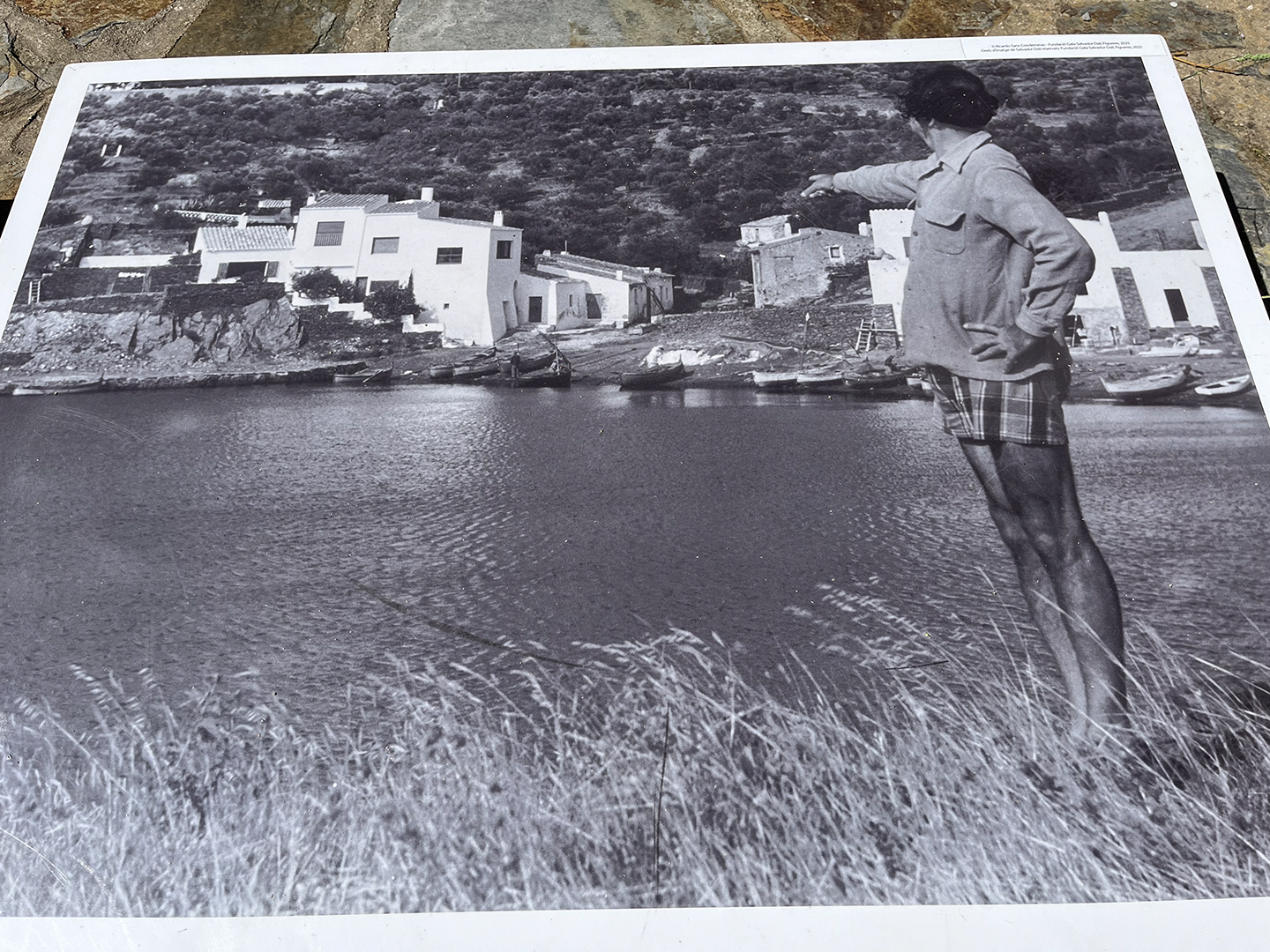
Photo of a young Dalí pointing to his house
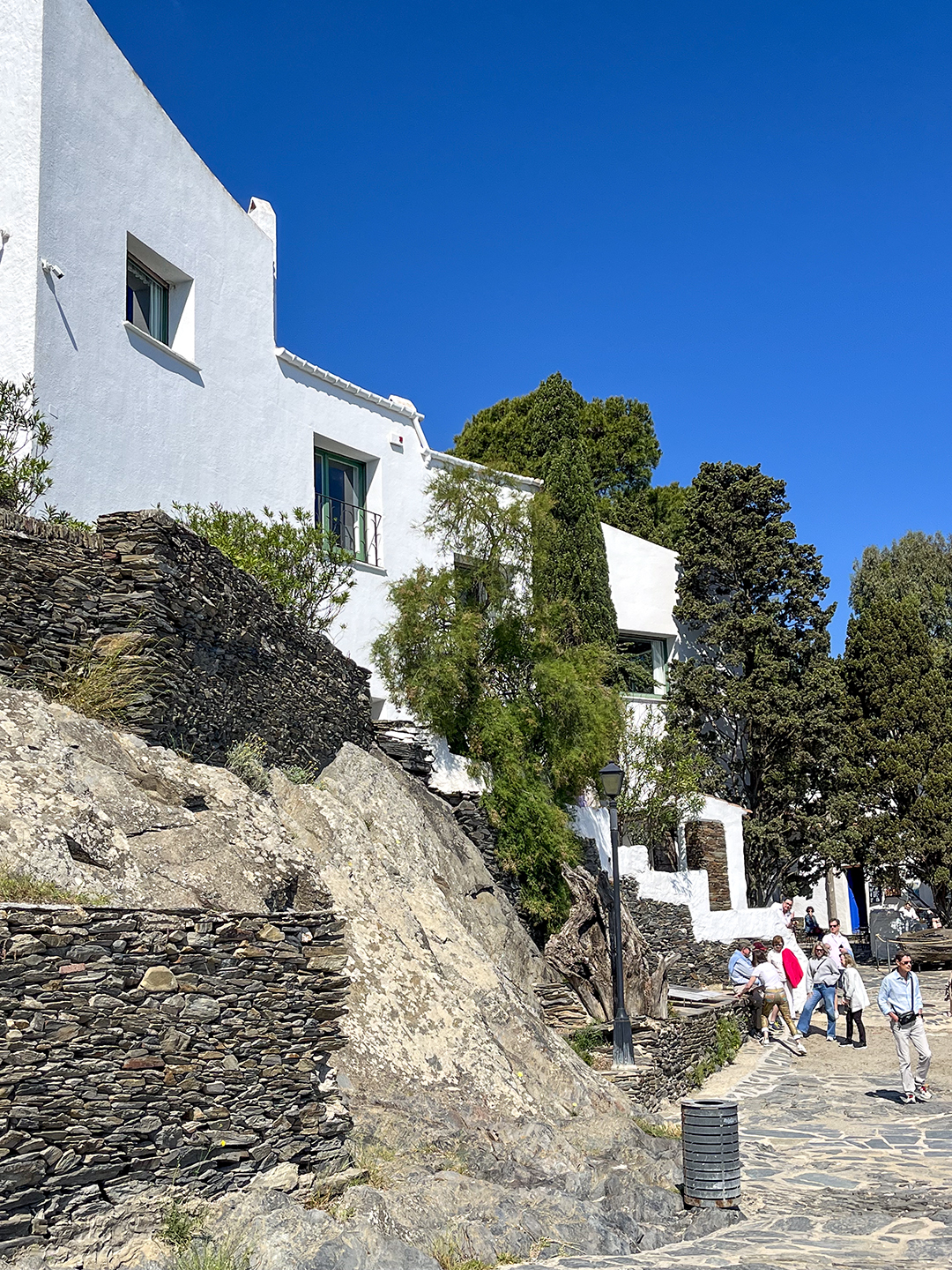
Dalí’s house today
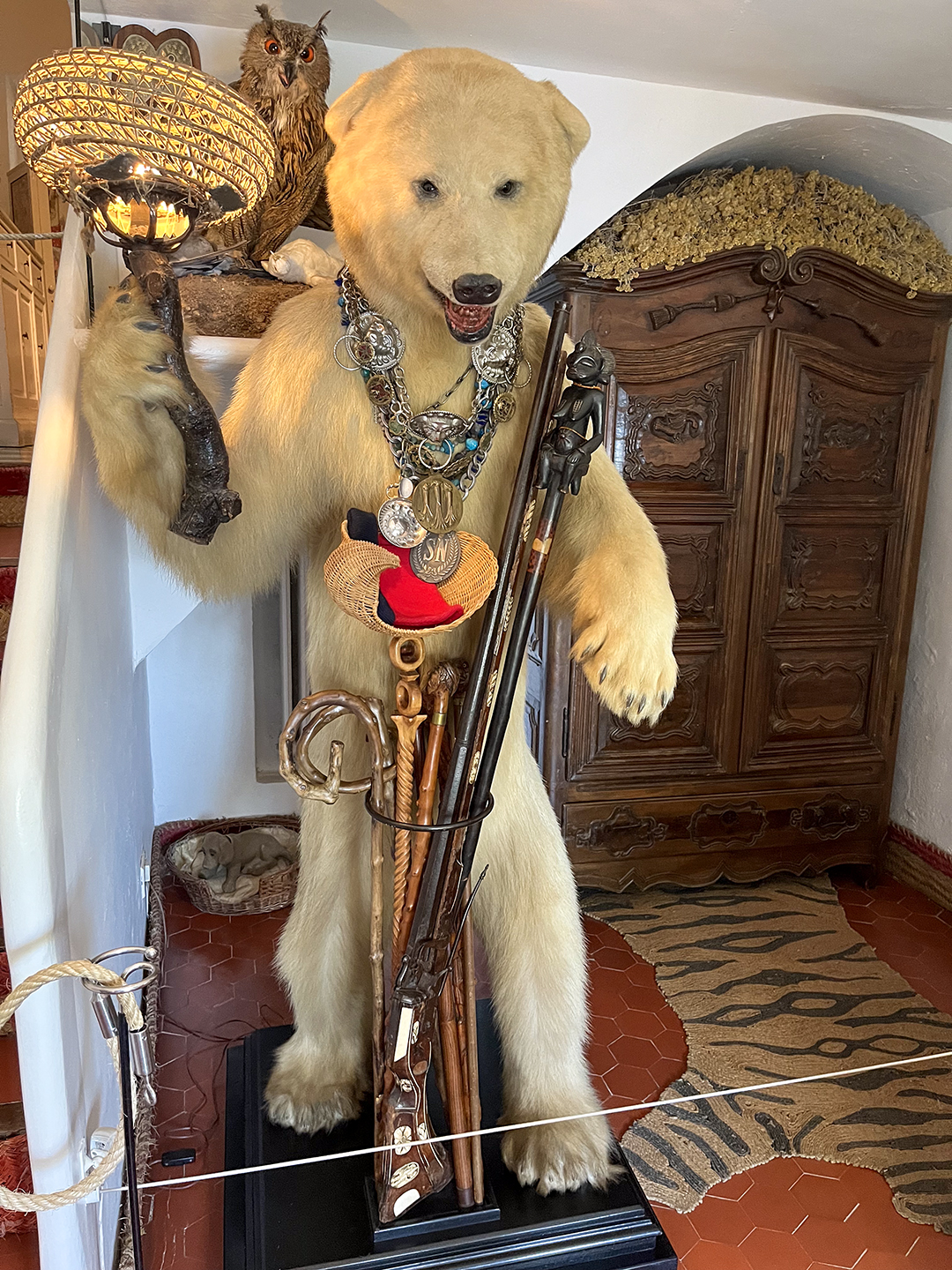
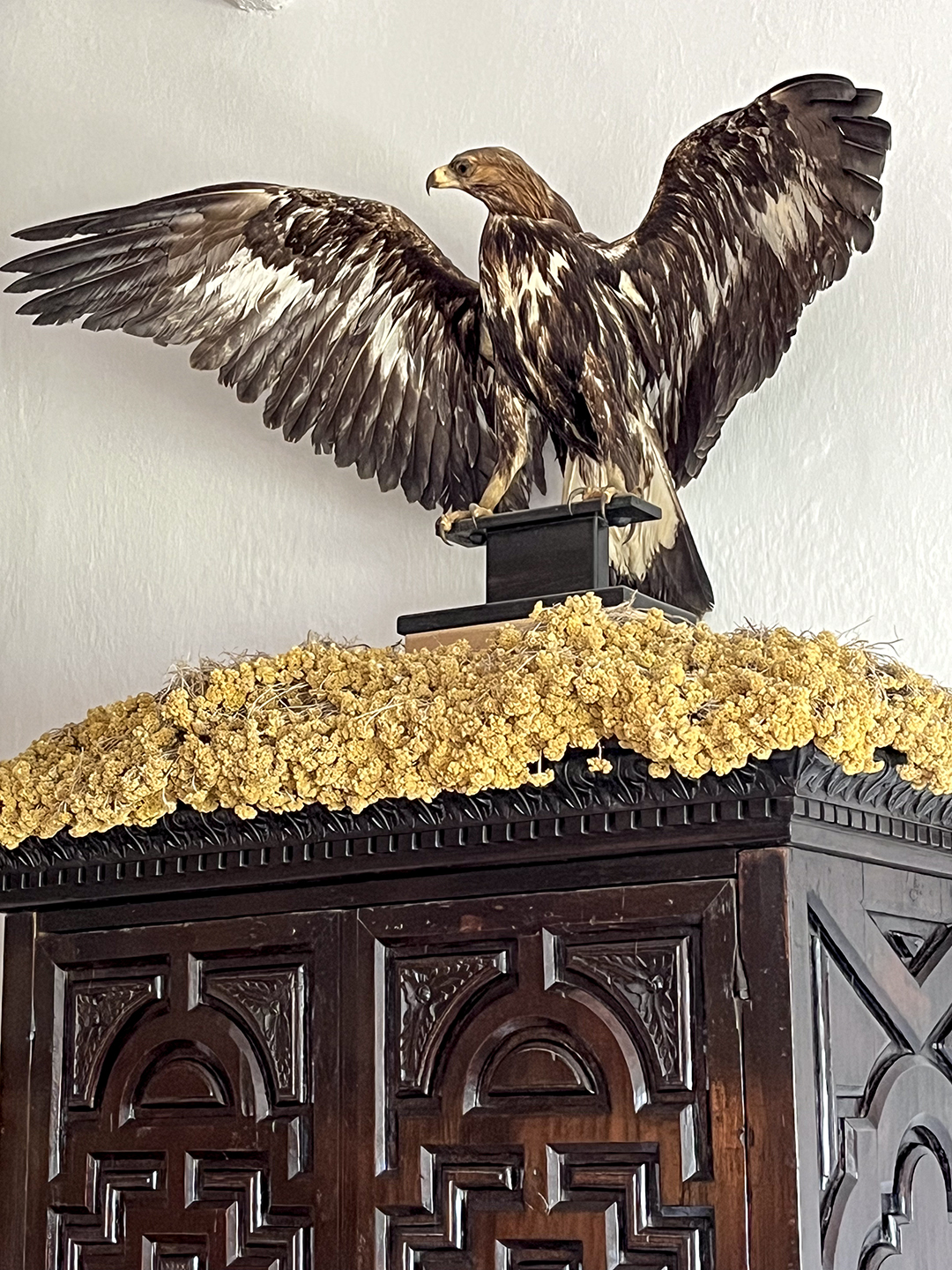
Dalí was an inveterate collector – especially of stuffed birds and animals
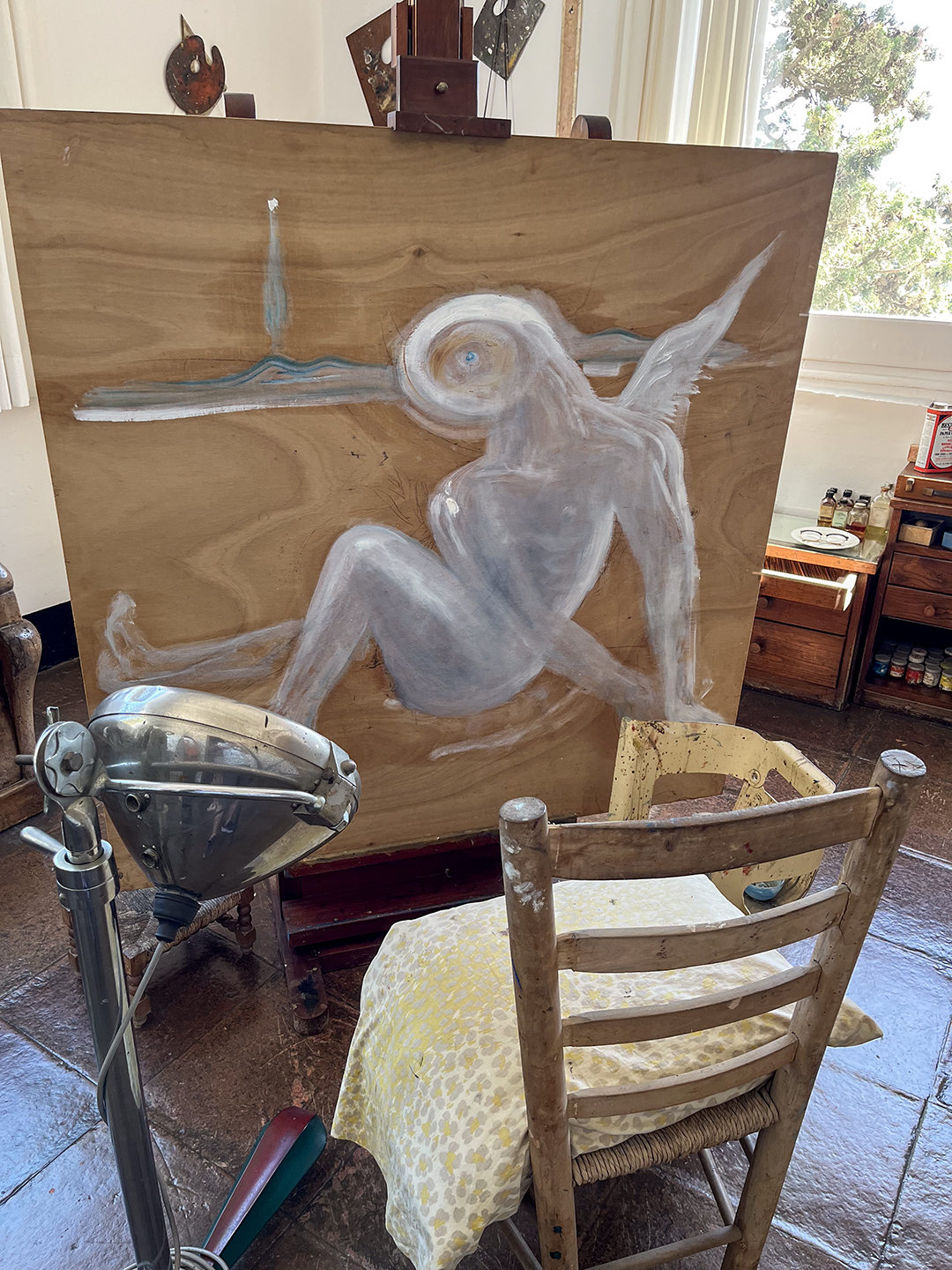
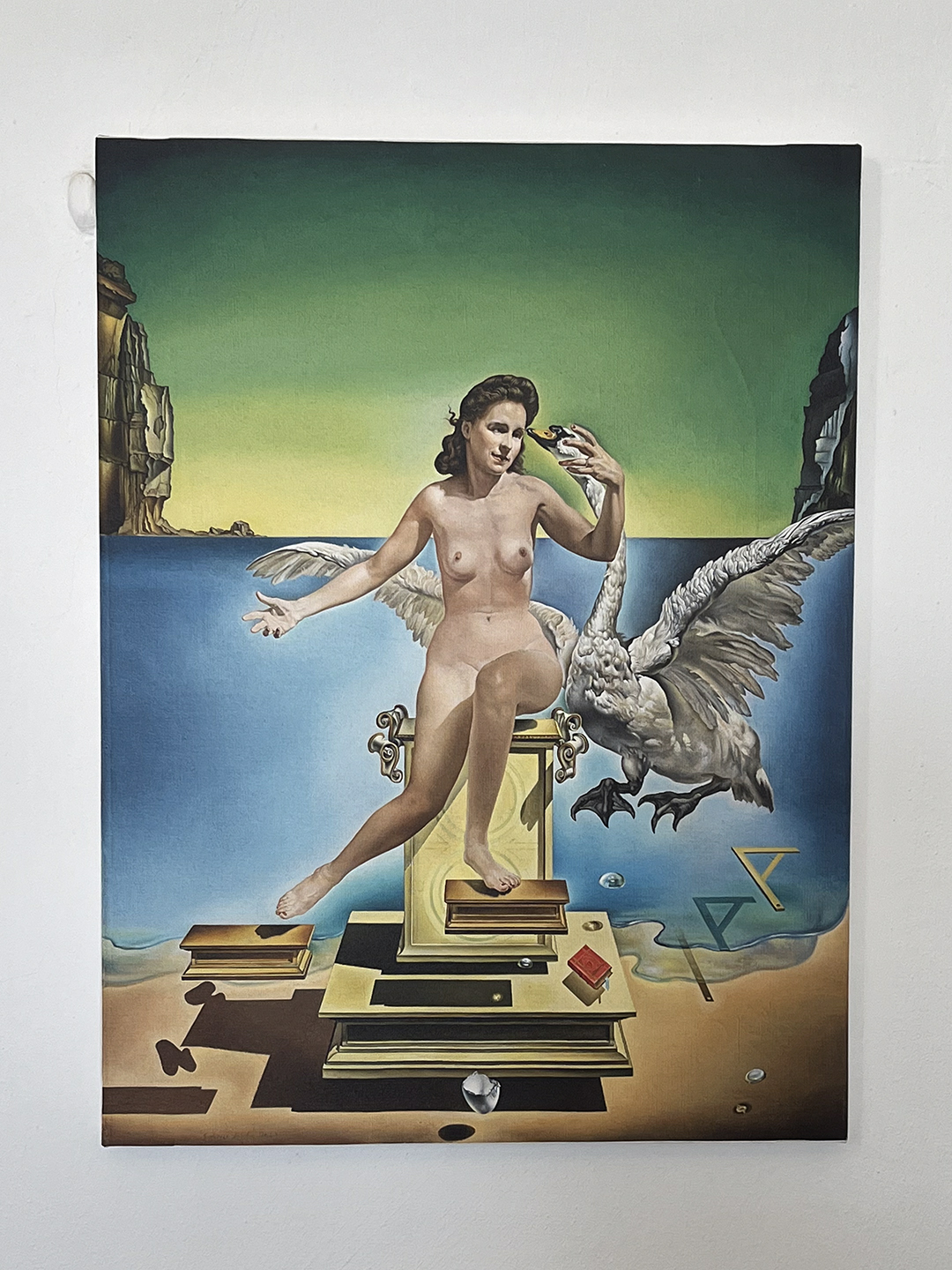
Dalí’s wife and muse, Gala
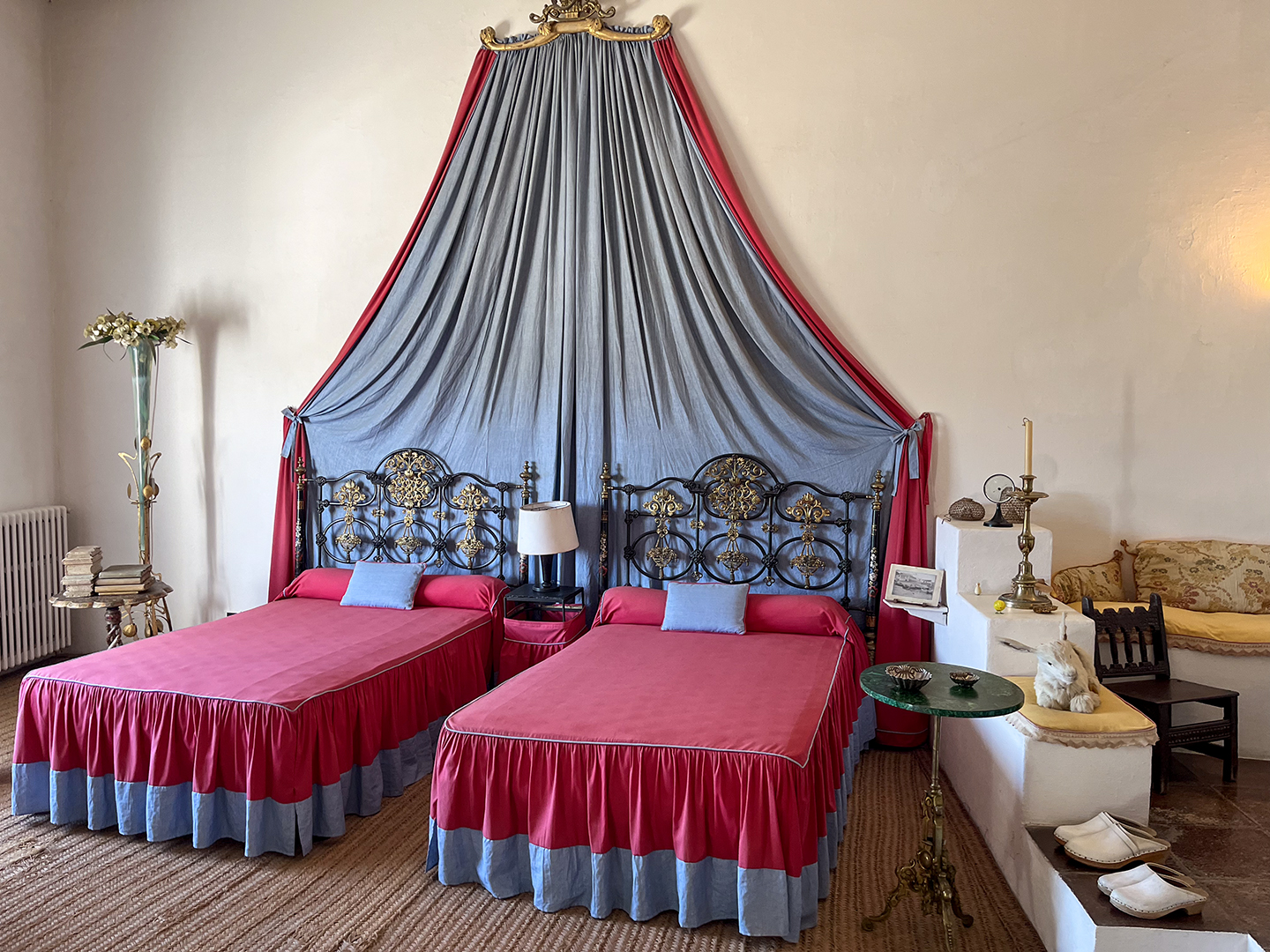
Dalí’s bedroom
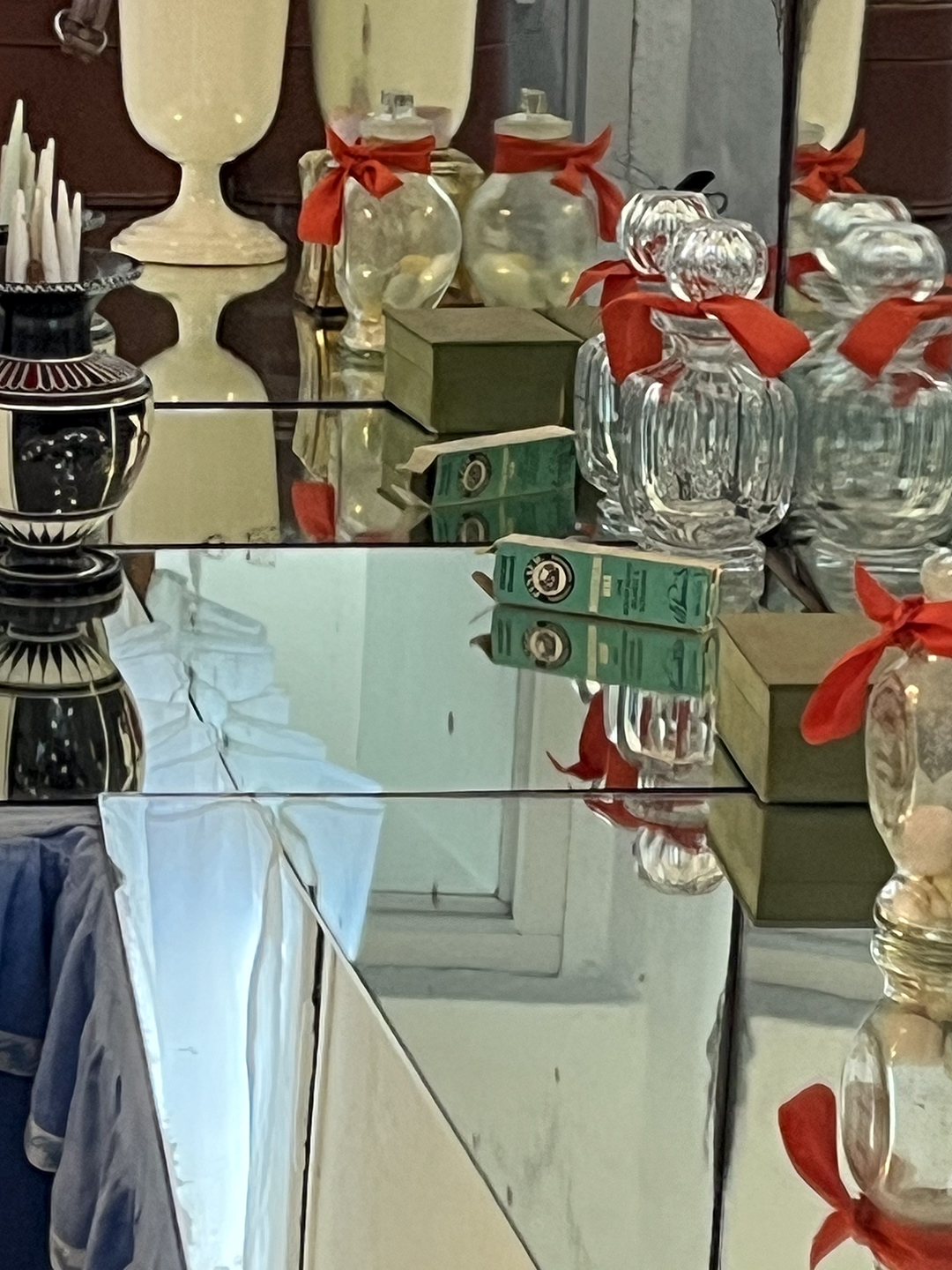
The gel (in the green packet) that Dalí used on his moustache

Orchard sculpture
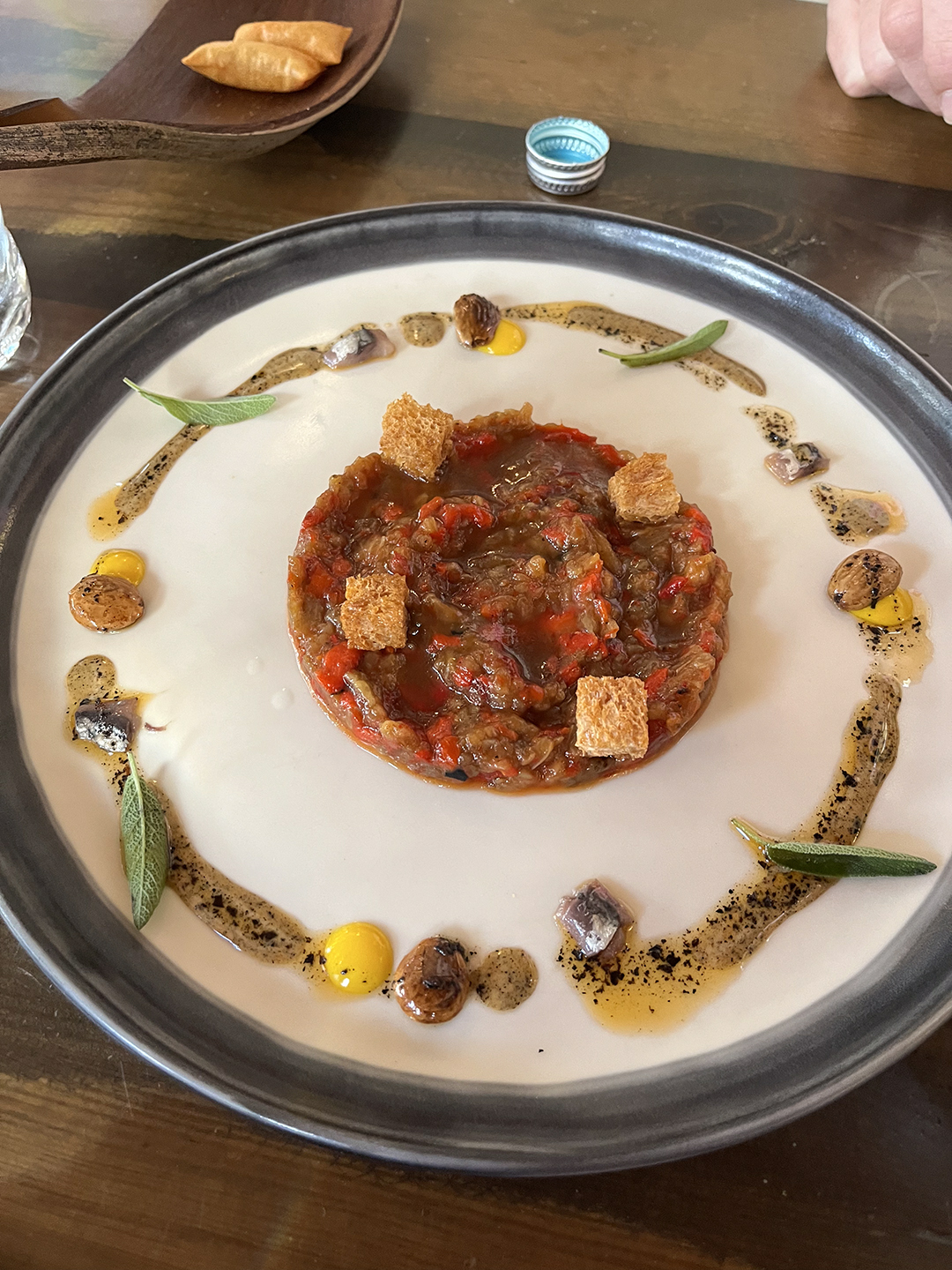
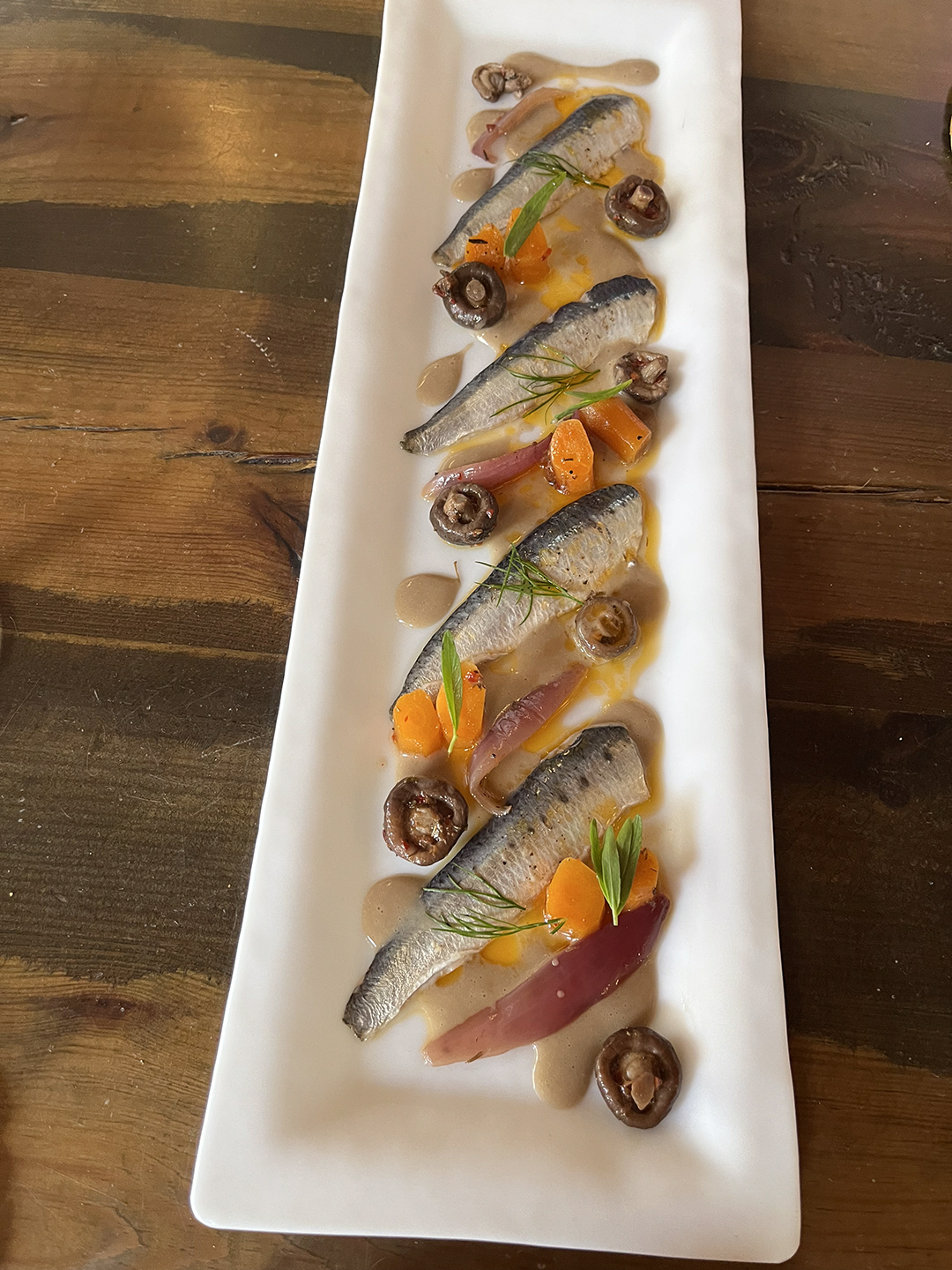
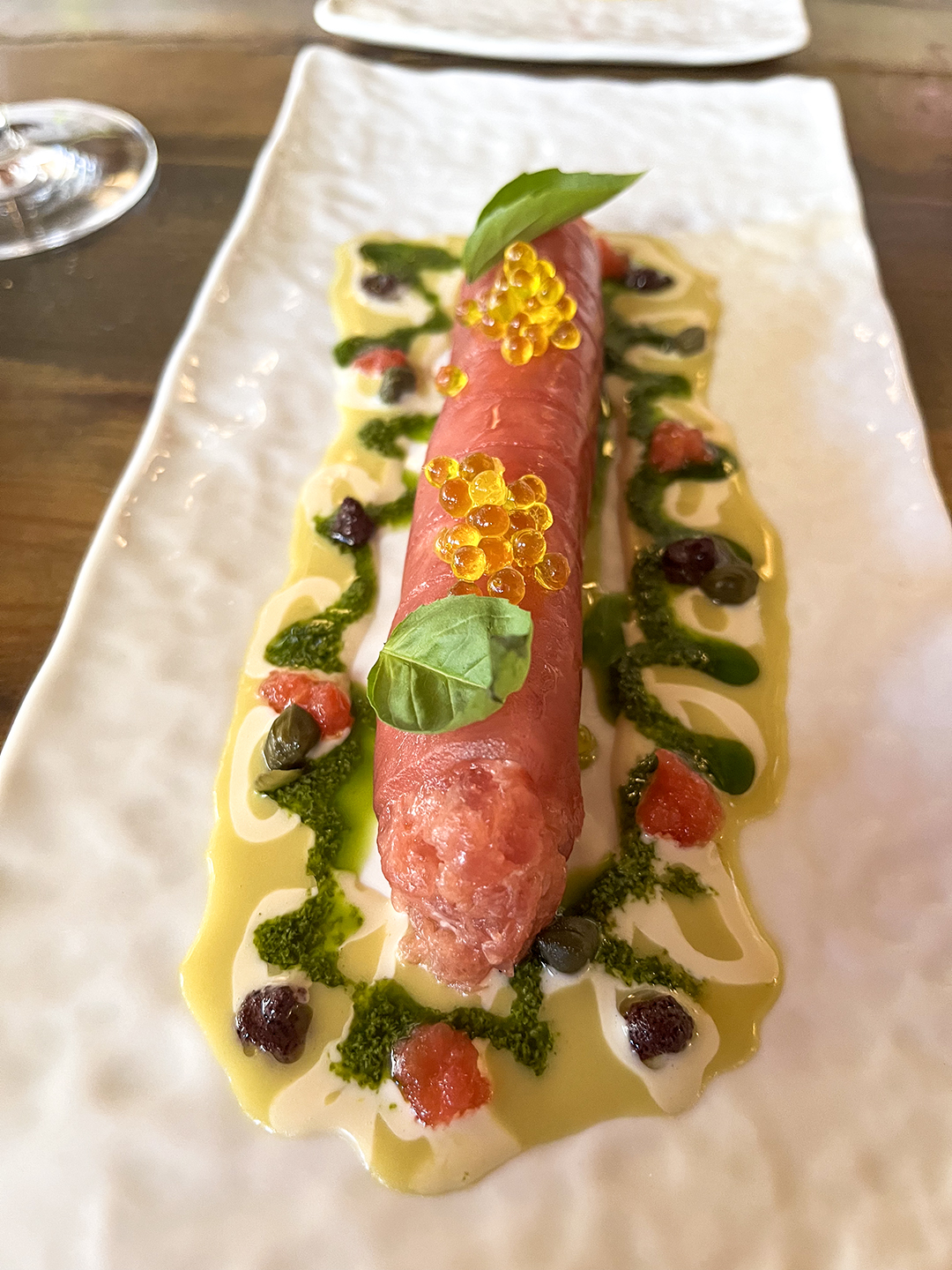
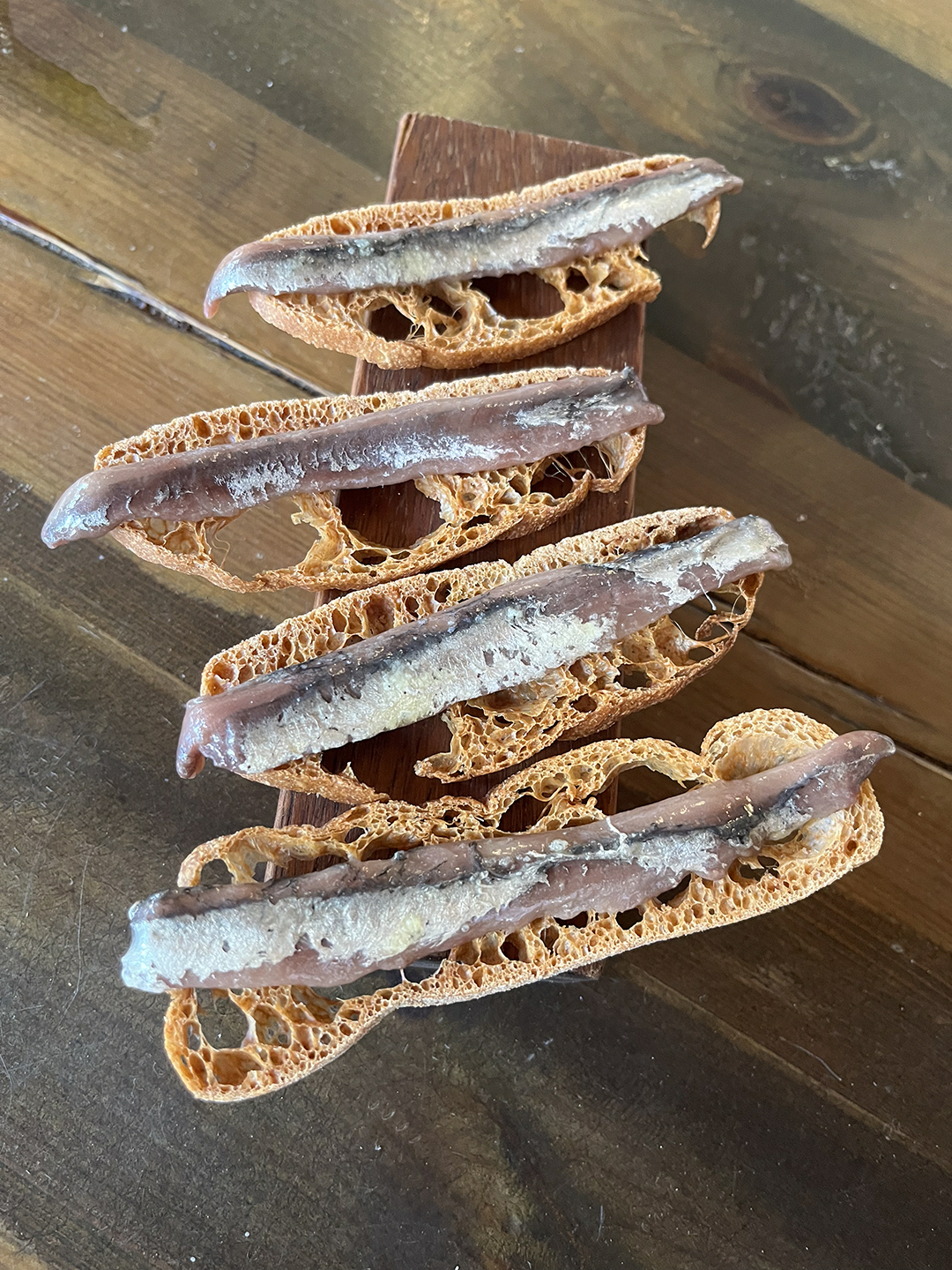
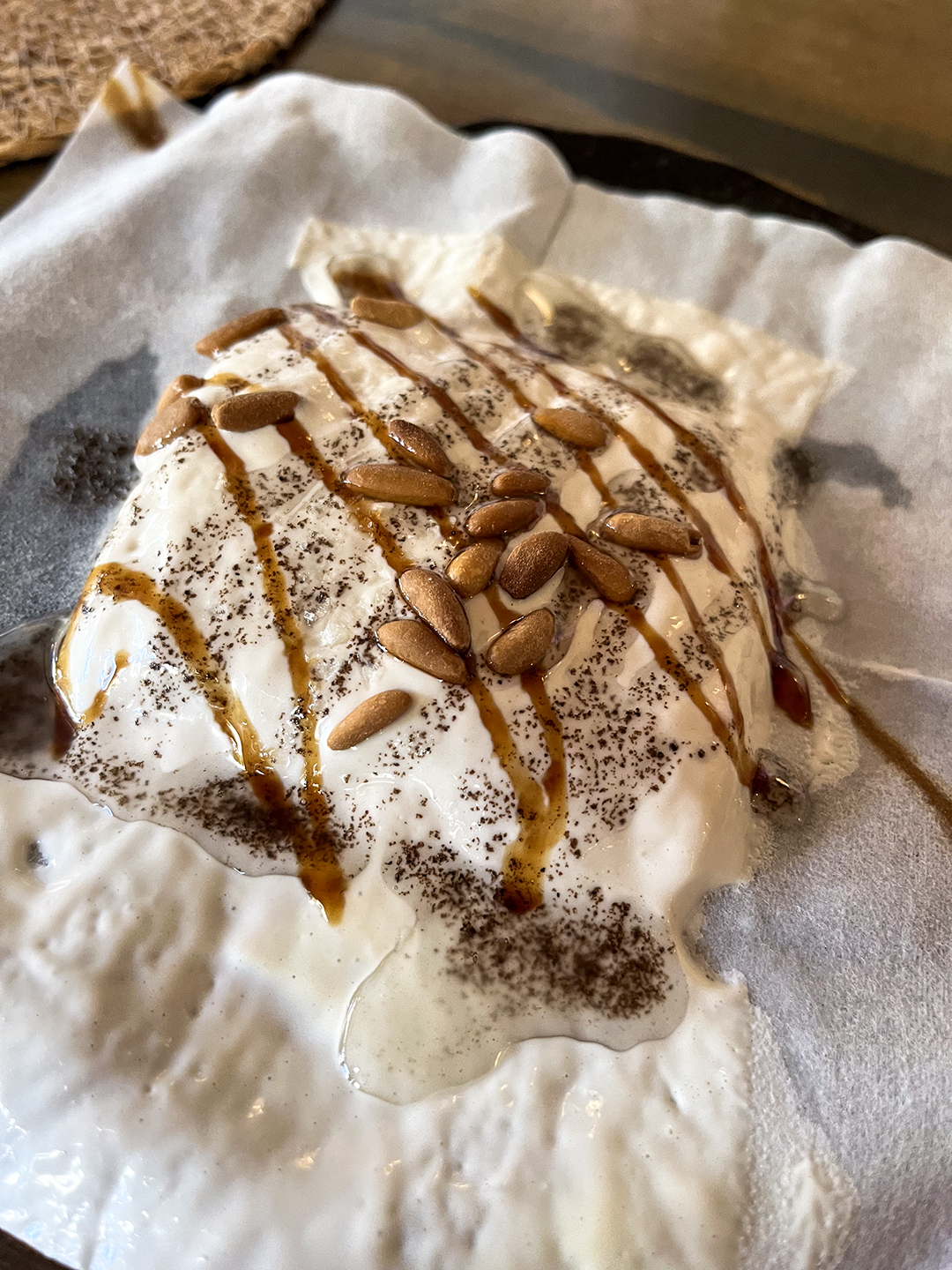
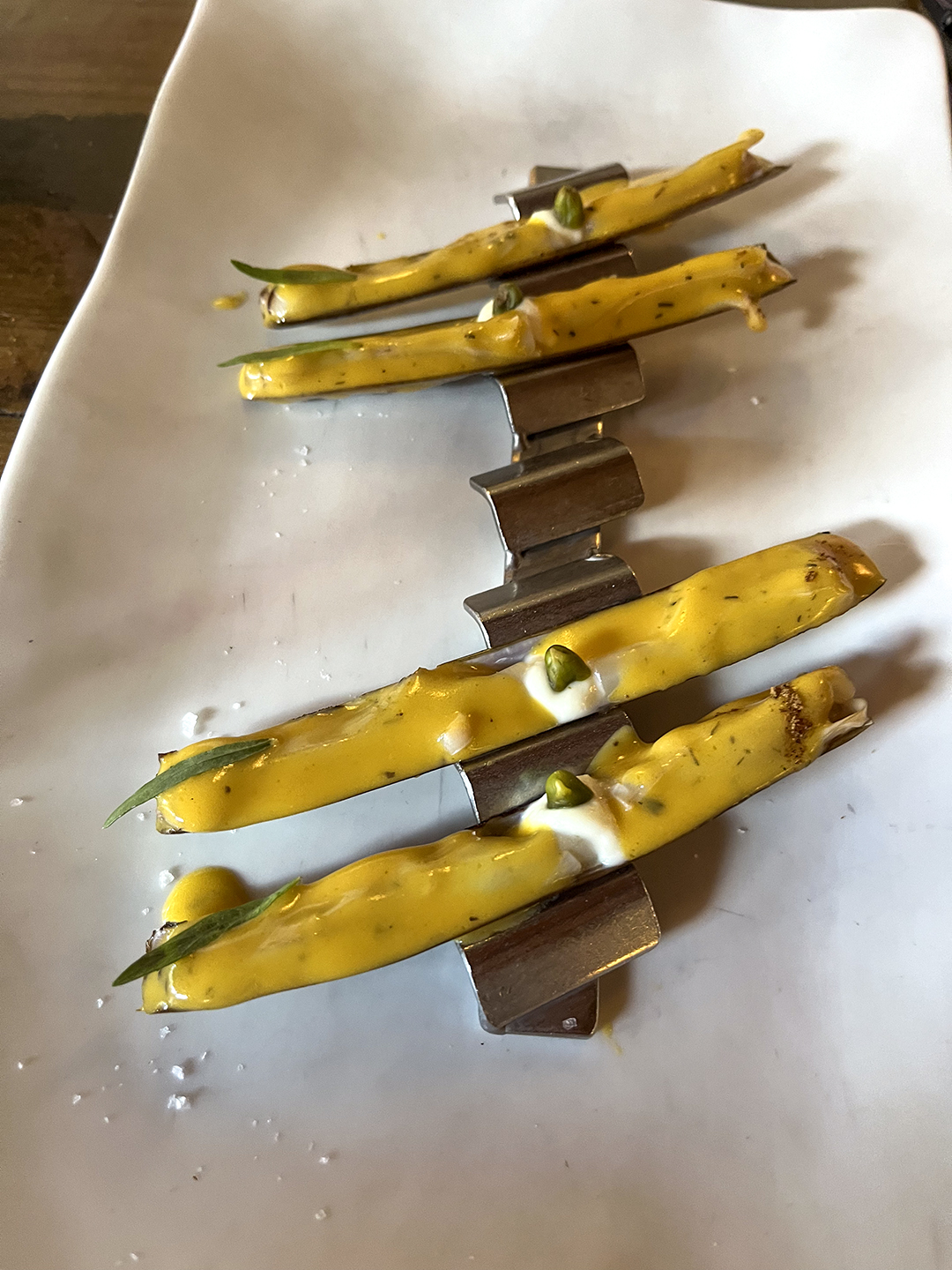
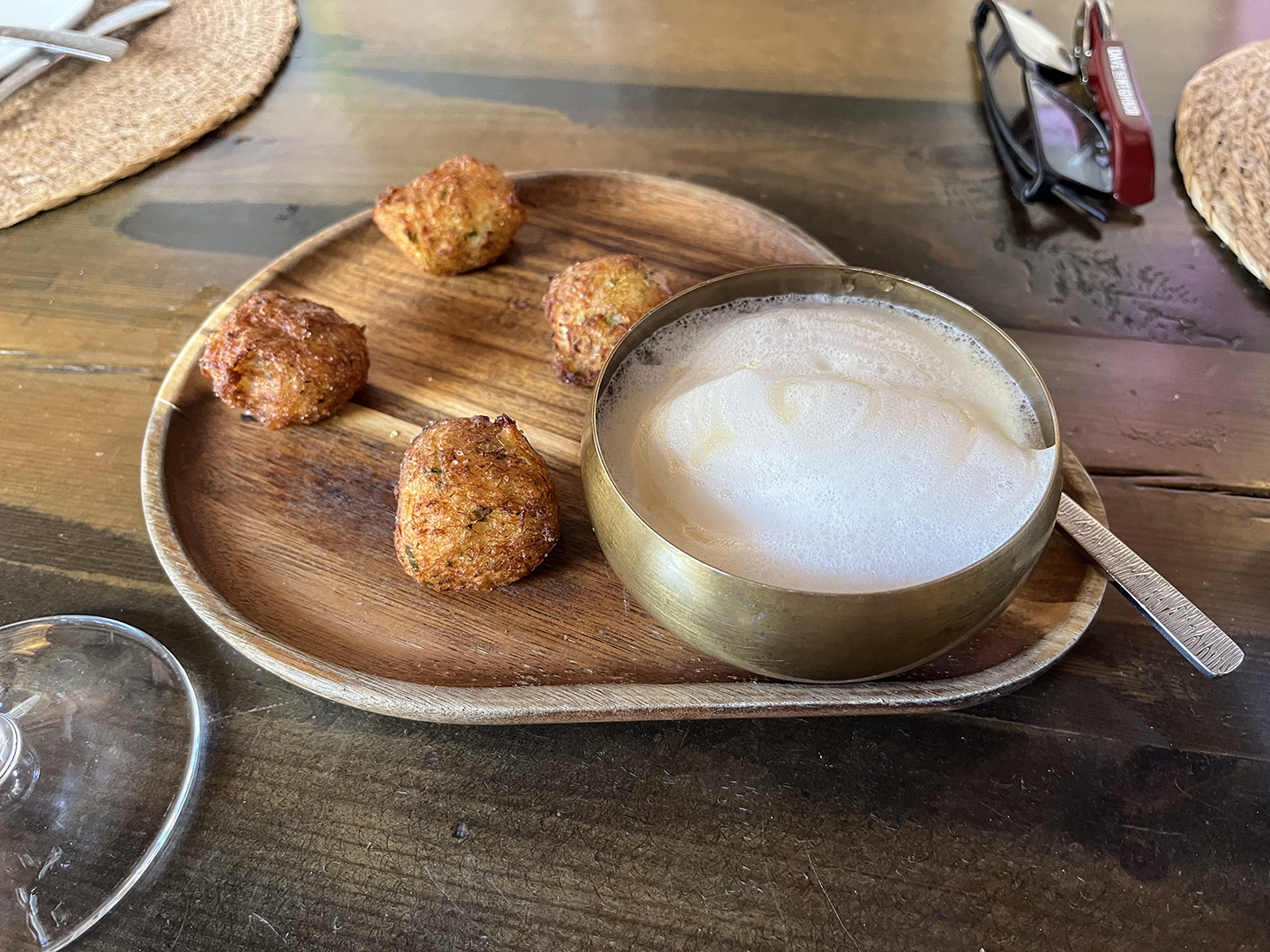
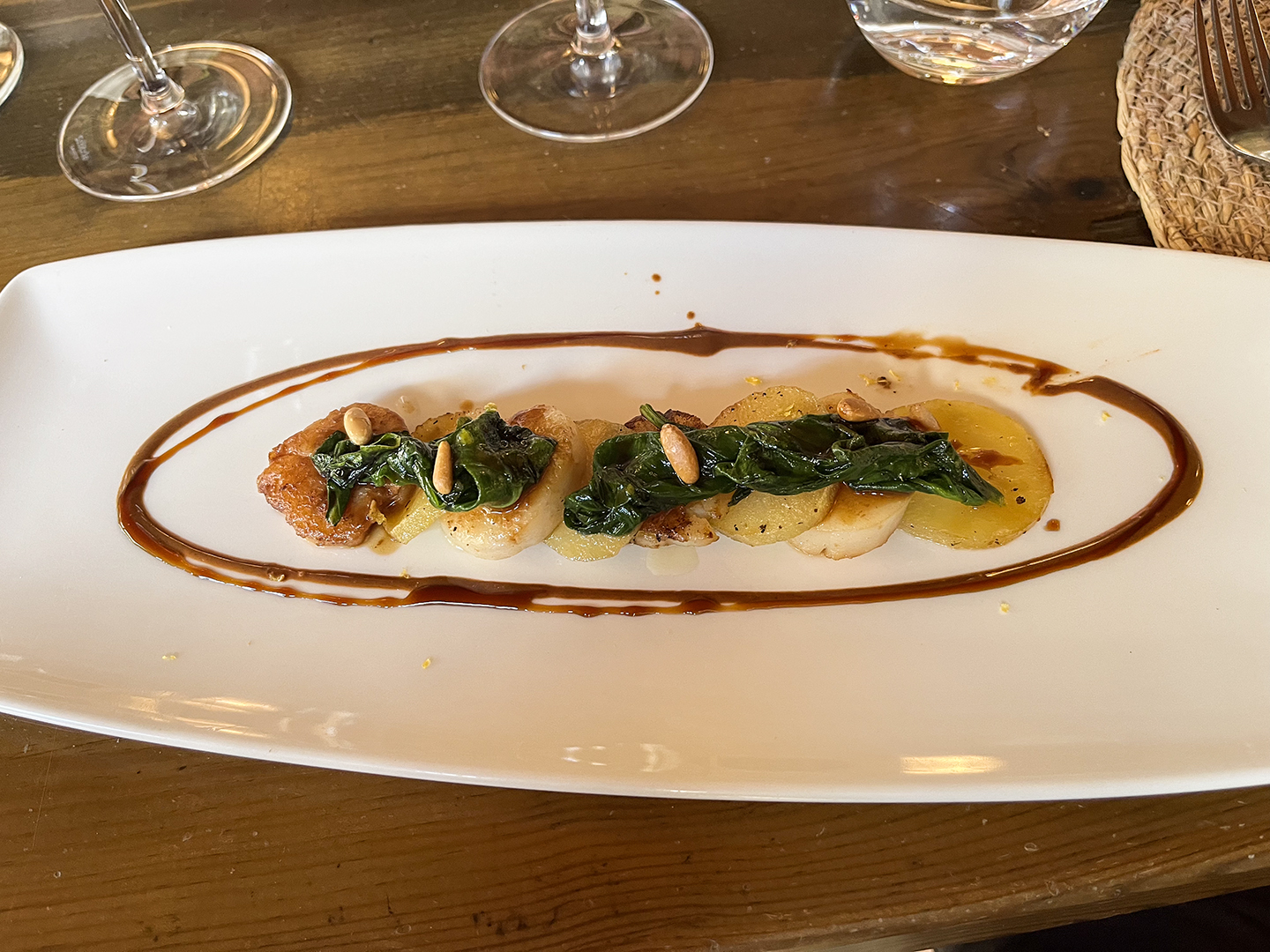
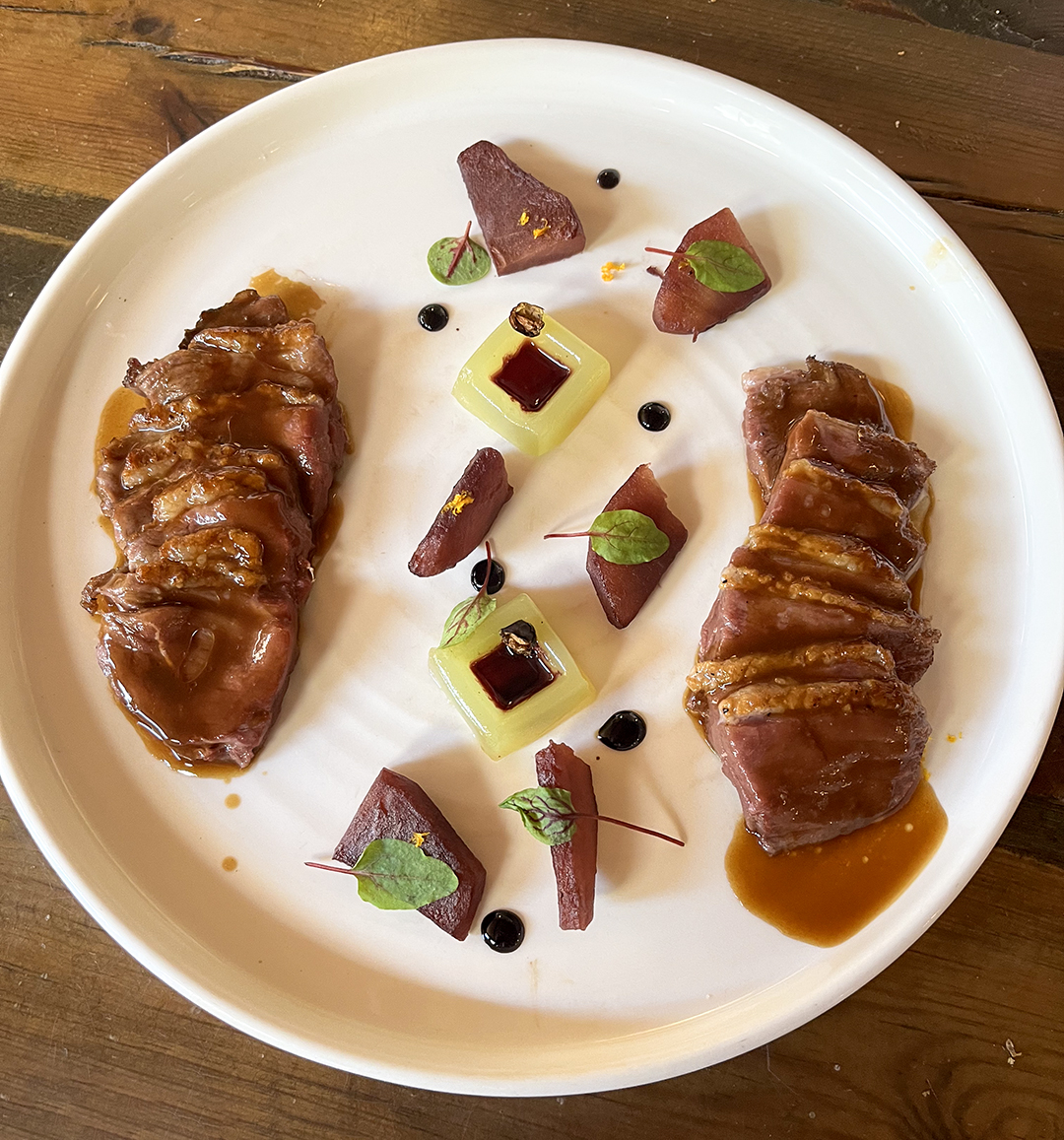
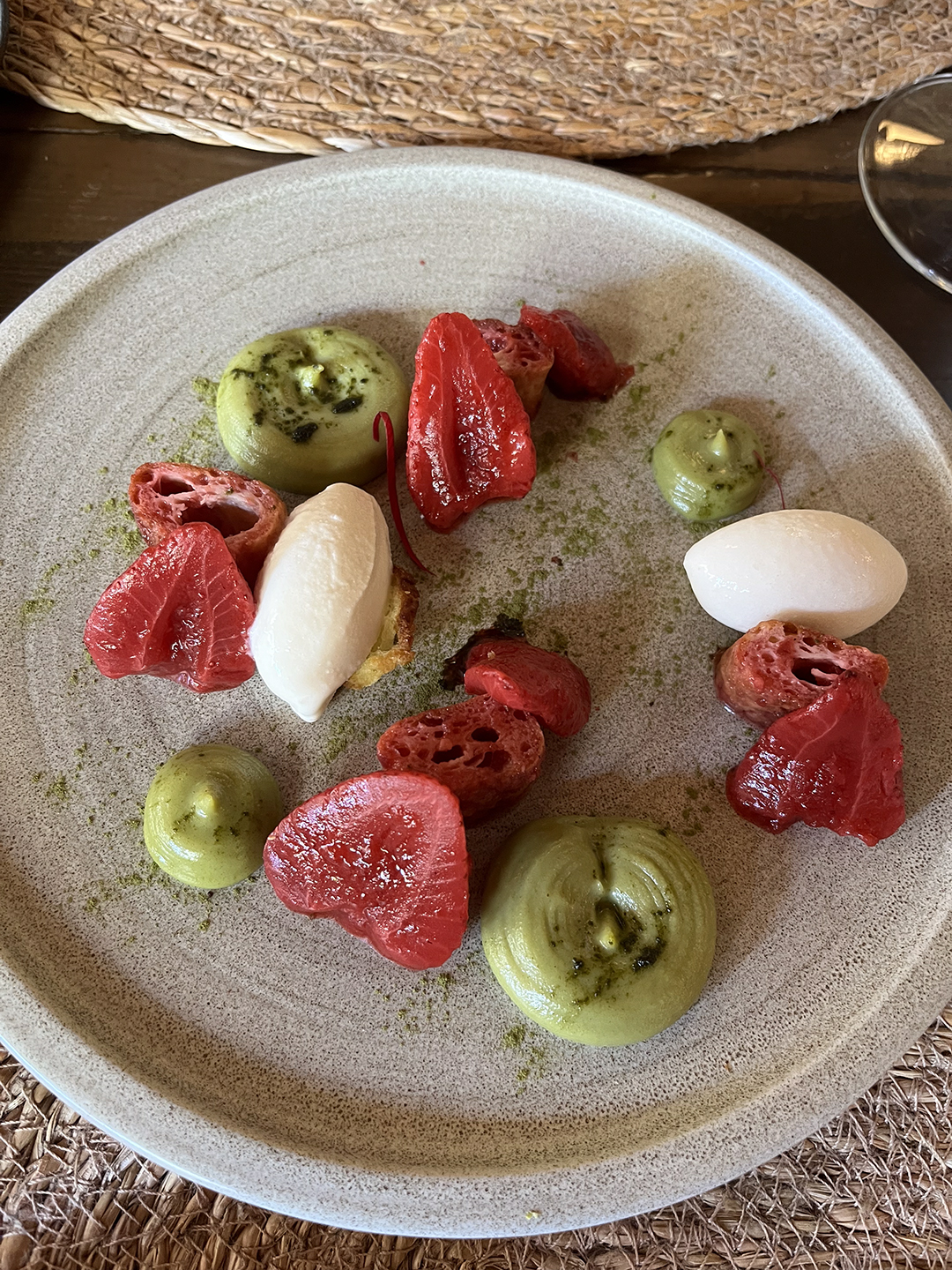
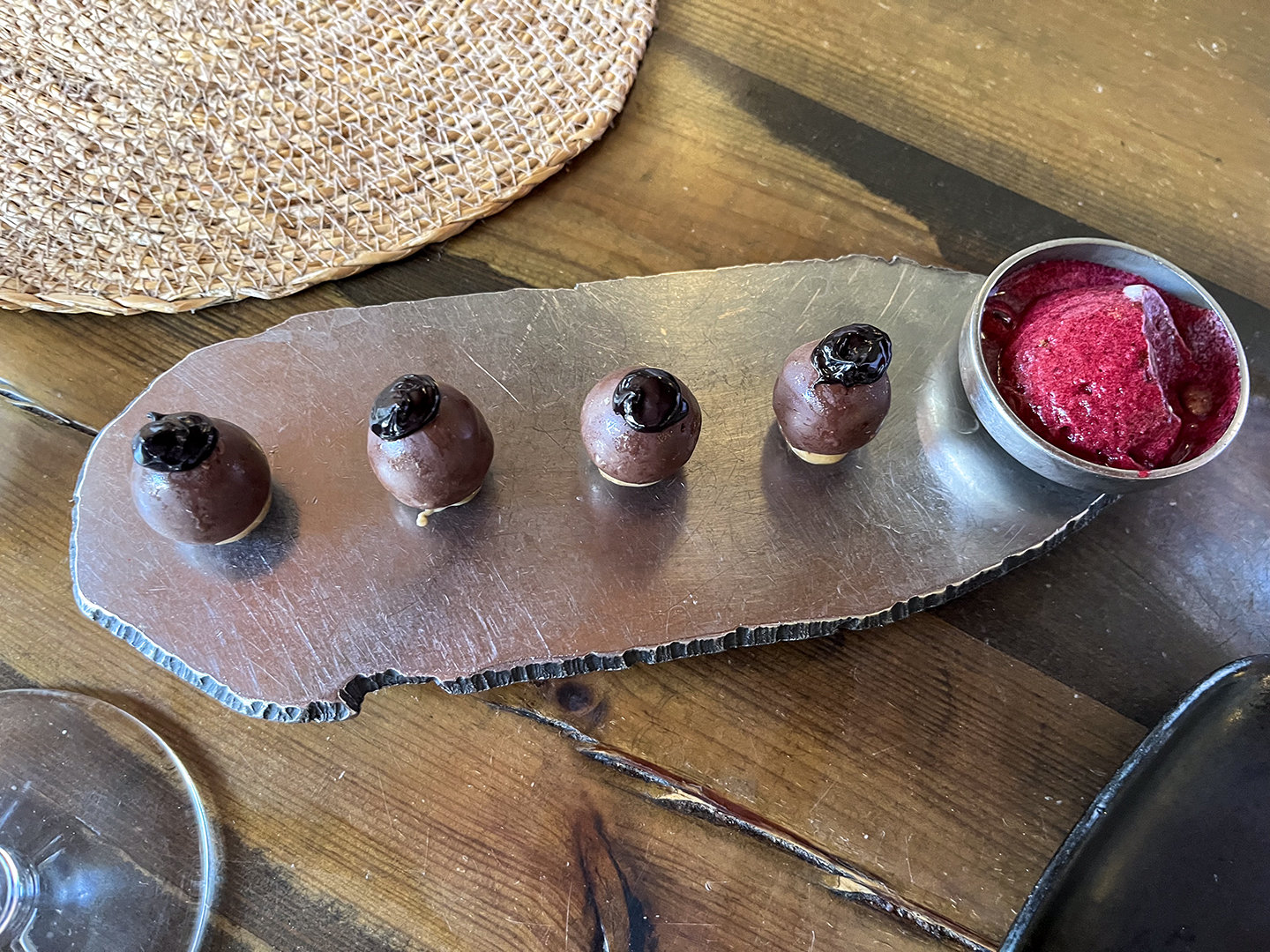
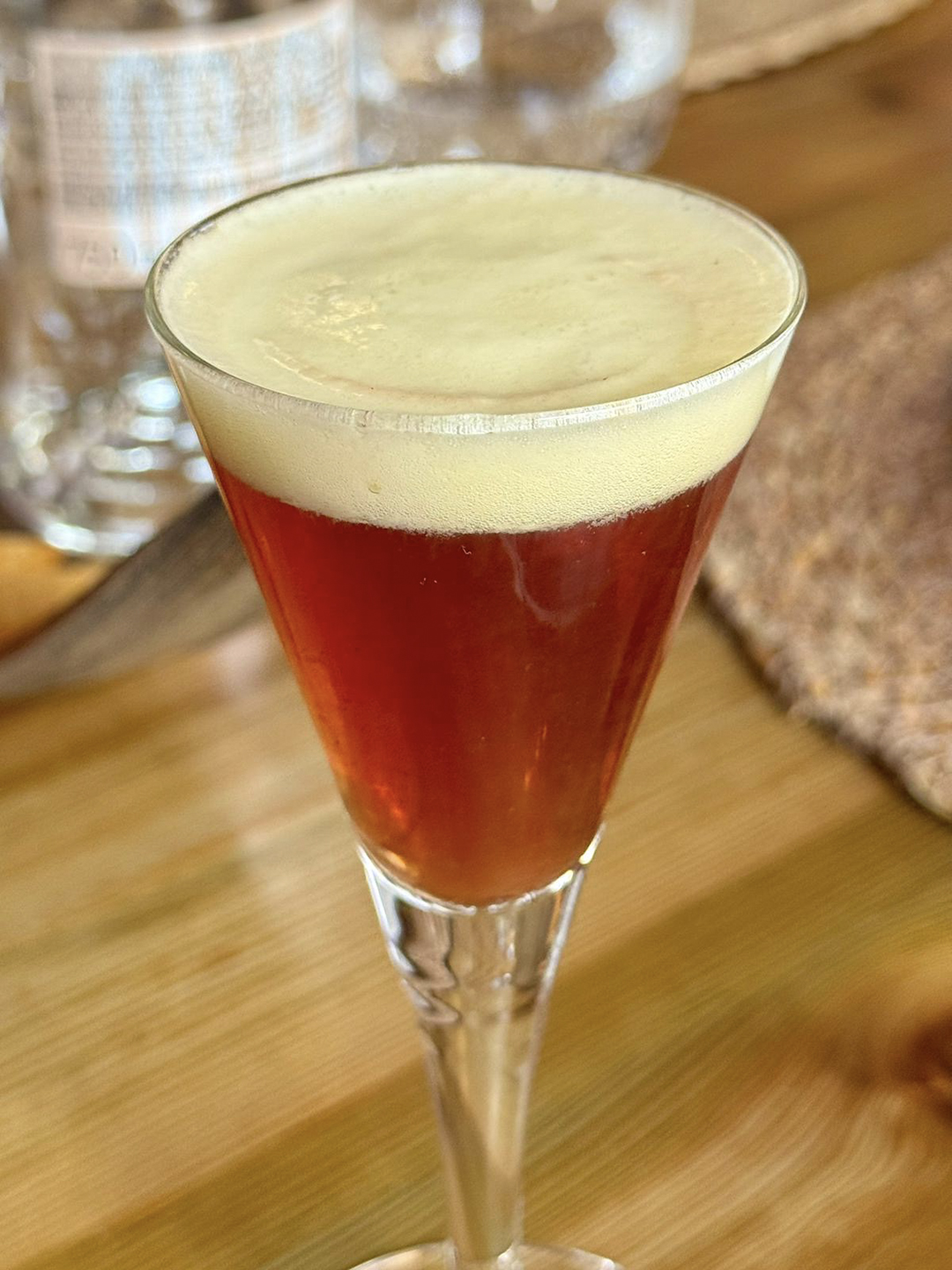
We went on to lunch at Compartir Restaurant, established by three former kitchen veterans of El Bulli restaurant, which was located in the adjacent town of Roses until its closure in 2011. Our guest for lunch was David Forer MW, owner of Clos Salanca winery in Priorat.
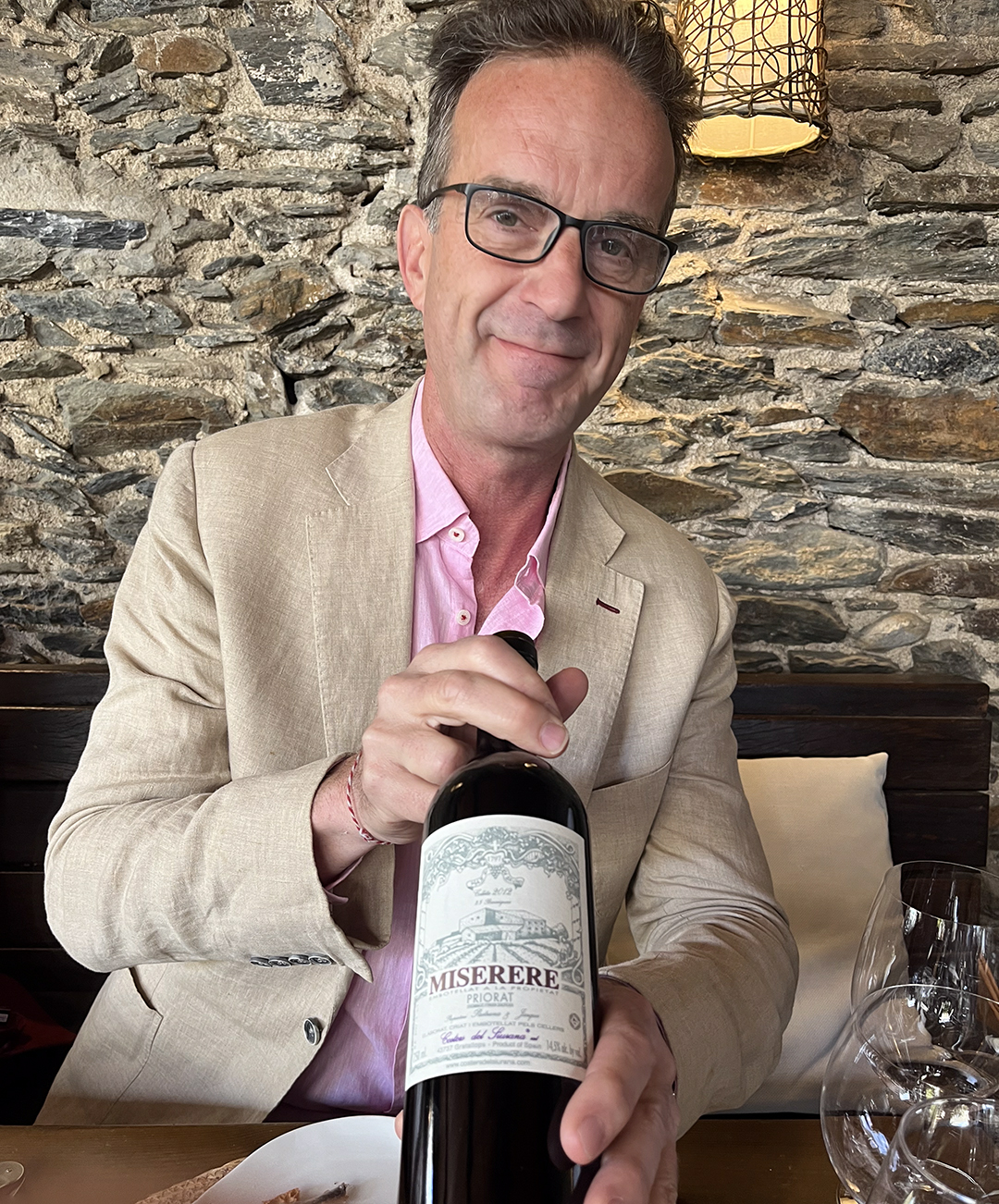
David Forer with his wine
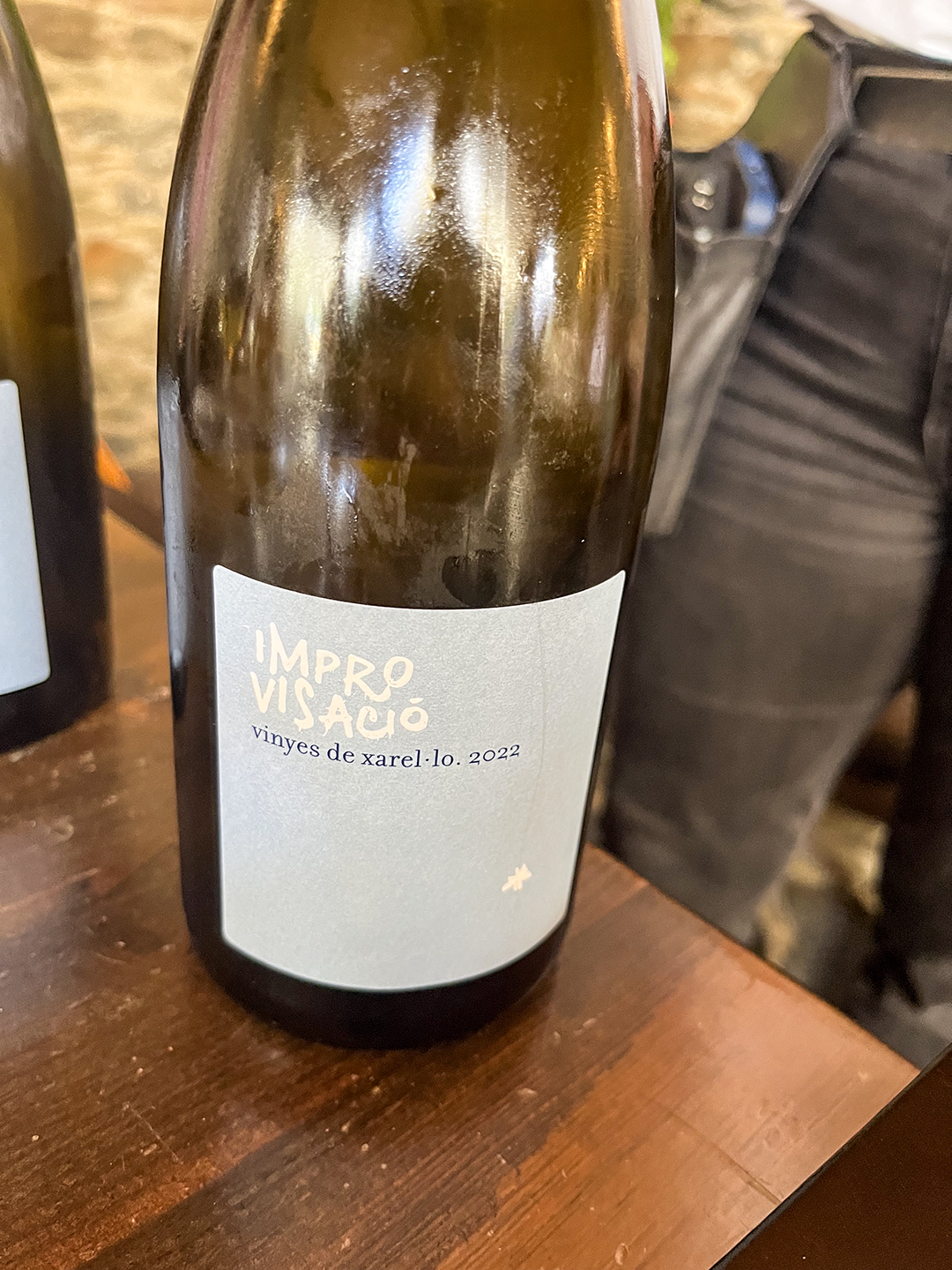
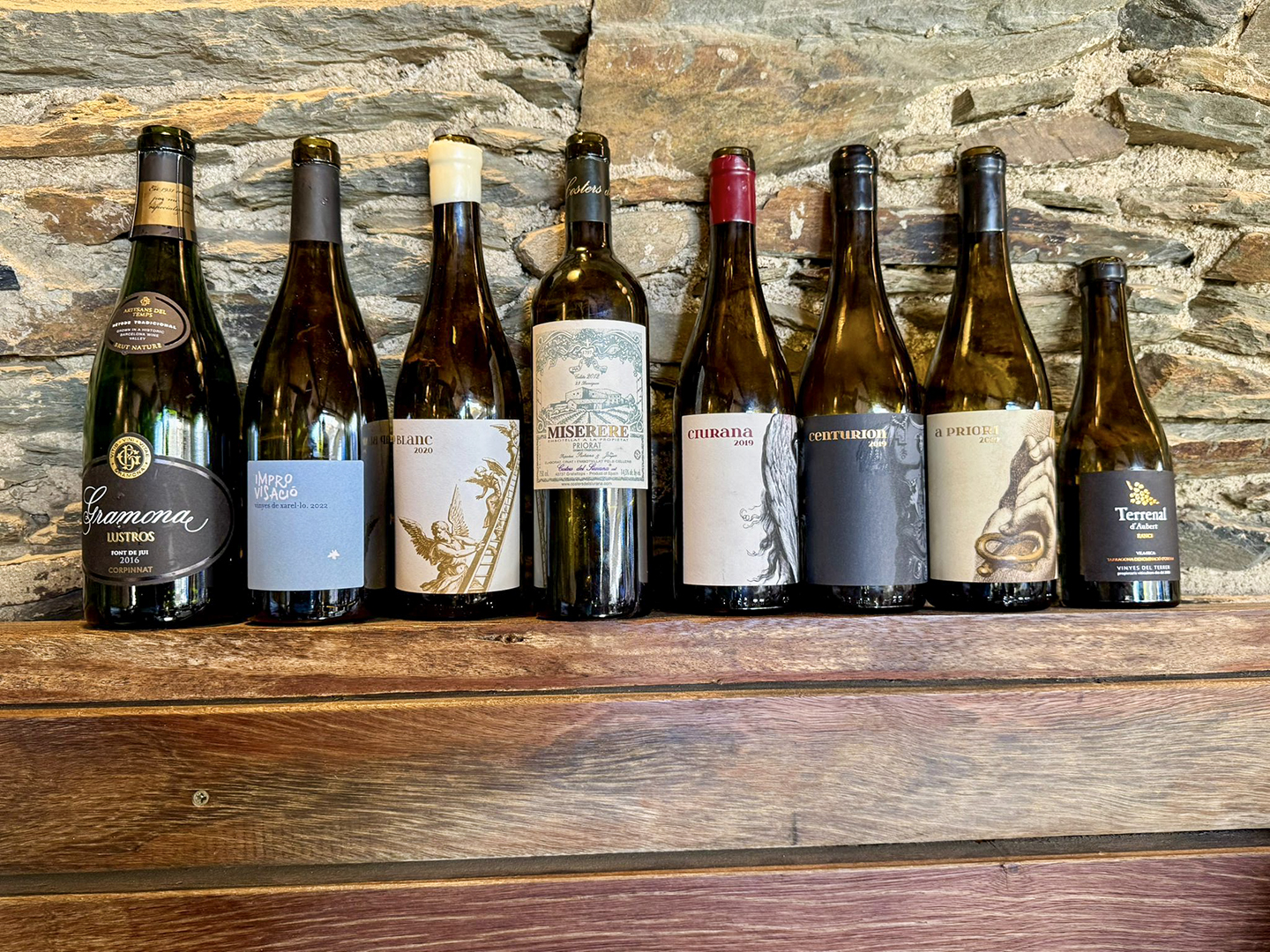
The following wines from David’s winery (with his notes) were served with a spectacular meal:
Cap Blanc – 100% Garnatxa Blanca, full bodied, barrel fermented and barrel aged.
Ciurana – 50/50 Garnatxa Negra/Carinyena. A mix of bright red fruit (Garnatxa) and structured dark fruit (Carinyena).
A Priori – 100% Carinyena. Bold, full bodied, but still with bright acidity and lovely perfume.
Centurion – 100% Carinyena from 100-year-old vines. Super structured and dense.


1500-year-old olive tree in Hotel Perelada’s parking lot
Saturday, May 24th: Following a leisurely breakfast, we ventured 60 km further south of Cadaqués to the lovely coastal town of Calella de Palafrugell. This part of the Costa Brava, or “Rugged Coast,” earns its name, and Palafrugell and its beaches occupy one of the most scenic stretches of the Mediterranean coast.
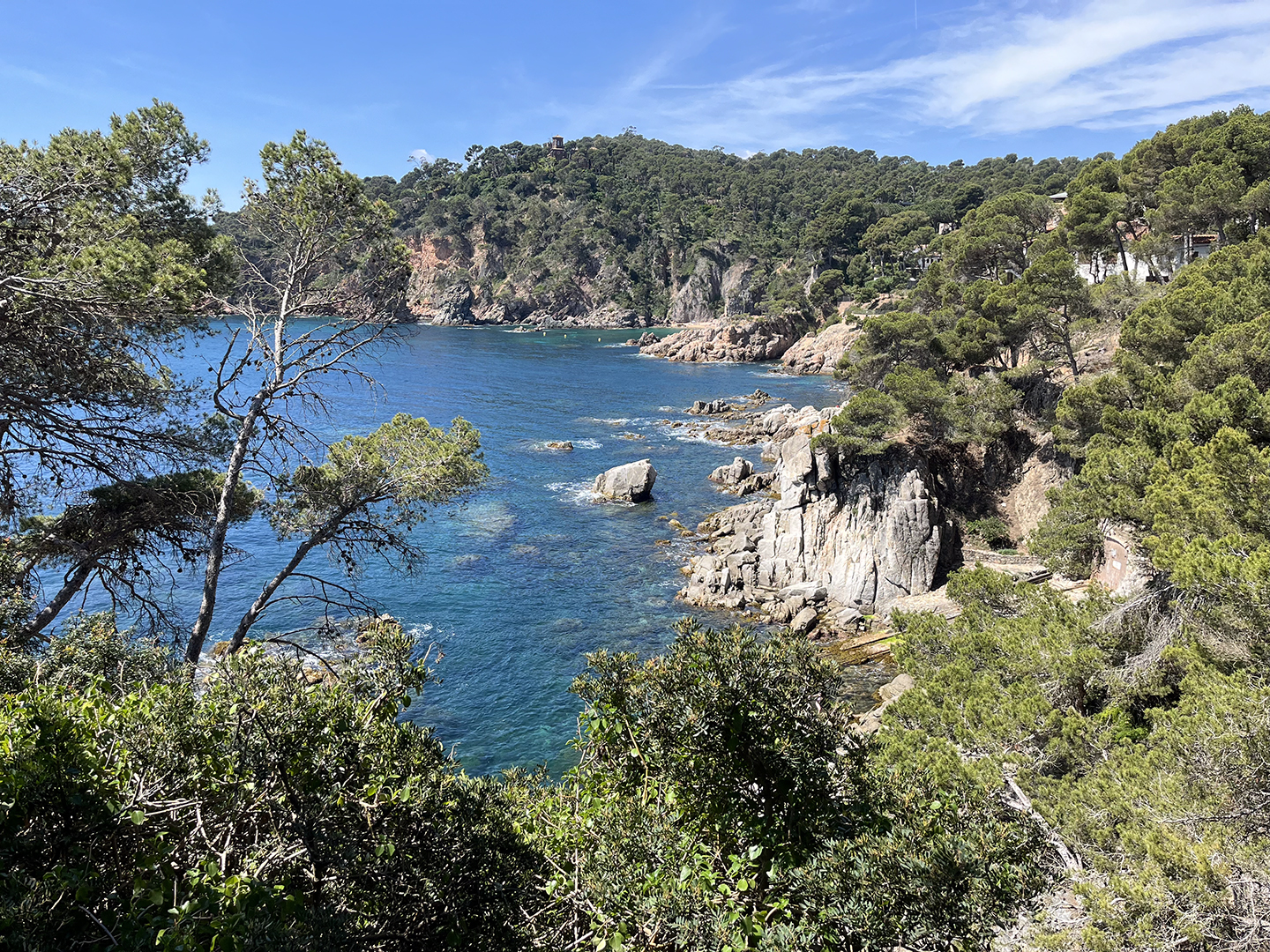
The rugged coast of the Costa Brava at Calella de Palafrugell
We lunched at Villa Mas, a beachfront restaurant in nearby Sant Feliu de Guíxols, known for its remarkable food and one of the most extensive wine cellars in Catalonia – especially Burgundies!
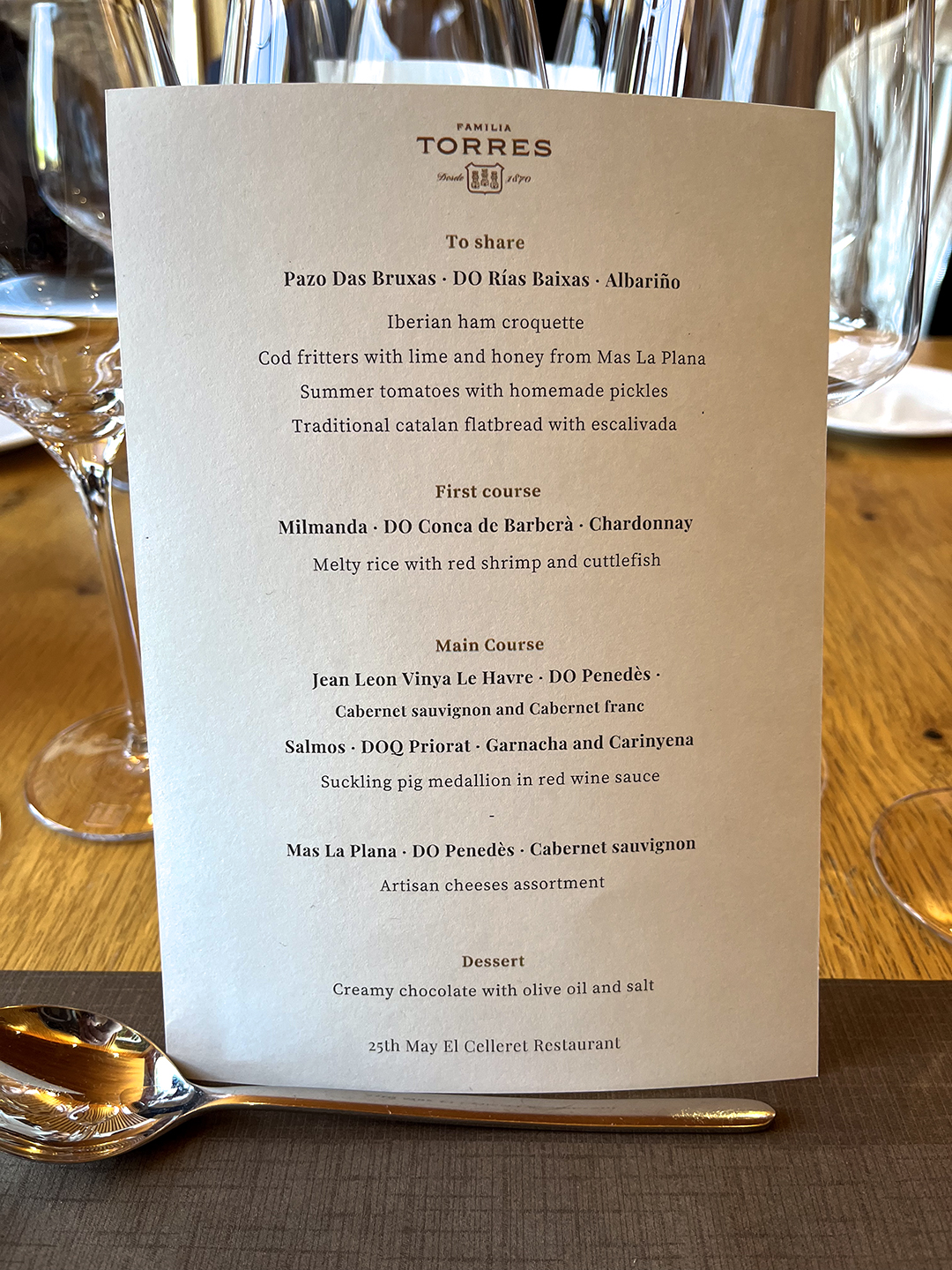
Sunday, May 25th: Hotel departure after breakfast. Today we left the Costa Brava region, bypassing Barcelona while heading towards our destination in the DO Priorat. En route we enjoyed a special visit in the Penedès wine region. In the realm of Spanish wine estates, many contenders vie for the most iconic title, but Torres Winery stands high above the crowd. Esteemed by wine enthusiasts, sommeliers, and critics worldwide, the name Torres has been synonymous with exceptional wines since the Torres family planted their first vineyards here over three centuries ago. Today, Familia Torres produce exceptional wines from eight DOs across Spain in addition to operations in Chile and California. Today our group has been personally invited by Miguel Torres for a tour and lunch at the family’s flagship estate. Our gracious host for the visit was Miguel Torres’ daughter, Mireia.

Mireia Torres

Painting by Waldtraud Torres, wife of Miguel Torres

Torres’s Mas La Plana cellar

Torres Forcada, an ancient Penedès grape resuscitated by Miguel Torres

Wines at the Torres lunch
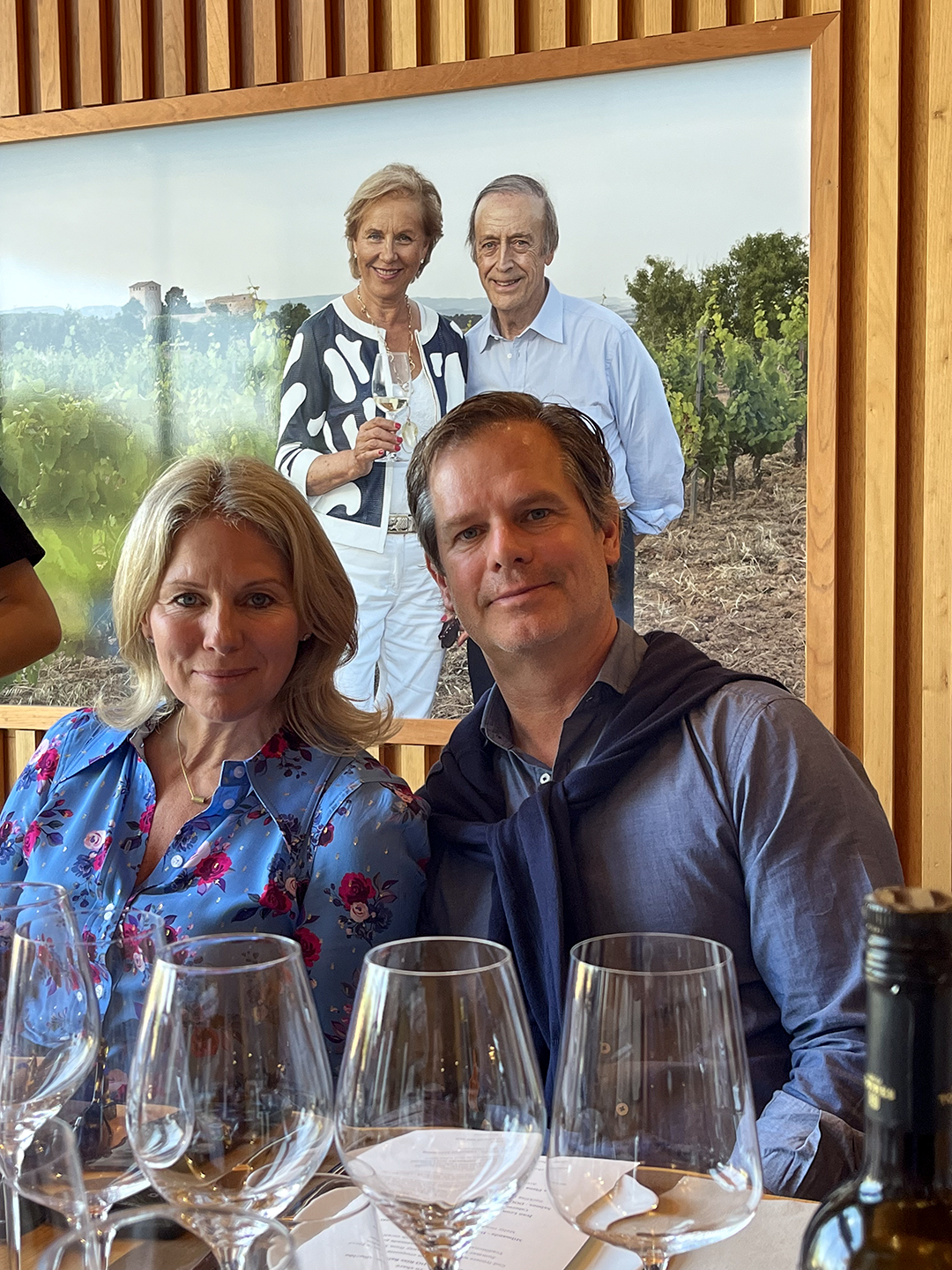
Cathy and Steve Pauwels with portrait of Waldtraud and Miguel Torres in the background

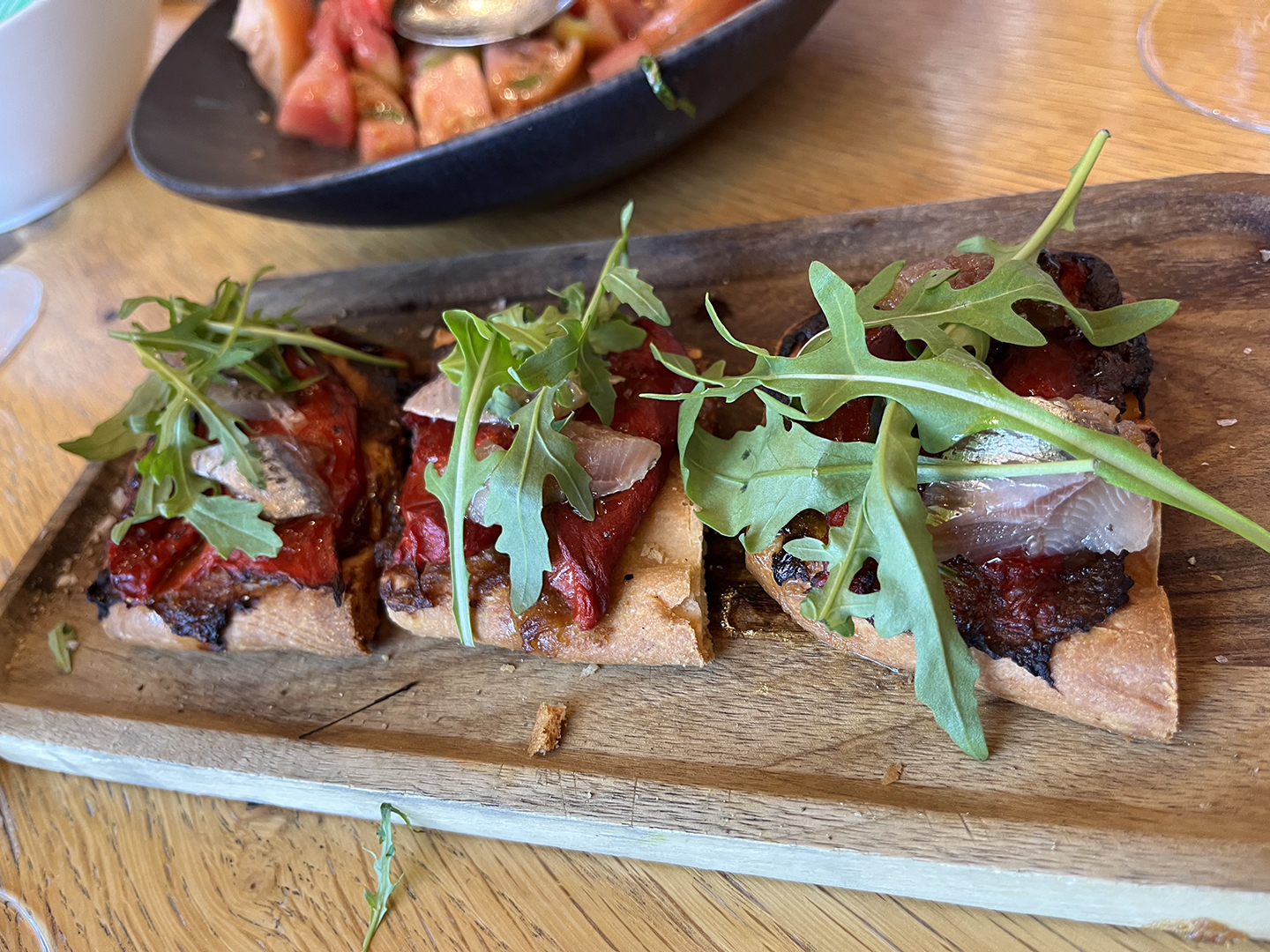

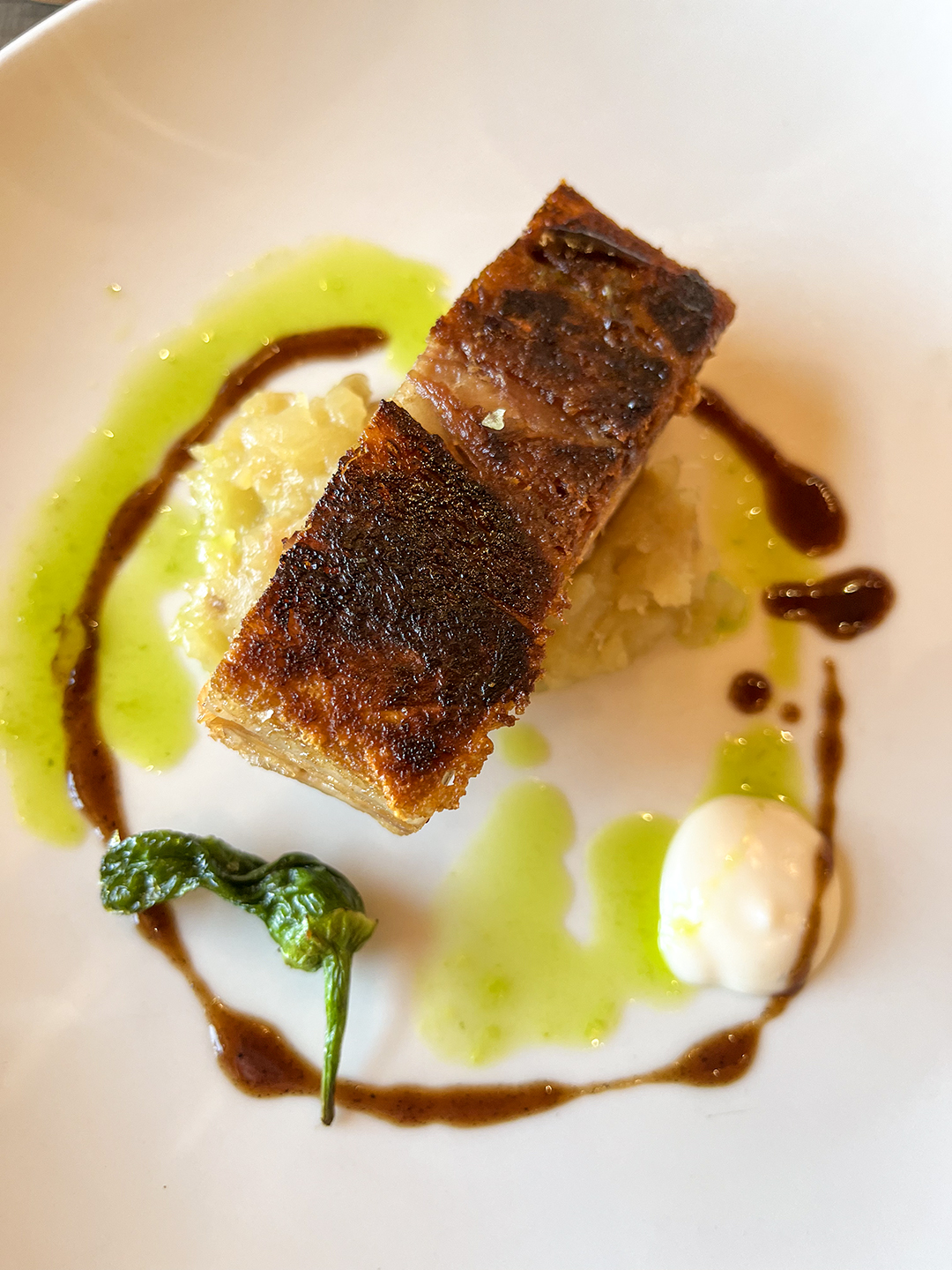
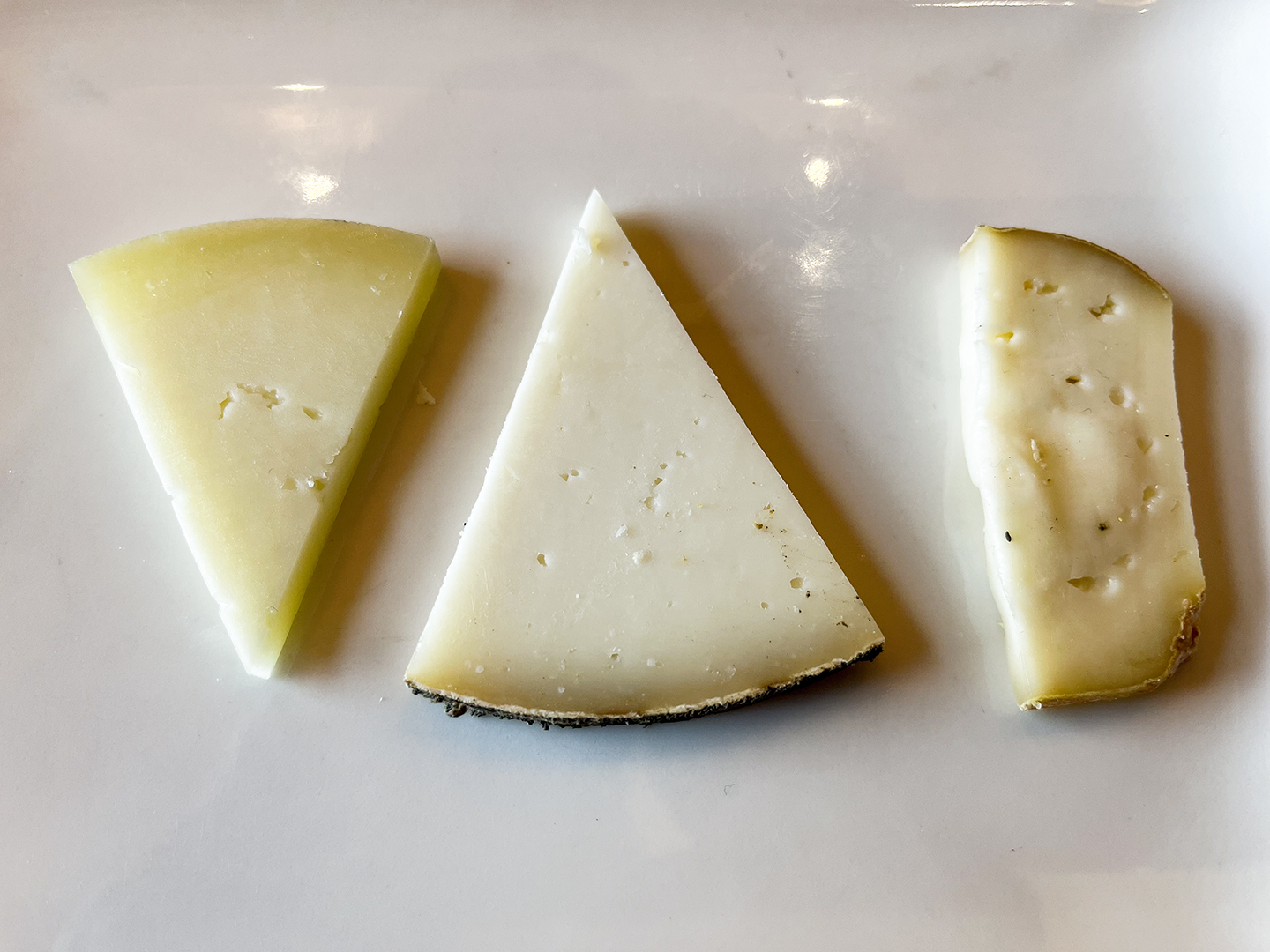
We continued our journey (95 km) south into Catalonia’s Tarragona province and the dramatic landscape of the Montsant Massif Natural Park which surrounds the Priorat. Our base for the final two evenings of the tour is Hotel Mas d’en Bruno, a newly built Relais & Châteaux 5-star property that was recently recognized by Travel + Leisure Magazine as “The Best Resort in Europe”.
Our private outdoor space at Hotel Mas d’en Bruno
Monday, May 26th: The Priorat wine region stands out in the wine world for its distinctive, powerful wines. It experienced a remarkable resurgence since the 1980s when the “Gang of Five” pioneering wine makers set about re-establishing the region’s former vinous fortunes. Priorat is now recognized as a Denominacións de Origen Calificada (“DOCa”) – Spain’s highest wine classification, shared only with Rioja – and its wines are amongst the most prized (and expensive) in Spain and the world. The unique soil here is a mix of black slate and quartz known as “licorella,” which stresses the vines and contributes to the production of low-yield, high-quality grapes (predominantly Garnacha/Grenache and Cariñena/Carignan). Unlike the more expansive terrains of Rioja and Ribera del Duero, Priorat’s vineyards are terraced into very steep slopes, necessitating manual labour. This challenging environment, combined with a warm, dry climate, results in wines of extraordinary depth, intensity, and complexity, with a balance of ripe fruit, acidity, and minerality.
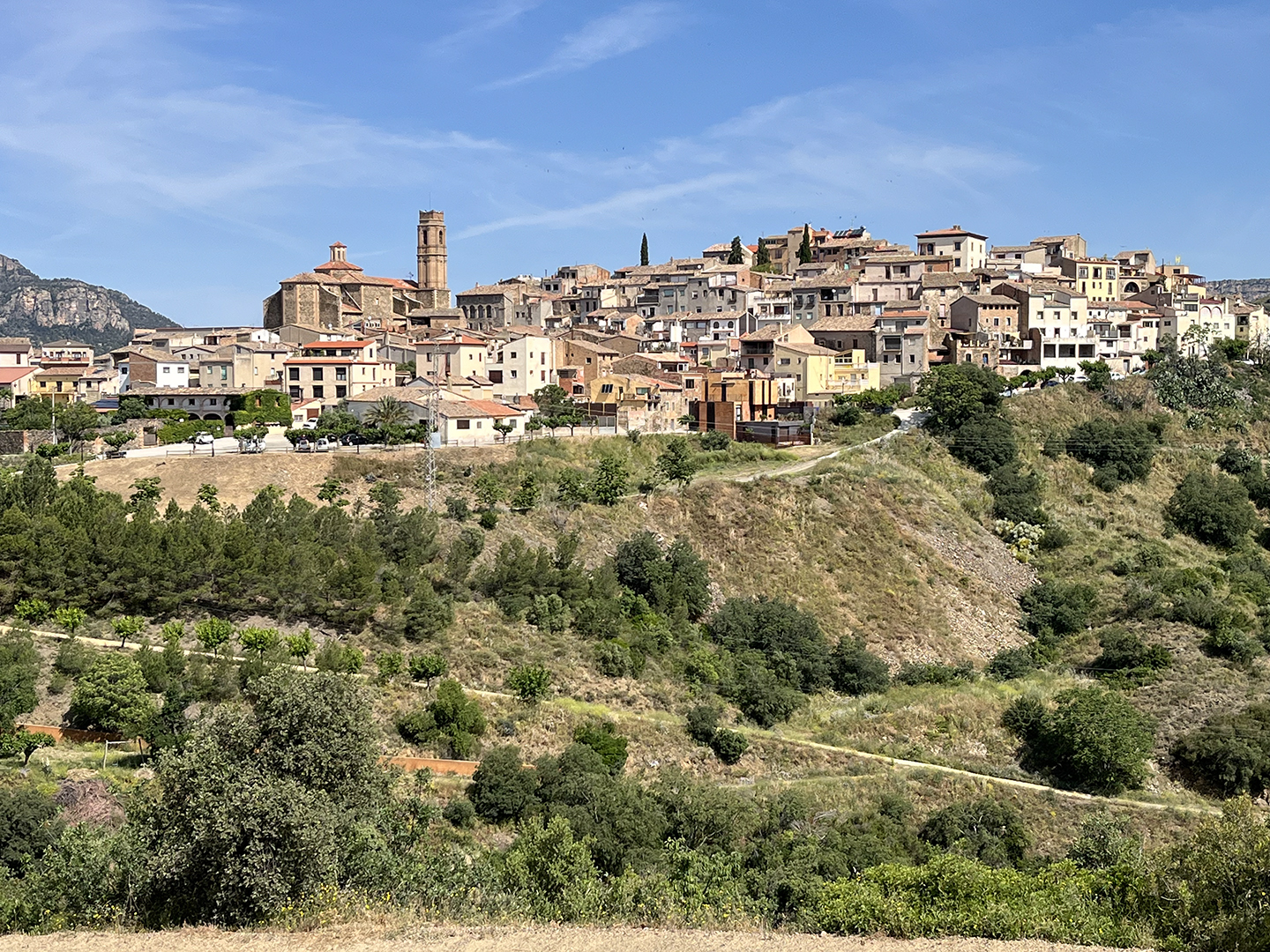
Town of Gratallops viewed from Alvaro Palacios’s winery

This morning, we visited Priorat’s most revered wine producer, Álvaro Palacios, by very special invitation, as it is normally closed to the public. Owner/founder Álvaro Palacios himself is one of the original above-referenced “Gang of Five.” He studied enology in Bordeaux, working under Jean-Pierre Moueix at Château Pétrus. But instead of returning to the security of his family’s winery in Rioja, he was drawn to the Priorat, seeing the potential to revive what had been one of Spain’s most important pre-Phylloxera wine regions and the opportunity to make wines “of the stature of Pétrus and Grange.” Already by 1993 his wine L’Ermita would help to put the appellation on the map for collectors the world over and it is now considered – along with Peter Sisseck’s Pingus – to be the most important new Spanish wine of the modern era.
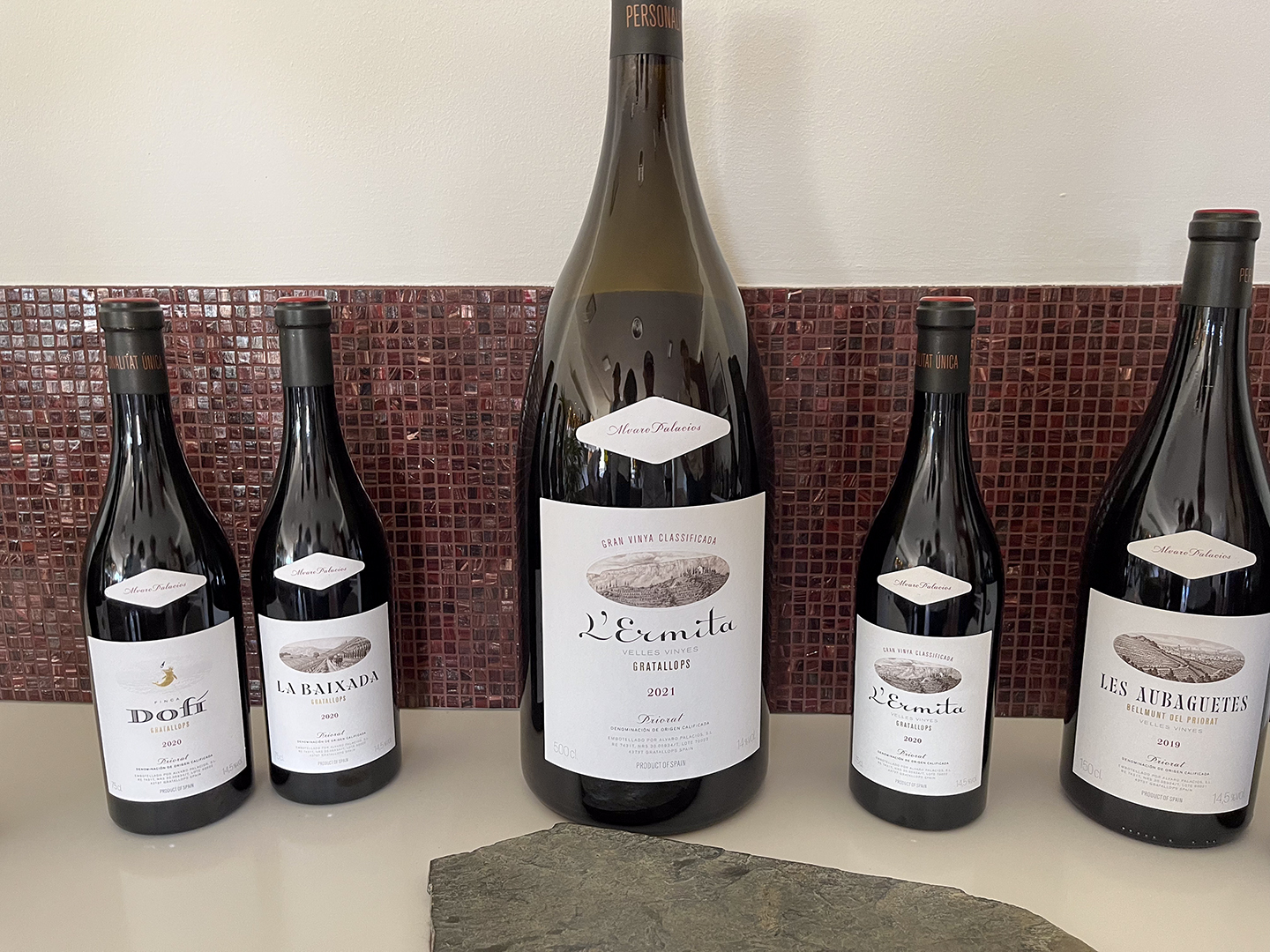
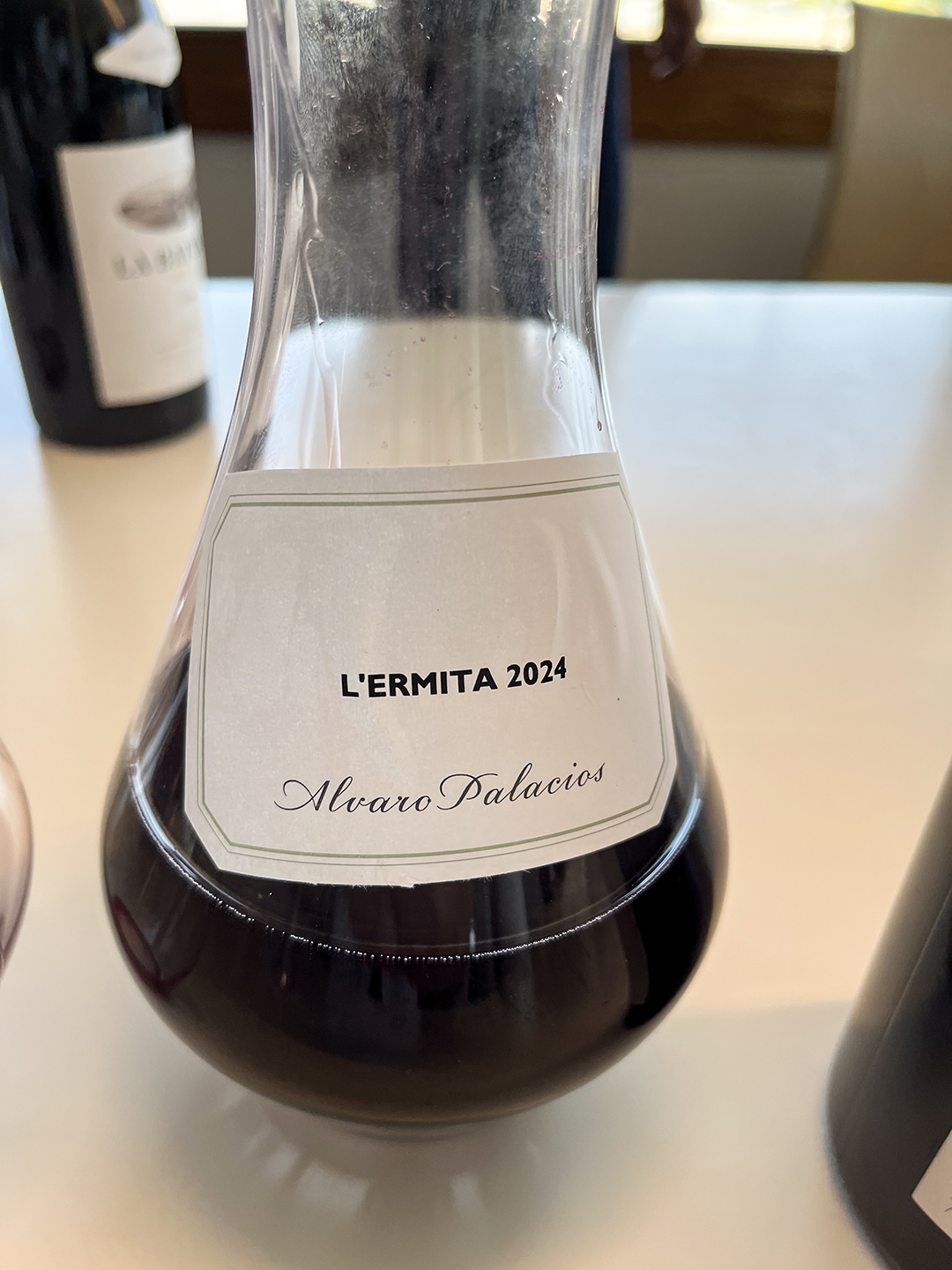

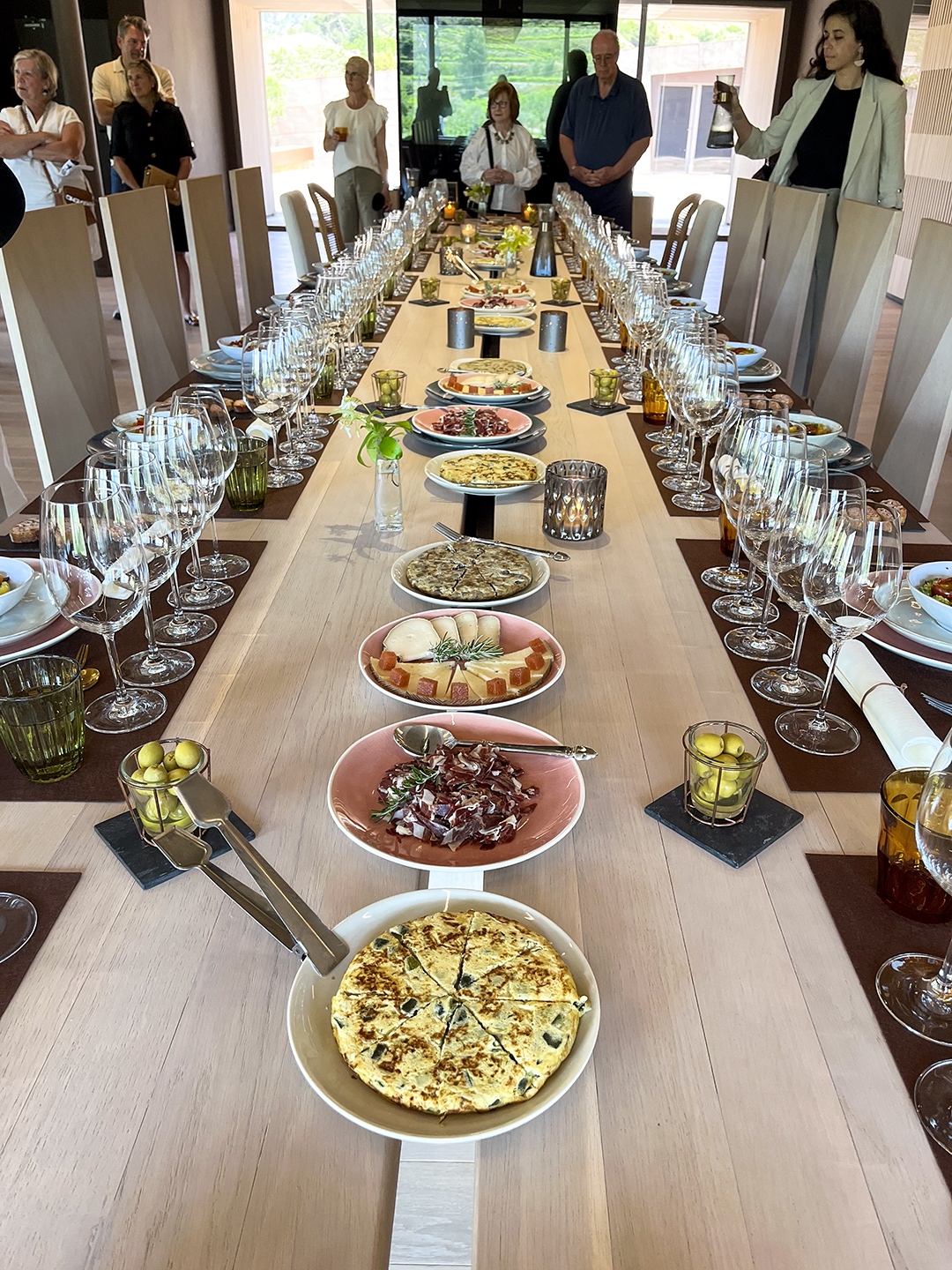
A snack before lunch
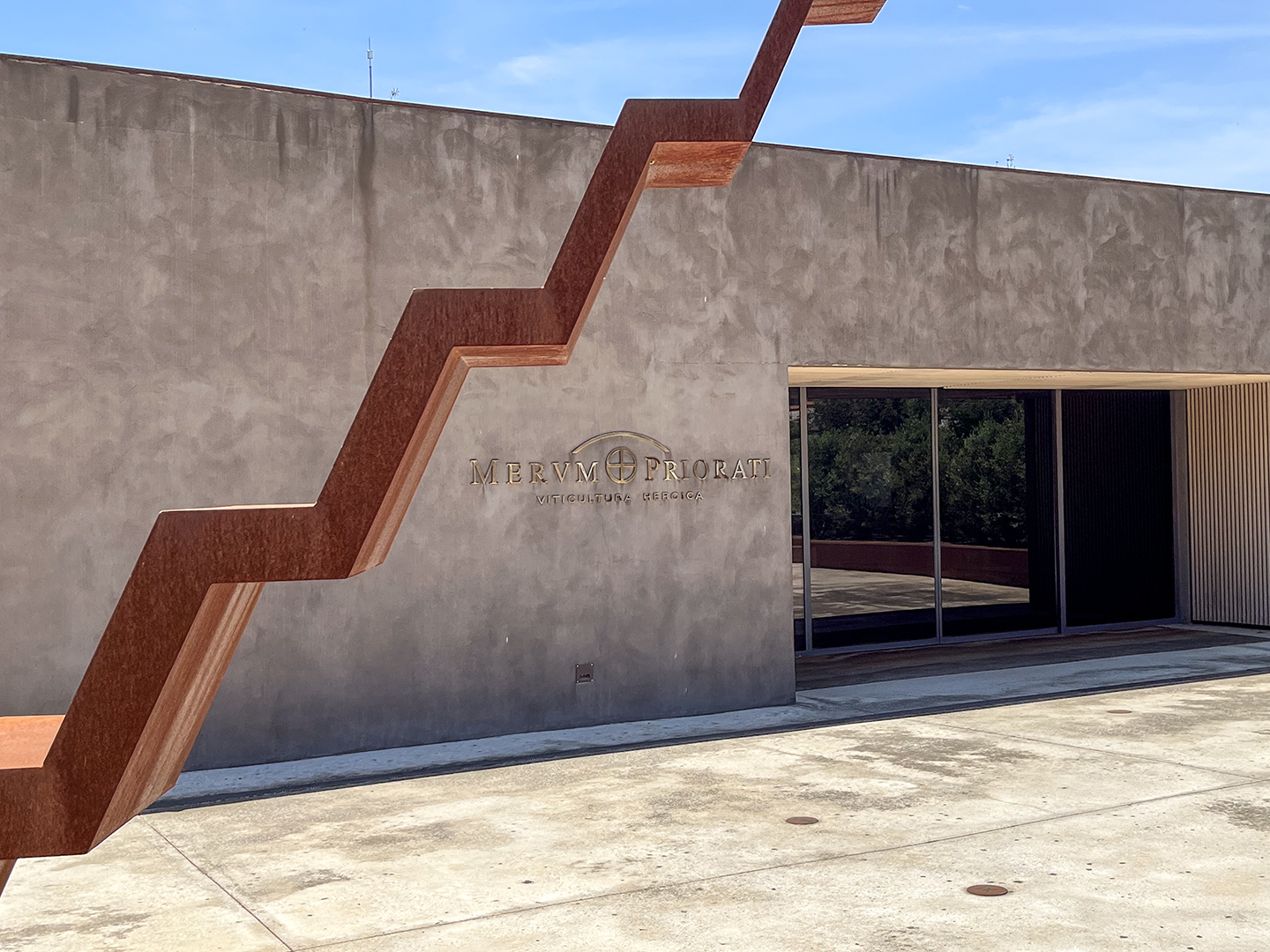
Merum Priorati winery (with sundial)
Following this exceptional visit, we enjoyed a light lunch in the lovely tasting room of nearby Merum Priorati winery hosted by the estate owner. This estate is a relative newcomer to the region, but its wines have swiftly gained critical acclaim, including a No. 4 ranking for their Garnacha-based wine Priorat Desti on Wine Spectator’s Top 100 Wines Ranking in 2021.


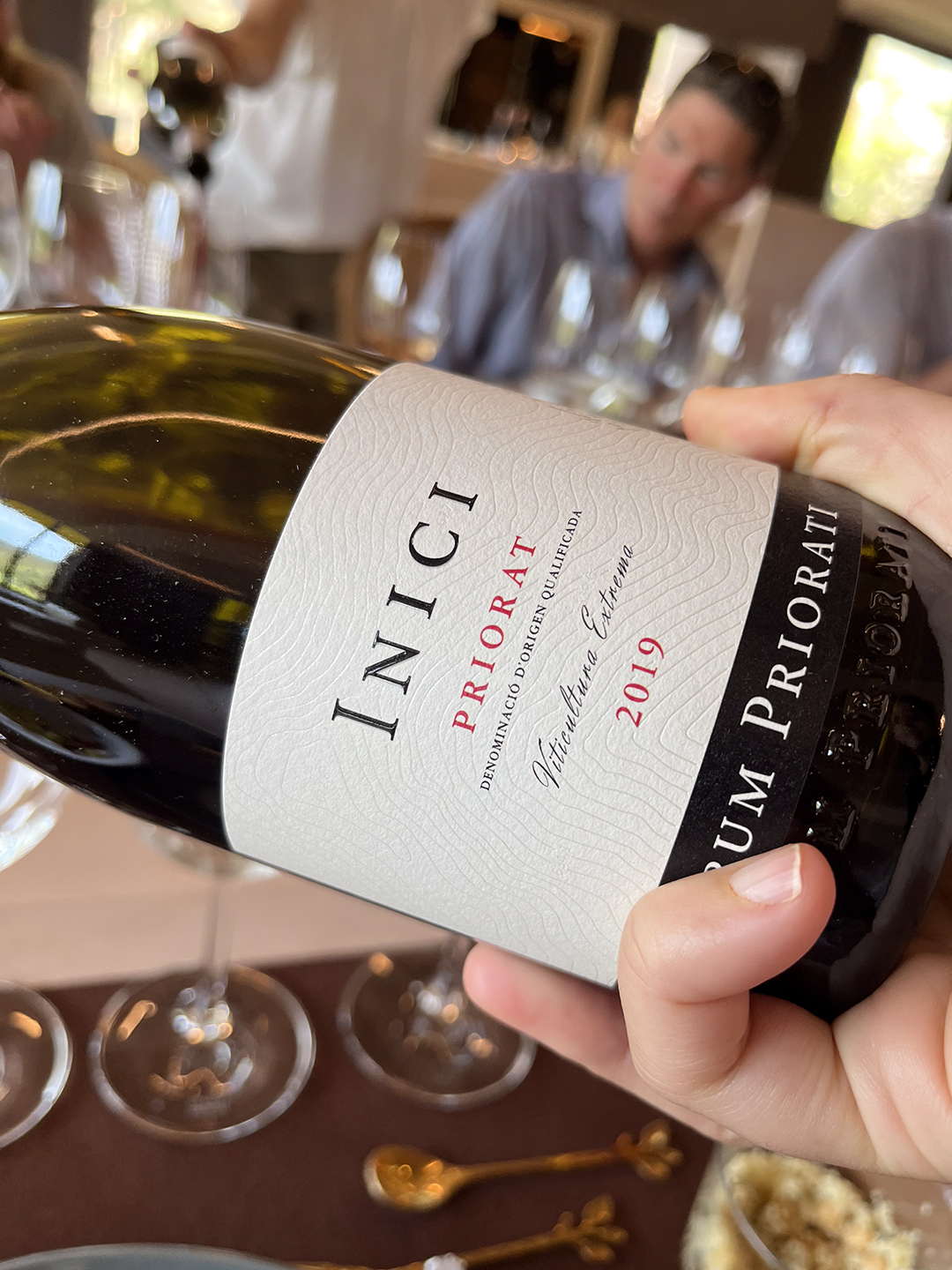
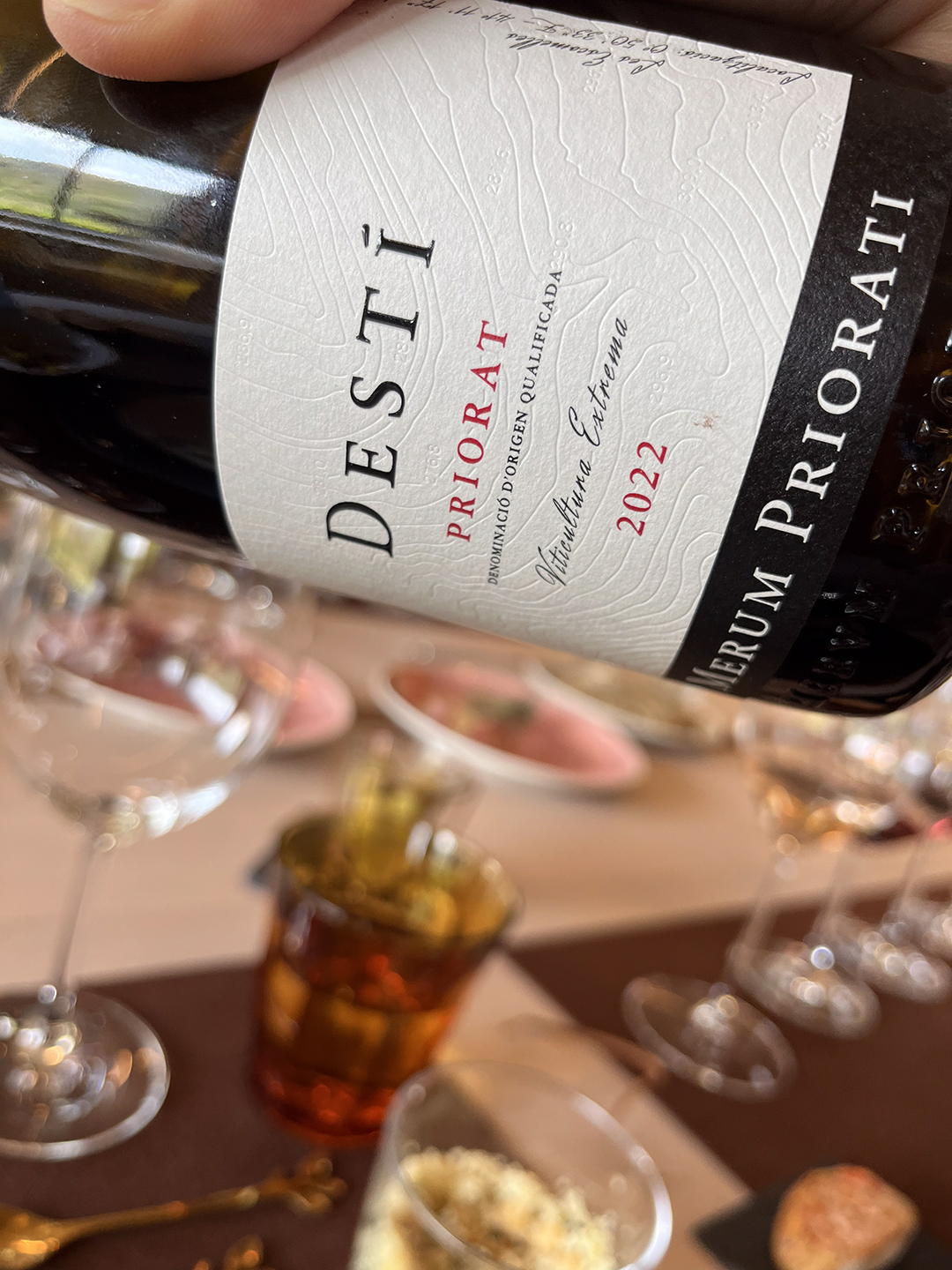

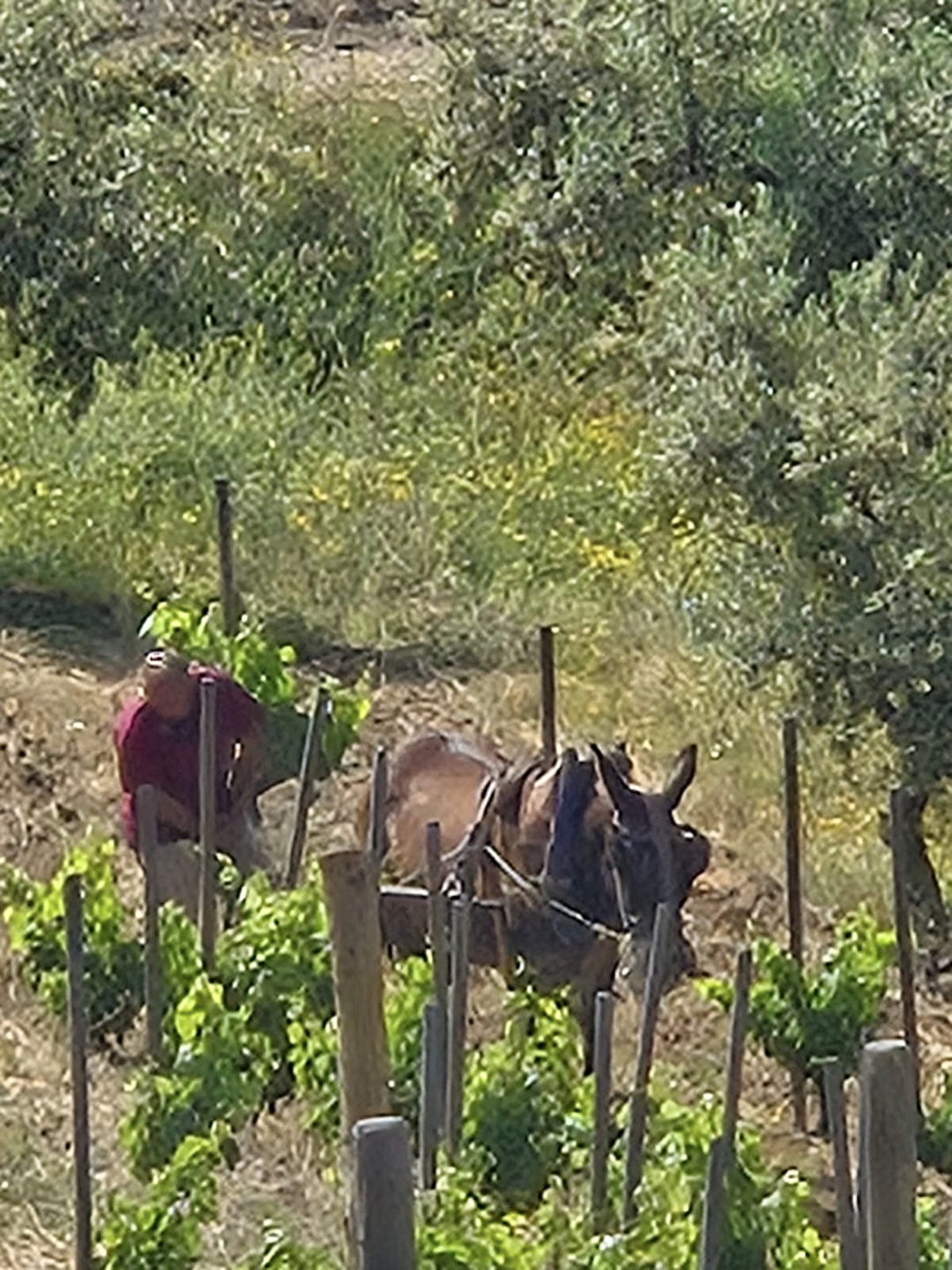
Mule working the vineyard
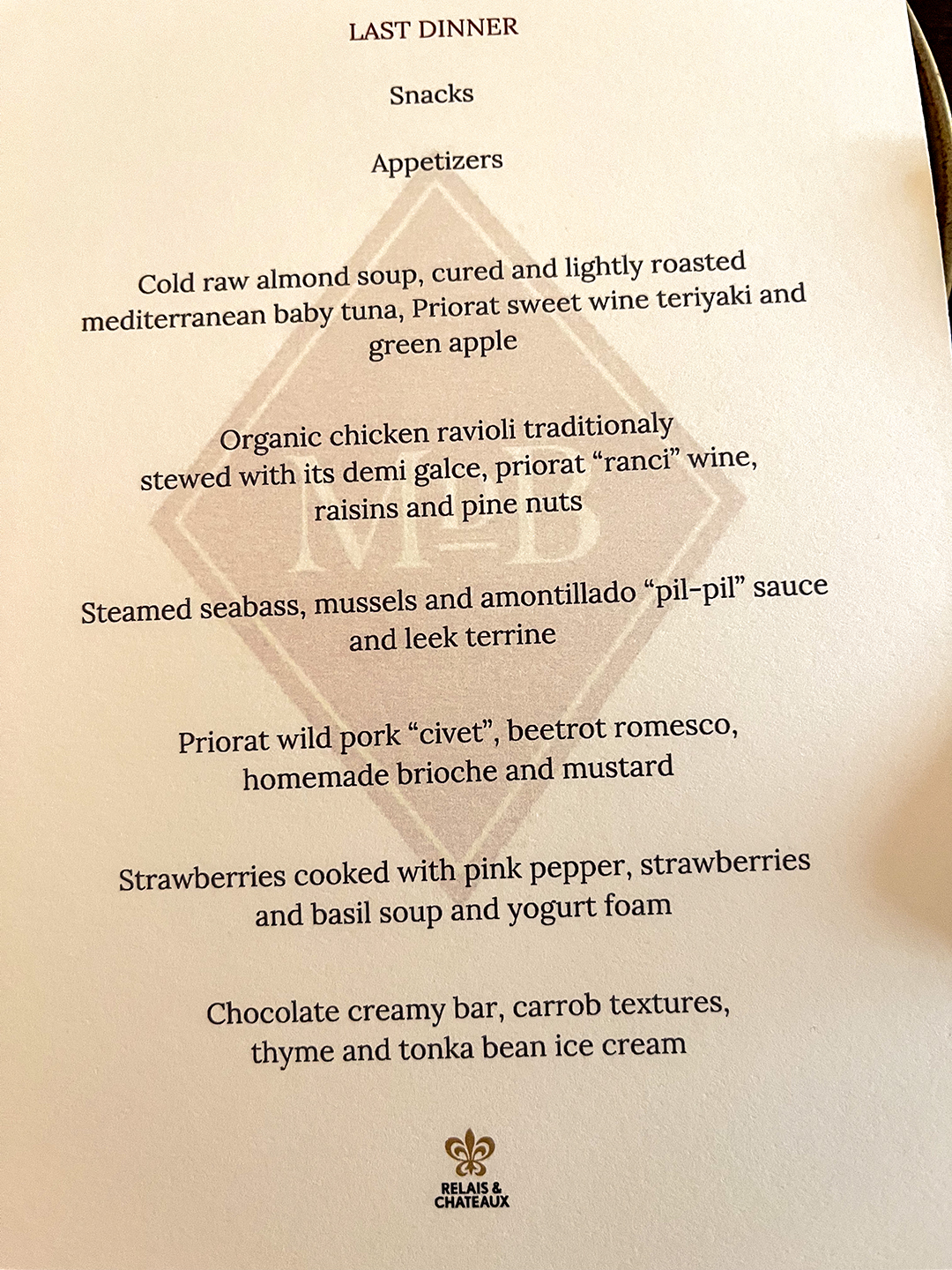
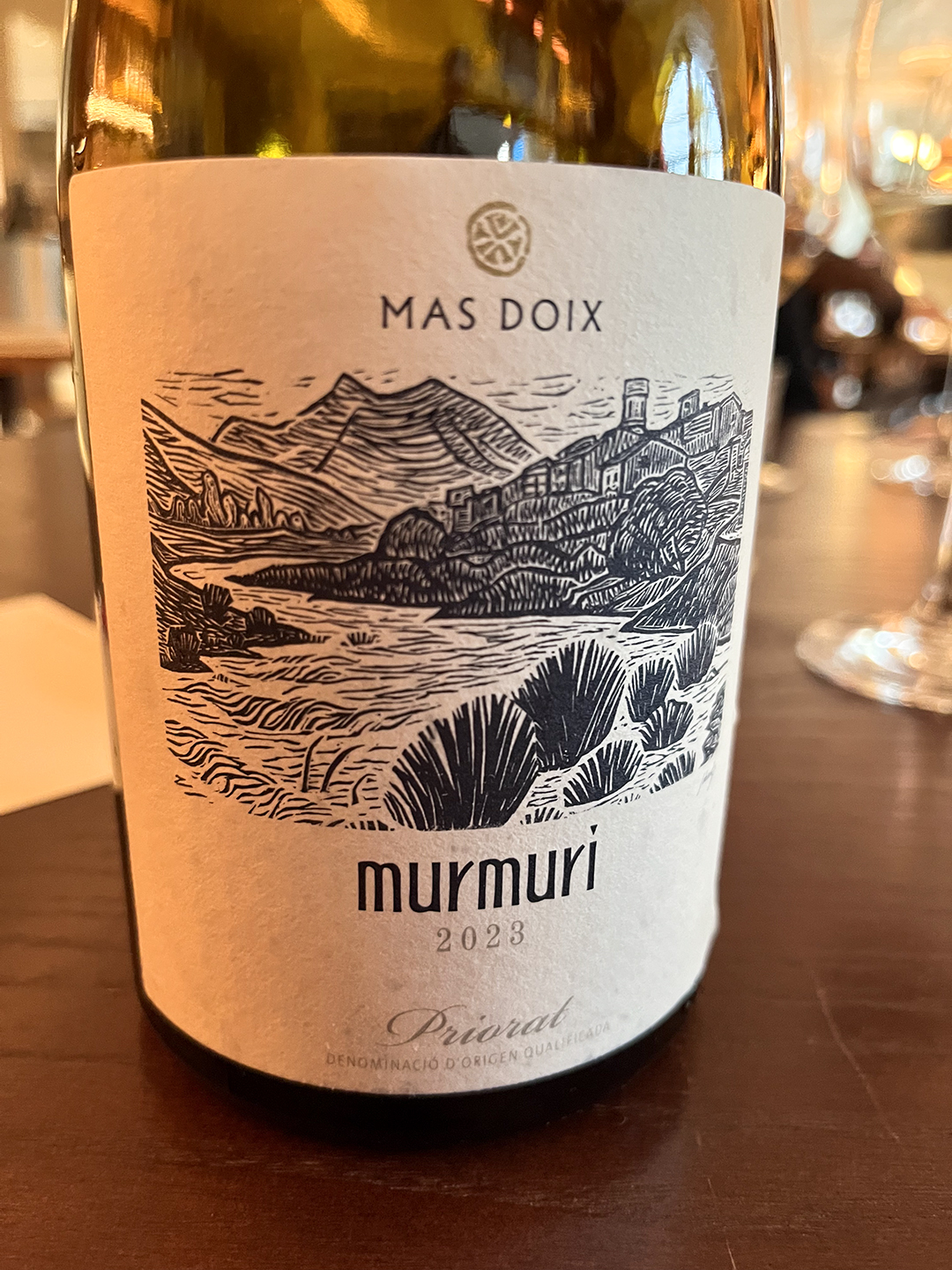
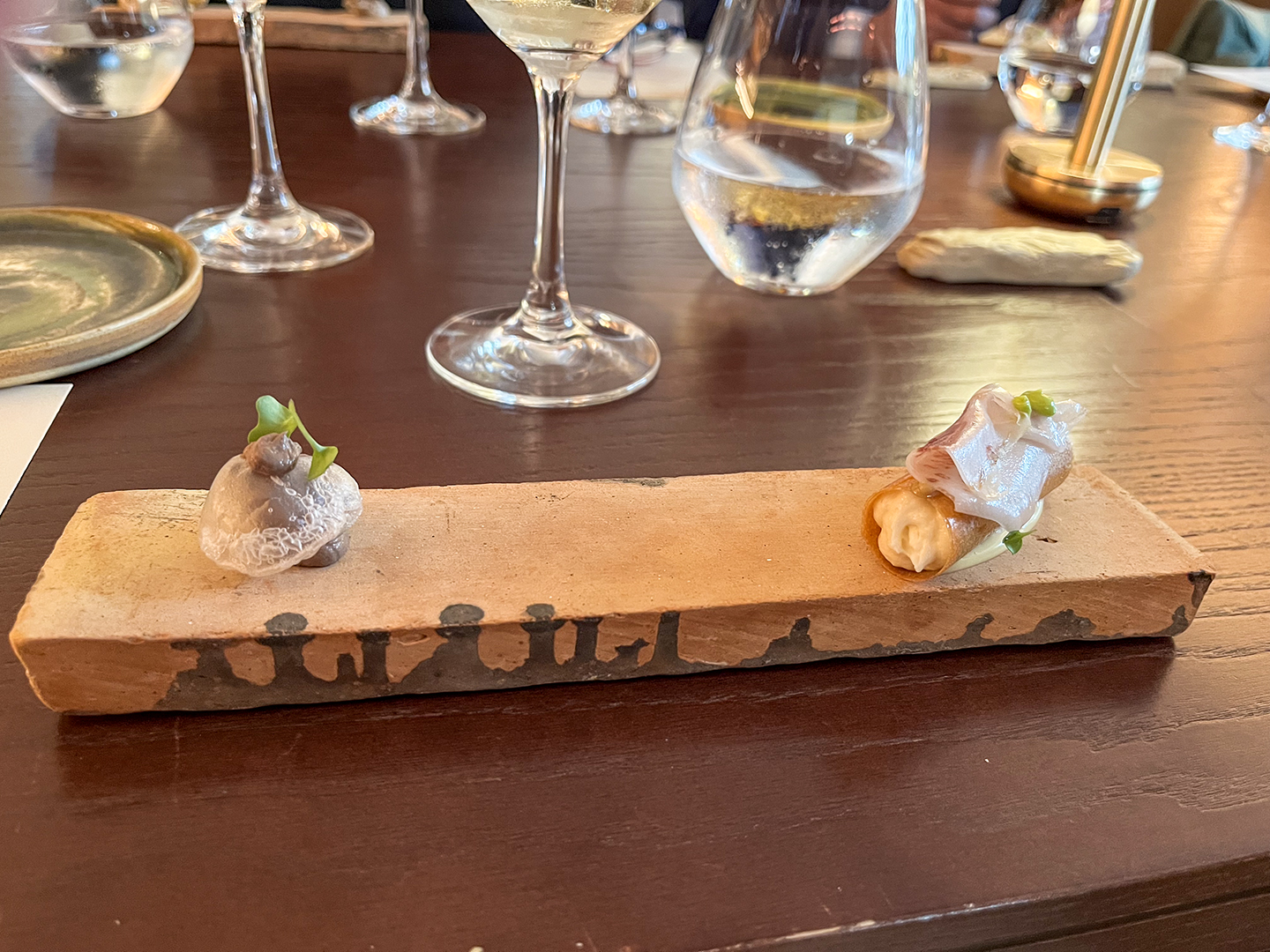
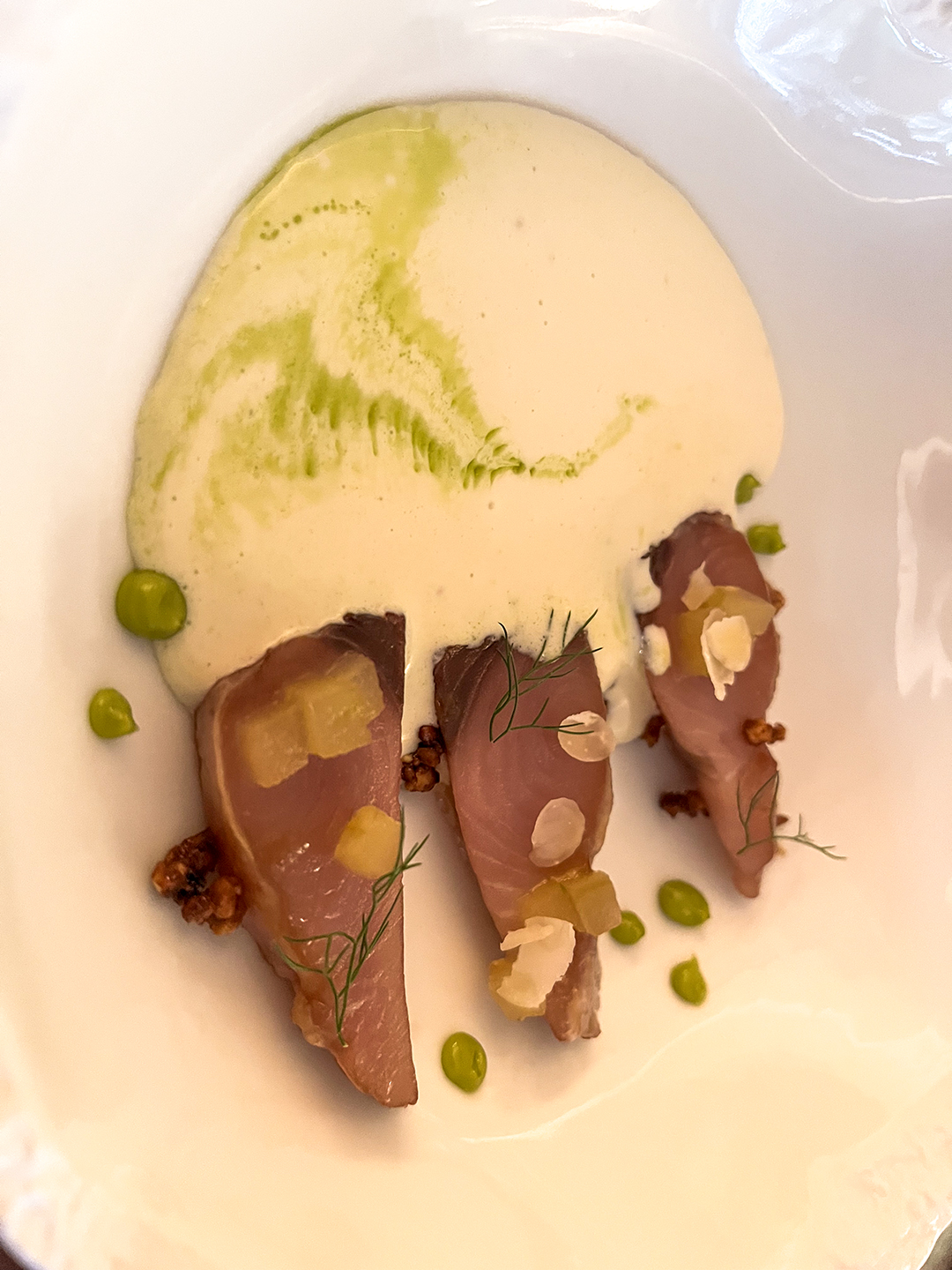
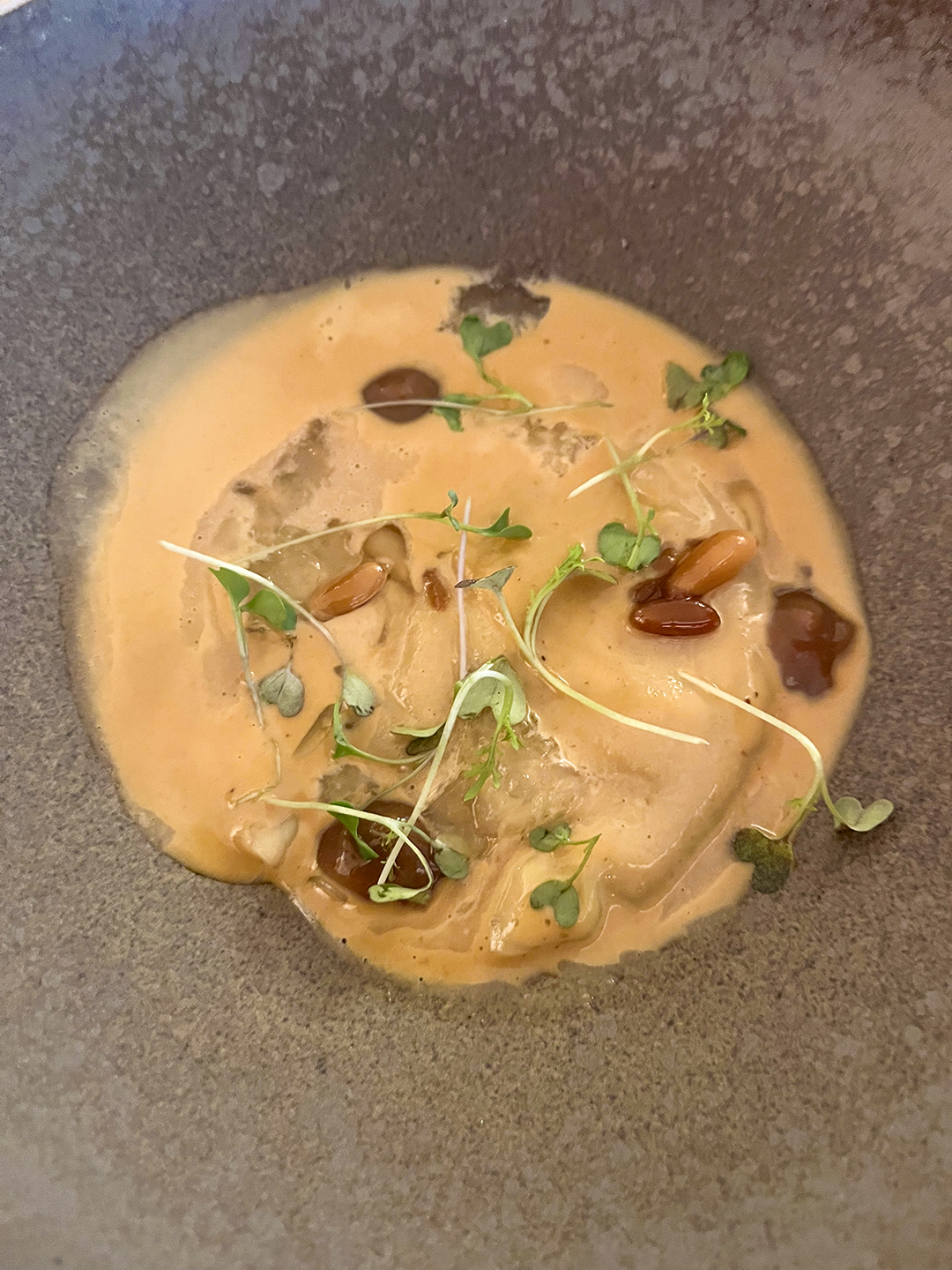
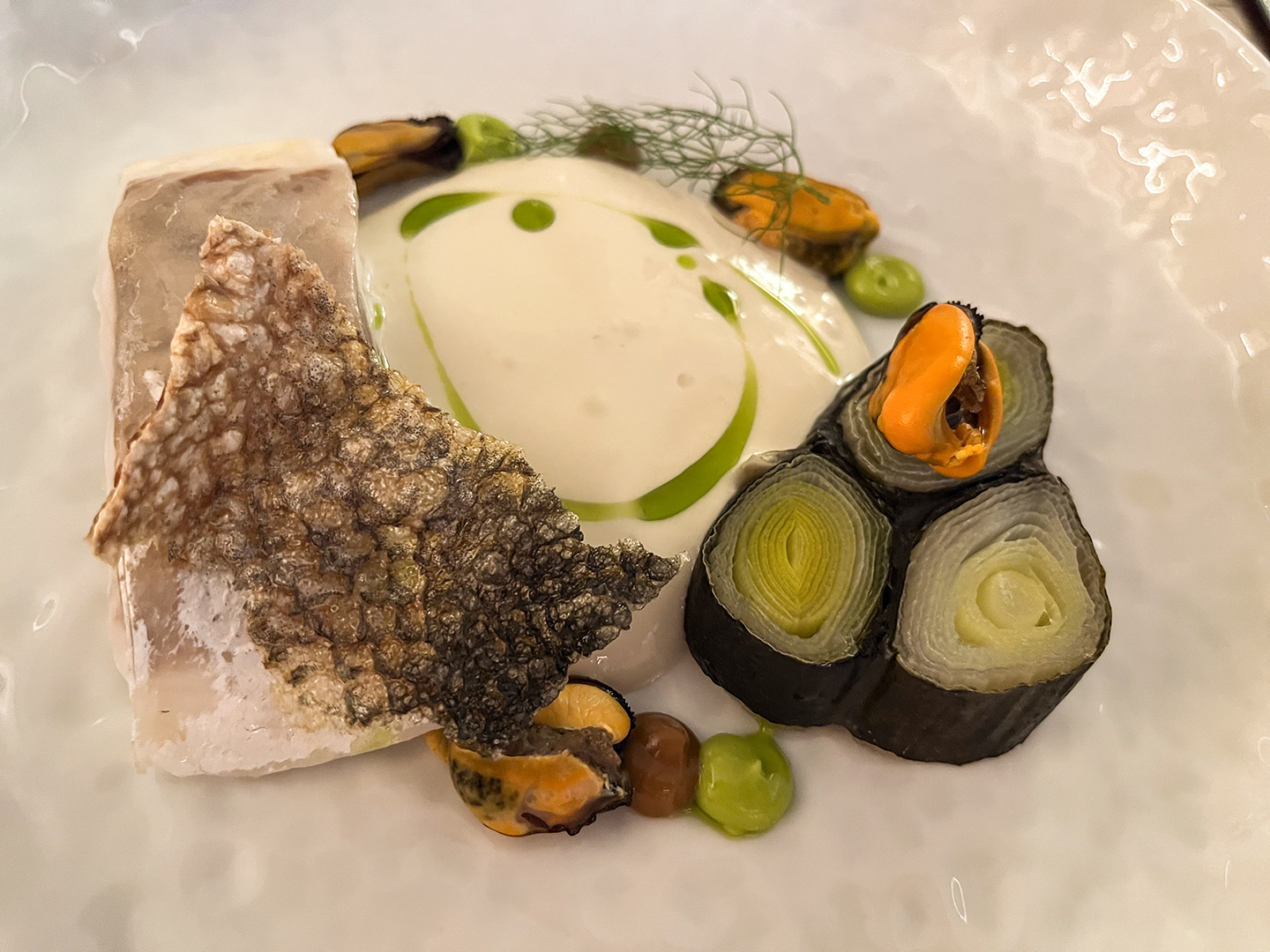
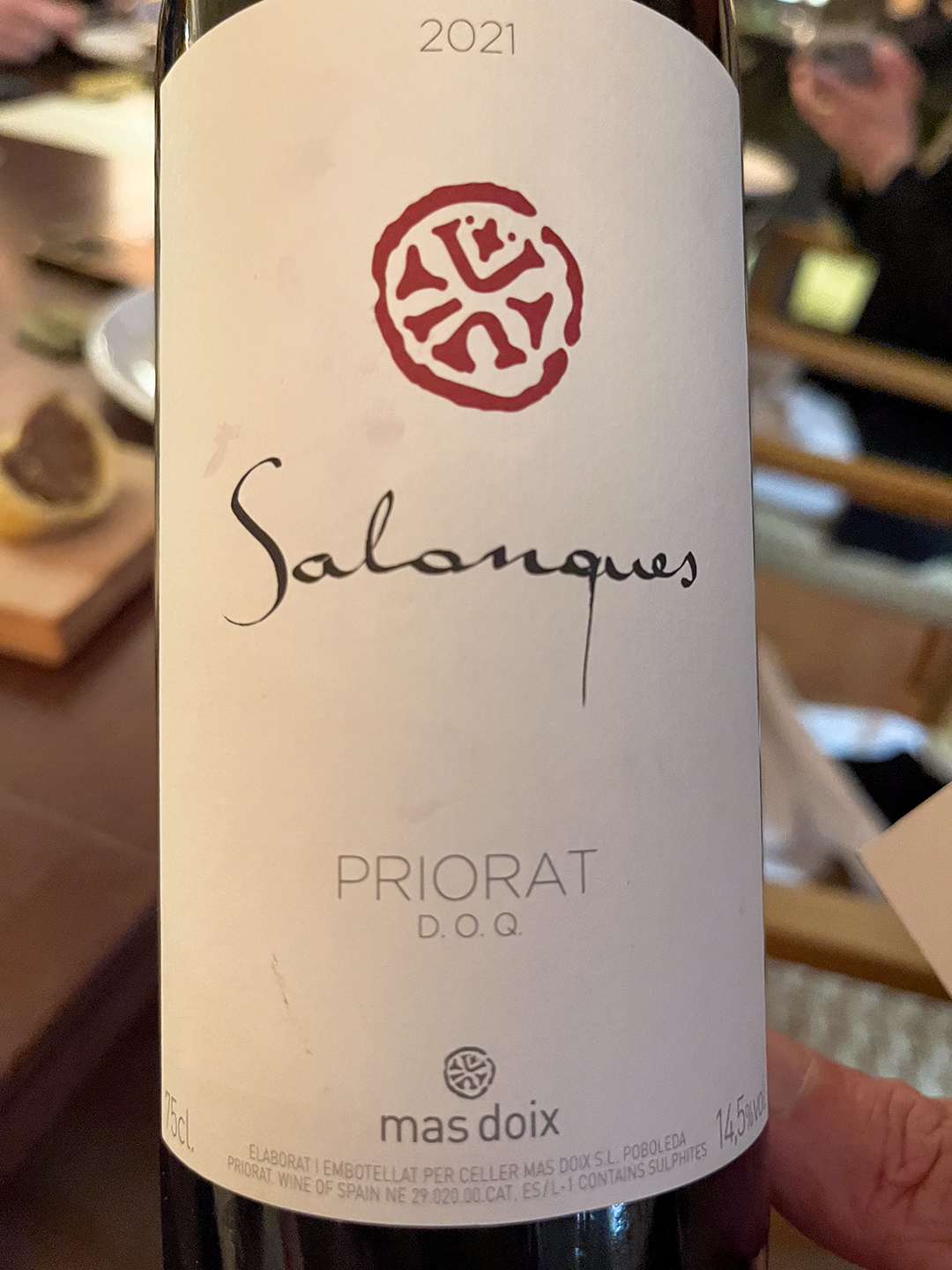
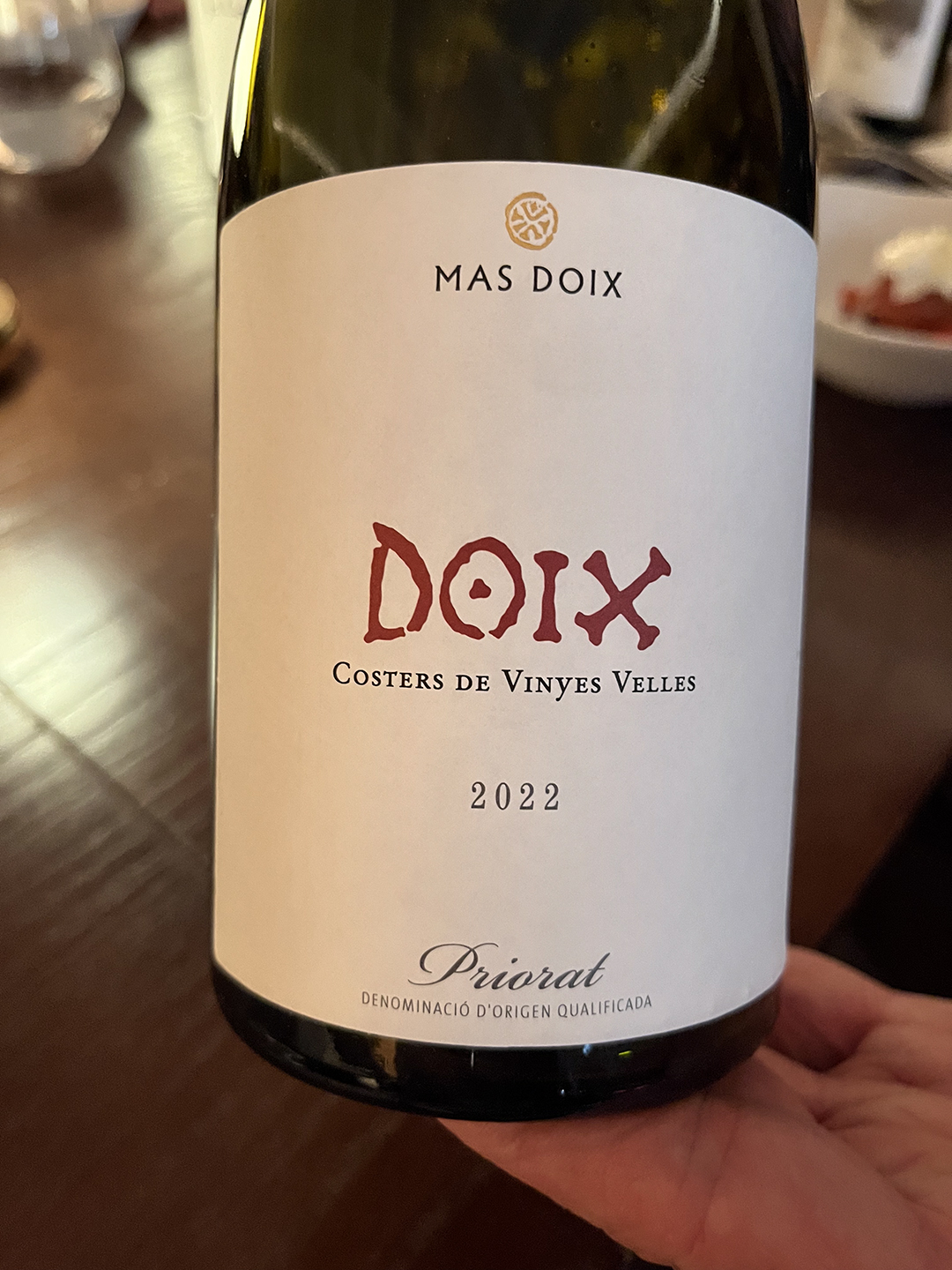
A late afternoon return to the hotel to relax in advance of our farewell group dinner in the hotel’s Vinum Restaurant. Our special guest this evening was Valentí Llagostera, owner of Mas Doix, one of the most esteemed wine producers in Priorat. Mas Doix crafts intensely powerful wines that exhibit impeccable balance and possess tremendous aging potential. Interestingly, in 2019 the estate formed a partnership with the Canadian owner of Napa’s Cliff Lede winery.
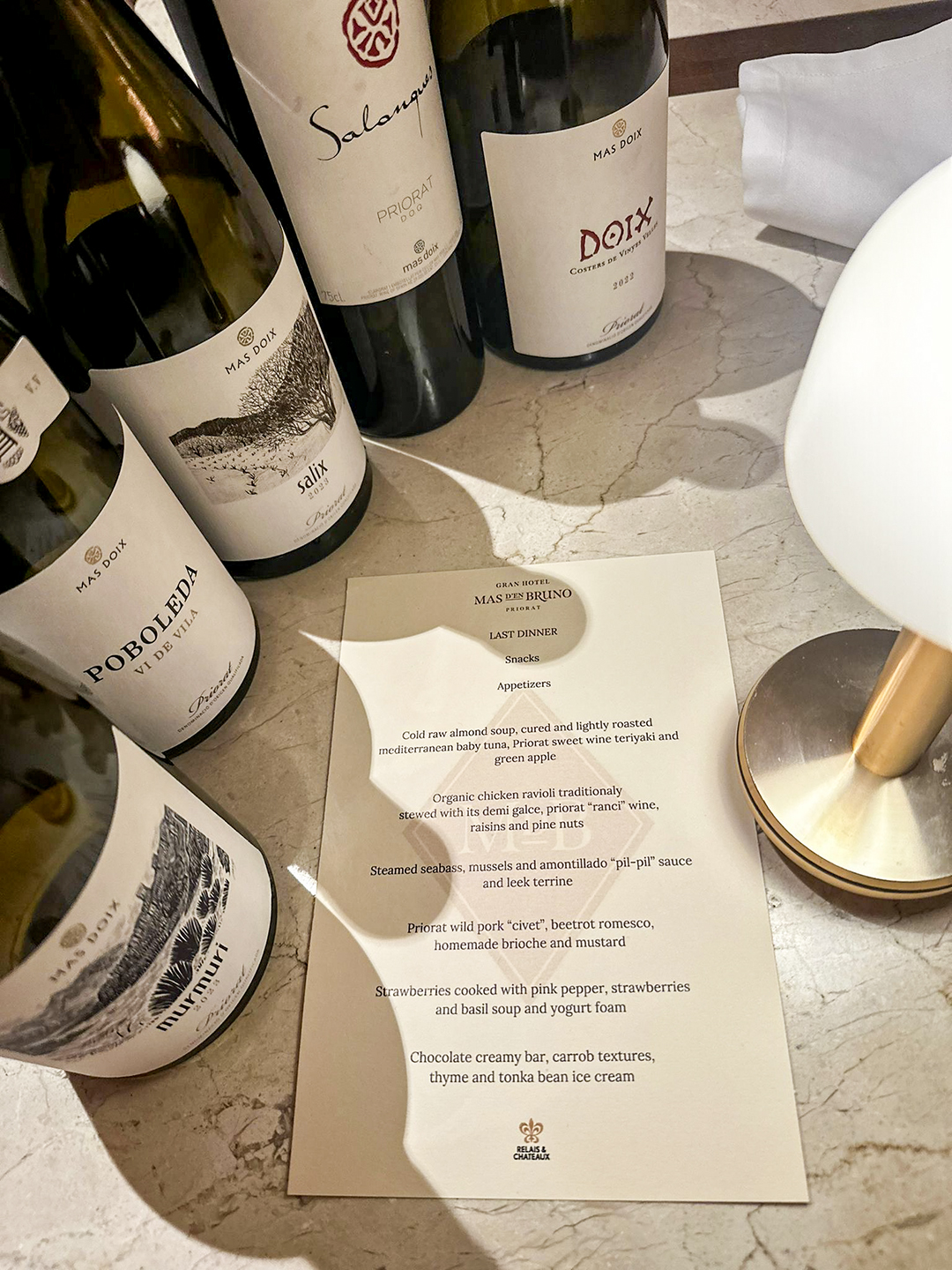




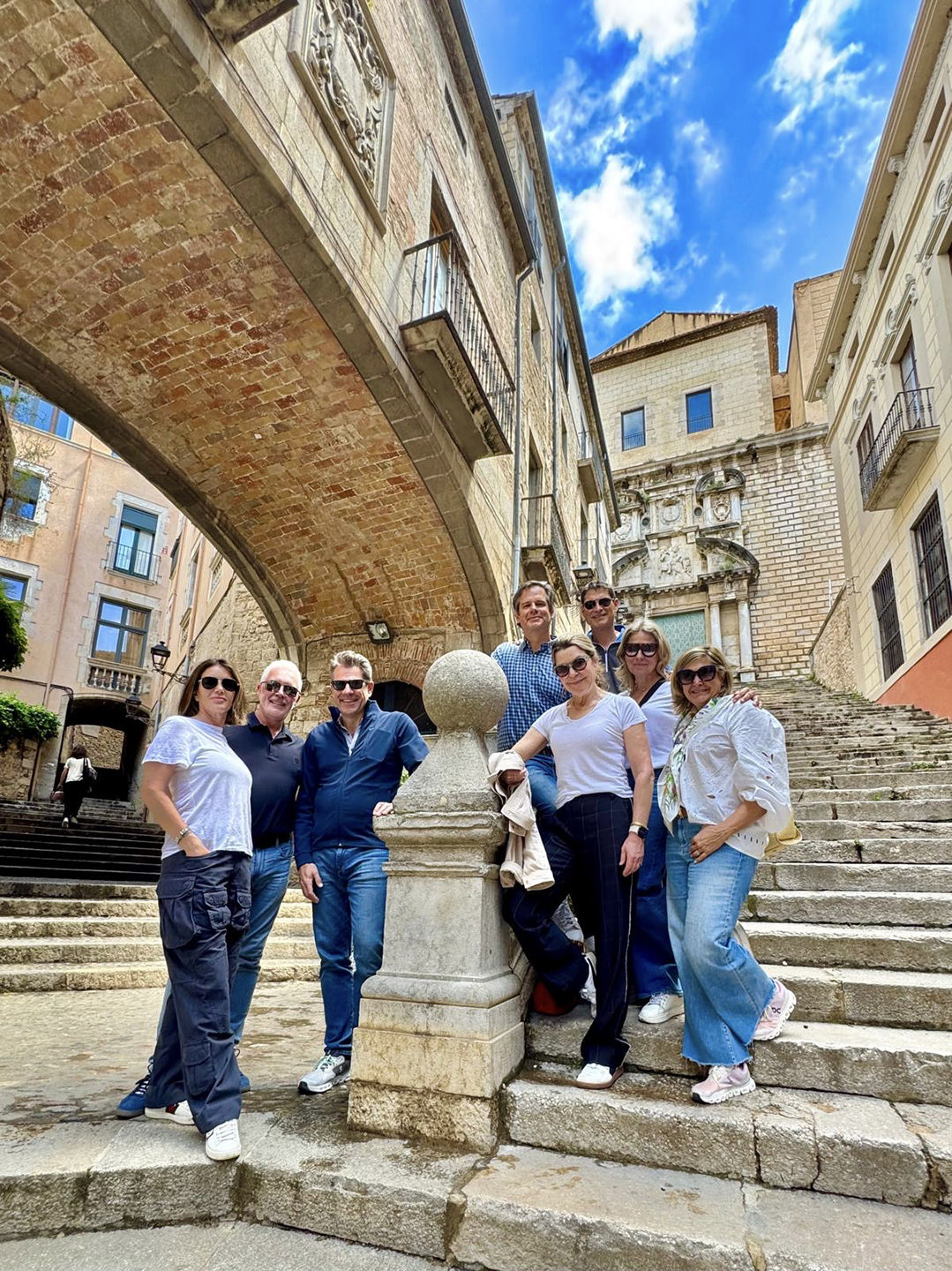
Our group
Tuesday, May 27th: Early departure from Barcelona airport to London and on to Toronto.