

Sunday, March 4th: Arrived in Madrid having avoided having an Air Canada dinner by eating at Susur Lee’s restaurant in the airport. Although I had a middle seat sandwiched among three women, luckily we were in the bulkhead which meant more leg room. Thanks to a sleeping pill, I slept for four hours.
A taxi at Madrid airport took me to the Lagasca Hotel. Slept for a couple of hours then went for a walk. In the main square I took a photo of folded umbrellas that looked like nuns in conversation.


Found a great little wine bar called Ricon de Goya but it was closed. So settled for O’Caldina, where everything is monographed with their logo, including the tablecloths, plates, napkins and even the salt shakers.


Everyone was watching football on the TV on the wall above the entrance. I ordered jamón and cheese and a glass of Manzanilla. They brought me a pot of chamomile tea. I asked for an old Oloroso and they said they only had Tio Pepe. So I had that instead (in fact, I had two). The bill was a whopping 41.50 euros. Back to the hotel to sleep.
Monday, March 5th: Sleep! I awoke at 3 am and that was it. Got up, answered email, played Solitaire, too weary to read. Finally, had breakfast at 7 am. Lots of freshly squeezed orange juice.
Visited the Mercado de la Paz, which is just opposite the hotel – spotlessly clean with beautifully arranged stalls of fruit, vegetables, meat and fish. Bought some sea salt, then strolled around the fancy shopping area just off Colón Square until it started raining.
Met Beatriz Hernandez of Grandes Pagos de España at the hotel reception, along with my travelling companions, wine writers Treve Ring from Vancouver Island and Reagan Hoffman from New York City. We all lunched at Lavinia (José Ortega y Gasset, 16), reputed to be the best wine store in Spain, with a restaurant upstairs at the back. We wolfed down a variety of starters, including jamón, anchovies, sardines and salad, followed by fish and lentil soup with potatoes. The wines: Gramona Rosé Brut Gran Reserva 2012 (Pinot Noir), Pago Arinzano Gran Vino Chardonnay 2010 and Agricole Labastide Tierra Fidel 2013.
Then across the road to Club The Craft for a presentation and tasting of wines from sixteen members of Grandes Pagos de España. This an association of quality wine producers started in 2000 which now has 29 members throughout the country. Pago is equivalent to the French cru or “growth,” in other words, a specified terroir.
- Finca Sandoval El Fundamentalist 2015 (Manchuela DO, 50% Bobal, 50% Monastrell): deep purple-violet in colour; lightly floral nose of plum and minerals; light to medium-bodied, dry, fresh cherry flavour; lively acidity with enough tannin for structure; good length and carries its 14.3% alcohol well. (89)
- Gramona III Lustros 2011 Brut Nature Gran Reserva (Cava): Very pale lemon-lime colour; minerally, lemon and lemon blossom bouquet with notes of baked apple and brioche; light to medium-bodied, dry, elegant, apple and lemon flavours; beautifully balanced with a firm finish and nicely integrated oak. (91)
- Filaboa Selección Finca Monte Alto 2016 (Rias Baixas – 100% Albariño): straw colour; minerally, floral, white peach nose with a leesy note; medium-bodied. Dry, lemony, peachy flavour with a crisp acidic finish.
- Belondrade y Lyrton 2016 (Rueda – 100% Verdejo): straw colour with a green tint; high-toned, spicy, peach nose with a thread of minerality and a struck-flint note. Showing a light oak note. (89)
- Chivite Colección 125 Blanco 2015 (Chardonnay – Navarra): bright straw colour; spicy, clovey, oaky, toasty orange bouquet; medium to full-bodied, spicy, oak-driven flavours of orange and clove. Good length and rich mouth-feel. (90)
- Mustiguillo Finca Terrerazo 2015 (100% Bobal, DOP El Terrerazo): deep ruby purple in colour; spicy, earthy plum nose with vanilla oak with a pencil lead note (21 months in French oak); full-bodied, rustic, dry, plum and cherry flavours; chewy and firm. (89)
- Cérvoles Negre 2014 (Costers del Segre – 38% Tempranillo, 32% Cabernet Sauvignon, 18% Garnacha, 12% Syrah): deep ruby colour; high-toned, spicy, black fruit bouquet with evident oak (12 months in French oak) and a light smoky note; medium to full-bodied, dry, elegant, firmly structured, well-balanced, currant, plum and blackberry flavours with ripe tannins. (91)
- Finca Valpiedra Reserva 2010 (Rioja – 92% Tempranillo, 3% Graciano, 5% Maturana – 24 months in new French oak): deep ruby colour; spicy, cedary, sandalwood nose, meaty with a light barnyard note; medium-bodied, dry, red and blackcurrant flavours, firmly structured, well-integrated oak and reminiscent of a St. Emilion claret. (91)
- Propiedad de Arinzano La Casona 2010 (Pago de Arinzano – 75% Tempranillo, 25% Merlot; 13 months in French oak): deep ruby in colour; cedary, black raspberry bouquet with vanilla oak; medium-bodied, dry, firmly structured with spicy, black fruit flavours and evident but ripe tannins. (90)
- Mas Doix Doix 2014 (Priorat – 55% Carignan, 45% Grenache – 16 months in new French oak): deep ruby-purple in colour; spicy, vanilla oak with brambleberry fruit and a cedary note on the nose; full-bodied (14.5% alc.), dry, richly extracted with a herb-tinged blackberry note. (92)
- Alonso del Yerro 2013 (Ribero del Duero – 100% Tempranillo, 12 months in French oak): dense purple colour; cedary, spicy, minerally, black cherry nose with a light floral note; full-bodied, dry, dark chocolate and earthy, black fruit flavours, richly extracted, concentrated and chewy with a firm, chalk finish. (90)
- Alto PS 2015 (Ribera del Duero – 100% Tempranillo “from very old vines” – 19 months in new French oak): dense purple-ruby in colour; spicy, black cherry bouquet with vanilla oak and a floral note; medium to full-bodied, dry, firmly structured with evident new oak sitting over rich and full plum and blackberry flavours. A mouth-filling wine that needs at least 5 years. (92)
- Mauro 2015 (Vino de la Tierra de Castilla y Léon – 95% Tempranillo, 5% Syrah): deep purple in colour; a nose of blackberry and tobacco; full-bodied, dry and firm, richly extracted sweet blackberry and milk chocolate flavours with a floral note on the finish. (89)
- San Román 2014 (Toro – 100% Tinta de Toro, 24 months ageing): dense purple colour; spicy, earthy, black fruits on the nose with pencil lead and floral notes; medium to full-bodied, richly extracted black plum flavour with vanilla oak, finishing on an earthy note. Needs 4–5 years. (89)
- Abadia Retuerta Pago Negralada 2014 (Vino de la Tierra Castilla y León – 100% Tempranillo aged 18 months in new French oak): dense purple colour; spicy, earthy-minerally nose of blackberry and blackcurrant with vanilla oak; medium to full-bodied, dry, juicy and fruity but elegant and firmly structured; beautifully balanced with ripe tannins. (92)
- Bodega Numanthia 2014 (Toro – 100% Tinto de Toro; 18 months in new French oak): dense purple colour; spicy, vanilla oak nose of blackberries with a light floral note; medium-bodied, dry, fruity and richly extracted. Full on the palate with a lovey mouth-feel and a firm tannic finish. Hold 4–5 years. (92)
- Manuel Manzaneque Finca 2012 (Pago Finca Elez – 55% Cabernet Sauvignon, 40% Tempranillo, 5% Merlot; 18 months in French oak): dense purple in colour; spicy, black fruits on the nose with vanilla oak; medium to full-bodied, dry, richly extracted, sweet fruit; firm and full on the palate; rich but ripe tannins and a firm structure. Needs 4–5 years. (90)


Back to the hotel to change before going to dinner at Taberna Puento Lagasca (Lagasca 81). When we sat down Bloody Marys arrived. Then the wine: Dominio de Tares Godello 2016. Jamon, grilled cheese, deep dried chanquettes (bell pepper, monk fish with a poached egg) and duck breast with mango risotto, for which we ordered Alonso del Yerro 2013 from Ribera del Duero.
Tuesday, March 6th: Awoke at 3:30 am and struggled to get back to sleep before my alarm call at 6:30 am. A taxi took the three of us to the train station, where we met Beatriz and boarded a bullet train to Seville (a two-and-a-half-hour ride). In Seville, Beatriz rented a Fiat for the drive to Mérida, not far from the Portuguese border (two-hour drive). Our destination: Palacio Quemado, a 4,000-hectare property owned by the Alvear and Louzada families.


We tasted from tank a Syrah, Garnacha, Trincadeira and Touriga Nacional blend, then from barrel a wine called Rock, a blend of Touriga Nacional and Garnacha, and a 100% Touriga Nacional and Trincadeira. Upstairs for a sit-down tasting:
- Opa de Gallo 2016 (single-vineyard Palomino wine): crisply dry, lemon lime and a chalky note – Muscadet-like with a nutty finish (89). (Being sued by Gallo over the name. Will probably be renamed Macharnudo by Valdespino to avoid fighting an expensive lawsuit.)
- La Guita Manzanilla (single vineyard): bright, light straw in colour; minerally-chalky, green nuts and chamomile with a light salty note. Fresh and zesty. (91)
- Inocente Fino (aged 10 years fermented in cask): rich, chamomile and green nut bouquet; expressive leesy, nutty chamomile, almond. Very fresh. (93)
- Tio Diego Amontillado: deep amber colour; spicy, caramel, marzipan, yeasty nose with a peppery note; rich and full, roasted almond flavour with a toasty finish. (92)
- Valdespino Vintage Sherry 2000 (single cask): amber colour; dry, resiny, dried fruits on the nose; rich and full, beautifully balanced, spicy, nutty, very elegant caramel and orange flavours with a long nutty finish. (94) (1 of 500 bottles – 375 mL)
- Palo Cortado Viejo C.P.: amber colour; spicy, nutty, yeasty nose; smoky, toasted nut, rich and fine, iodine and green nut finish. (92)
- Cardenal Palo Cortado VORS (average 70 years): deep amber; lifted, rancio nose, nutty, dried fruit, toast, fruit cake spices, nutty, salty, lemony flavours with amazing length. (97)
- Moscatel Tonels (500 g/L residual sugar) (80 years old:) dense dark brown; honey, orange peel, molasses, eucalyptus; intense, rich honeyed orange, intensely concentrated and spicy but not cloying. (98)
Forty-five-minute taxi drive to Finca Moncloa (owned by Gonzales Byass), which was created in 1972. First wine produced in 1999. 42 hectares planted in 2001-2002 in Arcos de la Frontera. 135 metres above sea level, clay-limestone soil with 25% sand. 14 ha of Cabernet Sauvignon; Syrah, 9.2 ha, Tempranillo 6.75 ha. Cabernet France 4.1 ha, Merlot 3.7 ha., Tintilla de Rota 3 ha, Petit Verdot 2 ha. Green harvest for Tempranillo and Syrah. Total production 9,000 cases (can grow to 20,000). 50/50 American and French oak, new each year.
- Finca Moncloa 2014 (44% Cabernet Sauvignon, 36% Syrah, 18% Tintilla de Rota, 2% Petit Verdot): dense purple colour; cedary, spicy, blackberry and blackcurrant nose; medium-bodied, dry, blackberry and dark chocolate flavours. Lovely mouth-feel. (91)
- Finca Moncloa 10 Barricas (50% Cabernet Sauvignon, 50% Syrah, 40% Tintilla de Rota, 10%): dense purple flavours with lively acidity and a light floral note; ripe but evident tannins. (90)
- Finca Moncloa Tintilla de Rota 2015 (500 mL): dense purple-violet staining the glass; earthy, blackberry; full-bodied, sweet, blueberry jam, nicely balanced with a suggestion of tannin on the finish. (90)
Drove up to the hilltop village of Arcos de la Frontera. Had my photo taken with an owl named Laguna.

Laguna and me in Arcos de la Frontera
Lunched at Bar La Carel. Started with Vinas del Vero La Miranda Secastilla Garnacha Blanca 2016 (straw colour; dry, medium to full-bodied, peachy flavour (89)). Then the food started to arrive: jamón and goat’s cheese, tuna tartare, asparagus with fried eggs on top, octopus on a bed of cream sauce, beef and French fries. The wines: Vinas del Vera Secastilla Garnacha 2015 (with Syrah – dense purple colour; earthy, savoury plum nose with notes of cedar; medium to full-bodied, dry, fruity but firm (88)), Secastillla Garnacha 2013 (80-year-old ungrafted vines – dense purple colour; earthy, spicy, floral bouquet of blackberries; full-bodied, dry, black raspberry flavour with lively acidity (90)). Three of the wines we had at the tasting followed: Finca Moncloa 2014, Finca Moncloa 10 Barricas, Finca Moncloa Tintilla de Rota 2015.
Drove on to Ronda, which boasts the oldest bull ring in Spain (it is said that bull-fighting was first practiced here). Checked into the Hotel Reine Victoria, walked through the old town (in the rain – they’ve had more rain in six weeks than all of last year) and dined at Bardal, a one-star restaurant. Chef José Aparicio. Very classy place – they serve a different coloured glass for still and sparkling water so the waiters know what to top up with what. A 15-course tasting menu with the wines of Cortijo Los Aguilares starting with their delightful cherry and red plum-flavoured Rosado Sierras de Malaga 2017. The wine of the night was Los Aguilares Pinot Noir 2016 (medium ruby colour; lightly cedary nose of raspberries with a note of violets; medium-bodied, dry and elegant with great finesse. (92))


Thursday, March 8th: Left the hotel by taxi to visit Bibi Garcia, the talented winemaker at Cortijo Los Aguilares. Bibi showed us around the property with its 1000-year-old Roman outdoor threshing floor made of local pebbles. Then inside for a tasting:
- Los Aguilares Tinto 2017 (Tempranillo/Petit Verdot/Syrah blend): purple colour; savoury, herbal, spicy black fruit nose; medium-bodied, dry, fresh and fruity. Easy drinking with ripe tannins. (88.5)
- Los Aguilares Pago del Espino 2015 (63% Petit Verdot/22% Syrah/15% Tempranillo): deep purple in colour; floral, spicy plum nose with a note of cedar; medium-bodied, dry, plum and licorice flavours with fresh acidity. (89)
- TT Tadeo Tinaja 2016 (100% Petit Verdot made in amphora): dense purple colour; earthy, black plum nose with a light cinnamon and herbal note; medium-bodied, dry and fruity, fresh on the palate with a firm tannic finish. (89.5)
- Tadeo 2015 (100% Petit Verdot fermented in oak and aged 15 months): deep purple colour; spicy, oaky, plum nose; medium-bodied, richly extracted, ripe plum flavour with lively acidity. (89)
Then we tried a wine from another member of the Grandes Pagos association: Bodegas Enrique Mendoza Estrecho Monastrell 2015 from Alicante: Dense purple colour; a meaty, feral nose with a floral top note; full-bodied, dry, blackberry flavour with herbal notes. Rustic with firm tannins. (88.5)
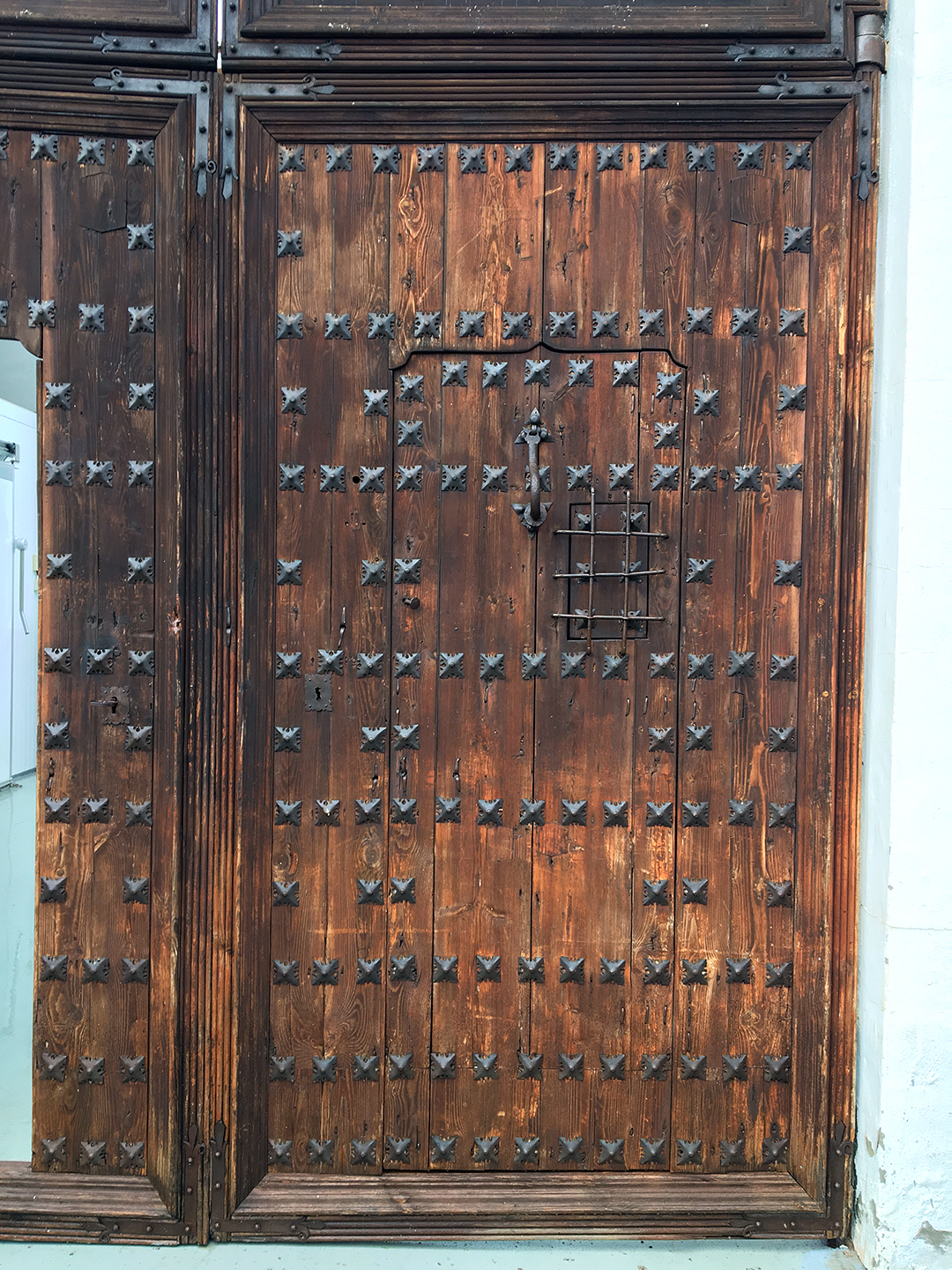


After a snack of jamón and cheese, a visit to Alvear in Montilla (the second largest DO after Jerez). Alvear is the second oldest wine company in Spain after Codorníu. Maria Alvear, an eighth-generation family member, took us to a lagar where they ferment their wines in 4800-litre amphorae.

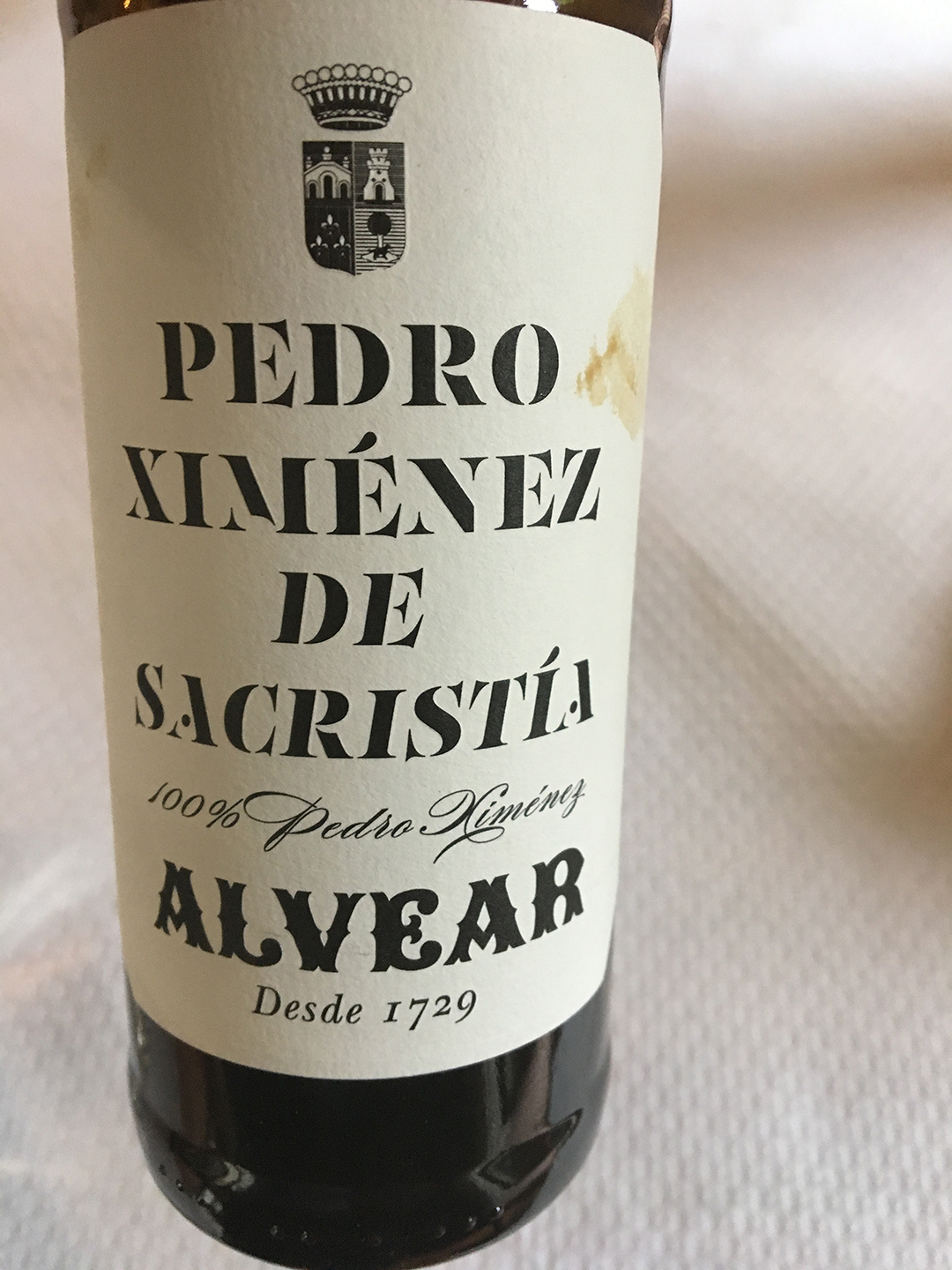
She told us that most of the Pedro Ximenez grapes used in Jerez come from Montilla. We started with a welcoming glass of Alvear Fino (pale straw colour; chamomile, green nut bouquet; crisp and delicate, slightly salty but surprisingly rich and full on the palate (90)). Then a barrel tasting in the cellar, comparing wines that had been fermented on the skins and those that had not.
Upstairs a huge tasting of a range of Alvear products had been prepared. But first we tasted a table wine from another member of Grandes Pagos – Pago Calzadilla Classic 2011, which has its own DO. A blend of 60% Tempranillo, 20% Cabernet Sauvignon, 10% Syrah and 10% Garnacha: dense purple colour; savoury, blackberry and pencil lead bouquet; medium to full-bodied, floral, plum and prune flavours with evident tannins. (89). Then into the sherries:
- Alvear Criadera/A Fino: light amber in colour; nutty, green herbs on the nose; medium-bodied, dry with a rich, dried fruit flavour. (90)
- Alvear Amontillado Carlos VIII (average age 25 years): Deep amber colour; woody, light rancio nose – spicy, nutty, orange peel; dry, rich and full; beautifully balanced with great length. (91)
- Alvear Medium Dry: amber colour; dried stone fruit of the nose with notes of honey, tobacco and graphite; medium-bodied, off-dry caramel and dried peach flavours. (89)
- Alvear Oloroso Asuncion (25-year average age): deep amber colour; high-toned, rancio nose, woody, dried fruits with a toasty note; rich and full, orange and caramel flavours. (91)
- Alvear Cream: amber-orange colour; nutty, caramel nose with a spicy, minerally note; full-bodied, sweet, rich and full with sweet peach, toast and orange flavours; intense, great balance and length. (90)
- Alvear PX 2015: amber-orange colour; honey, fig and orange peel nose; full-bodied, unctuous, spicy and lusciously mouth-filling flavour of dates, orange peel, molasses, honey and fig; beautifully balanced with great length. (93)
- Alvear Solera 1927 PX: deep brown colour with an olive-green rim; high-toned, intense, date, fig, honey nose with orange peel and coffee bean notes. Amazingly complex and lingering. (94)
- Alvear PX de Sacristia 2002: dark brown, opaque colour; spicy, fig and honey bouquet; full-bodied, thick and viscous with rich and concentrated flavours of toffee, fig, coffee beans and thanks to its lively acidity not cloying at all. (95)
Drove into Cordoba and checked into the Hotel NH Amistad. Unfortunately, couldn’t get tickets to visit the Mosque/Cathedral so I walked around the old city. Got lost in the narrow streets of the old Jewish quarter.


Dined at El Churrasco but first, with a glass of Alvear CB Fino in hand, we visited a house down the street where the owner keeps his wine collection (mind-blowing!). At the table with more Fino, we ate artichokes, whitebait, deep-fried scampi, shrimps, grilled aubergine and I had a steak. After dinner we all went to a local bar – the ladies had gin in glasses as big as birdbaths and I had an El Olivo Maximum Brandy de Jerez.
Friday, March 9th: Still raining. Took the train from Cordoba Station to visit Dehesa del Carrizal, a remote property set in its own DO – Pago de Sierra Carrizal. The young winemaker is Bordeaux-trained Pierre-Yves Dessèvre, who has worked here for five years.
- Dehesa del Carrizal Chardonnay 2016: deep golden colour; spicy apple, buttery, toasty nose; medium to full-bodied, peachy-apple and apricot flavours with well-integrated oak. (91)
- Dehesa del Carrizal MV 2015 (Merlot, Tempranillo, Syrah and Cabernet Sauvignon): dense purple in colour; cedary, cigar box and plum bouquet; full-bodied, dry, richly extracted blackberry flavour with a savoury, herbal note and ripe tannins. (90)
- Dehesa del Carrizal Syrah 2013: dense purple colour; creamy, blackberry nose with light oak notes and a touch of green herbs; full-bodied, dry, mouth-filling flavours of plum and blackberry with a hint of iodine on the finish and nicely integrated oak. (89.5)
- Dehesa del Carrizal Cabernet Sauvignon 2013: dense purple colour; cedary, cigar box, plum and blackcurrant bouquet; full-bodied, dry, oaky, blackcurrant flavour – New World style, fruity, firmly structured and well-balanced. (90)
- Dehesa del Carrizal Petit Verdot 2014 (vines planted in 2007): dense purple colour; vanilla oak, cedar and blackcurrant nose; full-bodied, dry, earthy black plum flavour with firm tannins. (89)
- Dehesa del Carrizal Finca Caiz Carrizal Collección 2014 (40% Petit Verdot, 40% Syrah, 20% Cabernet Sauvignon): dense purple in colour; savoury, cedary, herb-tinged black fruits and currants on the nose with a suggestion of oak; full-bodied, dry, ripe black fruit flavours carried on lively acidity. (92)


We also tasted a wine here from the founder of the Grandes Pagos de España, Marqués de Griñon Emeritus 2011 (83% Cabernet Sauvignon, 11% Petit Verdot, 6% Syrah – 24 months in French oak): Dense purple colour; a nose of vanilla oak, spicy, cedary, tar, black plum and a touch of iodine; full-bodied, dry, youthful and powerful with lively acidity. Needs five years at least. (89–91)
Our final stop at Pago Vallegarcia, an ultra-modern facility in the “mountains” of Toledo. The quality of the wines here is astonishingly good.
- Pago Vallegarcia Viognier 2015: bright straw colour with a greenish tint; honeysuckle and melon nose with a thread of minerality; full-bodied, dry, mouth-filling, peachy-melon flavour with an engaging peach pit bitterness on the finish. (91)
- Pago Vallegarcia Syrah 2012: dense purple colour; cedary, herbal nose of blackberries with an earthy, balsamic note; full-bodied, dry, muscular, rich and full blackberry flavour, juicy and firm with ripe tannins on the finish. (92)
- Pago Vallegarcia Petit Hipperia 2016 (30% Cabernet Sauvignon, 21% Cabernet Franc, 19% Syrah, 18% Petit Verdot and 12% Merlot): dense purple in colour; cedary, vanilla, black fruits on the nose with a herbal note; full-bodied, concentrated sweet fruit, rich and full in the mouth, beautifully balanced with ripe tannins. (90)
- Pago Vallegarcia Hipperia 2010: dense purple colour; cedary, licorice, herb-tinged blackberry and blackcurrant nose with pencil lead notes; full-bodied, dry, lovely mouth-feel. Bordeaux meets the Northern Rhône; beautifully balanced and firmly structured. (93)
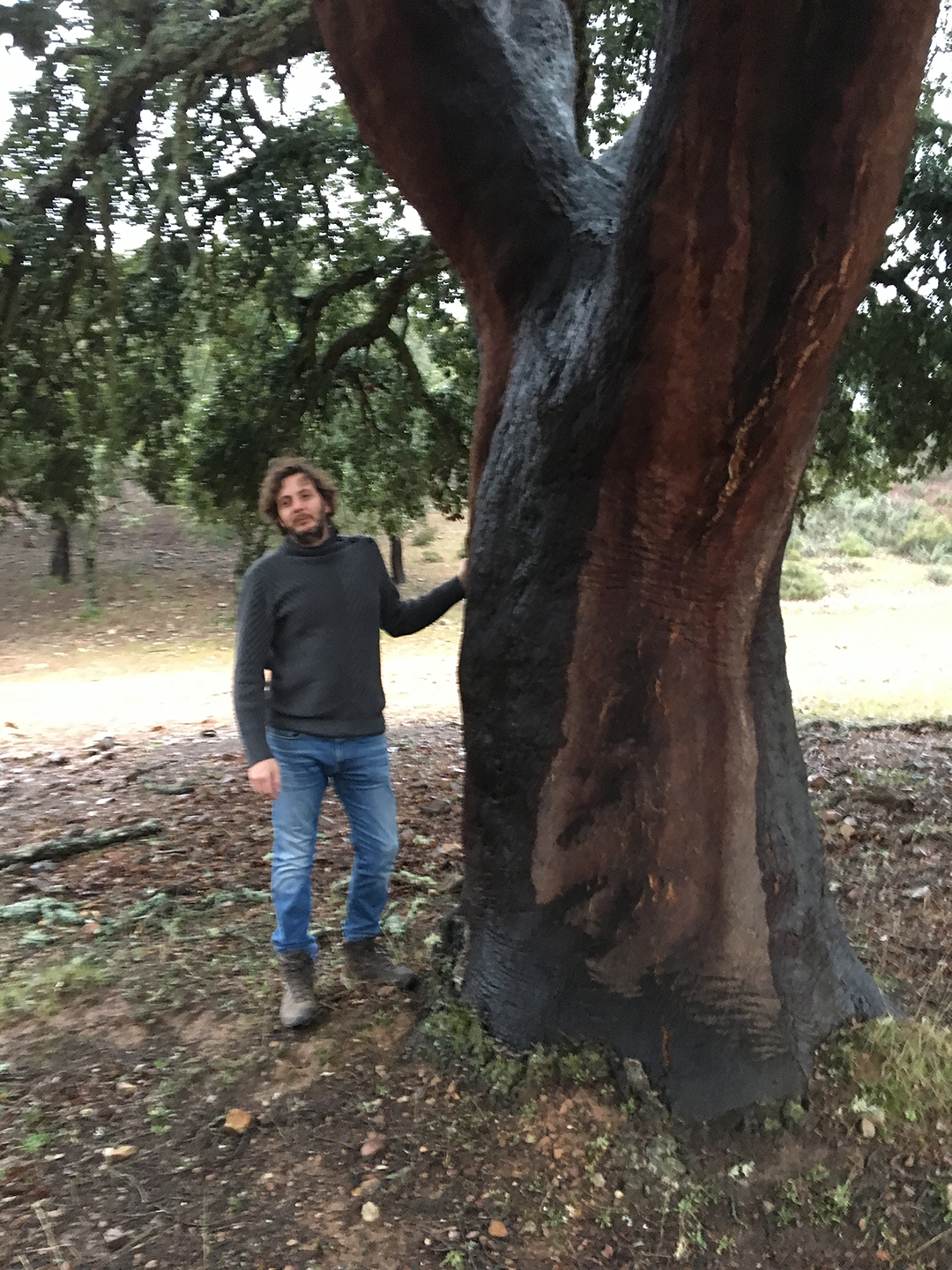
Pago Vallegarcia’s winemaker Adolfo Hornos with a 700-year-old oak tree
Dinner in Toledo at El Carmen de Montresor with the winemaker from Pago Vallegarcia, Adolfo Hornos. Toasted our last night in Spain with Raventos Blanc de Blanc 2015 before driving back to Madrid and overnighting at the Hotel Lagasca for the flight back to Toronto in the morning.
Reminder: The password for the Reviews page is drinkme – check in every two weeks for the latest Vintages releases!