

Sunday, January 20: Drove down to 13th Street Winery to conduct a lunchtime tasting for a group of British, Hong Kong and American sommeliers. A great menu prepared by Stone Road Grille’s chef, Ryan Crawford.

Wine Country Ontario
Winter Lunch in Niagara, Ontario, Canada
13th Street Winery
Chef Ryan Crawford
Sunday, January 20, 2013
Welcome with Sparkles
Hors d’oeuvres
♦♦♦
Smoked Salmon
Riesling
♦♦♦
“Bacon & Eggs”
Chardonnay
♦♦♦
Confit Duck
Pinot Noir
♦♦♦
Ontario Cheeses
Cabernet Franc
♦♦♦
Poached Pear
coffee and tea
THE WINE LIST
- Reception wine: 13th Street Winery, 2006 Grande Cuvée Blanc de Noirs
- Flat Rock Cellars Nadja’s Vineyard, Riesling 2010
- Fielding Estate Winery, Riesling 2010
- Château des Charmes, Riesling 2010
- Tawse, Sketches Riesling 2010
- Charles Baker, Ivan Vineyard Riesling 2011
- Château des Charmes, Chardonnay Musqué 2010
- Inniskillin Wines, Three Vineyards Chardonnay 2011
- 13th Street Winery, Sandstone Reserve Chardonnay 2011
- Bachelder, Niagara Chardonnay 2010
- Jackson-Triggs, Proprietors’ Grand Reserve Chardonnay 2011
- Tawse, Robyn’s Block Chardonnay 2010
- Closson Chase, Chardonnay 2009
- The Foreign Affair, Chardonnay 2009
- 13th Street Winery, Essence Pinot Noir 2010
- Inniskillin Wines, Winemakers Series Montague Estate Pinot Noir 2009
- Norman Hardie, County Pinot Noir 2010
- Closson Chase, Pinot Noir 2009
- Coyote’s Run, Red Paw Vineyard Pinot Noir 2010
- Flat Rock Cellars, Gravity Pinot Noir 2009
- Le Clos Jordanne, Le Grand Clos Pinot Noir 2009
- 13th Street Winery, Cellar Door Cabernet Franc 2011
- Lailey Vineyard, Cabernet Franc 2010
- Malivoire Wine Company, Wismer Vineyard Cabernet Franc 2010
- Southbrook Vineyards, Whimsy Cabernet Franc 2009
- Thirty Bench Winemakers, Small Lot Cabernet Franc 2008
- Inniskillin Wines, Legacy Cabernet Franc 2007
- The Foreign Affair, Cabernet Franc 2007
- Hinterland, Les Etoiles 2009
- Henry of Pelham, Cuvée Catharine Rosé
- Cave Spring Cellars, Brut 2004
Monday, January 21: Spent the morning trying to contact wineries in Provence for my annual wine tour in May. Lunch at Richmond Station with Xavier de Eizaguirre, Chairman of VinExpo, and formerly Director of Mouton-Rothschild. He is in town to beat the drum for this year’s VinExpo and give details on global consumption from a report prepared by the British firm IWSR with projections to 2016. The study was conducted in 28 wine-producing countries and on 114 wine and spirit consumer markets.
He tells me that global production has been stable over the past 10–12 years. Although consumption is falling in traditional markets it has been rising rapidly in emerging markets like China and Russia. China is now the 8th largest wine producer in the world. Ten years ago it wasn’t even in the league table. Consumption is growing globally, according to the report, and will continue to do so for the next five years. The world production is estimated at 28 billion cases with a value of $170 billion. Interestingly enough, the global wine industry is the same size as the global cosmetic industry. The United States is the largest consumer of wine (in 2011) and China is rapidly rising at #5. Canada will produce 50 million cases by 2016 with an estimated value of $5.6 million, a growth of 14% over current figures.
He showed me figures from the International Wine & Spirit Research paper compiled for VinExpo:
1) Growth in Canadian wine consumption is three times faster than at world level
Between 2007 and 2011, Canadian wine consumption increased by 14.55% and reached 43.21 million 9-litre cases, the equivalent of 518.52 million bottles.
According to the VINEXPO market study, this growth should continue at the same pace between 2012 and 2016 and is forecast to reach 14.27%, which is an average annual increase of 3%, three times that of overall world wine consumption.
Between 20012 and 2016, Canada will be the 5th fastest growing wine market worldwide behind China, the U.S., Russia and Germany.
2) Rosé wines are booming…
The consumption of rosé wines in Canada shot up 38.24% between 2007 and 2011, and the study forecasts even greater growth of 45.41% between 2012 and 2016.
However, rosé only accounted for 3.63% of all the still, light wines that Canadians drank in 2011, significantly less than the 9.2% share of rosé on a world scale and the 15.78% proportion of all still wines drunk by the Americans.’
Xavier was interested to try some local wines, so we ordered Norman Hardie Pinot Gris 2011 and Norman Hardie County Pinot Noir 2010, both of which he thoroughly enjoyed. Menu: parsnip soup followed by wild boar chilli and a selection of decadent desserts.
The rest of the day spent on preparing the manuscript for the wine book. I have to submit it before I leave on Wednesday for Siena. For dinner, with pasta, Spadina Una Rose Nero d’Avola 2009 (deep ruby colour; earthy, spicy plum and cherry nose; dry, lively acidity, rustic with powdery tannins. (88)).
Tuesday, January 22: Today is the coldest day of the winter with a wind chill factor of minus 27. Had to dress the Wonderdog warmly for our walks. Sent off the manuscript for the wine book. All that remains is to write captions for the photos.
Wednesday, January 23: Today I leave for Siena via Frankfurt to attend a tasting of the 100 Best Wines of Tuscany. As I was boarding the Air Canada flight the attendant looked at my name and asked me if I was “the wine critic?” He started a conversation about Solvenian wines and had I tried them. I told him I hadn’t recently and he began to write down on my boarding pass what I should taste while the line-up behind me was getting more and more restless. I was kicked up to First Class, which was a pleasure. The wines were very good: I tried Champagne Drappier Carte d’Or Brut, La Cala Vermentino (Sardinia), Laurel Glen Cabernet Sauvignon and Zolo Malbec (Mendoza). For some reason Air Canada doesn’t print the vintages in its menu. Watched The Bourne Legacy and was expecting so see Matt Damon. A very convoluted plot, difficult to follow.
Thursday, January 24: In Frankfurt changing planes for Florence. Then met up with others who had been invited to “X Selezione dei Vini Toscana” from all over the world – mostly buyers, wine writer and sommeliers. This selection takes place every two years. 940 wines were entered. A bus took seven of us to Siena, where we checked in to Hotel Garden.
I slept for a couple of hours, then went downstairs for a lecture on Tuscan viticulture by oenologist Barbara Tamburini. She stressed the importance of rivers creating mesoclimates in the valleys. Ten provinces in Tuscany – 23,000 sq kilometres. 60124.22 hectares of vineyards, 168 million litres of DOC and DOCG, 75 million, IGT 57 million table wines. (New wine laws: DOP – Denomination of Protected Origin, which includes DOC and DOCG with IGP. Then the basic Italian Table Wine.) In Tuscany there are now 11 DOCG, 38 DOC and 6 IGT appellations. The tasting on Saturday will showcase the top wines from each of 10 categories. The list of the wines can be found at selezionevini.eventi.toscanapromozione.it.

Oenologist Barbara Tamburini

Following the lecture we tasted the following wines, which had been judged as the top six of their category.
- Tenuta La Parrina Vermentino 2011: bright, light straw colour; minerally, citrus, white peach nose; crisply dry, fresh, elegant, smoky, volcanic soil note. (89)
- Casa Alle Vacche Crocus Vernaccia di San Gimignano Chardonnay 2009: straw colour; dry, earthy, yellow apple flavour, lovely mouth feel; good length. (88)
- Vignamaggio Terre di Prenzano Chianti Classico 2010: crimson-ruby colour; cherry, vanilla oak; light and fruity nose; fresh, easy drinking, light on the palate with a firm finish. (88)
- Podere Forte Petrucci 2009 Orcia Rosso: ruby colour; floral, black cherry, evident charred oak note on the nose; spicy and rich, ripe cherry with vanilla notes; ripe tannins, very elegant with good length and beautifully balanced with ripe tannins. (100% Sangiovese) (91)
- Fabrizio Dionisio Cuculaia Corton Syrah 2009: dense ruby colour; spicy, herbal, black fruits, vanilla oak notes; richly extracted, full in the mouth, full-bodied, dry and savoury; mellow tannins, firmly structured. (90)
- San Felice Pugnitello 2008: dense purple-ruby; spicy, floral, black cherry, pencil lead nose with a barnyard note; dry, leaner on the palate than the nose suggests, lifted flavour with a touch of bitterness. (87+)
- Batzella TAM Bolgheri Rosso 2008: dense ruby colour; creamy black raspberry nose with a note of leather, cedar and vanilla oak; elegant, dry, raspberry and cherry flavour; firm and tannic finish and a lively acidic spine. (60% Cabernet Sauvignon, 40% Cabernet Franc) (88)
- Cavalierino Vino Nobile di Montepulciano 2007: dense ruby colour; cedar, cherry pit nose with vanilla oak; dry, elegant, firmly structured with evident, firm but pliant tannins. Needs time. (Sangiovese-Prugnolo Gentile- Canaiolo) (89+)
- Col d’Orcia Poggio Al Vento Brunello di Montalcino Riserva 2004: deep ruby colour; cedar, woody, cherry and plum nose; dry, lean, sinewy, acidic and minerally, sour cherry notes; still tannic. Will it lose fruit before the tannins soften? (88+)
- Tenute Perini Dolce Pensiero 2010 (100% Aleatico): dense ruby colour; aromatic, minerally, spicy plum and honeyed nose; sweet, floral, mouth-filling, full-bodied, porty, high toned, thick on the palate, sweet with a note of tannin on the finish. (90)
Dinner in the hotel dining room:
Carpaccio di lombetto di maiale marinato con Crudité di stagione, with Azienda Montenidoli “Il Templare” 2008 (straw colour; spicy, mineral nose with a floral note; well-balanced flavour of peaches, medium-bodied with good length (89))
Gnocchi di patate con sugo di petto d’oca affumicato e zucchini, with Castello della Paneretta Canaiolo Nero 2009 (deep ruby colour with a perfumed, oaky blackberry and blackcurrant nose and a cedary note; medium-bodied, elegant with lively acidity (89))
Controfiletto di manzo ai funghi con patate al rosmarino e broccoletti all’aglio, with Castello Banfi “Belnero” 2009 (dense ruby colour; a nose of plums and oak, hefty on the palate, full-bodied. (88))
Tortino di ricotta in sala al cioccolato, with Fattoria La Vialla Vinsanto del Chianti 2008 (deep amber colour; a nose of marmalade; sweet honey and dried apricot flavours; rich and spicy, reminiscent of Tokaji (91))
Friday, January 25: Our group is divided into two for visits to wineries in Maremma. My group is bound for Azienda Agricola Albarese near Grosseto. It’s a huge farm with a herd of 500 Maremma cows, an ancient breed that is wrangled by “butteri” (Maremma cowboys) and 70 horses, The land is flat here with winds like the Camargue in Provence. From the beaches along the coast you can see the island of Elba; from the hills inland, Corsica.

Maremmana cow


Maremmana cow horns


Azienda Agricola Alberese farm manager Alessandro Sapiri

We are given a lecture on the cattle in the saddle room by the farm’s manager, Alessandro Sampiri, then a walking tour of the enclosure where the horses and cattle are kept. Finally, a tour of the huge granary, which has been converted into a convention hall with a museum of ancient farm equipment. Then we’re driven to the coast for a view of the sea before returning for a tasting of the wines grown on the property conducted by Agricola Alberese’s oenologist, Giorgio Marone.

Maremma coast (Elba in the distance)

Marone explained that there is very little rain here in Maremma compared to the Chianti Classico zone, giving a rich and sweet Sangiovese. In the past Maremma wine was used to give more structure to Chianti. Wealthy Romans used to come to the Maremma coast in summer, where temperatures can climb to 40 degrees. As a result the wines have high pHs and low acidity. Morellino di Scansano must be at least 85% Sangiovese. The flat land where we are is sandy, limestone soil; the hills are more galestro (broken clay).
- Alberese Castelmarino Vermentino 2010: pale straw with a green tint; minerally, nose; crisp and lemony with a touch of bitterness on the finish (86)
- Alberese Serrata dei Cavalleggeri Morellino di Scansano 2009 (with Syrah): ruby colour; cherry with a light floral note on the nose; sweet and perfumed, elegant and firm; tannic finish (87)
- Alberese Pellegrone Morellino di Scansano 2008 (with Merlot): good depth of colour; cherry and tobacco leaf nose; broad and full on the palate with flavours of black cherry, blueberry and spice. (88)
- Alberese Barbicato Morellino di Scansano 2008 (Merlot, Cabernet Franc and Cabernet Sauvignon): dense ruby colour; cedar, cherry nose, evident oak; firmly structured, youthful, oaky. Some greenness on the finish. Needs time (87)
- Alberese Broncio dell’Alberese Cabernet Sauvignon/ Cabernet Franc 2008: dense ruby colour; tea leaf, blackcurrant, cedar nose; dry, firm, redcurrant, chalky tannins (87+)
- Alberense Alboense Morellino di Scansano 2010 (Cabernet Sauvignon/Merlot): dense ruby colour; cherry, earthy nose; rustic, fruity with firm tannins (86+)
A light lunch of cold cuts and cheese with the wines we tasted. Our next stop is Tenuta La Parrina, a huge farm owned by the Spinola family, dating back to 1830.

Franca Spinola, proprietor of La Parrina
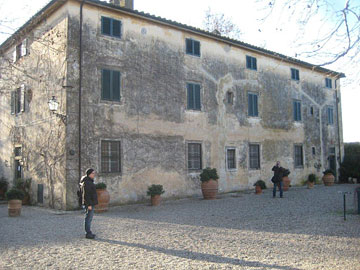
Fattoria La Parrina
Here they grow virtually everything – peaches, figs, almonds, olives, berries, organic grains, tomatoes, cauliflowers, leeks. In the winery they produce four reds, four whites, a Vin Santo and a sparkling wine (200,000 bottles in all). A tasting in the cellar conducted by the winemaker, Andrea Fionella.
- La Parrina Vermentino 2011: pale straw colour with a green tint; minerally, white peach nose with a fresh peach and apple flavour; medium-bodied and crisp with good length (89)
- La Parrina Muraccio 2008 (Sangiovese with 10% Merlot and Cabernet): dense ruby-purple colour; blueberry and vanilla oak nose; dry, fruity, nicely balanced, fresh and lively on the palate. (89)
- La Parrina Capalbic Vin Sano 2000 (Ansonica and Trebbiano – 5 years in 80 litre chestnut wood barrels called caratello): deep amber colour; marmalade, dried apricot and barley sugar nose; medium sweet with lively acidity; well balanced with great length (92)
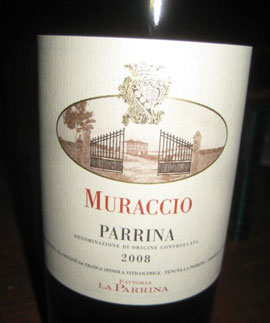
La Parrina Muraccio 2008

Then we returned to the hotel in Siena for dinner at the Enoteca Italiana in the basement of the Fortezza Medicea. 1700 Tuscan wines are displayed here. There is also an exhibition of ancient drinking vessels and the reproduction of a typical Roman symposium room with a reclining chaise longue.

Replica of a Roman feasting couch, Enoteca Italiana, Siena
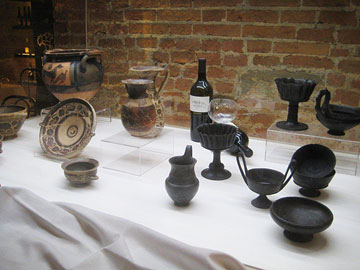
Greek and Roman drinking vessels
The dinner menu:
Flan di Verdure con fonduta di Pecorino di Pienza, with Fattoria Il Palagio Vernaccia di San Gimignano La Ginestelle 2011 (pale straw colour; minerally, citrus peel nose with a light floral note; herbal, somewhat austere and dry – worked well with the dish (88))
Pici di Pasta Fresca al Ragu Nobile con Cinta Senese, Chianna a Porcini, with Podere Firenze Arcidisso Ciliegiolo Sciresa 2011 (geranium note on the nose; sour acidity, raspberry jam flavour with a bitter finish (84))
Prasato di Chinanna con Polenta, with Conte Ferdinando Guicciardini Massi Morellino di Scansano 2010 (dense purple-ruby colour; cherry nose with a light floral note; fresh and fruity on the palate with a dry, firm finish (88))
Selezione di Dolce Tipici Senesi, with Castello di Cacchiano VinSanto del Chianti Clasico 2002 (by this time I was beyond tired and gave up taking notes – but it was delicious)
Saturday, January 26: Today we are bussed to the Enoteca Italiana to begin tasting the 100 Best Tuscan Wines. There are 76 producers, each with their own table, set out around the basement. We are given a book with all the wineries who can also show wines that received Honourable Mention. Unfortunately, pages are not numbered and it’s difficult to find the wineries when we stand in front of their tables. I tasted about 40 wines.

Winery tables in the basement of Enoteca Italiana
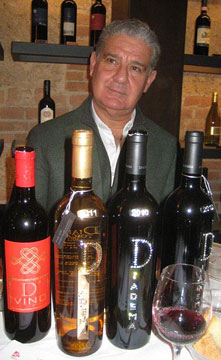
Alberto Giannotti, proprietor of Diadema

Then left the Enoteca with a Polish wine writer Marcin Jagodziński from Warsaw to find a wine shop he knew just of the Piazza del Campo. Bought a bottle of a rare wine from Campania, Greco Musc.

Piazza del Campo, Siena

Wine store in Siena off Piazza del Campo


Wall decoration next to wine store

Walked around Siena, then took a cab back to the hotel to prepare for dinner at Aziena Agricola Castel di Pugna, hosted by the owner, Conte Luigi Alberto Fumi Cambi Gado. His estate is three kilometres from the centre of Siena. The buildings date back to the 12th century and his family crest, which appears on his labels, is a burning tower. Apparently the Florentines burned the tower in 1260 during one of the wars with the Sinese.
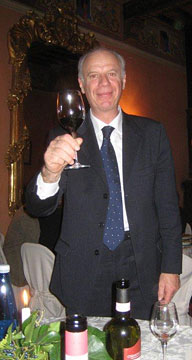
Conte Luigi Alberto Fumi Cambi Gado

The 14 hectares of vineyard produce Sangiovese, Canaiolo Nero, Ciliegiolo and Colorino. The winery is also involved in a project to recover historical grape varieties with names like Gorgottesco, Tenerone, Salamanna and Occhio di Pernice. The style of wines at Castel di Pugna is militantly old fashioned, what Chianti used to taste like. In 2008 they removed the Malvasia and Trebbiano vines.

Ancient bottles in Castel Pugna cellar
We had dinner in a very ornate dining room prepared by the Conte’s 26-year-old daughter: Tuscan hors d’oeuvres followed by mushroom risotto, beef ragu and crème caramel. The best wine was Castel Pugna 2003, a Super Tuscan (100% Sangiovese).

Castel Pugna Sangiovese 2003
Sunday, January 27: A bus to the airport in Florence. I have 50 minutes to make the connection in Frankfurt for the Toronto flight. My Florence/Frankfurt flight is delayed 25 minutes and I run like a mad thing in Frankfurt to the gate only to be told the flight had closed. There were no more North American flights that night so I was rebooked for next morning’s 10 am flight and put up overnight at Lufthansa’s expense in the Airport Hilton. Bummer.