

Wednesday, October 24: A final morning of wrap-up before Deborah dropped me at Toronto Airport for the United Airlines flight to Newark and the connecting flight to Buenos Aires. Decided to forego dinner and tried to sleep. The flight was only two-thirds full so I had the opportunity to take three seats and stretch out. Still not very comfortable.

Thursday, October 25: Arrived in Buenos Aires at 9:30 am local time. Took an hour to work through immigration (didn’t have to buy a visa since I have a British passport in addition to my Canadian passport; otherwise it would have cost $70. It’s $100 for Americans) and then customs. It was 10:30 when I finally got out and met the driver who took me to the Melia Hotel.
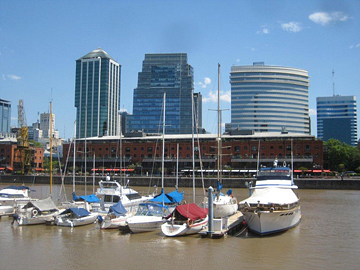
Port area in Buenos Aires

Checked in and walked around Buenos Aires. Down to the port area and then got a couple of hours sleep. A taxi took me to Aldo’s – a restaurant-wine store. The taxi driver didn’t speak a word of English and I have virtually no Spanish. Eventually we arrived at Aldo’s, a restaurant wine bar where a tasting with reps from three wineries had been set up in a private room. Aldo’s has an interesting formula: if you buy a bottle of wine you can have it with your dinner without any mark-up.
The first tasting was with Patricio Vazquez of El Porvenir de Cafayate in Salta. They make 300,000 bottles from 90 hectares of vines. Average 45-year-old vines between 5,500 and 8,200 feet elevation. They produce Torrontés, Malbec and Cabernet Sauvignon, also Tannat. 200 mm of rain a year here, as opposed to Mendoza, which gets 250 mm. Paul Hobbs is consulting (he seems to be consulting with half the wineries in Argentina). El Porvenir de Cafayate’s entry level range is called. Amauta.
- El Porvenir de Cafayate Laborum Torrontés 2011: pale straw; lovely nose of orange blossom, very elegant and light on the palate with crisp acidity with floral, white peach flavour. (90)
- El Porvenir de Cafayate Laborum Malbec 2011: dense ruby; blackberry nose with a spicy, cedar note; ripe blackberry and plum flavours with balancing acidity and an engaging floral note. (89)
- El Porvenir de Cafayate 2006 (45% Malbec, 35% Cabernet, 12% Syrah and 8%Tannat – 18 month in French oak): deep ruby; cedar, touch of barnyard, vanilla oak, very Spanish in style with lively acidity, black raspberry, blackcurrant and blueberry notes. Very youthful still. (90)
Next Franco D’Angelo of Graffigna. One of the oldest and largest wineries in Argentina. Started by an Italian 130 years ago in San Juan in the north of Mendoza. Vineyards between 700 and 1400 feet. Shiraz is the varietal in San Juan.
- Graffigna Pinot Grigio Centenario Reserve 2012: very pale straw colour; light-bodied, fresh, minerally, pear nose; great attack with bracing acidity and flavours of pear and apricot, clean and crisp; good length. (89)
- Graffigna Malbec Centenario Reserve 2011: deep ruby colour; vanilla oak, black fruits; medium-bodied, dry, savoury, with a meaty, coffee bean flavour and lively acidity; firmly structured. (89)
- Graffigna Malbec Grand Reserve 2010: dense purple-ruby colour; spicy, black cherry, minty, floral nose; lovely mouth feel, richly extracted fruit, firmly structured and juicy. (91)
- Graffigna Shiraz Centenario Reserve 2010: deep ruby colour; spicy, vanilla oak, blackberry nose; dry, savoury and warm on the palate, medium to full-bodied, smoky note. A little blunt on the finish. (87)
Finally Bodega del Desierto, a pioneer in Patagonia. Gabriela Millan in charge of exports conducted the tasting. The project was started in 2001 with the planting of the vineyard. First vintage (2004) was released in 2006. Paul Hobbs has been working with them since 2003.
- Desierto 25 Cabernet Franc 2010: deep ruby colour; cedar, vanilla, plum; well extracted, firmly structured, dry and savoury, bitter chocolate flavour with ripe tannins. (89)
- Desierto Pampa Malbec 2009: dense purple colour; light floral, struck flint, vanilla nose; ripe plummy fruit, savoury and dry, firmly structured with ripe tannins. More austere than Malbecs from the north. (89)
- Desierto Pampa Malbec Cabernet Franc Merlot 2009 (40%/30%30%): deep purple-ruby colour; creamy blackcurrant, vanilla oak nose; licorice and black fruit flavours; medium to full-bodied, nicely balanced fruit and acidity with a firm finish. (90)
Dinner in the restaurant with Gabriela Millan. Prosciutto, arugula, tomato and mozzarella bruschetta, followed by grilled rib eye steak with potato wedges and sauce béarnaise (my first taste of Argentinian beef in situ – amazing) and crème brûlée. We began with Desierto 25 Sauvignon Blanc 2012 (fragrant, grassy, grapefruit nose; good mid palate fruit with some grapefruit pith bitterness on the finish – 88).
Friday, October 26: Up at 6 am. Picked up by my driver from yesterday to go to the airport to catch a flight to Neuquén (90 minutes), where I’m met by Maria José Huc from the Patagonian tourist office. (She tells me that the name of the province comes from the Spanish for “big foot.” Apparently, the name dates back to Ferdinand Magellan’s expedition in 1520. Magellan noted the large size of the footprints left by the indigenous tribes on the beach.)
After checking into the Del Comahue hotel in the centre of the city, Maria José drove me to Familia Schroeder, about 45 minutes northwest of Neuquén Capital. This region is extremely windy, with gusts that can reach 80 to 100 km an hour. To protect the cherry, plum, peach and pear orchards they have constructed a series of windbreaks by close planting rows of poplar trees. You see them everywhere. The main industry here is oil and gas.
When we reach Familia Schroeder in San Patricio del Chañar I see they are flying the Canadian flag to welcome me. Familia Schroeder began in 2001 with the planting of the 140 hectares of vineyards. Federico Boxaca, the export manager, tells me that we are 800 kilometres south of Mendoza here and there is a 20° difference between daytime and nighttime temperatures, which makes for good natural acidity in the wines. They get 3/4 of an hour more daylight in the growing season than Mendoza. The dry, southwesterly winds create small berries with thick skins and lower yields than other regions. Plus the winds keep the vineyards free of insects. The only problem for growers is frost.

Dinosaur remains at Familia Schroeder
Over lunch in the Saurus restaurant, with the president of the company, Roberto Schroeder, Federico tells me the history of Argentinian wines – how the British built the first railroad from Buenos Aires to Mendoza and Neuquén at the beginning of the 20th century, “connecting the consumption areas with the production areas.” With Argentinian wines people tend to equate altitude with quality, he says. (Neuquén is basically flat and linear.)
We start off with Rosa de los Vientos (a sparkling wine made from Pinot Noir and definitely pink in colour although not promoted as a rosé; light raspberry flavour, dry and easy drinking – 88). Familia Schroeder has seven Pinot Noirs in its portfolio, including a late harvest Pinot!
Lunch: an amuse-bouche of carrot, orange and ginger soup, followed by rabbit terrine – my accompanying wine Familia Schroeder Saurus Pinot Noir 2009 (deeply coloured; light cherry nose with an herbaceous note; fruity, dry with a licorice note and soft tannins – 88). Then a tasting to follow:
- Familia Schroeder Saurus Select Sauvignon Blanc 2012: very pale with a lime tint; kiwi nose with a hint of oak; spicy, lively acidity, tart and fresh. Good length. (88)
- Familia Schroeder Saurus Select Chardonnay 2012: straw colour; hay, butter, apple nose; medium-bodied, buttery, apple with citrus acidity and vanilla oak notes. (89)
- Familia Schroeder Saurus Select Pinot Noir 2010: ruby colour; vanilla oak, raspberry, woodsy nose; full-bodied, with a candied raspberry flavour; firm structure with evident tannins. (88)
- Familia Schroeder Saurus Barrel Fermented Pinot Noir 2010: ruby colour; violets, spicy raspberry nose; rich raspberry and pomegranate flavours; elegant and layered; lovely mouth feel and great length. (91)
- Familia Schroeder Saurus Select Merlot 2010: deep ruby colour; earthy, blueberry and plum nose; richly extracted fruit, full on the palate with lively acidity. (89)
- Familia Schroeder Saurus Select Malbec 2010: deep ruby-purple; smoky, toasty, vanilla, blackberry nose; dry, blackberry flavour, juicy but firm on the palate. (89)
- Familia Schroeder Saurus Barrel Fermented Malbec 2010: deep ruby-purple colour; spicy, blackberry with a cedar note; juicy, sweet blackberry fruit, full on the palate with ripe, supple tannins. (90)
- Familia Schroeder Saurus Select Cabernet Sauvignon 2010: deep ruby-black colour; cedar, red pepper, blackcurrant with vanilla oak nose; medium-bodied, ripe currant fruit flavours, firmly structured, dry (could do with the addition of Merlot or Cabernet Franc to fill out the mid-palate). (88)
- Familia Schroeder S Pinot Noir 2007: ruby with a tawny rim; oaky, cherry nose; richly extracted black cherry flavour with vanilla oak prevalent; some grip on the finish. Alcoholic finish. (89)
- Familia Schroeder S Malbec 2007: deep ruby colour; cedary, black fruit nose; juicy fruit, lively acidity, peppery, blackberry flavour, firmly structured. Needs more time in bottle to soften tannins. (90+)
- Familia Schroeder S Pinot Noir Malbec 2007 (54% Pinot Noir, 46% Malbec): deep ruby colour; vanilla, earthy, red berry and blackcurrant nose; full-bodied, ripe red berry fruit flavours, firmly structured with a tannic lift on the finish. (89)
- Familia Schroeder Saurus Chardonnay Pinot Noir Extra Brut (Charmat process): rose gold colour, active mousse; floral, wild strawberry nose; dry, chalky flavour with a touch of bitterness on the finish. (87+)
- Deseado de Familia Schroeder Torrontés: pale straw with a lime tint; orange blossom and peach nose; semi-sweet, Asti Spumante-like with a touch of bitterness on the finish. Nicely balanced with good acidity. (89)
- Familia Schroeder Saurus Pinot Noir Tardio 2010: ruby with a tawny note; raisiny, dates on the nose; sweet, porty, dried fig flavours. Full-bodied and good length. (89)
Next stop, a very modern winery called Del Fin del Mundo. The winery, the first in Neuquén province, farms 870 hectares planted in 1999 with drip irrigation. They have 200 stainless steel tanks, 104 concrete tanks, 2200 oak barrels French oak casks of 6000 liters each. Fin del Mundo is the largest operation in Patagonia, producing 10 million bottles, yet Patagonia accounts for only 2% of Argentina’s total production.
- Del Fin del Mundo Extra Brut (80% Pinot Noir, 20% Chardonnay – champagne method): eye of the partridge colour; delicate red apple nose; dry, elegant, raspberry and red apple flavours with a firm finish; touch of bitterness on the end taste. (88)
- Del Fin del Mundo Malbec Reserva 2011: dense ruby colour; cedar, tobacco, red berry nose with a touch of oak; well extracted plum and blackberry flavours with a licorice and chocolate note. Firm finish. (89+)
- Del Fin del Mundo Fin Single Vineyard Pinot Noir 2009: mature ruby colour; cherry, pencil lead; medium-bodied, sandalwood, dry, cherry flavour; firm structure with a tannic lift on the finish. (89)
- Del Fin del Mundo Fin Single Vineyard Pinot Noir 2008: more intense colour than the 2009; rich, cherry, well structured, meaty, red berry flavour; riper tannins are riper than 2009. (90)
- Del Fin del Mundo Fin Single Vineyard Cabernet Franc 2009: deep ruby colour; cedar, vanilla oak, spicy red berry and tobacco notes on the nose; sweet fruit, earthy and mouth-filling, well balanced. Needs time. (89+)
- Del Fin del Mundo Fin Single Vineyard Cabernet Franc 2008: ruby colour; cedar, floral, plum and currant nose; ripe fruit, well balanced and firm with a Bordeaux-like flavour and a tannic finish. (90)
- Del Fin del Mundo Special Blend 2008 (40% Malbec, 40% Cabernet Sauvignon, 20 Merlot): dense ruby colour; tobacco, cedar, vanilla oak, black fruits on the nose; richly extracted, full-bodied, chocolate and black fruit flavours; ripe tannins. Mouth-filling and hedonistic with a floral grace note. (92)

NQN winery in Neuquén

After the tasting Marie José drives me over to NQN (established 2003), a winery that is now owned by Bodega del Fin del Mundo. Julio Viola, the Director of Del Fin del Mundo, shows me around the new facility. Julio invited Argentinian artists to decorate some thirty wine barrels, many of which are placed strategically around the winery. Michel Rolland consults to NQN and Roberto de la Mota consults to Del Fin del Mundo. NQN, purchased last year, was established in 2004 and produces 2 million bottles. We tasted in a room that overlooks the vineyard.
- NQN Malma Pinot Chardonnay Cuvee Reserve (70% Pinot Noir, 30% Chardonnay: Champagne method): pink gold colour; strawberry, crusty bread nose; creamy, dry, wild strawberry flavour; a touch of bitterness on the finish. (88) (Malma means pride in the Mapuche language.)
- NQN Malma Finca La Papay Sauvignon Blanc 2012: pale straw colour; grassy, green plum and grapefruit nose; crisply dry with lively acidity, citrus and asparagus flavour notes. (88)
- NQN Malma Finca La Papay Pinot Noir 2012: ruby colour; candied raspberry, sweet rhubarb and leather nose; sweet fruit, full-bodied and firm with an earthy note on the finish. (89)
- NQN Malma Malbec Reserva de Familia 2009: dense ruby colour; minerally, black fruits on the nose with vanilla oak; elegant, restrained, beautifully balanced for a hot vintage; firm structure with good length. (90)
- NQN Malma Universo Red Blend 2009 (60% Malbec, 40% Cabernet Sauvignon): dense purple-ruby; vanilla oak, blackcurrant, blackberry nose; very Bordeaux on the nose but New World on the palate; firmly structured, full-bodied, roasted fruit note with muscular tannins. (90)
- NQN Petit Verdot Malbec 2010 (50/50 blend): dense purple colour; creamy, floral, blackberry nose; richly extracted, full-bodied, minerally, fruity, chocolate flavour; soft tannins. (90)
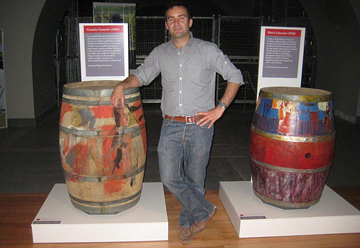
Julio Viola with painted barrels

Then to dinner in NQN’s restaurant. First a glass of Del Fin del Mundo Brut Natur (100% Pinot Noir – deep pink colour), then we tucked into trout empanadas with Del Fin del Mundo Chardonnay Reserve 2011. For the rolled shoulder of lamb that followed we tasted Del Fin del Mundo Malbec 2009 and NQN Universo Malbec 2009. With the pear crumble, Cosecha de Mayo Late Harvest Semillon 2011. Then Julio drove me back to my hotel.
Saturday, October 27: Maria José picked me up at 10 am to drive to Humberto Canale in the Rio Negro region, about 45 minutes’ drive east of Neuquén. On the way we stopped into a small shop that sells apple and pear sweet products. At the winery Guillermo Barzi, the president of the company and the fourth generation of the family-owned business, gave me one-on-one seminar on the geography, history and topography of not only the Rio Negro but of all Patagonia and the other Argentinian wine regions. This is the oldest winery in Patagonia, dating back to 1909. The property is like a little village with Spanish haciendas. The family is also in the orchard business.

Guillermo Barzi in the desert

Humberto Canale’s original delivery truck

After a tour of the winery with its cement tanks and ancient vats (“for the tourists”) we went into the tasting room.
- Humberto Canale Black River Torrontés 2012: light straw colour; spicy, peach; not as fragrant as other Torrontés, more Viognier-like in style; honeysuckle and peach flavours; soft on the palate with lively acidity. (89)
- Humberto Canale Sauvignon Blanc 2012: pale straw colour; grassy, sweaty nose; slight spritz, grassy, gooseberry and green bean flavours; medium bodied, fresh and mouth-watering. (88)
- Humberto Canale Semillon 2010: light straw colour; quince with a mineral, lanolin note; dry, pear and quince flavours; medium-bodied, good length with citrus acidity. (88)
- Humberto Canale Pinot Noir 2011: light ruby colour; rust, raspberry nose; dry, candied raspberry flavour; medium-bodied, firmly structured, Burgundian style, ripe tannins. Good value. (88)
- Humberto Canale Old Vineyard Pinot Noir (La Isabel) 2010 (from vines planted in 1969 planted by the French): tawny ruby colour; earthy, beetroot and raspberry nose; spicy, raspberry flavour with vanilla oak notes; medium-bodied, elegant, dry, lovely mouth feel with a seamless harmony between fruit, acidity, alcohol and oak. (91)
- Humberto Canale Black River Malbec 2012: deep ruby colour; earthy, blackberry nose with a suggestion of oak; dry, blackberry and plum flavours. Firmly structured, medium-bodied with discernible but soft tannins. Good value. (87)
- Humberto Canale Estate Malbec 2011: dense purple-ruby; vanilla, sandalwood blackberry; creamy blackberry flavour, round on the palate; medium-bodied, with a clove note. Easy drinking with soft tannins. Good value. (88)
- Humberto Canale Malbec Gran Reserva 2010: deep ruby-purple colour; spicy, blackberry and vanilla oak nose; medium-bodied, juicy blackberry fruit with well integrated oak; dry, elegant, well balanced with good length. Very stylish with ripe tannins. (90)
- Humberto Canale Merlot Gran Reserve 2009 (50-year-old vines): cedar, vanilla oak, blueberry and blackberry nose; ripe blackcurrant and raspberry flavours, lovely mouth feel, firm texture; seamless, medium to full-bodied, very elegant with sweet fruit flavours and supple tannins. (92)

A delicious Pinot Noir

Guillermo drove me into the desert and from a mesa we looked down on the swath of green in the valley with its orchards and vineyards along the Rio Negro. He showed me the alpataco bushes that grow in these desert conditions all the way down to Terra del Fuego. On our return we had lunch in Guillermo’s house with his wife Inés.
On the way back to Neuquén, Maria José asked me if I would like to see the Limay River. She said I could walk back to the hotel from there. The river was beautiful; people were kayaking and having a great time in the sun. The walk, however, turned out to be some three miles.

Kayaking on the Rio Negro

Maria José and her husband picked me up at 8:30 pm to drive me to the bus station in the neighbouring town of Cipolletti, where I am to catch the overnight luxury bus to Mendoza – a trip of 10 hours. I have a seat that reclines back to a prone position, a video screen and a curtain I can pull. As soon as we depart at 9:30 pm the steward hands out bingo cards and a small plastic piece to pierce the numbers once they have been called. Since I don’t speak Spanish this is of no use to me so I give my card to a woman across the aisle. But it does her no good because another woman in the back yells bingo after an interminable time of calling out numbers and is rewarded with a bottle what looks like Norton Cabernet Sauvignon (who advertise on the video monitor). They serve us an airline-style meal with a glass or two of the Norton Cab. I settled down to sleep at 11:30 pm and must have dozed off although by 6 am it felt as if I had been awake the whole night.
Sunday, October 28: We arrived at the Mendoza bus station at 7:30 am and I looked around for the person who was meant to meet me. I had his phone number but no-one in the bus station seemed to speak English so at 8 am I took a taxi to the Diplomatic Hotel. I showered and shaved and slept for 90 minutes.

Maria Laura Ortiz, sommelier extraordinaire

At 12:30 I met the hotel’s sommelier, Laura Ortiz, who accompanied me to lunch at Maria Antonieta restaurant a few steps from the hotel. Laura, it turns out, is much more than a sommelier. She is a statistical economist, a cook and she runs three businesses – one of which is the production of infused olive oils, wine sauces and aromas. We ordered a grilled zucchini salad with hazel nuts and shaved parmesan, with which we drank Giuseppe Franceschini Bacán Sauvignon Blanc Reserva 2011 (unlike any Argentinian Sauvignon I have tasted – crisply dry, grassy green plum flavour; fresh and lively and round on the palate (88)). With the rib eye steak to follow (I’ve never eaten so much steak in my life) we had a bottle of Zuccardi Series A Malbec 2010 (dense purple colour; a nose of vanilla oak, blackberry and spices; fruity blackberry with a rose petal flavour; dry, full in the mouth, juicy with a meatiness on the finish (90)). There was no salt and I had to ask for some. For me there are four food groups – salt, fat, alcohol and chocolate – and for a balanced diet you should have them at every meal.

Trees in Mendoza

After lunch, back to the hotel to write up my notes and wait for a tasting at the nearby Executive Hotel. I was escorted over by Laura’s assistant sommelier José, who styles himself as “a flying sommelier.” The tasting took place on the 17th floor. Laura showed me a video presentation of the wines of Argentina and then we settled down to taste the following wines:
- Caelum Chardonnay 2011: straw colour; apple with an oak spice note on the nose; round and full on the palate with good acidity and citrus finish. Very fresh and lively on the palate. (89)
- Caelum Malbec 2010: dense ruby-purple colour; high toned, spicy plum with a floral note on the nose; rich almost fruit cake like flavour; full-bodied with well integrated oak and soft tannins. Just a hint of oxidation in the prune-like mid-palate flavour. (88)
- Caelum Cabernet Sauvignon 2010: dense purple colour; cedar, blackcurrant with vanilla oak on the nose; richly extracted, sweet blackcurrant and chocolate flavour, supple and pliant on the palate; ripe tannins sufficient to give structure to the final taste. (91)
- De Angeles Viña 1924 Malbec Single Vineyard 2009 (Mendoza Vistalba): deep ruby; leather, blackberry nose with a barnyard note; rich and full on the palate, caressing mouth feel; plum, date and chocolate flavours, almost port-like; big, fleshy but muscular. (92)
- De Angeles Viña 1924 Gran Malbec Single Vineyard 2009: dense ruby colour; leather, blackberry, spicy oak with a floral grace note on the nose; full-bodied and powerful, chunky mouth feel, chocolate and plum flavours with more evident tannins. Mouth-filling and fruit cake-like. (91+)
- De Angeles Viña 1924 Gran Cabernet Sauvignon Single Vineyard 2011: dense ruby-black; high-toned, coffee bean, cedar and blackcurrant nose; richly extracted, blackberry and blackcurrant flavours with vanilla oak spice and cocoa-like tannins; full-bodied and fruit forward. (90)
- Benegas Juan Benegas Malbec 2010: deep ruby colour; cedary, blackberry nose with a touch of oak on the nose; full-bodied, richly extracted, grainy tannins with a dry, dark chocolate flavour enhanced by a savoury, herbal note. (89)
- Benegas Estate Malbec 2010: deep ruby colour; leather, pencil lead, spicy, floral nose; elegant, spicy, lovely fruit flavours, well structured. Tannins a little awkward at the moment. Not quite together yet but a year or two in bottle will make this a terrific wine. (90+)
- Benegas Lynch Libertad Vineyards Meritage 2007 (50% Cabernet Sauvignon, 30% Cabernet Franc, 15% Merlot, 5% Petit Verdot): deep ruby; smoky, tarry, spicy, pencil lead and plum notes on the nose; sweet fruit, full-bodied and firm with a smoky, toasty oak finish. (90)
- Finca El Origen Reserva Chardonnay 2011: light straw colour; light oak note with pineapple and pear on the nose; medium to full-bodied, dry but expressive pear and pineapple flavours with good length. Well made. (90)
- Finca El Origen Reserva Malbec 2011: dense purple-ruby colour; cedar, blackberry nose; clean fruit flavour of crushed blackberries, firmly structured and full on the palate; elegant, fruity and satisfying with a firm tannic finish. Great value. (89)
- Finca El Origen Gran Reserva Malbec 2010 (3% Bonarda, 2% Cabernet Sauvignon): dense ruby-purple colour; dense purple-ruby; vanilla, spicy, blackberry nose; full on the palate, fruity but firm with evident tannins; sweet fruit corseted by tannins. Needs 2–3 years. (90+)
- Finca La Chamiza La Chamiza Polo Professional Cabernet Sauvignon Reserve 2011 (100% Cabernet Sauvignon): dense ruby colour; inky, cedar and blackcurrant nose; sweet fruit with minty note but acidity takes over rendering the wine short on the finish with a green tannic edge. (86)
- Finca La Chamiza Legend of Polo Malbec Winemaker’s Selection 2010: dense purple colour; cedar, red berry nose; firmly structured but lacking integration; blunt tannins on the finish. (86)
- Finca La Chamiza Martin Alsina Malbec 2008: dense purple colour; cedar, pencil lead, blackberry nose; full-bodied, fruit-driven, hefty and alcoholic, sweet plum and blackberry flavours with a sudden tannic hit. (88)
- Monte Quieto Quieto Malbec 2010: dense purple-ruby colour; herbal, cedar, blackberry nose; dry, blackcurrant with a savoury, herbal note; medium to full-bodied, firmly structured with a drying tannic finish. (87)
- Monte Quieto Quieto 2008 (40% Cabernet Franc, 40% Malbec, 10% Syrah, 10% Cabernet Sauvignon): deep ruby colour; smoky, cedar, savoury, herbal, black fruit nose – the Syrah sings through; sweet fruit flavour which belies the nose; full-bodied, fruit-driven, sturdy on the palate with a firm tannic finish. (89)
- Monte Quieto Quieto Reserva 2008 (45% Cabernet Franc, 40% Malbec, 15% Cabernet Sauvignon): The only bottle – corked.
- Bacán Reserve Malbec 2008: dense purple-ruby colour; earthy, blackberry, caraway seed nose with a light floral note; concentrated, sweet blackberry, full-bodied, fruit driven with enough tannin to rein in the fruit; chunky and full on the palate. Needs 2–3 years. (91+)
Monday, October 29: My first visit is to Dominio del Plata. Susana Balbo, the winemaker here, was the first Argentinian woman to be certified as an oenologist. Cecile Terrien conducted the tasting.
- Dominio del Plata Crios Zohar Fiano 2012: pale straw colour; minerally, citrus; dry, medium-bodied, white peach and citrus flavours, lively acidity, clean and fresh. (88)
- Dominio del Plata Crios Torrontés 2012: straw colour; honeysuckle, Meyer lemon nose; fragrant, Muscat-like flavour; medium-bodied, good mouth feel and lingering flavour. (89)
- Dominio del Plata Crios Chardonnay 2012: straw colour; apple, spicy nose; medium-bodied, sweet fruit with a lifted note. (87)
- BenMarco Torrontés 2012: pale straw colour; spicy, oaky, fragrant, peach nose; honeysuckle and orange and lemon flavours, persistent on the palate with a vanilla oak note; full-bodied and mouth-filling. (89)
- Dominio del Plata Crios Malbec 2011 (5% Bonarda): deep ruby-purple colour; earthy, black cherry with a touch of vanilla oak; sweet fruit, Kirsch flavour, finishing dry, firm tannic finish. Full-bodied. (87)
- Dominio del Plata Crios Tannat 2010: deep ruby colour; savoury, sour cherry nose; plum and cherry flavours, dry and firm with ripe tannins. (88+)
- BenMarco Malbec 2009 (8% Bonarda): dense ruby; creamy, blackberry, pencil lead and sandalwood on the nose; richly extracted, full on the palate with a minty note on the finish. (89)
- Susana Balbo Malbec 2011 (10% Cabernet Sauvignon): dense purple colour; toasty, tobacco, blackberry and vanilla oak with a floral grace note; richly extracted, sweet blackberry and black cherry fruit with a note of roasted herbs. Full-bodied and muscular. (90)
- BenMarco Cabernet Sauvignon 2011 (5% Merlot, 5% Cabernet Franc): deep ruby colour; dry, savoury, herbal, blackcurrant nose; sweeter on the palate than the nose suggests, elegant yet firm with evident but ripe tannins; carries its 14% alcohol well. (89)
- Susana Balbo Cabernet Sauvignon 2011 (10% Malbec): deep ruby colour; cedar, floral, black fruit nose; very elegant, and seamless; firmly structured good length; fills the mouth but not heavy in spite of 14.5% alcohol. (90)
- BenMarco Expresivo 2009 (50% Malbec, 20% Cabernet Sauvignon, 15% Syrah, 10% Tannat, 5% Petit Verdot): dense purple-ruby colour; floral, cedar, dried herbs and licorice nose; sweet and savoury flavours of spicy black fruits, firmly structured. (90)
- Susana Balbo 2006 (Cabernet Sauvignon 75%, Malbec 10%, Merlot 5%, Cabernet Franc 5%, Petit Verdot 5%): deep ruby colour; earthy, blackcurrant nose with a hint of cedar; sweet blackcurrant, full on the palate, tannic finish – a little hard on the finish from acidification? (89)
- Susana Balbo Late Harvest Torrontés 2010: straw with a greenish tint; honey and honeysuckle, fragrant peach; sweet, honeyed peach, unctuous with a touch of bitterness on the finish. (89)
- Susana Balbo Late Harvest Malbec 2009: dense purple-black colour; porty, pencil lead, blackberry; sweet, jammy blueberry and chocolate flavours, firm with some bitterness on the finish. (89)
Drive to Terrazas de los Andes, a LVMH property, a few minutes away. The property was built in 1889. Tasted with Hervé Birnie-Scott, the Estate Director (originally from the Loire Valley), and the co-ordinator of winemaking, Gonzalo Carrasco.
- Terrazas de los Andes Torrontés Reserva 2012 (grapes from Salta at 1800 metres): pale straw with a green tint; spicy, fragrant, honeysuckle, rose petal nose; lovely mouth feel, full on the palate but elegant and fresh with lively acidity. Very Alsace Muscat in style. (90)
- Terrazas de los Andes Malbec Reserva 2010: dense purple-black colour; black cherry, vanilla oak, cedar note; richly extracted, full-bodied, juicy sweet blackberry, fruity and firm with a dark chocolate finish with good acidity. (90+)
- Terrazas de los Andes Single Vineyard Los Aromos Cabernet Sauvignon 2008: dense purple-black colour; cedar, blackcurrant nose with a sappy note; elegant, fruity blackcurrant, firmly structured with a fine spice of acidity. (90)
- Cheval des Andes 2007 (Malbec 42%, Cabernet Sauvignon 53%, Merlot and Petit Verdot): violets, blackberry, blackcurrant, vanilla oak nose; elegant, seamless, Argentina meets St. Emilion, firmly structured, lovely mouth feel, powerful but great finesse. (93) This wine is a co-production with Château Cheval Blanc.

Cheval Blanc meets Argentina
Two other wineries have each brought their wines here for me to taste and then we’ll all have lunch together.
Nieto Senetier is located in Vistalba. Founder by Italian and Spanish families, they produce 1.5 million cases and tell me they are “the leader in Bonarda in Argentina.” They say they are going back to fermentation in 8000-litre concrete tanks, a familiar theme I’m hearing here.
- Nieto Senetiner Malbec Reserva 2011: dense purple-black colour; malty, blackberry, spicy, cedar, fruit-driven backed by a light oak note; full-bodied, sweet fruit with a firm structure. Warm alcoholic finish. (89)
- Nieto Senetiner Malbec Petit Verdot Reserva 2010 (40% Petit Verdot): dense purple-black colour; vanilla oak, creamy, black fruits; full-bodied, fruity, full on the palate, more rustic, firm structured. Good mouth feel. (89+)
- Nieto Senetiner Don Nicanor Malbec 2010 (grown at 1200 metres): dense purple-black; violets, vanilla oak, blackberry nose; full-bodied, firmly structured, earthy tannins, sweet blackberry fruit, with a lively acidic spine and serious tannins. (90)
Séptima is owned by Cordorníu, started in 1999. Paula Borgo is the winemaker. A 300,000-case winery.
- Séptima Malbec 2011: dense ruby colour; plum and black cherry nose; simples, easy drinking dry, medium-bodied with a firm tannic finish. (87)
- Séptima Dia Malbec 2010: dense purple-black colour; violets, black fruit nose; firmly structured, fruity with lively acidity, medium-bodied, juicy fruit with a tannic finish, spicy. Needs time. (88+)
- Séptima Gran Reserva 2009 (55% Malbec, 30% Cabernet Sauvignon, 15% Tannat): dense purple-black colour; light floral note, blackberry nose with a delicate oak note; dry, earthy, rustic and tannic; tannins covering juicy fruit and tobacco notes at the moment. Lively acidity. Needs time. (89+)
At lunch we taste Séptima Chardonnay Reserva 2003 to prove that Argentinian whites can age. (Straw colour with a spicy, pineapple nose, full-bodied fresh and lively with vibrant acidity. Very Russian River in style (90)). The first course is white fish tempura style, phyllo pastry and dried fruits and ginger and pineapple soup.
With filet steak, potato-wrapped veal and smoked vegetables we have Séptima Single Vineyard Malbec 2002 (dense ruby-purple colour; mature nose of blackberry, spicy oak; full-bodied, malty, savoury, black olive flavour. (91)). Dessert – choux pastry filled with lemon cream, passion fruit caviar with coconut and pineapple foam, served with Terrazas de los Andes Afincado Tardo Petit Marseng 2010 (rich pineapple and melon flavours, semi-sweet (89)).
My next stop is Lagarde in Luán de Cuyo. A winery founded in 1897, now producing 1.2 million litres, 80% red, 20% white. Sebastián Barboza, the area manager, tells me they were the first to plant Viognier in South America.
- Lagarde Altas Cumbres Torontes 2012 (Salta): light straw colour; spicy, honeysuckle nose; dry, elegant, racy acidity, fresh and lively on the palate with orange and rose petal flavours. Firm finish. (89)
- Lagarde Viognier 2012: light straw colour; spicy, aromatic, peach with racy acidity; white peach, orange and grapefruit flavours. (88)
- Lagarde Altas Cumbres Malbec 2011: deep ruby colour; smoky, black fruits, with an earthy note on the nose; sweet black cherry and plum flavours with lively acidity; medium to full-bodied. (86)
- Lagarde Malbec 2011: deep ruby colour; smoky, blackberry nose; sweet, juicy blackberry fruit with lively acidity. Medium to full-bodied with ripe tannins. (87)
- Lagarde Cabernet Sauvignon 2011: deep ruby colour; cedar, red and blackcurrant nose; medium-bodied, juicy fruit with a sandalwood note from the American oak; lively acidity. Herbaceous note on the finish. (87)
- Lagarde Single Vineyard Cabernet Franc 2010: deep ruby colour; cedar, red berry nose; ripe redcurrant flavour, firmly structured, medium-bodied, ripe tannins with lively acidity. (88)
- Lagarde Primeras Viñas Malbec 2010 (106-year-old vines): dense purple colour; vanilla oak, blackberry, creamy with a pencil lead note on the nose and a floral grace note; full-bodied, dry, fruity with driving acidity; firmly structured with a tannic lift on the finish. (90)
- Lagarde Henry Gran Guarda No. 1 2008 (Cabernet Sauvignon, Malbec, Merlot, Petit Verdot, Cabernet Franc – 2 years in new French oak): dense ruby colour; cedar, blackcurrant, vanilla oak nose; richly extracted with racy acidity. Well made, firmly structured. Needs time to soften tannins. Doesn’t taste like a 14.6% alcohol wine. (90+)
Next stop: Alta Vista, which was founded originally in 1899 but revived in 1998. They produce 2 million bottles from 220 hectares of vines. The Winery is located in the heart of Chacras de Coria, 15 kilometres south of the city of Mendoza. Matthieu Grassin, the winemaker, led me through the tasting.
- Alta Vista Premium Torrontés 2012: very pale colour; intense floral, mineral nose; dry, aromatic, lovely orange and carnation flavours with racy acidity and touch of bitterness on the finish. (89)
- Alta Vista Premium Chardonnay 2011: pale straw colour; minerally, apple, with a touch of oak; lively acidity, lemony, apple and green pineapple flavours with vanilla oak, bracing acidity. (89)
- Alta Vista Rosé 2012 (Malbec): pale ruby, like Clairette; cherry pit nose; dry, sour cherry flavour, fruity, lively acidity; firm finish. Using carbonic maceration. (87)
- Alta Vista Premium Bonarda 2010: dense ruby colour; earthy, minerally, black berry; oaky, dry, under-ripe blackberry, chunky mouth feel and high alcohol. (86)
- Alta Vista Premium Malbec 2011: dense purple-ruby; leather, blackberry with some oak on the nose; dry, blackberry, bitter chocolate flavours with a lively acidic spine, powerful with a peppery note; firm structure. (88)
- Alta Vista Premium Cabernet Sauvignon 2011: deep ruby colour; cedar, blackcurrant nose with a touch of oak; ripe blackcurrant and elderberry flavours, backed by vanilla oak; firm structure, good grip. Medium to full-bodied. Needs time. (88)
- Alta Vista Atemporal 2010 (Malbec, Cabernet Sauvignon, Petit Verdot): dense ruby colour; cedar, blackcurrant with a spicy note on the nose; elegant, well balanced flavours of blackcurrant and vanilla oak; firmly structured, dark chocolate note. Medium to full-bodied. (89)
- Alta Vista Terroir Selection Malbec 2008: dense ruby colour; cedar, blackberry, floral note, evident oak; sweet spicy blackberry fruit; full-bodied, firmly structured, earthy tannins with good acidity. Should improve with time in bottle. (87)
- Alta Vista Single Vineyard Temis Malbec 2010 (Uco Valley): dense purple colour; cedar, blackberry, vanilla oak nose; ripe blackberry fruit, juicy and lively on the palate finishing firmly. Powerful, full-bodied and dramatic. 15.2% alcohol. (90)
- Alta Vista Single Vineyard Serenade Malbec 2010: (Agrelo) dense purple; rich blackberry and warm earth nose; richly extracted fruit, full-bodied, nicely balanced acidity with mocha flavours on the finish. More feminine in character than Temis and nicely balanced. (91)
- Alta Vista Single Vineyard Alizarine Malbec 2010: dense colour-black colour; vanilla oak, peppery blackberry nose; richly extracted, full-bodied, muscular, firm and concentrated; a wine to cellar. (92)
- Alta Vista Alto 2009 (Malbec 80%, Cabernet Sauvignon 20%): dense purple colour; cedar, blackberry plum and blackcurrant nose with vanilla oak; richly extracted, full in the mouth, seamless in the mouth; full-bodied with black fruit and dark chocolate flavours; great length. (92+)

One of my favourite wines
Dinner at Azafran, around the corner from the hotel. A tasting in the wine cellar where diners come in to choose the wine for their meal. Rodrigo Valdes, winemaker of Bodegas Valentin Bianchi, leads me through the following wines:
- Familia Bianchi Chardonnay 2011: medium straw colour; spicy, apple with a touch of oak; sweet apple and pineapple flavours; mouth-filling with spicy oak, full-bodied, soft mouth feel. (89)
- Passion Malbec 2012: deep ruby; minerally, red berry nose; sweet red berry fruit, simple and easy drinking, fruit driven, dry with a firm, apple peel finish. Full on the palate with decent length. Good value. (86)
- Familia Bianchi Cabernet Sauvignon 2009: deep ruby colour; cedar, vanilla oak, spicy black cherry; full-bodied, chunky mouth feel, earthy, blueberry and currant flavours; firm finish. (87)

Rodrigo Valdes in Azafran’s cellar
Then we dine in the restaurant with the opened bottles to accompany vichyssoise followed by grilled trout on a bed of squid ink risotto with calamari and shrimp. Delicious.
Tuesday, October 30: The first winery visit today is at 9:30 am to Finca Agostino. Carla Garraffa in their marketing department and winemaker José Pedro Gómez are my hosts. The winery is owned by the Agostino family, real estate magnates who live in Montreal. They have a built a stunning house on the property and have 200 hectares here, planting a further 100 hectares and have 50 hectares in the Uco Valley.
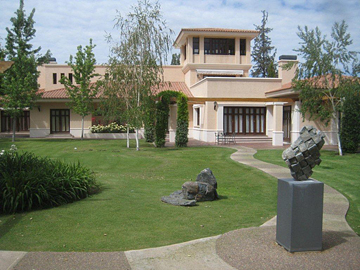
The Agostino brothers’ house
Uma Colección is their entry level label; next level of quality is Inicio, then Agostino. The top level is Familia.
- Agostino Familia Uma Colección Torrontés 2011: pale straw colour with a green note; rose petal, lychee note; off-dry with fresh acidity; medium to full-bodied. Good value. (88)
- Agostino Familia Inicio Torrontés 2011: deeper straw colour than the Uma Torrontés; more complex and minerally, delicately fragrant; round on the palate and expansive with floral, tangerine flavours. (89)
- Agostino Finca Chardonnay/Viognier 2010: golden straw colour; spicy, vanilla oak, apple; clove, apple and peach flavours; generous palate with a spicy oak finish. (89)
- Agostino Familia Uma Colección Shiraz 2012: deep ruby colour; vanilla oak, savoury, blackberry nose; medium-bodied, fruity, herbal with lively acidity. Simple but good value. (86+)
- Agostino Familia Inicio Malbec 2010: deep ruby colour; oaky, blackberry nose; dry, fruity with a fine strain of acidity; medium-bodied. (87)
- Agostino Finca Syrah/Malbec 2009: deep purple-ruby colour; blackberry, toasted herbs with a floral note on the nose; fruity blackberry flavour, dry and firm. (88)
- Agostino Familia A Familia 2008 (40% Malbec, 30% Petit Verdot, 15% Cabernet Sauvignon, 15% Syrah): deep ruby-purple colour; spicy, toasty nose of blackberry and plum; lovely mouth feel, velvety, well balanced with a fine spine of acidity and a firm finish. (90)
After the tasting the three of us sat in the garden and had a glass of Agostino Extra Brut (a delicious charmat process blend of Pinot Noir, Chardonnay and Chenin Blanc). Then on to Trapiche in Coquimbito, where Carla Castorina toured me around the huge facility that looks like a cross between a cathedral and an industrial complex.
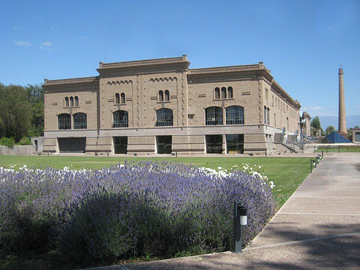
Trapiche’s winery

A llama in Trapiche’s olive grove


The roof of Trapiche’s tasting room
They have a sensational tasting room in the cellar, the roof of which is a glass pyramid that looks like a miniature Louvre. The natural light for tasting is perfect. Trapiche’s winemaker Daniel Pi led me through the following wines:
- Trapiche Broquel Chardonnay 2011: pale straw colour; minerally, spicy oak, apple and green pineapple flavours; medium-bodied, fresh and lively with a kiss of oak. (88)
- Trapiche Reserve Syrah 2011: deep purple colour; vanilla oak, blackberry nose; fruity, medium to full-bodied, nicely balanced. A good food wine with a fine mouth feel. Great value. (88)
- Trapiche Broquel Malbec 2010: deep ruby colour; floral, vanilla, black cherry nose; soft mouth feel, full on the palate with well integrated oak, fruity but structure with good length. Good value. (89)
- Trapiche Finca Las Palmas Malbec 2010: purple-ruby colour; cedar, vanilla oak, rose petal, black fruit notes; richly extracted, full on the palate, beautifully balanced and firm; creamy mouth feel with a tannic lift on the finish. (90)
- Trapiche Finca Las Palmas Cabernet Sauvignon 2007: deep ruby colour; cedar, blackcurrant, oak note, good intensity; medium- to full-bodied, sweet blackcurrant fruit, beautifully balanced and firmly structured with ripe tannins and a soft mouth feel. Good length. (91)
- Trapiche Terroir Series Malbec Finca Jorge Miralles 2009: dense purple colour; vanilla oak, black cherry nose; creamy black fruit flavours, full on the palate, well-structured with ripe tannins. A keeper. (90)
- Trapiche Terroir Series Malbec Finca Jorge Miralles 2008: similar taste profile to 2009 but with a stronger spine of acidity and more evident tannins. (89)
- Trapiche Terroir Series Malbec Finca Domingo F. Sarmiento 2009: deep ruby, inky colour; floral, black fruits with well integrated; very elegant, firmly structured with expressive black cherry and blackberry flavours; ripe tannins. Needs time. (90+)
- Trapiche Terroir Series Malbec Finca Suarez Lastra 2009: deep ruby with a violet notes; floral, elegant, black cherry and vanilla oak nose; beautifully integrated and seamless; firmly structured, very elegant but powerful. (91)
- Trapiche Iscay Syrah Viognier 2010: deep ruby colour; white pepper, blackberry, vanilla oak, well integrated with a floral grace note; ripe fruit, full in the mouth, sweet and spicy with a lead pencil note. A seamless wine. (93)
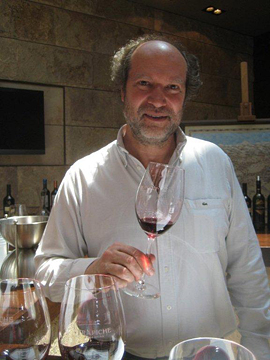
Daniel Pi, Trapiche’s wiemaker
The next tasting in Trapiche’s tasting room was three wines from Pascual Toso. In 1890 Pascual Toso, a Piemontese winemaker, established his first winery in San José, Guaymallén then at the turn of the century acquired vineyards in Maipú. Paul Hobbs was hired in 2011 to consult.
- Pascual Toso Malbec Limited Edition 2010: vanilla oak, cherry nose; firmly structured, dark chocolate and black fruit flavours, chunky tannins but good length. (87)
- Pascual Toso Cabernet Sauvignon Reserve 2010: deep ruby colour; cedar, currant nose; firm, sweet blackcurrant fruit, evident tannins. Will improve with bottle ageing since the fruit is there, the acidity and the tannins. (88+)
- Pascual Toso Alta Reserve Malbec 2009: deep ruby colour; intense nose of Kirsch, oak; full-bodied, sweet spicy black cherry and vanilla oak. Full-bodied, racy acidity and firm structure. (89)
Next winery into the tasting room was Furlotti, a fair trade winery, presented by Marc Weiss. The granddaughter of Angel Furlotti, the founder of the winery, is now a partner in the newly resurrected fair trade enterprise, Soluna Wines.
- Furlotti Soluna Premium Cabernet 2010 (20% Malbec): deep ruby colour; high toned nose of cedar and blackcurrant; sweet, spicy fruit, earthy, chunky mouth feel; firm tannic finish. (87)
- Furlotti Soluna Premium Malbec 2010: dense purple-ruby; cedar, black cherry nose; good mouth feel, expressive fruit, well balanced. Easy drinking with ripe tannins. (88)
- Furlotti Soluna Primus Malbec 2007: dense ruby-purple colour; vanilla oak, black cherry with a floral note; full-bodied, muscular, powerful, chunky mouth feel with an earthy vintage; well structured. (90)
After lunch we drove to Mendel Wines in Mayor Drummond, Lujan de Coyu. A boutique winery by Argentinian standards, it produces 12,000 cases. The Sielecki family, originally from Poland, bought the property in 2002 with Malbec vineyards that date back to 1928. The winery farms 45 hectares in three vineyards and was named in homage to the father, Mendel Sielecki. They store their bottles in the old concrete tanks.
- Mendel Semillon 2012: pale straw colour; white peach with a mineral note; citrus, white peach flavour; fresh and lively on the palate, good length. (87)
- Mendel Lunta by Mendel Malbec 2010: deep ruby colour; oaky, black cherry; firmly structured, earthy, fruity, dry, spicy black fruit flavours and tannic on the finish. Needs time. (88)
- Mendel Malbec 2010: dense purple-ruby colour; vanilla oak, spicy black cherry with a note of violets; richly extracted, plum and black cherry flavours; rustic, chunky mouth feel, lively acidity with a bitter chocolate flavour. Tannic finish. Needs time in the bottle. (89)
- Mendel Unus 2010 (70% Cabernet Sauvignon, 30% Malbec): dense purple-ruby; cedar, plum and cassis nose with vanilla oak; full-bodied, earthy, dry, tight and sinewy at the moment but should develop well with 3–4 years’ bottle age. (89+)
- Mendel Finca Remota 2009 (Uco Valley, 100% Malbec with 150% new French oak): dense purple-ruby colour; cedar, tobacco leaf, violets and black cherry nose; dry, full-bodied, youthful fruit, lively acidity; tight at the moment but promises well for the future. (90+)
The final tasting of the day was at Kaiken, a winery organized on feng shui principles by Aurelio Montes Jr. The winery was built 80 years ago and was purchased by Aurelio Montes Sr in 2001. The cement tanks have been reconstructed to lower capacities to ferment smaller volumes of wine. The winery has a 7-million-litre capacity and its main thrust is on Malbec and Cabernet Sauvignon.

Montes’s emblematic angel in Kaiken’s cellar

- Kaiken Sparkling Pinot Noir–Chardonnay 2010: pale straw colour; active mousse; white flowers, apple, citrus notes; creamy, dry, apple flavour. Good length. (88)
- Kaiken Ultra Chardonnay 2011 (first Chardonnay from Kaiken): straw colour; spicy oak, vanilla, apple nose; soft on the palate but maintaining good acidity; peach and apple flavours with good length; medium-bodied with good length. (88)
- Kaiken Torrontés Salta 2012: straw colour with a green tint; fragrant, Muscat-like nose; dry, carnation and orange flavours, dry, medium-bodied, very elegant and fresh. Great length. (89)
- Kaiken Malbec Rosé 2011: pale ruby colour; strawberry puree, citrus peel nose; mouth-filling , soft on the palate with strawberry and rhubarb flavours; good intensity of flavour. (88)
- Kaiken Malbec 2011: deep ruby colour; floral, cherry nose; fruity, soft, easy drinking with a smoky, toasty note with lively acidity. (87)
- Kaiken Cabernet Sauvignon 2011: deep ruby colour; cedar red and blackcurrant nose with a whisper of vanilla oak; medium-bodied, mouth-filling blackcurrant flavour; firmly structured with ripe tannins. (87+)
- Kaiken Terroir Series Corte Malbec 2010 (80% Malbec, 12% Bonarda, 8% Petit Verdot): dense purple-ruby colour; plum, spicy oak nose; ripe plum flavour, firm structure, earthy, cinnamon and ripe tannic finish. (87)
- Kaiken Terroir Series Corte Cabernet Sauvignon 2010 (80% Cabernet Sauvignon, 12% Malbec, 8% Petit Verdot): deep ruby colour; cedar, blackcurrant, light oak note; medium-bodied, firmly structured, ripe tannins. (88)
- Kaiken Ultra Malbec 2010 (4% Cabernet Sauvignon): deep ruby colour; spicy, plum nose; richly extracted, sweet plum and black cherry flavours with well integrated oak; soft tannins. (88+)
- Kaiken Ultra Cabernet 2010 (5% Malbec): deep ruby colour; cedar, blackcurrant nose; sweet blackcurrant, soft mouth feel, full-bodied, pliant tannins, good length in the mouth. Hold 2–3 years. (89)
- Kaiken Ultra Cabernet 2004 (7% Malbec): holding a deep ruby colour; developing mature notes, of leather and balsamic, spicy red berry fruit nose; round and soft on the palate, sweet fruit with coffee and chocolate notes. Ripe tannins. (90)
- Kaiken Mai Malbec 2008: dense, glass-staining purple-black colour; cedar, black fruits on the nose; with vanilla oak; full-bodied, powerful, firmly structured, pencil lead and blackberry flavours; tight and muscular with dark chocolate and black fruits. Ripe tannins but needs cellar time (3–4 years). (92)

Kaiken’s top Malbec
Back in Mendoza I had dinner alone at Francesco Ristorante a few blocks from the hotel. After all the beef I’ve eaten a plate of pasta sounded good. I ordered pappardelle in a cream and mushroom sauce with a glass of Malbec.
Wednesday, October 31: A magnificent view of the Andes in sunshine as we drive south to the Tunuyan Valley for a visit to Clos Los Siete. “Siete” refers to the seven Bordeaux château owners who are partners in this collective enterprise led by Michel Rolland. And it is literally a clos of 850 hectares spectacularly set in the foothills of the Andes, rather like an upscale gated community for the very wealthy. The five wineries that grow grapes for the brand supply at least 40% of their tonnage for the production of the Clos de Los Siete label.

Entrance to Clos de los Siete

My visit is to DiamAndes, which is owned by the Belgian Bonnie family, who also own Château Malartic-Lagravière. DiamAndes is a nice pun; the company logo is a diamond. A huge aluminum diamond sculpture is the centrepiece of this ultra-modern 13,400-square-metre winery constructed from 16,000 cubic metres of concrete.
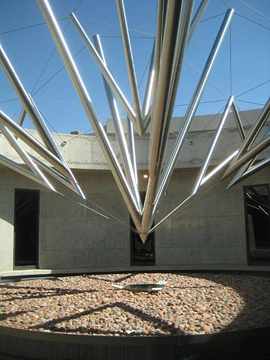
DiamAndes’ diamond sculpture
DiamAndes’ share of the total vineyard is 130 hectares. In a tasting room that looks out over the vineyard to the mountains I taste wines each from DiamAndes, Clos de Los Siete, Salentein, O. Fournier and Familia Zuccardi.
- DiamAndes de Uco Viognier 2011: pale straw colour; delicate floral nose it a scent of oak; rich and round on the palate with a peach flavour with balancing acidity; lovely mouth feel, full-bodied and fleshy. Very elegant. (91)
- DiamAndes de Uco Malbec 2010 (90% Malbec, 5% Cabernet Sauvignon, 3% Syrah, 2% Petit Verdot): dense purple-ruby colour; vibrant black cherry nose, toasty oak nose; richly extracted cherry and plum flavours, full-bodied, floral , dark chocolate, rich and expressive. Evident tannins, a good wine to cellar. (91+)
- DiamAndes de Uco Gran Reserva 2008 (75% Malbec, 25% Cabernet Sauvignon): dense purple-black colour; Christmas cake nose with a floral note; full-bodied, firmly structured, lovely mouth feel; still youthful with grainy tannins. A real keeper. (92+)
- Clos de los Siete 2009 (a blend of all partners’ wines: 57% Malbec, 15% Merlot, 15% Cabernet Sauvignon, 10% Syrah, 3% Petit Verdot): deep purple-ruby colour; cedar, black cherry, blackcurrant nose with floral and vanilla oak notes; full-bodied, sweet , juicy fruit with lively acidity and a dark chocolate finish (90).
Next winery: Salentein, a cruciform winery with an amazing circular barrel cellar, owned by a Dutch car magnate. It’s located on a 2000-hectare estate in the Uco Valley, around 700 hectares of which are under vine. The three vineyards are between 1100 to 1700 metres. Michel Rolland also consults here.
- Salentein Portillo Malbec 2011: dense purple colour; violets, black cherry nose backed by a gentle touch of oak; floral, fruity, soft mouth feel, with fresh acidity, medium-bodied, perfumed, easy drinking, fruit-forward. Good value. (88)
- Salentein Reserve Malbec 2010: dense purple colour; violets, black cherry nose with a vanilla oak note; elegant, medium-bodied, firmly structured, fruit and juicy; soft mouth feel, carries its 14.5% alcohol very well. (90)
- Salentein Numina Gran Corte 2010 (65% Malbec, 14% Cabernet Sauvignon, 8% Merlot, 8% Petit Verdot, 5% Cabernet Franc): dense purple colour; cedar, blackcurrant, dark chocolate nose with vanilla oak notes; richly extracted, sweet black cherry and currant flavours; lovely mouth feel, layered and complex with staying power. Firm tannic finish. (92)

Salentein’s great red blend
Next came O. Fournier, a 263-hectare estate planted to Tempranillo, Cabernet Sauvignon and Syrah.
O. Fournier belongs to a Spanish family who operate wineries in Chile and Spain. It was the first winery in Uco Valley (2011). They sell small portions of the vineyard to hobbyist winemakers in 1.5–3 hectare plots. The winemaker Romiro Balliro showed me the wines.
- O. Fournier Urban Malbec-Tempranillo 2011: deep ruby colour; black cherry, strawberry with a note of rust; sweet fruit, medium-bodied, black cherry and tobacco and toast flavours with a firm finish. (87)
- O. Fournier B Crux 2008 (60% Tempranillo, 30% Malbec, 10% Merlot): dense purple colour; leather, cedar, red berry nose; richly extracted, sweet black cherry flavour back by firm tannins; full-bodied and mouth-filling, chunky on the palate with earthy tannins. Needs time. (88)
- O. Fournier Alfa Crux 2006 (75% Tempranillo, 25% Malbec): dense ruby-black colour; leather, savoury, herbal nose of plums; dry, elegant, sweet strawberry and toasty oak flavours with a bitter, dry finish. (89)
Finally, before lunch I tasted the wines of Familia Zuccardi. The company was started in 1963 by Alberto Zuccardi, a civil engineer with a 5-hectare vineyard that he used to demonstrate his new irrigation system. Now that company has vineyards in six regions totalling 1000 hectares. They buy in 40% of their grape needs thanks to the success of their Fuzion brand. Sebastián Zuccardi, Alberto’s grandson, is now in charge of the family vineyards and he led me through the following wines:
- Familia Zuccardi Emma Zuccardi Bonarda 2011: dense purple-black colour; minerally, cherry pit nose with light oak note; rustic, dry, full on the palate, initial sweetness gives way to fresh acidity and a grainy, toasty, tannic finish. Nicely balanced. (89)
- Familia Zuccardi Aluvional La Consulta Malbec 2009: dense purple colour; floral, black cherry nose, minerally, tobacco notes; sweet, jammy plum fruit, chocolate note; full-bodied, firmly structured with ripe, grainy tannins. Good length. (90)
- Familia Zuccardi Aluvional El Peral Malbec 2009 (planted in 1917): dense purple colour; elegant, cherry and vanilla oak nose; lovely mouth feel, sweet fruit, cherry and tobacco flavours; firmly structured with lively acidity. Well balanced with an engaging floral note on the end taste. (91)

Sebastian Zuccardi
After lunch we drove to Masi’s estate in Tupungato. In true Veneto fashion Sandro Boscaini has planted the only Corvina in Argentina in the 100-hectare vineyard and this, like his Amarones back home, is put through appassimento. So too is the Pinot Grigio for Passo Blanco.
- Masi Tupungato Passo Blanco 2012 (the first appassimento Pinot Grigio + Torrontés): straw colour; aromatic, peach nose; dry, fragrant, spicy, orange, honey and peach flavours; minerally note, medium-bodied with lively, mouth-freshening acidity. (88)
- Masi Tupungato Passo Doble 2010 (70% Malbec with 30% Corvina given appassimento treatment for 20–25 days): deep ruby colour; savoury, cherry, pencil lead nose; ripe cherry and raisin flavours, full on the palate, velvety mouth feel carried on fresh acidity. Full-bodied with ripe tannins and a bitter chocolate finish. (89)
- Masi Tupungato Corbec 2009 (70% Corvina, 30% Malbec, both through appassimento): dense ruby colour; spicy, raisiny, dried cherry nose with a touch of oak; sweet fruit, full-bodied, ripe plum flavour, soft mouth feel, Amarone-style. Well balanced and lingering. (90)
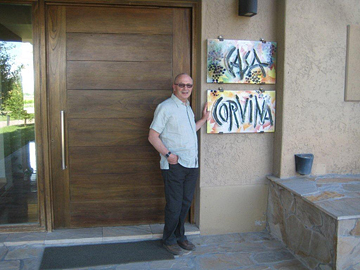
Tony at Masi’s Casa Corvina in Tupungato
A long drive back to Mendoza. Dinner tasting at Siete Coscinas Restaurant with Kendall Johnson (whom I had met many years ago in San Francisco when she was in charge of tastings with the Appellation America website). Kendall now represents Altos Las Hormigas. The company was founded in 1995 by Antonio Morescalchi and Alberto Antonini. They grow only Malbec. Just under 100,000 cases.
- Altos Las Hormigas Malbec Terroir 2010: dense purple colour with a violet rim; peppery cherry nose; fruity and full on the palate with black cherry and licorice notes; firmly structured with well integrated oak. Ripe tannins. (89)
- Altos Las Hormigas Malbec Reserve 2009: dense purple colour that stains the glass; spicy, creamy oak, cherry and pencil lead notes on the nose with a floral top note; a real sense of terroir; medium to full-bodied, cherry and graphite flavours with lively, fresh acidity. (90)
- Altos Las Hormigas Malbec Single Vineyard Vista Flores 2007: dense purple-black colour; spicy, pencil lead, black cherry and dark chocolate notes on the nose with vanilla oak; richly extracted, licorice and black fruit flavours with a bitter chocolate; mouth-filling, chunky on the palate, muscular but shapely with ripe tannins. Needs time. (92)
Before dinner I tasted the wines of Doña Paula, whose first vintage was 1999 in Lujan de Coyu. The winery owns three vineyards in the Uco Valley and one in Lujan de Coyu. Edgardo (Edy) del Popolo, vineyard and winemaking director, led me through the wines:
- Doña Paula Estate Sauvignon Blanc 2012: pale straw colour; intense, grassy, struck flint, nettle, green apple nose; medium-bodied, tart, lively acidity, grapefruit, green apple and gooseberry flavours. Great length. (90)
- Doña Paula Cabernet Sauvignon 2011 (with a touch of Malbec): dense purple-ruby colour; spicy, malty, cassis on the nose; richly extracted, sweet black and redcurrant flavours with a coffee bean and dark chocolate notes; powerful and fleshy, Rubenesque with defining acidity. (91)
- Doña Paula Malbec Selección de Bodega 2008 (multi-regional blend): dense purple that stains the glass; earthy, minerally, savoury, herbal, blackberry, black olive (very Northern Rhône Syrah!) on the nose; spicy, licorice and blackberry flavours; full-bodied, muscular and savoury with soft, caressing tannins. (92)
Then the three of us had dinner in the restaurant’s cellar where we had been tasting. With a plate of sweetbreads we tasted Doña Paula Chardonnay Estate 2011 (straw colour; vanilla oak nose, minerally with tropical fruit and citrus notes; full-bodied, peachy flavour but light on the palate, crisp and spicy with a lively acidic spine (89)).
With my plate of rabbit I tasted Hormigas Colonia Las Liebras Bonarda 2011 (dense purple colour; earthy, floral, fruit plum nose; easy drinking, soft on the palate with a bitter chocolate finish. (88)).
Thursday, November 1: Packed for home. At 9 am a meeting in the Diplomatic Hotel with Soledad Juncosa, Wines of Argentina’s Hospitality Manager, and her assistant Raquel Correa. Then to Mendoza airport to fly to Buenos Aires. This airport must be the only one in the world with its own 3-hectare vineyard – naturally planted to Malbec. Apparently, Estancia Argentina produces a wine from these grapes called Destino that is not for sale but is poured at an annual harvest festival.

Don Julio restaurant, Buenos Aires

I am met at Buenos Aires airport by my faithful driver, who drives to to Don Julio restaurant (Guatemala 4699) for lunch. Every surface here is covered with empty wine bottles signed by patrons. I asked for a glass of red wine and the server brought an open bottle of De Angeles Malbec 2009. She poured me a sample and it was delicious. Started with a meat empanada and then my final steak in Argentina – a huge sirloin. It was a Pyrrhic victory for the steak – it and its ally (a mountain of French fries) was decimated but I couldn’t finish it. But managed to tuck into a slice of white chocolate cheesecake with passion fruit sauce, the best dessert I had on this trip. Finally to the airport for the flight to Newark.
Friday, November 2: Arrived Newark at 7 am and made it through the huge immigration line 45 minutes later. Arrived back in Toronto at 11 am to 3 degrees and the suggestion of snow in the air.
Things I’ve learnt about Argentina:
- There are 1341 wineries in Argentina; 1200 of them are in Mendoza, which produces 71% of the wine.
- There are 230,000 hectares of vines in Argentina, 32,000 of which are Malbec; next in importance, 20,000 hectares of Bonarda, 18,500 Cabernet Sauvignon.
- In the 1970s the per capita wine consumption was 90 litres. It is now 26 litres.
- In Mendoza there are 2.5 trees for every inhabitant.
- If you want to sell your car in Mendoza you leave it parked with a bottle on the roof.

Selling second-hand cars Argentina-style
- My driver Walter tells me the main highway 40 is 5500 kilometres from Terra del Fuego in the south to La Quiaca near the Bolivian border in the north.
- Many producers are going back to cement tank fermentation for reasons of quality and sustainability (less power used in heating and cooling).
- Torrontés is a cross between Muscat of Alexandria and the Mission grape first planted by the Spanish in the sixteenth century.
- There are three clones of Torrontés – Salta, La Rioja and Mendoza San Juan (I prefer the Salta style, more fragrant and drier).
- Mendoza gets 300 days of sunshine.
- Mendoza – wines with altitude.
- Argentina is the world’s largest exporter of pears.
- God is everywhere but his office is in Buenos Aires.
- Fifty percent of the population of Argentina lives in Buenos Aires.
- Along the country roads you will see red scarves hanging from trees in memory of Gauchito Gil, an eighteenth century Robin Hood figure. His name was Antonio Mamerto Gil Núñez and he is venerated today as a minor saint in Argentina. When he was about to be executed by police he told one of them that his son at home was very ill and if the father prayed to him he would get well. And so it came to pass.